Ice Explorers

DSCN0406DSCN0409DSCN0408

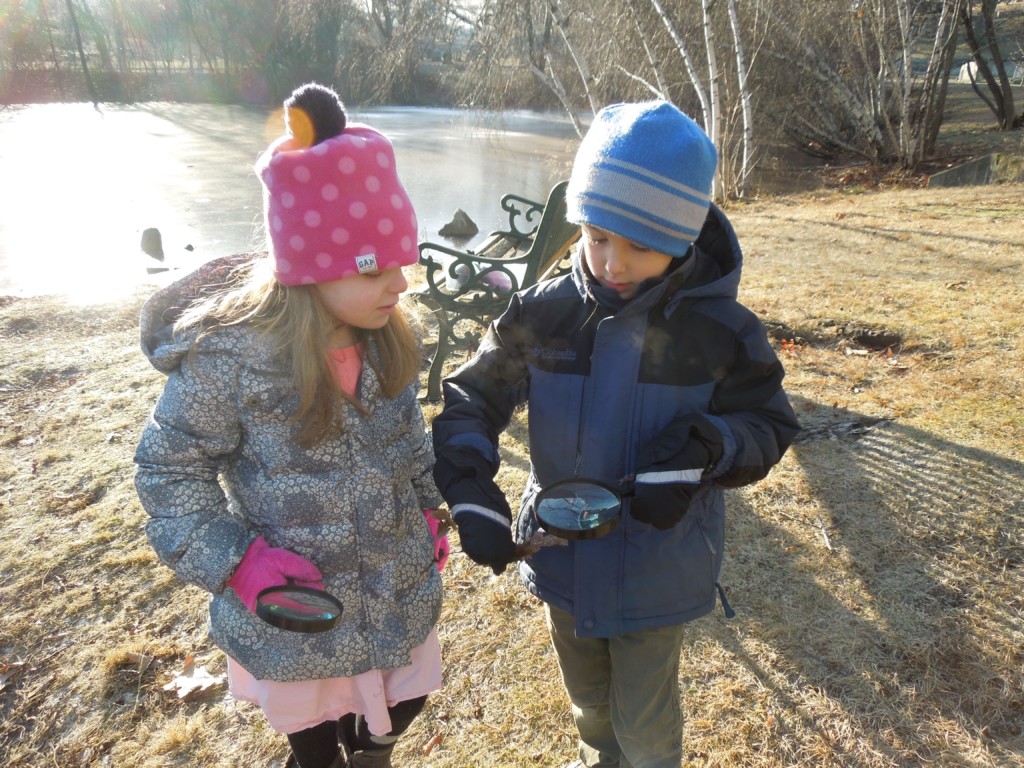
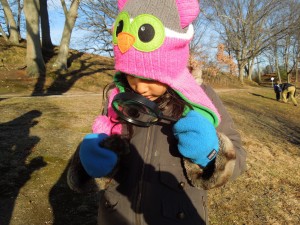
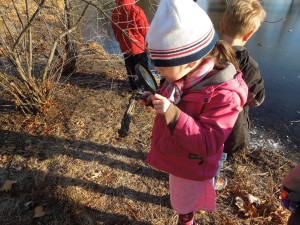
For a day or two last week it finally felt like winter. The Class was overjoyed to get outside and explore the changes that came with the cold weather! We observed the frozen pond and found frost and ice all around! We used magnifying glasses to look closely at the patterns. One student said, “This is magical!” The most exciting encounter was listening to the sounds made by rocks skipped across the frozen pond. Working together, we even made a song by throwing rocks all at once. The cold weather has us really wishing for snow!

Ch-ch-ch-ch-changes

How many things can you create using one cardboard box?

KIMG_0450One large cardboard box in Kindergarten inspired creativity and imagination, as the children build upon, transformed and reinvented it.
First, the Kindergarteners let their sense of adventure and imagination run wild, turning the box into Noah’s ark. The children had fun bringing their stuffed animals aboard, as we learned the story of Noah’s Ark.

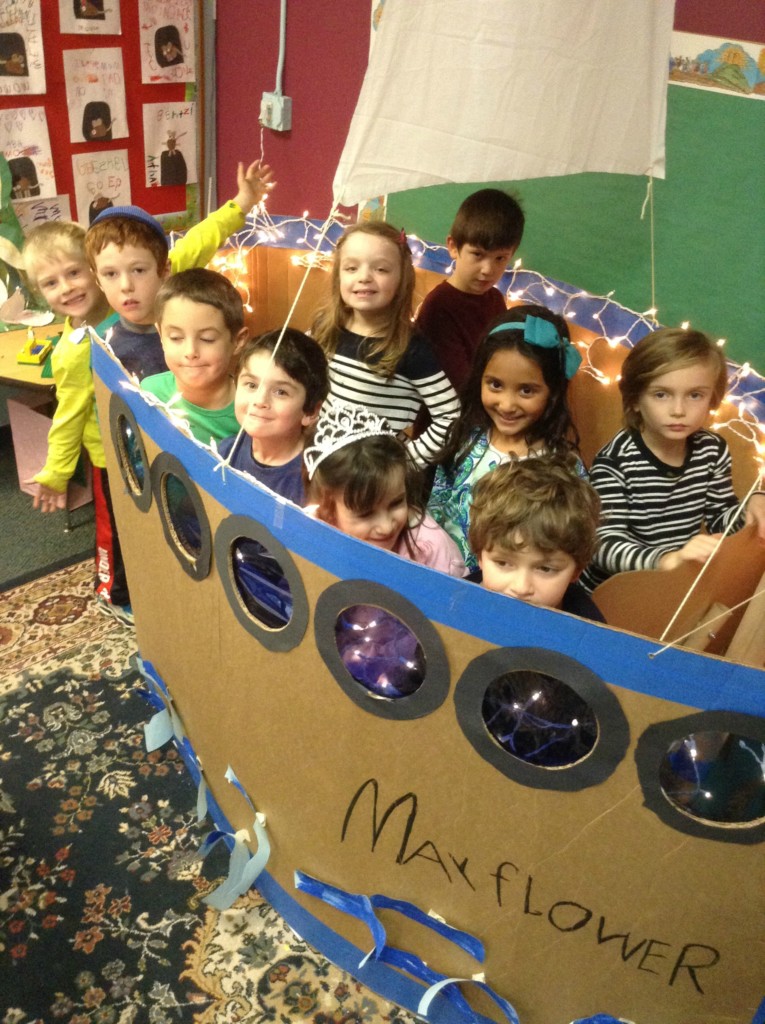
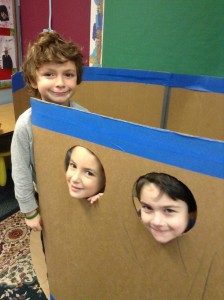
kIMG_0524Then, sails were added, portholes were reinforced, and the box was transformed into the Mayflower, where the children had a creative space to retell the Thanksgiving story. The Mayflower also provided many hours of fun on the high seas. A couple of weeks later out came the paint and paintbrushes.

image

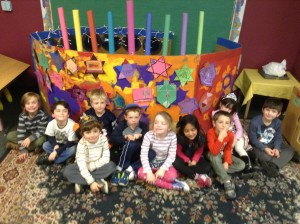
We had fun “throwing paint” onto our box, as we transformed it into a giant hanukkiyah for Hanukkah. Our transformations were very entertaining, creating fun environments using creativity, collaboration, storytelling, imagination and one large box.

Erasure Poetry in First Grade!

We are so fortunate to have a amazing group of creative and knowledgable parents at JCDS.   Throughout the year, we encourage our parents to come in to teach our students about something they are an expert about. Two weeks ago Joanna came for a visit and the results were magical.

Joanna is our guest blogger this week!

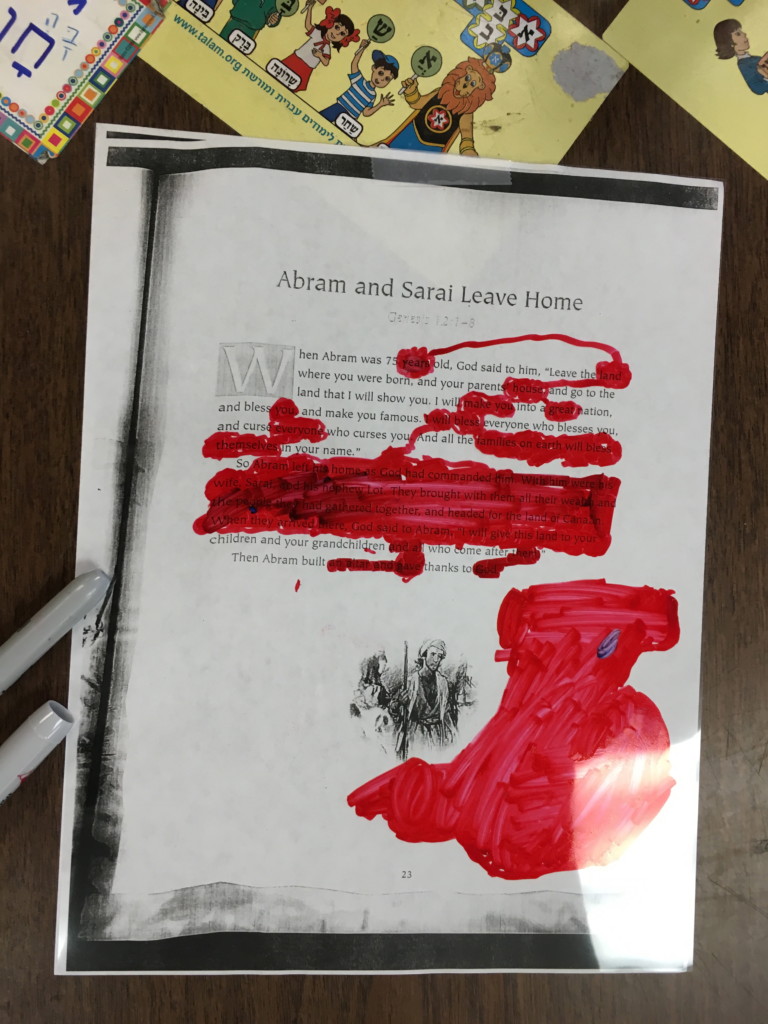
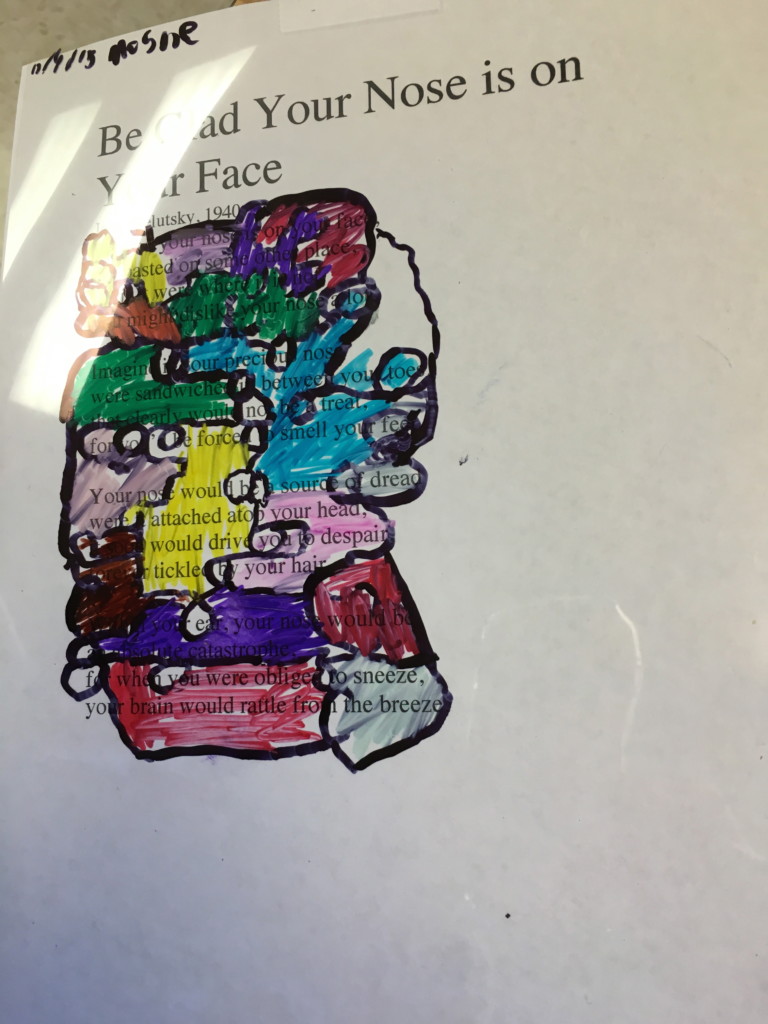
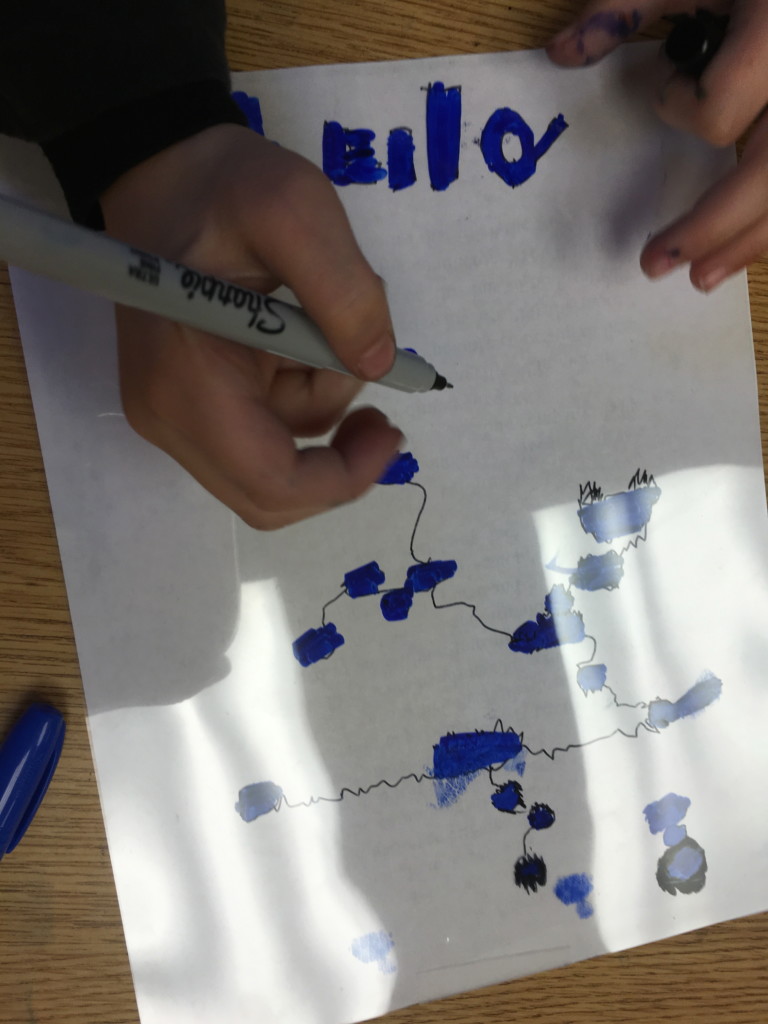
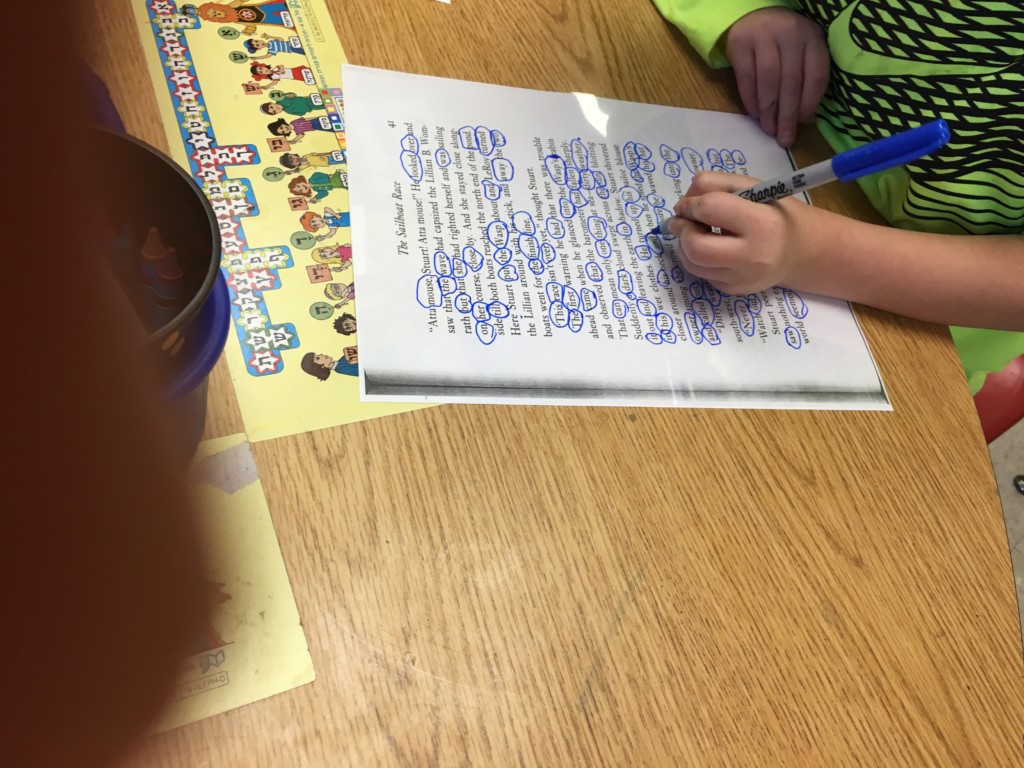
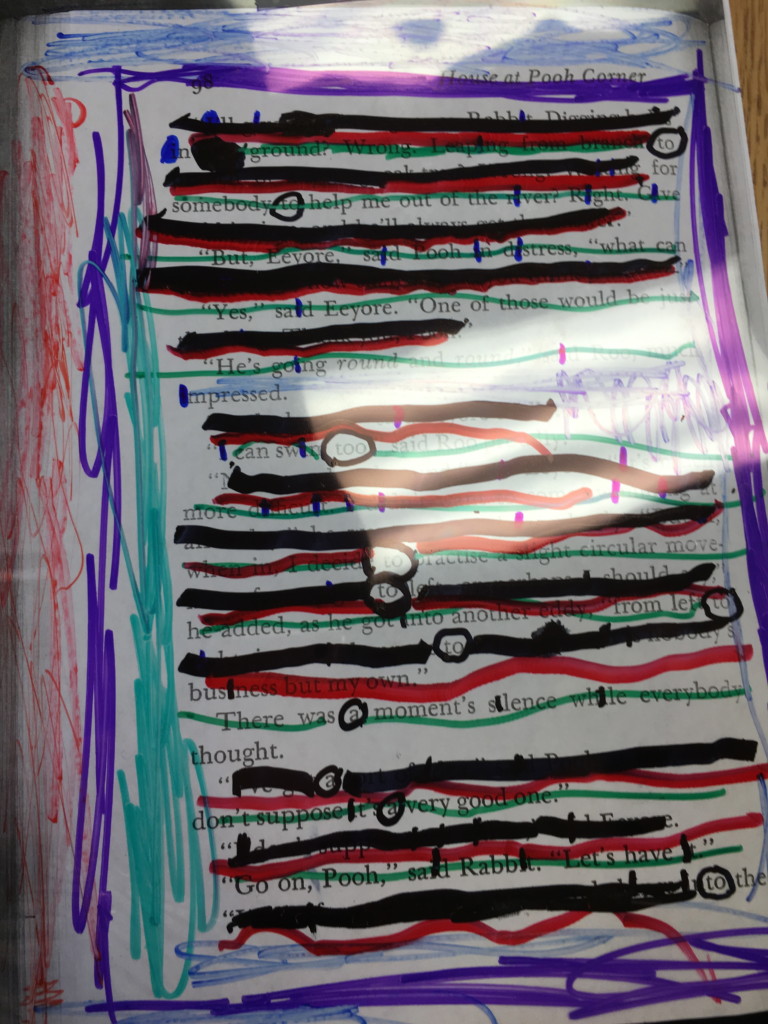
Two Fridays ago, the first graders displayed their impressive talents in creating poetry and art. We started by listening to poems, including “Be Glad Your Nose is On Your Face.” Then we tried out a technique called “erasure,” covering up some of the words and drawing pictures over the page to create new texts and images. The first graders applied their drawing and reading skills to this task. Some circled words they knew or created patterns with words. Many drew pictures and designs. We did the drawing and writing on transparencies over the page so they could be lifted up to see the original beneath. See some of the results below!

-Joanna BrownIMG_0241 IMG_0239IMG_0235

IMG_0244 IMG_0242

This Little Light of Mine!

IMG_1257

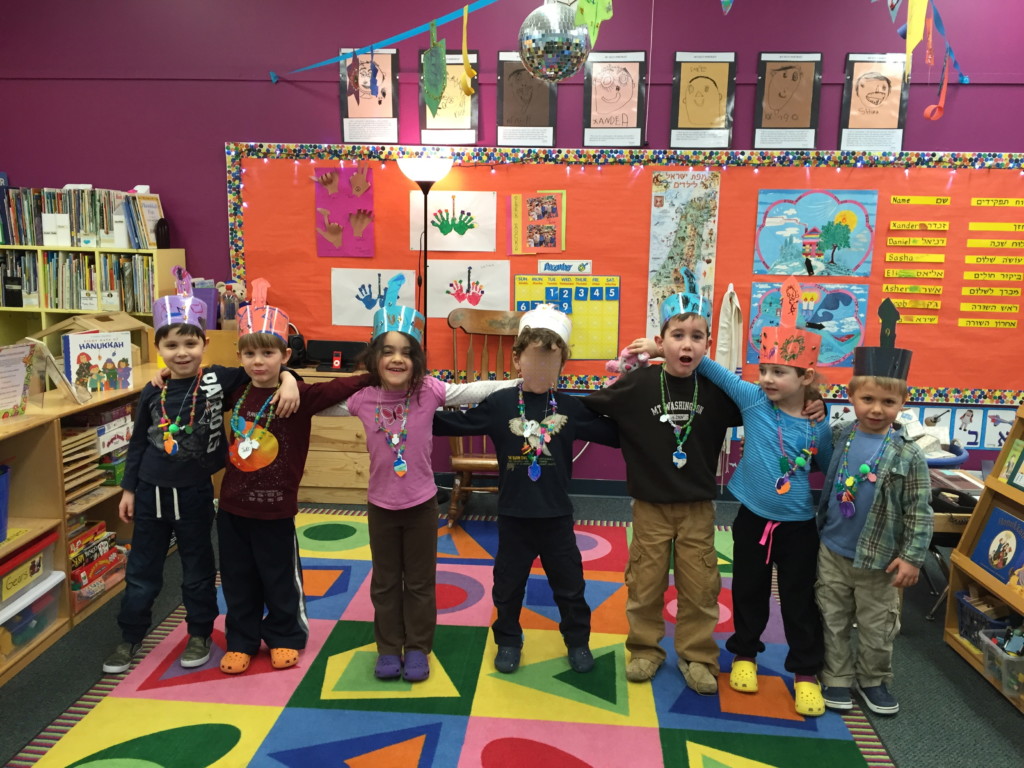
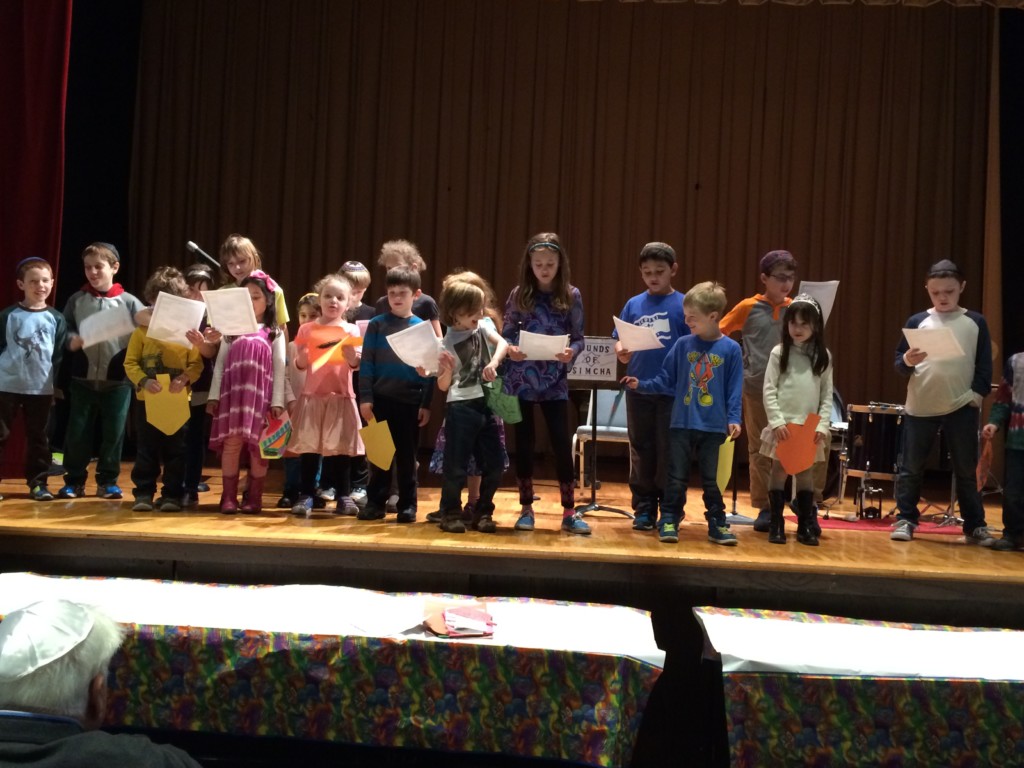
We all enjoyed our classroom’s Hannukah celebration with our families and friends! We eagerly sang songs (Sivon, Sov, Sov, Sov; I Had a Little Driedel; 3 Little Latkes; This Little Light of Mine – HaNer HaKatan Sheli), proudly wore our beaded beautiful necklaces (complete with the svi’vonim we made out of clay) and our bejeweled candle crowns, lit our newly completed hannukiyot, and ate latkes with our “home-made” applesauce. Thank you to all that joined us for this festive celebration.

Writing Our Names in Braille

IMG_1311

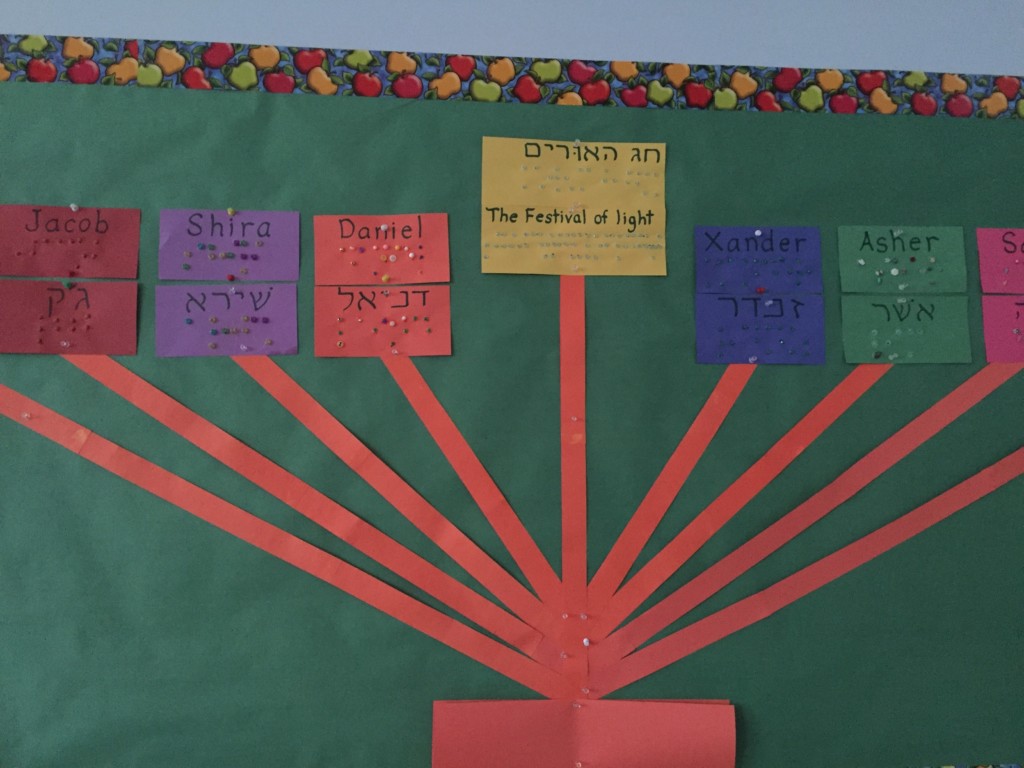
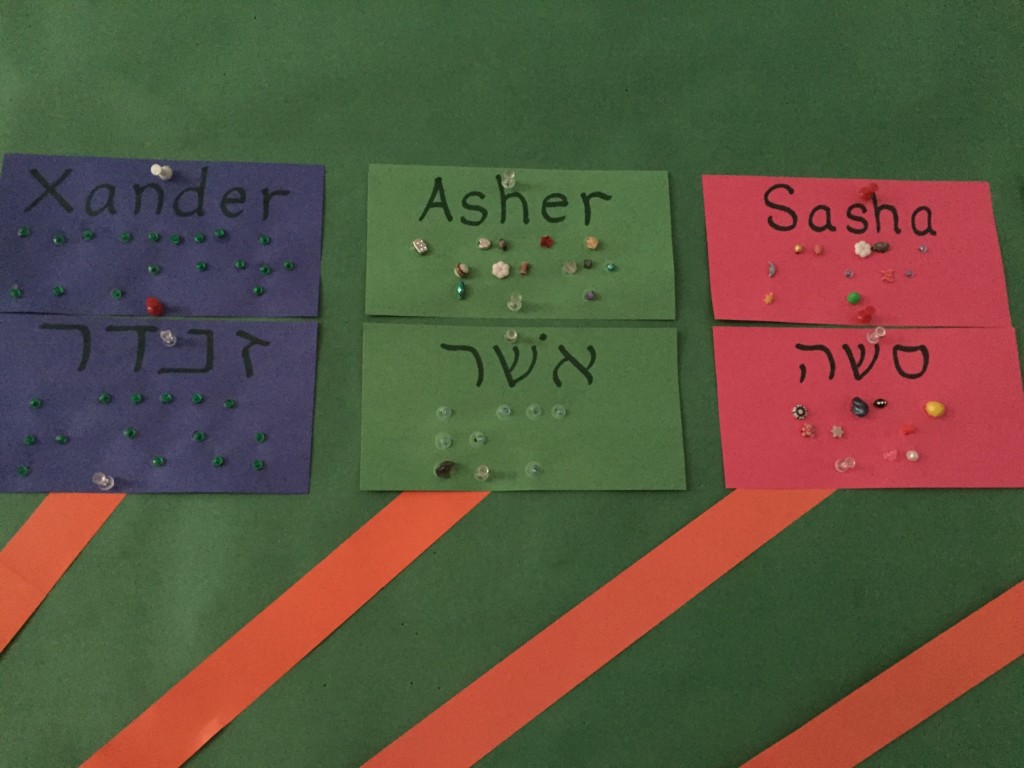
Last week, our kehillah learned about the life and work of Louis Braille, who created Braille – a tactile writing system used by people who are blind or have low vision. After examining some books written in Braille, we were able to practice writing our names in Hebrew and English Braille (using beads and seeds). We then used our names to create a huge hannukiyah in our classroom!

IMG_1310


5th Graders Bring Hanukkah Joy to Miriam Hospital

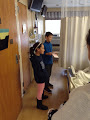
imageOn Wednesday, the 3rd day of Hanukkah, the fifth grade class piled into what they affectionately call ‘The Teva Bus’ to take a short ride to the Miriam Hospital. There, they sang songs for the staff and visitors, and people stopped and listened to them as they were going about their hospital business. After their performance, which was applauded and appreciated, they then visited one of the hospital units housing patients who are living with cancer. Having previously made cards to hand out to patients, the students went in pairs to visit the different rooms; in some, they sang and in others, they just talked and wished the patients and family members well. One woman commented, “I’m about to go home soon and your visit will speed up my recovery even more!”

Another said, “You are doing God’s work.” As part of the preparation for this visit, imageRabbi Gouze spent time talking with the students about the importance of Bikkur Holim, (visiting the sick). The students showed a deep understanding of the need for connection, for feeling links to the community and for patients to be treated like normal human beings despite their being sick and separated from their daily routines and normal lives. The trip was meaningful and the students were able to see how their visit and time spent with the patients was very much appreciated by both staff and patients. It brought meaning to the value of Bikkur Holim and the reason why Judaism views it as such an important part of living in an ethical manner.

Below is a link to a video of the students singing in the lobby.

[su_youtube url=”https://www.youtube.com/watch?v=rRHm3lXlaD0″]


Buddies Celebrate Hanukkah Together

The Friday before Hanukkah, the Kindergarten class took a field trip to the Olive Oil store and learned about all the different types of olive oil as a way of preparing for the holiday. With the samples that they were given, they, along with their 4th grade buddies, then conducted an experiment. Which type of oil would burn the cleanest and the longest? Before the experiment, the 4th graders studied a text from the Talmud within which two rabbis discussed the best oil to use for the Hanukkiyah. One said olive oil because it burned clearer, while the second stated that he used poppy seed oil because it burned longer. The decision was that it was more important to have the flame be clearer, so the second rabbi switched to using olive oil. We then discussed why that would be a more important value in terms of the need to advertise the miracle.

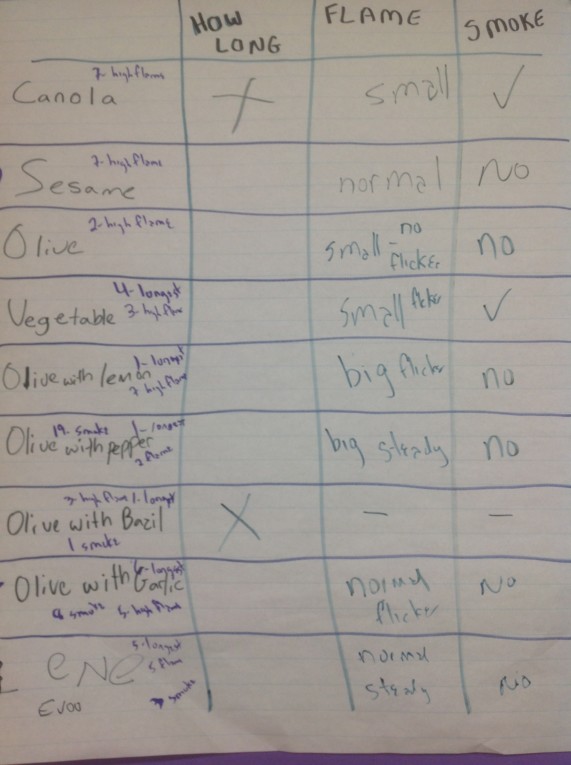
On Wednesday morning, we gathered in the kindergarten class and, using small glass bowls, we lit the wicks that were soaking in different types of oil. We tested canola, sesame, vegetable, really good EVOO and regular EVOO as well as herb-infused EVOO’s like olive oil with garlic, lemon, or cayenne. The students made predictions as to which would burn longer or with less smoke. The chart below indicates their predictions. We discovered that the olive oil and the sesame oil both burned the best: not much smoke and lasting longer than the canola and vegetable oils. It did not seem to matter if the oil was infused with different herbs or not. The students loved doing the experiment and, as it turns out, their predictions did not match the results.

image    image

On Friday, we came together again to sing to the seniors who were celebrating Hanukkah with a lunch party sponsored by the Kosher Meal Site of R.I. Our students sang songs and helped to bring holiday joy to the attendees of the lunch. One senior remarked to me, “Thank you so much, this made my day!”

image

A Story from Teva

Teva collage

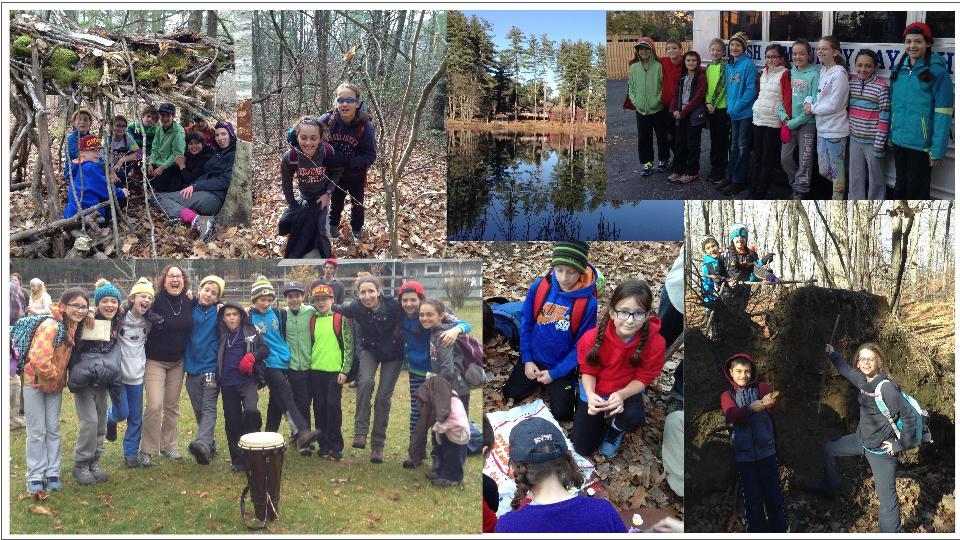
I had the wonderful opportunity to be one of the 5th grade chaperones to Teva this year. During these four amazing days, the students learned in nature, prayed, met new kids from other Jewish day schools, practiced Judaism in many ways, and learned about their role in the world. I joined our students during their ‘Limudei Chutz’ (outdoor learning) everyday and witnessed their growth. There are so many stories to tell, but I chose to share one special activity in which they learned about TOGETHERNESS.Teva

The group had a task that they had to complete according to the following rules: to take an object from the teacher and return with it to the starting line. If the teacher saw someone moving or if he guessed which individual had the object, all of them had to go back and start again. The kids started all scattered along the field. Some of them rushed to try to complete the task on their own. They failed over and over again. Students started shouting at others: “Walk! Don’t run!” Some talked to their friends trying to make a plan, but they didn’t include everyone. After each failure, more group members joined the conversation. They finally came up with a plan, involved enough people, and managed to complete the task. However, they were not pleased with their performance; it wasn’t the whole group’s achievement. They asked for one more chance.

This time, before they started, two more rules were added: in order to win, every group member must touch the object at least once; and, all students have to cross the start line. The whole group got together to talk about their strategy and agreed on it. They stood together in a line shoulder to shoulder, facing their teacher. They walked slowly staying together the whole time. When the teacher faced them, they all stopped together. Even when they were close enough to take the object from the teacher, they waited and made sure that they were ready for the next part in their plan. One of them picked up the object and they all turned around with their backs facing the teacher. The teacher tried to guess each time who was holding the object, but without any luck. They passed the object between all group members while they were walking slowly back to their start line. They made it. Together.

I felt so much joy and appreciation to see how these individuals, most of whom had just met each other two days before, transformed into a united group.

Rotem

A Tent, a Well and a Sheep in PreK!

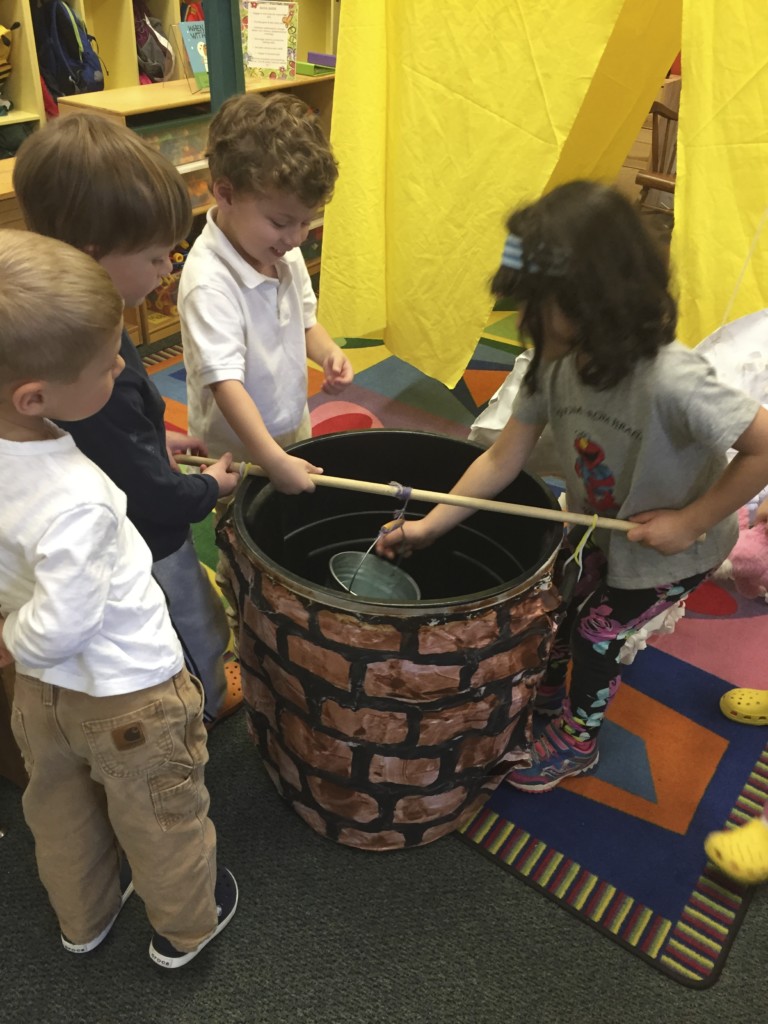
When our kehillah (community) plays and works together, we deepen our friendships and hone our social and emotional skills. Last month, we became experts at hachnasat orchim (welcoming guests) thanks to our ohel (tent) inspired by the Torah’s story of Avraham and Sarah and their desert abode  . . . complete with a well . . .

IMG_1144

. . . and a sheep!

IMG_1131

In addition, business in our Dramatic Play “office” is booming (there is a daily cacophony of sounds in the office, including the ringing of phones, the “tap, tap” of the typewriter, and the scribbling of pens on many scraps of paper!). We have also peeled and carefully cut apples for applesauce (yes, with a very sharp knife!), drawn our “peaceful places” (helping us with our meditative practice), and played with our 3rd grade buddies!


Design Lab Update

In PreK, we designed an umbrella for Itsy, our spider friend. He was SO sick of getting wet every time it rains! We picked the materials we thought would work best. We had the choice of using plastic, tin foil, felt, or paper. Once we finished our umbrellas, we tested them to see if they could stand up to the rain. We also learned that if a prototype doesn’t work the first time, we can always build it again to make it better. Like Eli said, “It’s okay if it doesn’t work.”

Similarly to PreK, kindergarteners also designed an umbrella to keep Itsy dry. A few kindergarteners took a different approach and made our spider friend his own shelter! We learned that the plastic works best to protect Itsy from the rain.

First graders also worked together to come up with a way to keep Itsy dry. Working collaboratively helps us get lots of ideas from each other. We can accomplish so much more together! It can be so exciting when you come up with a solution as a team. “I think ours is going to work great, Moshe!” said Eliya.

Second graders are working on coming up with a solution to the design challenge, “How might we prevent habitat destruction and water scarcity in the Chihuahuan Desert so that we can protect animals?” Children in the second grade class love to build off of each other’s ideas.

In third grade, students learned about the 6 simple machines and how they help us do work. Students built structures that include at least two simple machines. Many children noticed that, interestingly, all of the structures incorporated an inclined plane.

Fourth and fifth graders began designing a Thanksgiving table made only out of 8 sheets of newspaper, an 8.5″ x 11″ piece of cardboard, and masking tape. Of course, our tables need to be able to hold a LOT of food, so we will be testing our tables’ strength by putting books on top. We can’t wait to see how much our tables can hold!

For an up-to-date explanation of what each grade is up to, come into the Design Lab and see our Bulletin Blog Board!