fbpx

5th graders Meet with Secretary of State Nellie Gorbea

The fifth graders recently wenPicture with Sec of Statet on a field trip to the Rhode Island Statehouse. However, this wasn’t just a typical tour of the beautifully historic building. We had a special half hour meet and greet with Secretary of State Nellie Gorbea, which included a round table panel discussion! In preparation for this memorable visit, the students visited the web page of the Office of the Secretary of State, and learned about the responsibilities of this elected official and how her number one priority is making government more accessible and transparent for the citizens of RI. After reading and discussing the information on the web page, students then wrote a few questions that they wanted to ask the Secretary when we met her later that morning. I was very impressed with the curiosity and the genuine interest the students had in learning about government offices and officials, as well as the intellectuRound Tableal and sophisticated questions they wanted to ask at the round table discussion.
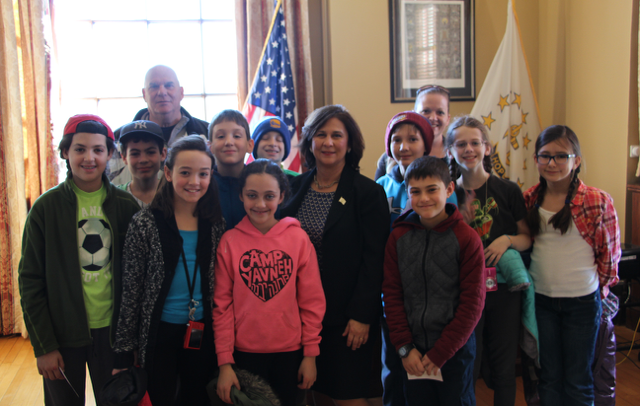
Students asked questions such as: “What was the hardest part, in your opinion, about running a campaign for office, and ultimately winning the position?” and “What are your plans to improve the election process? What did you do to make housing more affordable for families in Rhode Island?” After our meet and greet, we went on an incredibly informative tour of the statehouse and the amazing questions continued to flow. Our tour guide commented that she had never met such a curious, well-informed, knowledgeable group of fifth graders. When we returned to school, I felt a deep sense of pride that my students were able to engage in a meaningful discussion with an elected official about the future of our state, which ultimately will be in their hands one day.
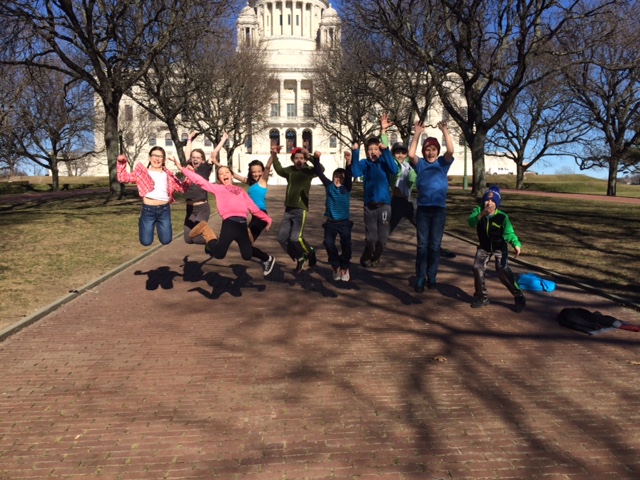
Jump - statehouse

Hard At Work Proving that Gossip is Wrong

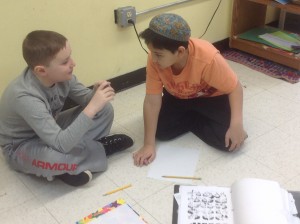
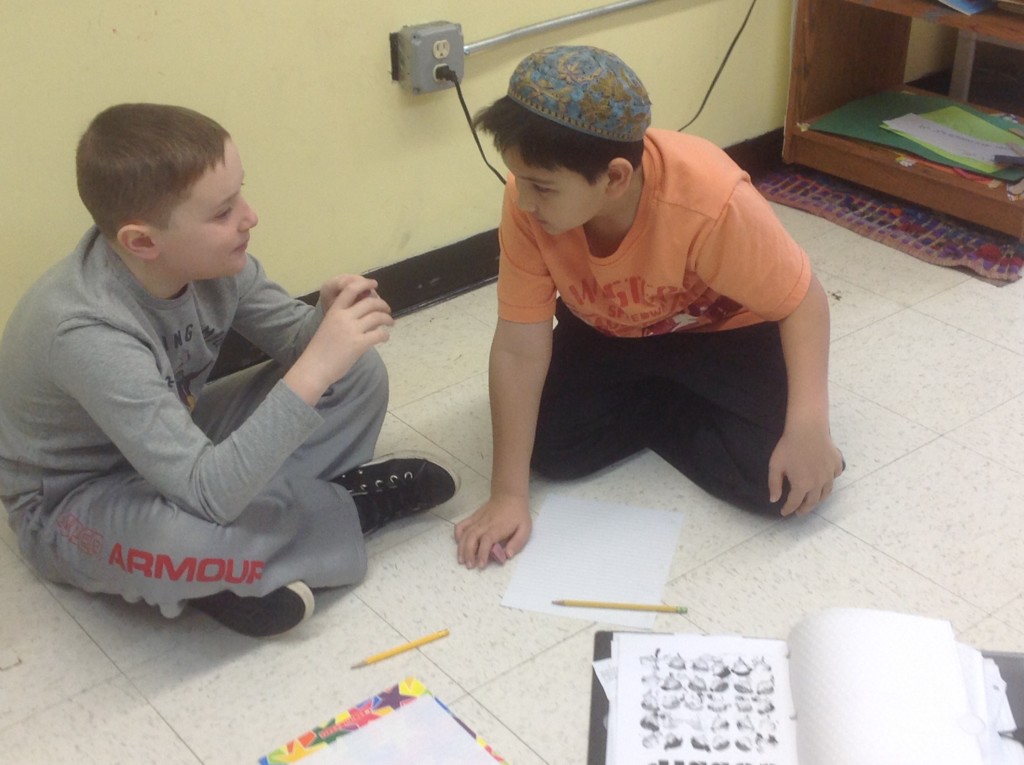
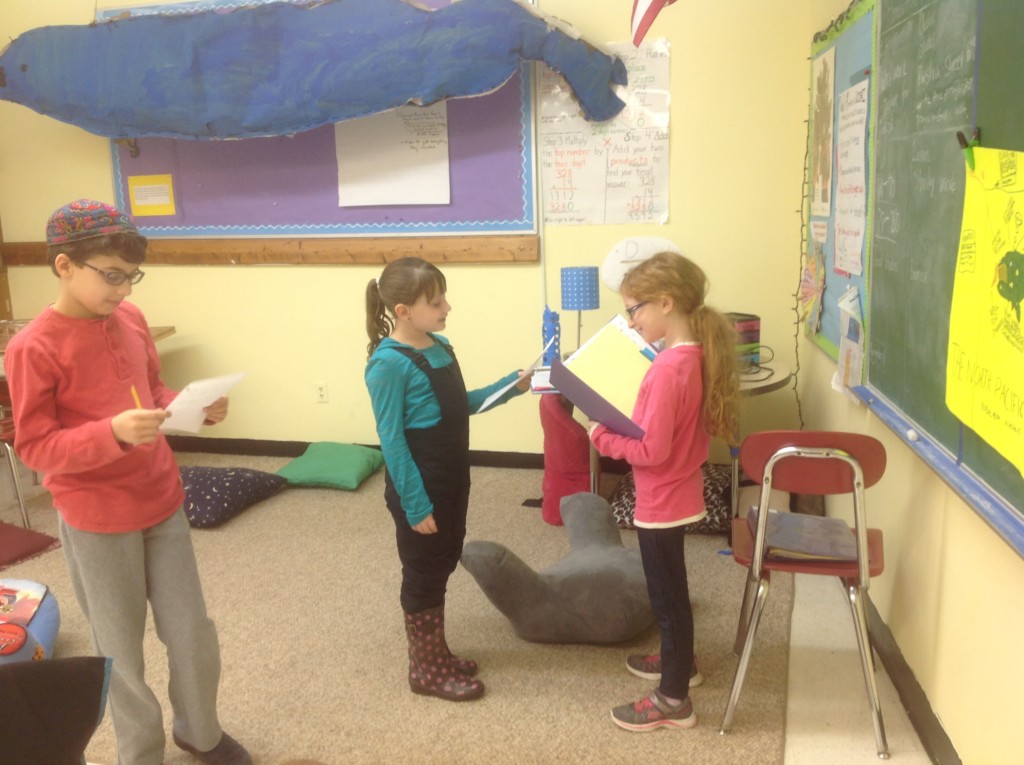
Over the last few months, the 4th graders have studied a number of texts from the Jewish tradition that look at gossipimage and define the different categories of speech that can be considered to be gossip.  The rabbis were adamant that all types of gossip, even if the information shared can be viewed as being neutral speech, are wrong and can be hurtful and even dangerous.  The students have worked in groups to grapple with the texts, understand them, and then apply them to their own situations.  The culminating project, which they are just coimagempleting, will result in three filmed vignettes that are ‘Public Service Announcements’ to teach why gossip is wrong and should be avoided.  Each group has been tasked to develop their own commercial within which one of the texts that they studied is quoted.  These pictures are representative of how diligently they have been working on the scripts.  Once you see the completed projects, I think you will all agree that they are of a much higher quality and contain more substance than most of the Super Bowl commercials that we recently watched!  Stay tuned.
 image


Fee Fi Fo Fun!

DSCN0625

Lots of Learning with Jack and the Beanstalk!

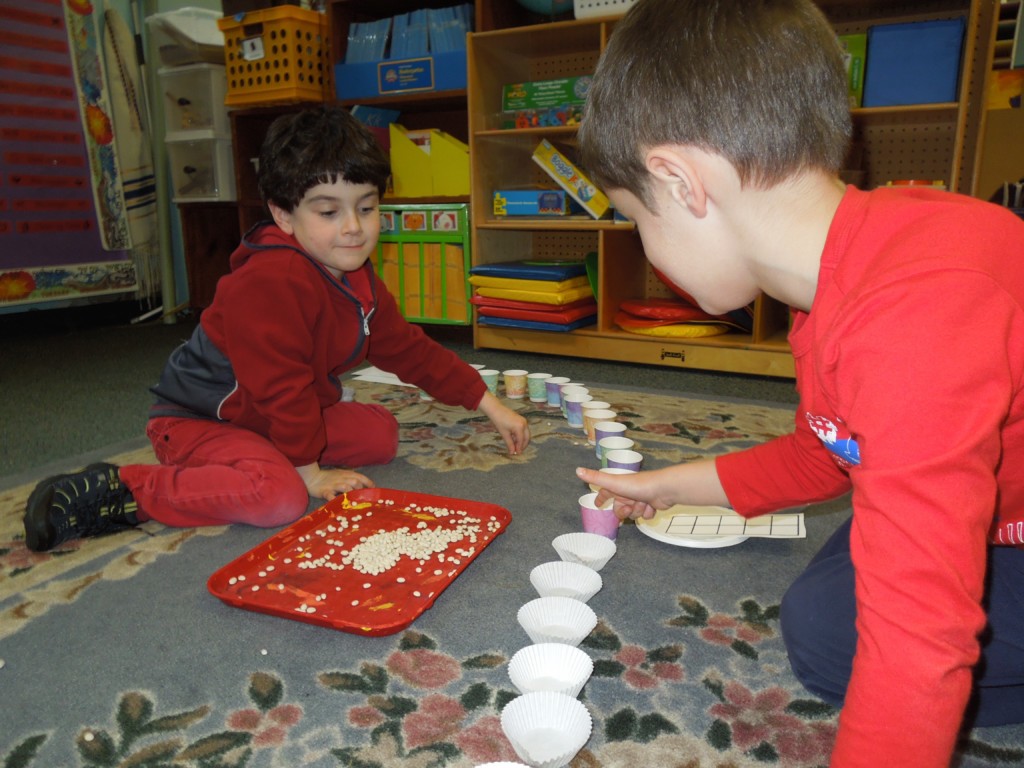
We compared and contrasted different versions of Jack and the Beanstalk. We enjoyed discussing how books were alike and different. We noticed that: “Jack was the main character in two books, and the giant was the main character in one book.”

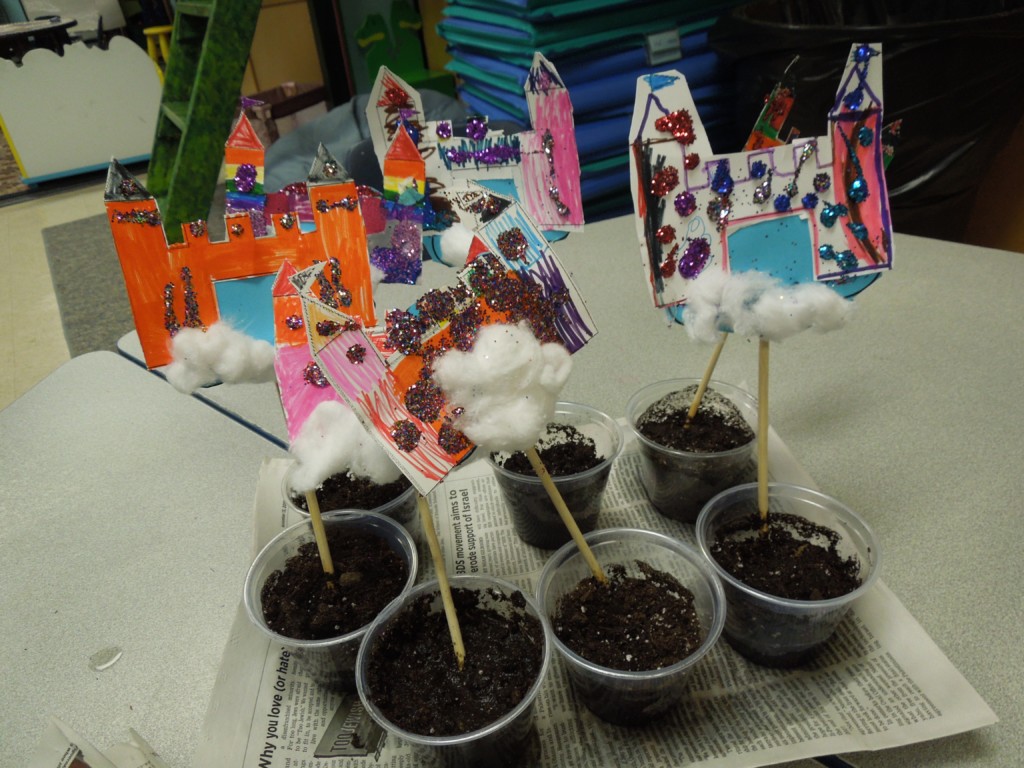
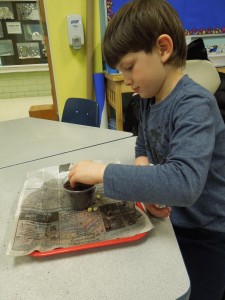
After discussing the books, we planted beDSCN0622an seeds; and each child created a beautiful castle, stretching out and gluing on a cotton ball for the cloud base, and sticking a dowel into the cup.
Now we are waitinDSCN0612g for Jack’s beanstalk to climb up to each castle.

Meanwhile, we are working with partners to count large collections of beans (more than 200). We are practicing our skip counting, writing our numbers, and working cooperatively with a partner.

Field Trips With a Purpose

photo 4 (3)
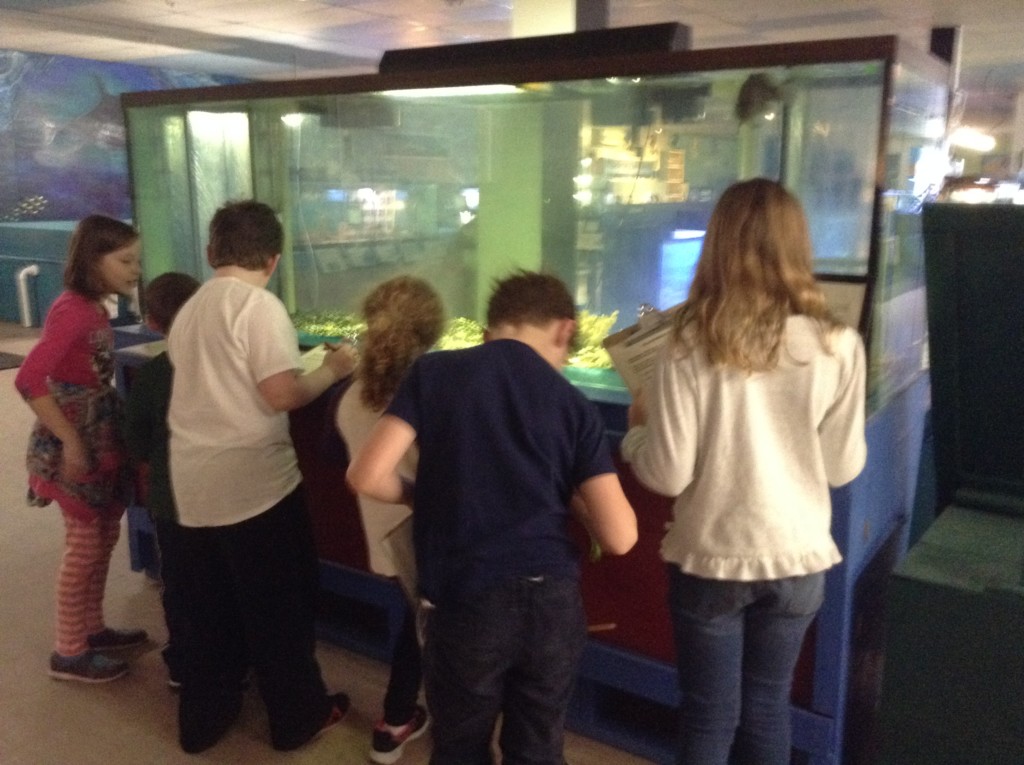
The third grade class went on two field trips this month. The purpose was for them to learn more about the Narragansett Bay and the ocean life in the Bay. We will be turning our learning into a class nonfiction book along with producing projects of the students’ choosing.
The first trip was to the Biomes Center. There they were able to participate in a scavenger hunt, touch some sharks and skates, and pick an animal they would like to research further. All the students had a great time and were able to speak with volunteers who helped us learn more. One student learned that flounder start off in life more like regular fish and flatten out when they get older! Also, they have a special adaptation to change colors to match the sand on the ocean floor. Three of the boys in our class won shark tooth necklaces by completing the scavenger hunt.
 photo 3
The second trip was to the URI Bay Campus. We first heard about the life cycles within our Bay and the importance of eel bed grasses to our Bay’s ecosystem. Then we went to the student aquarium where students showed us some of the experiments they are conducting. We saw baby lobsters, tanks full of skates (which they were feeding), a very energetic dogfish shark, and a rare blue lobster.

Torah as Metaphor

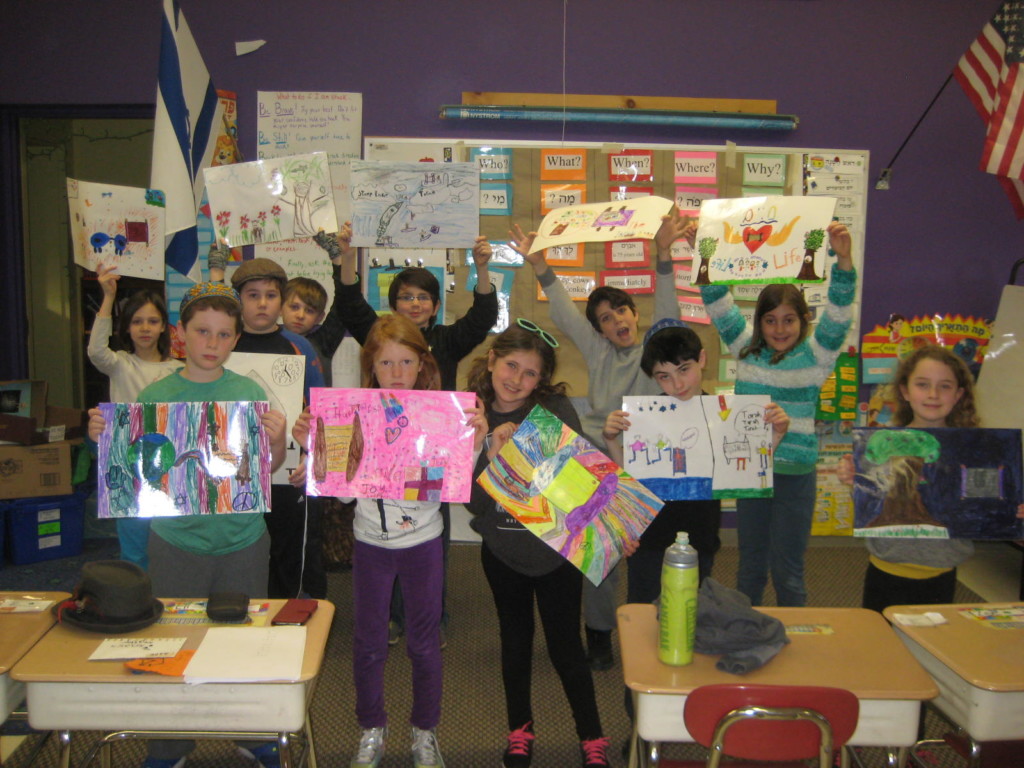
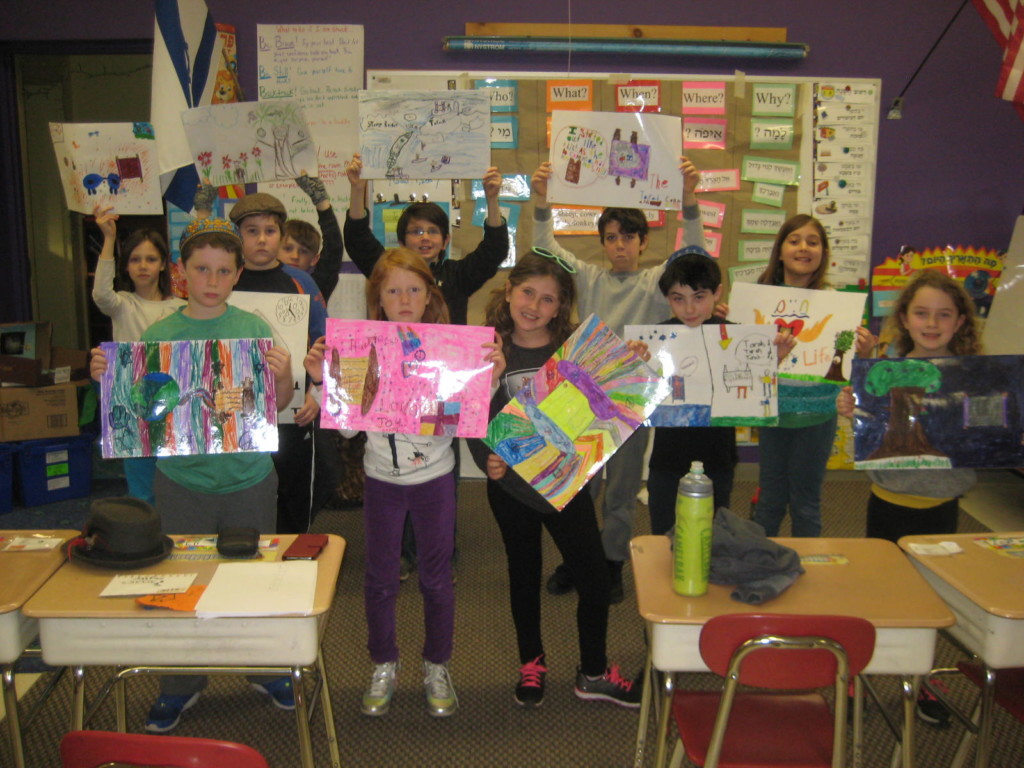
Torah is light. . . Torah is bees busy making honey. . . Torah is a tree. . .Torah is commands. . . Torah is life . . . Torah is a gift . . .

These are some of the beautiful metaphors our third graders created to share at their yearly milestone event, their Chumash Ceremony. This is an exciting occasion during which we celebrate the formal beginning of Torah study from the Hebrew Text. The third graders have learned Torah stories in their previous years at JCDSRI. Now they are ready to build upon this strong foundation of Torah knowledge. They are prepared to utilize their Hebrew language skills to delve deeply into deciphering the Hebrew Text. As a community, we celebrate this achievement as we wish them continued success in their lifelong study of Torah!

IMG_6472

Happy Birthday to the Trees!

It may be cold outside but spring is blooming in PreK!

Our Kehillah has been learning about the holiday of Tu’Bishvat (the birthday of the trees).

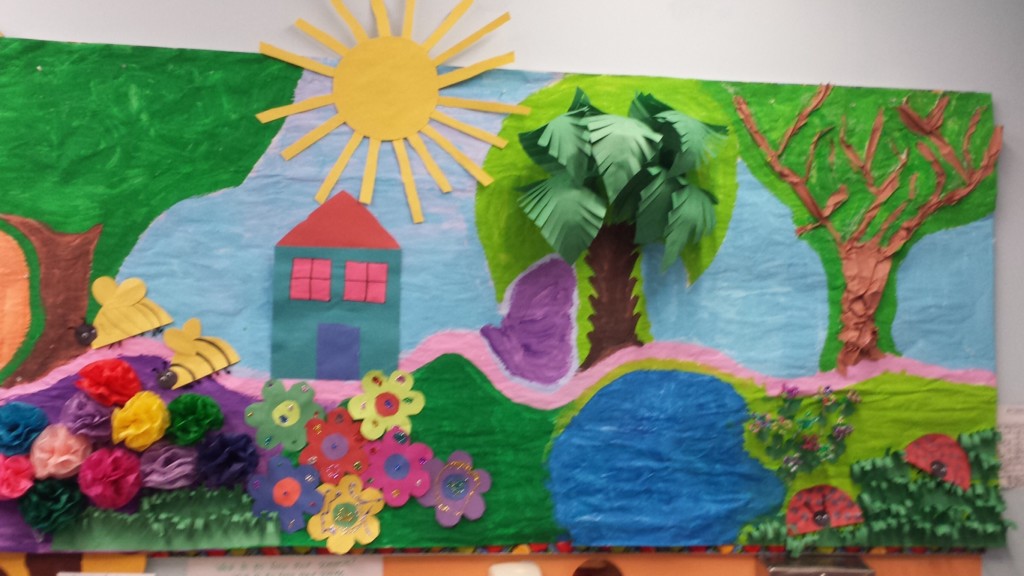
We have been collaborating on a beautiful mural depicting springtime in Israel! The children created brightly colored flowers, ladybugs, trees with lush, green leaves, dragonflies, butterflies, and more! We used various materials to create our mural including egg cartons, cellophane, beads, construction paper, pipe cleaners, glitter, paint, tissue paper, and actual tree branches from outside!

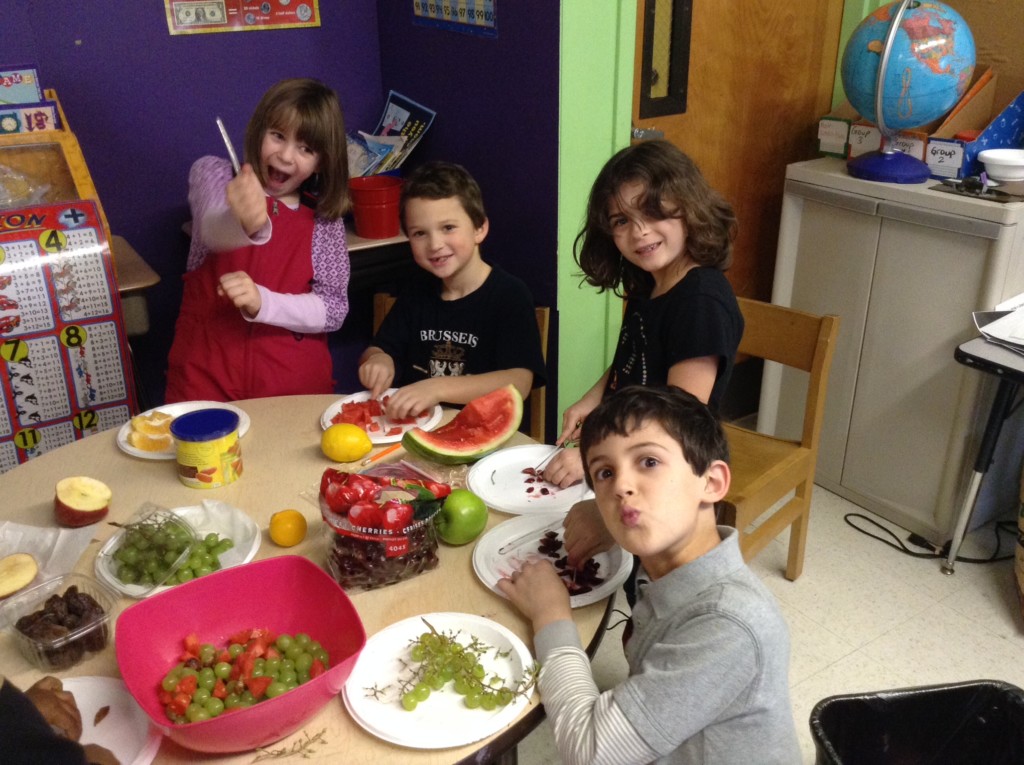
We also enjoyed a Tu’Bishvat Seder! We sampled many different foods that grow on trees including oranges, olives, pears, almonds, figs, dates, clementines, bananas, and apples. Yum!

image


Search for the Essence of Life

“We went on a search for the essence of life.” What is that? you may ask. . .

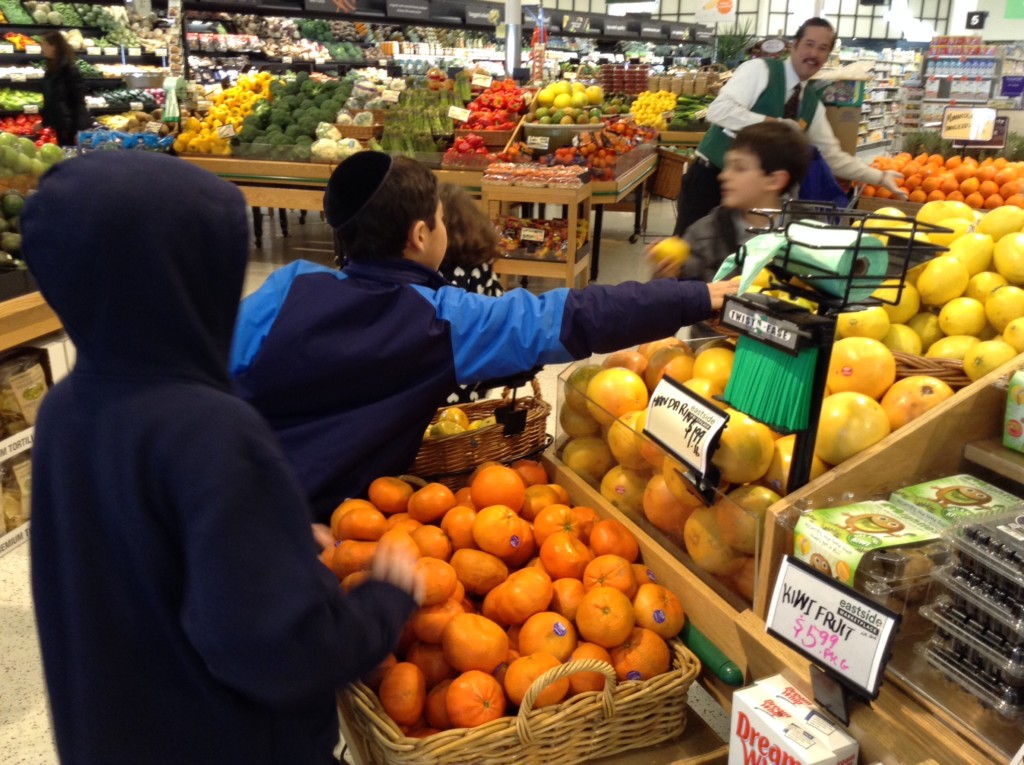
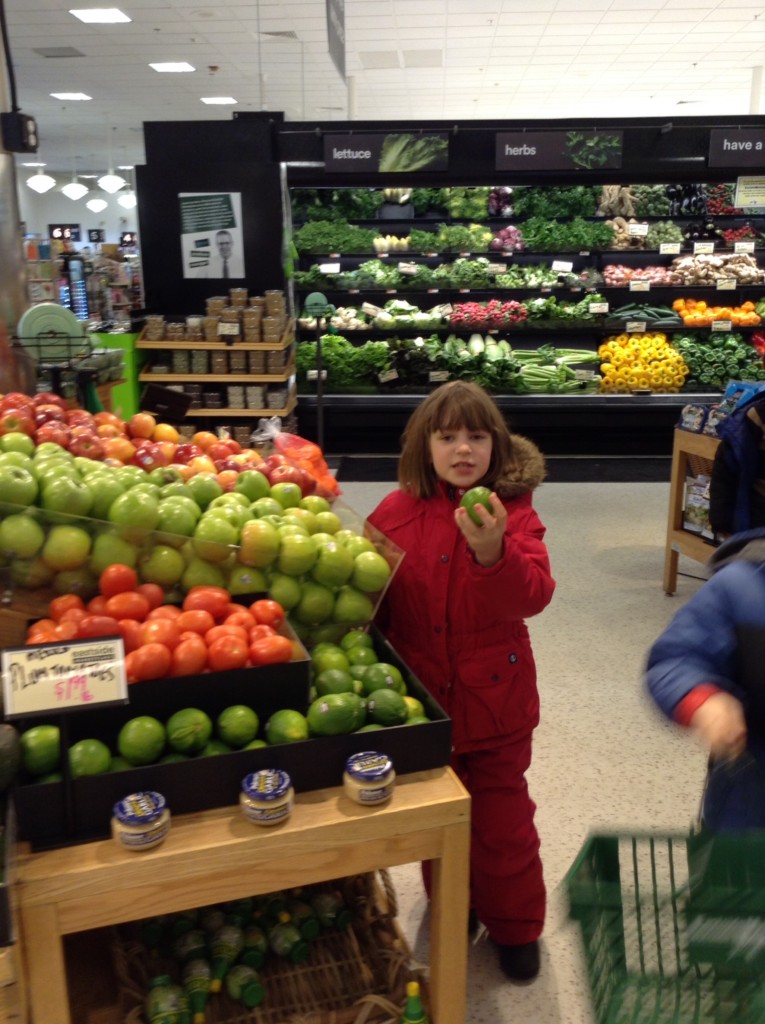
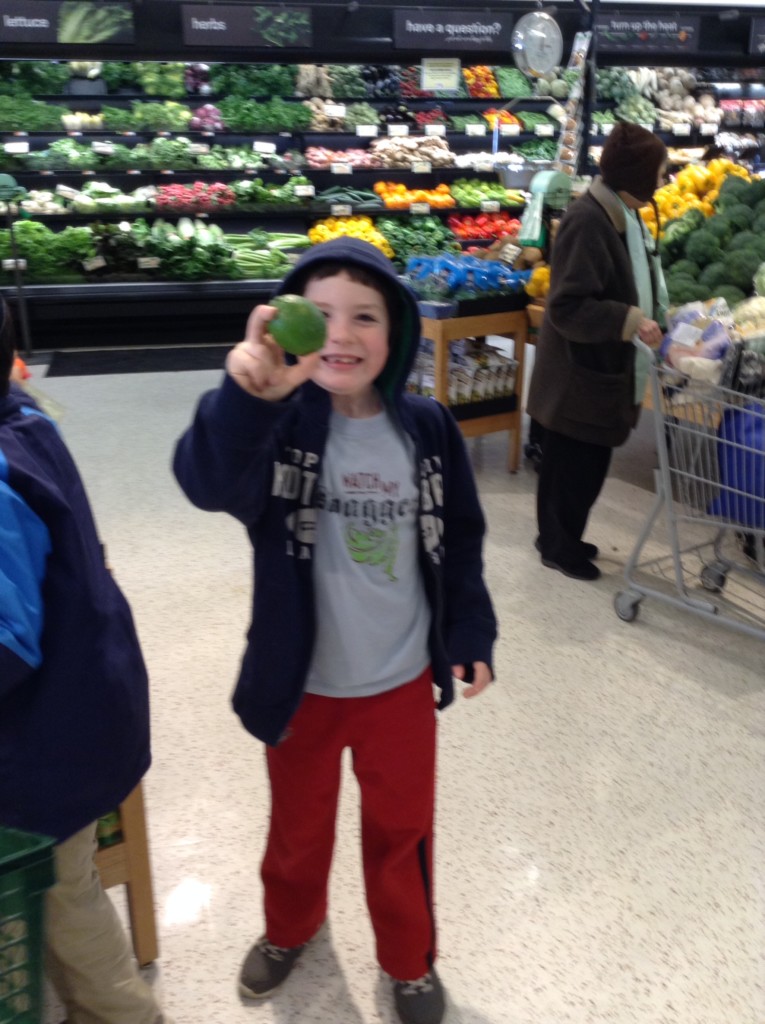
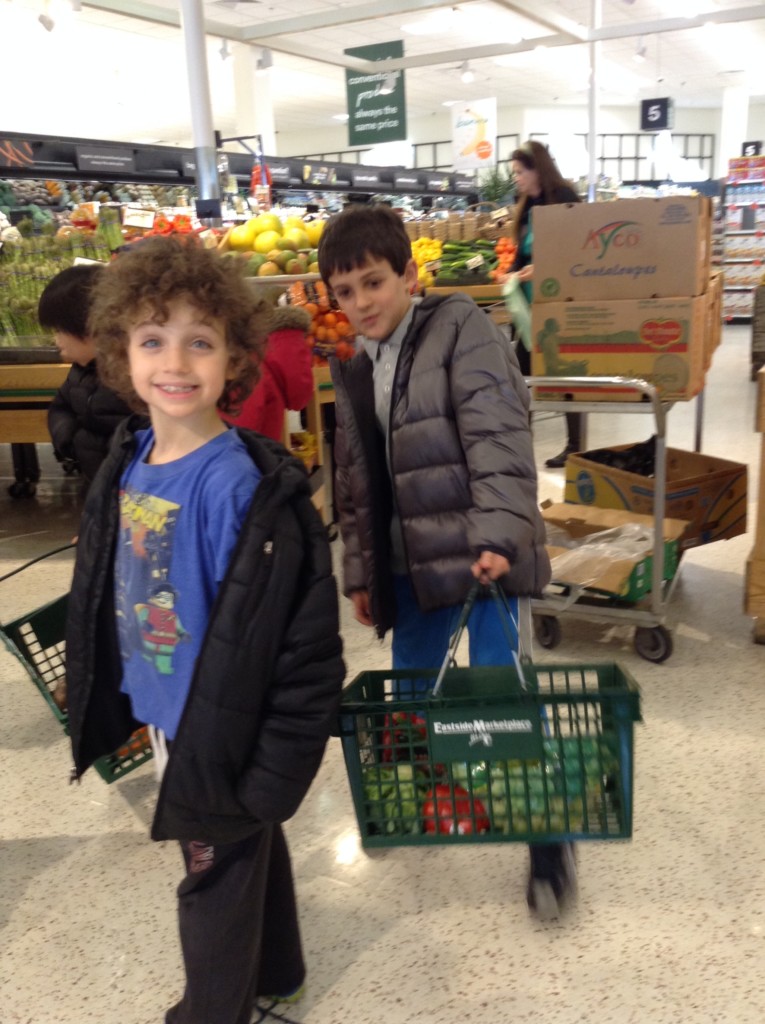
The second graders have the answer to this fundamental question! They found it in a place you have been many times.  It may be green; it may be orange. It may be red; it may be purple. It may grow on a tree; it may grow in the ground; it may even grow on a vine. These fearless explorers stepped on our JCDSRI magic school bus, took a seat and headed out to the . . . EASTSIDE MARKETPLACE!

IMG_1626IMG_1627IMG_1635

Once there, they began their mission to collect fruits of the trees and vegetables of the earth. The other shoppers may have wondered, “What is this beautiful language the children are speaking?” We answered in one voice. It is an ancient language; it is a modern language. It is the language of our people, the Jewish people. It’s the Hebrew language! We returned to school filled with the bounty of our mission, satisfied and eager to come together to enjoy a taste of the upcoming spring. This is just one of the ways that we celebrated TuB’Shevat at JCDSRI!

LehitrIMG_1637IMG_1639aot, Rotem and Rhonda

Science News – Balance & Motion

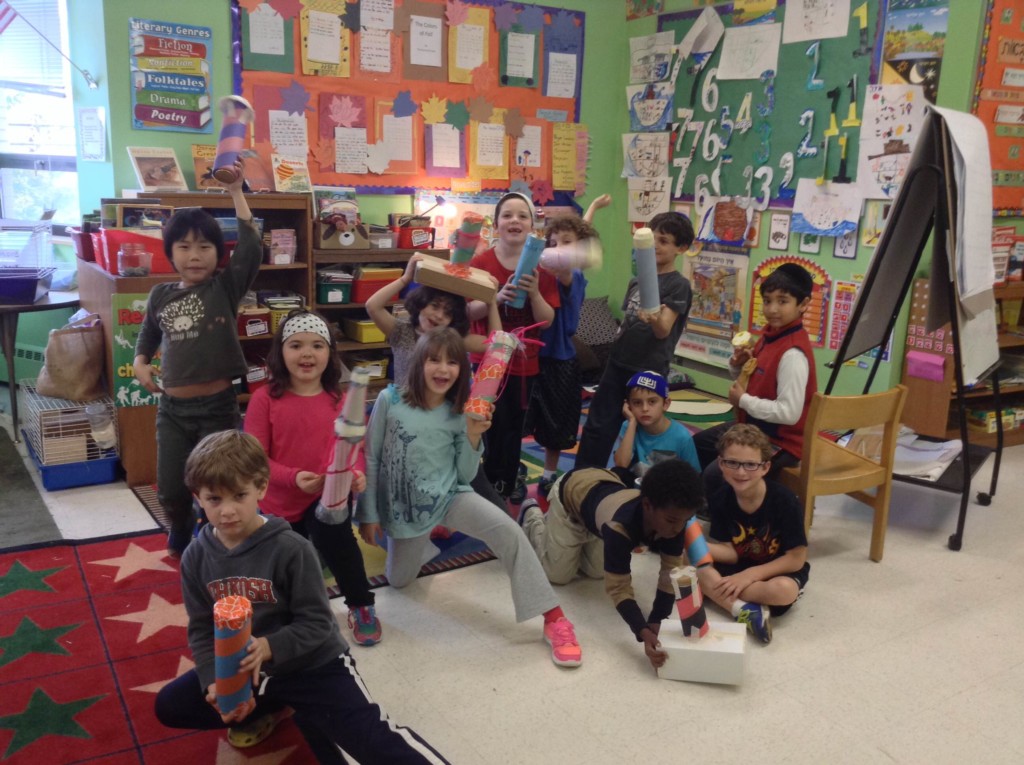
Second grade students are learning a great deal by observing and comparing how objects balance, spin and roll. Observing, communicating, and comparing are all important thinking processes that we are using during our investigations of these objects and systems. Students are having a blast building their own spinners, zoomers, and twirlers.

 IMG_4853

Building Up

At the Jewish Community Day School of Rhode Island, the designers are small in size, but they can still build tall. Lately, it seems that our ceilings are too low because… well, our structures are reaching too high!

Our prototypes aren’t the only things being built up. Our confidence, cooperation, collaboration, empathy, optimism, and experimental mindsets are also growing, built upon a solid foundation of joy and excitement.

Children in kindergarten and first grade met a new friend named Harry. Harry wants to have the best view of the design lab, but there’s one problem… he is afraid of heights! We are working on empathizing with Harry and helping to create the perfect perch for him. We discussed how HIMG_6501arry probably feels scared, sad, and uncomfortable when he is in a bad spot.

With a bag full of simple and recycled materials, we created the perfect perch for Harry. We made sure that the perch was stable, not too high up, and comfortable.

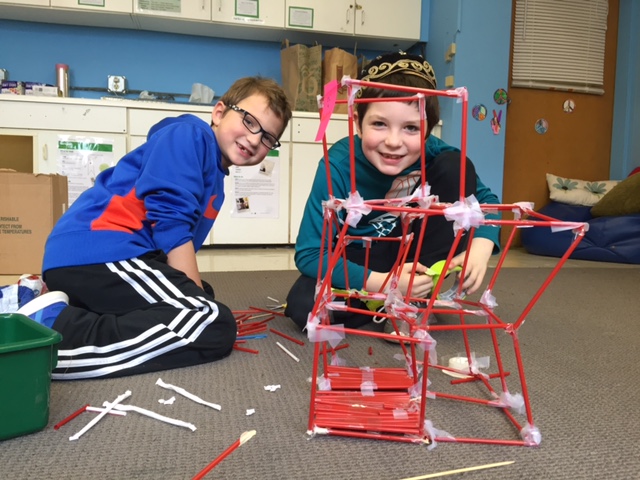
In second grade, students heard the story, Jack and the Beanstalk. We wondered, “how might we build a beanstalk as high as possible, using only straws, wooden skewers, and tape?” The main focus of this particular lesson is that constraints drive creativity. This means that with limited resources, we must be extremely creative!

When class is over and it’s time to go to recess, children often ask, “Can we stay in and keep building?”

A Whale of a Time

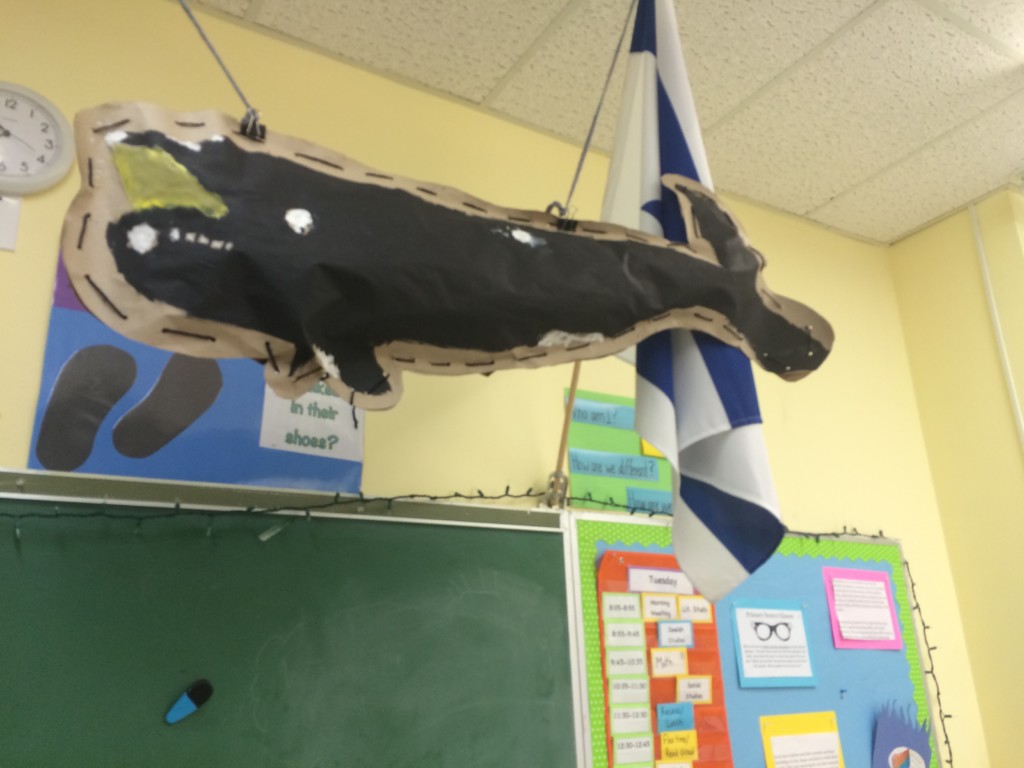
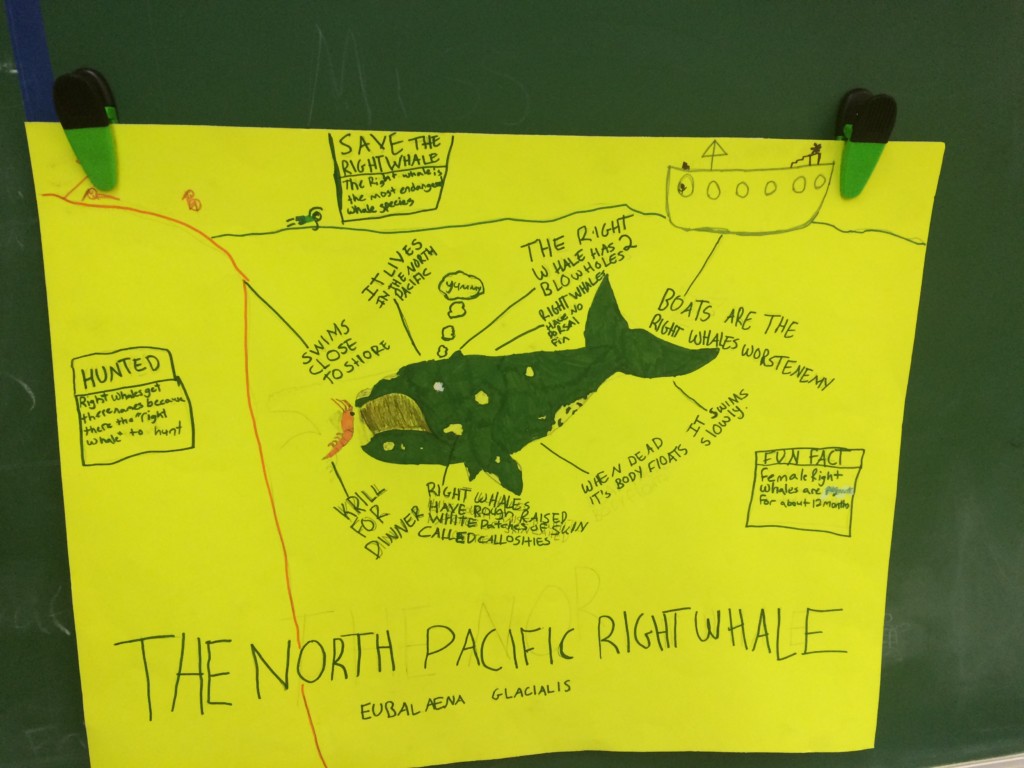
Fourth Graders just completed an in depth study on whales! Students learned a bit about several species of whales, and then each of them chose one to research and present to IMG_3642their peers and families. Using online and print sources, these students became experts on their chosen whales!

To really bring our study to life, we decided to create scale models of these creatures and hang them in our classroom. After measuring out the true length of each whale, students used division to create a scale by which they would design and create their models. Their research helped them decide which features to highlight and include as they created their pieces in art class.

IMG_3641

Their whales will hang in our classroom for the next several weeks as we begin thinking about why so many whales are now endangered. This question has led us to a study of the history of whaling in New England, and we are continuing to learn under the shadows of these majestic mammals.