fbpx

STEAM WEEK……in second grade

STEAM Week

In the second grade we:128

  • celebrated STEAM week and experimented ALL WEEK with science, technology, engineering, art, and math 🙂
  • constructed and observed toys that spin.
  • explored and described some of the variables that influence the spinning of objects.
  • observed and compared rolling systems with different-size wheels.
  • explored and described the motion of rolling spheres and made homemade roller coasters inside the classroom125.
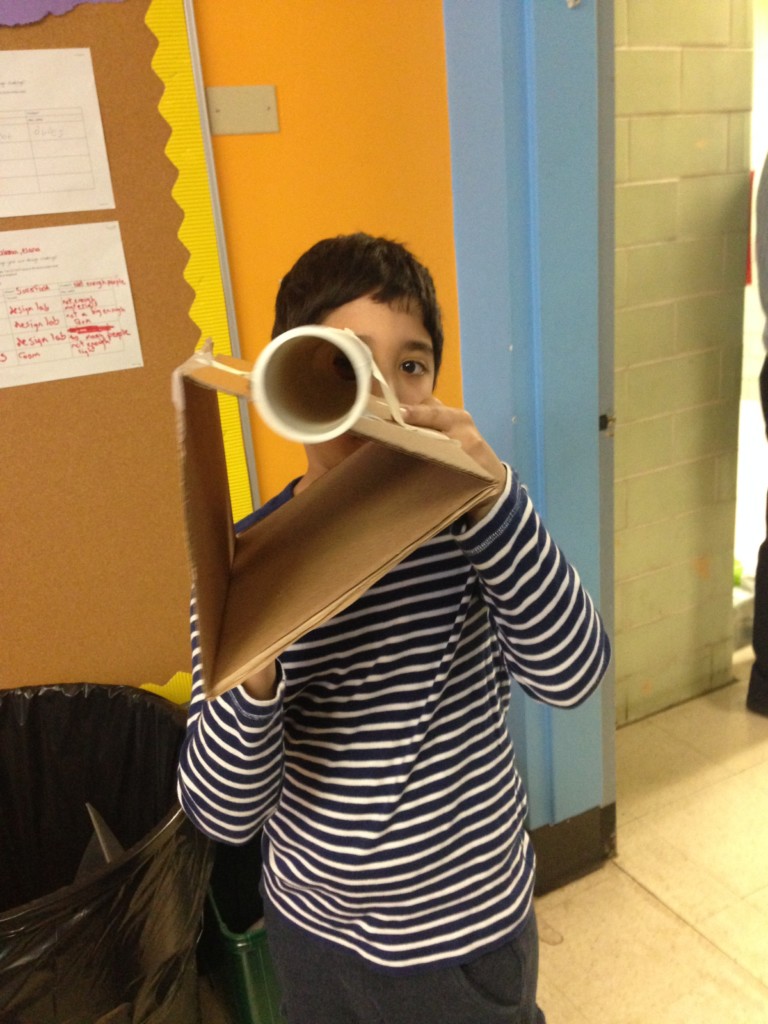
  • learned about how animals enhance their senses to adapt to their environment and designed and constructed our own “animal power” invention!
  • made musical instruments with everyday items such as; cups, elastics, spoons, H2O, paperclips etc.
  • learned about Antarctica and  the different kinds of Penguins that live ther122e.  We also began researching our penguin of choice.121
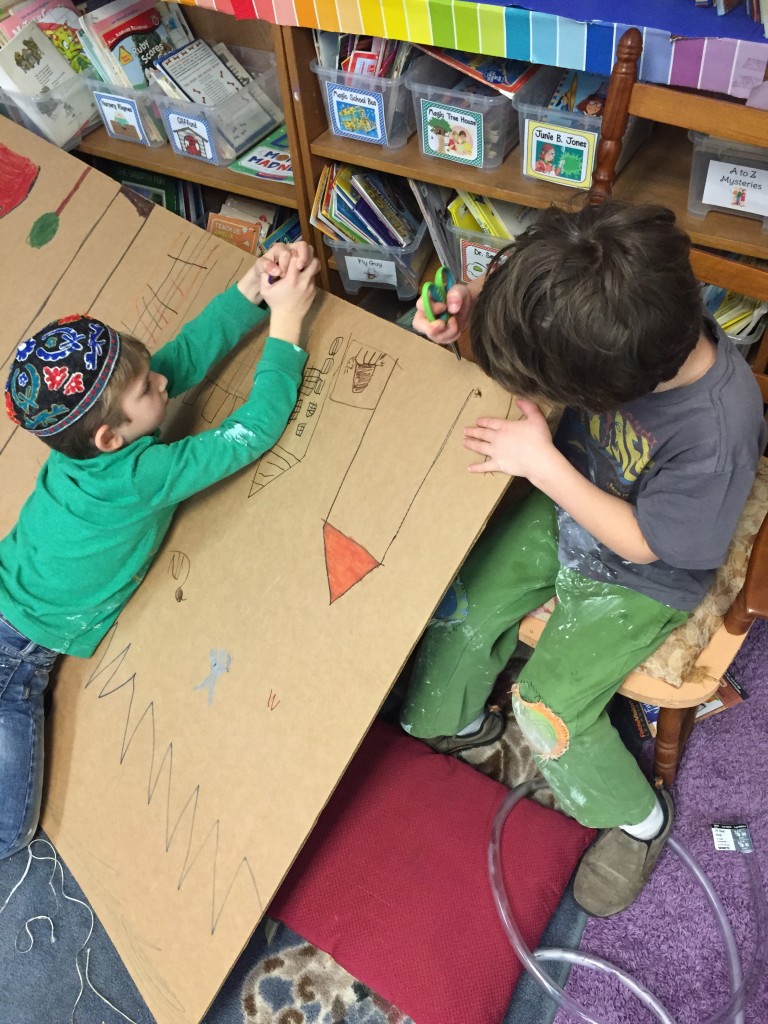
  • designed and painted an “international” chair made of cardboard.

We have had a great STEAM week and will continue to implement STEAM activities every day in the second grade!


A STEAMy week in First Grade

What a sensational week we had in First grade last week!

Gravity and Sir Isaac Newton’s 3 laws of motion were the theme of our jam-packed week.

The highlight of the week was a special visit from my dear friend Janna Kaplan. She presented a IMG_7437marvelous lesson based on her determination to be an astronaut even though she was female and a Russian Jewish Refusenick. Her life story is fascinating and the work she does as the head of the Zero Gravity Laboratory at Brandeis is inspirational. She was very impressed with our students and asked me to post this:
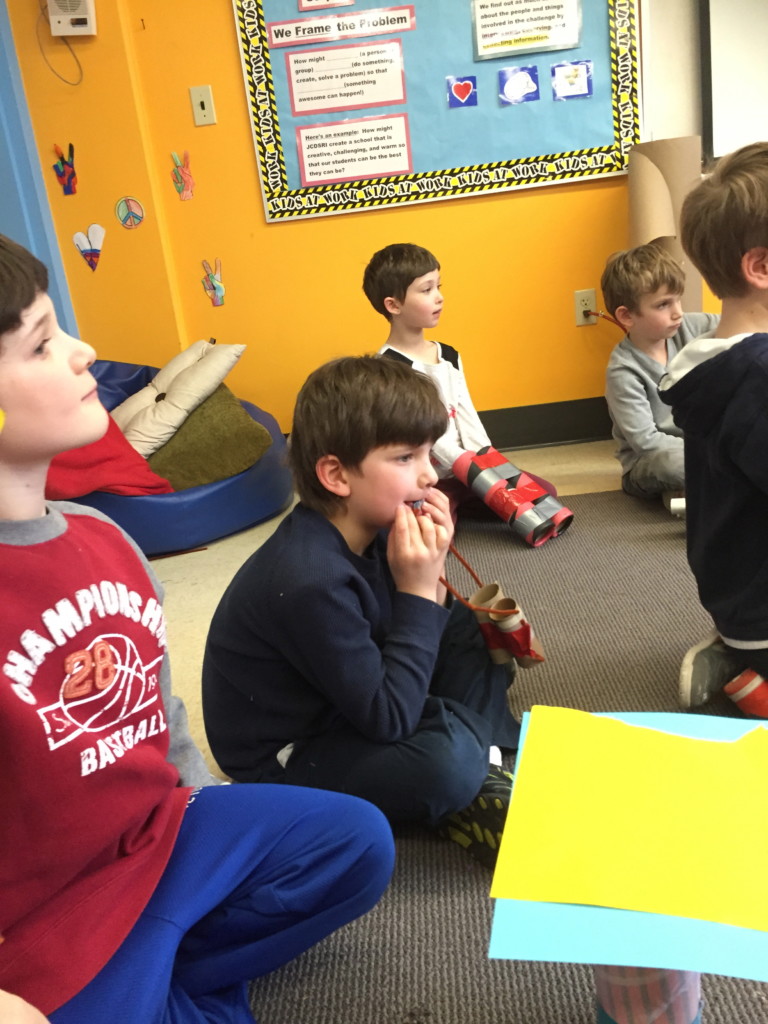
The kids were beyond amazing. I’m not just saying it because they were cute (they are!). The level of their knowledge and understanding of spaceflight was definitely above grade level! The discussions we had during my presentation, the quality of their questions, and just the avalanche of questions they “pelleted” me with, were all unmistakable signs of that. So were their genuine interest in spaceflight and their ability to sustain attention during a fairly long event (I think it lasted more than one hour!). At the end of the lecture, I want you to know how deeply impressed I was. As a parent myself of (now adult) Jewish day school kids, I know how important it is for parents to know that their kids are actively interested in topics of science and exploration. It is from those curious children that we get our best scientists.

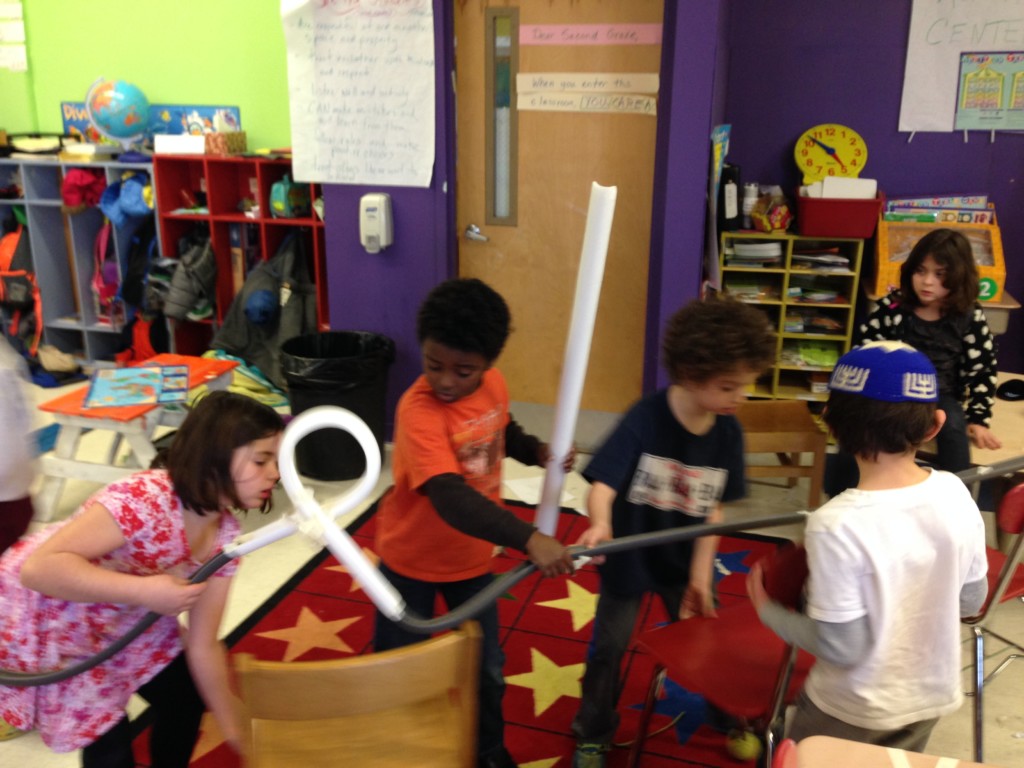
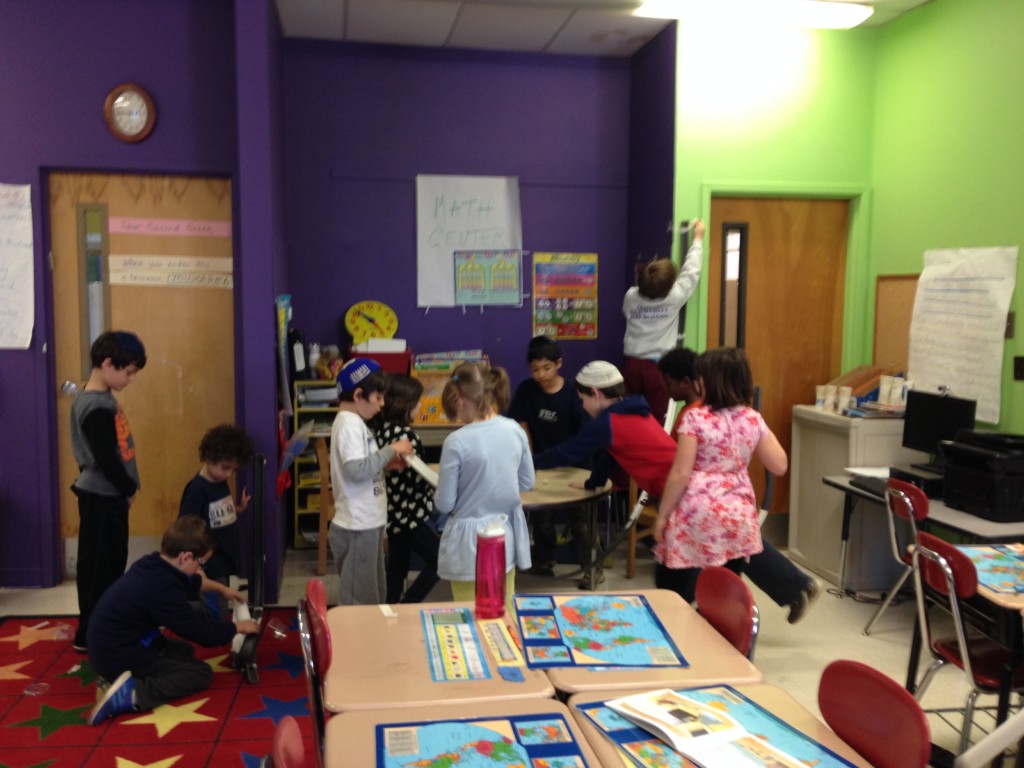
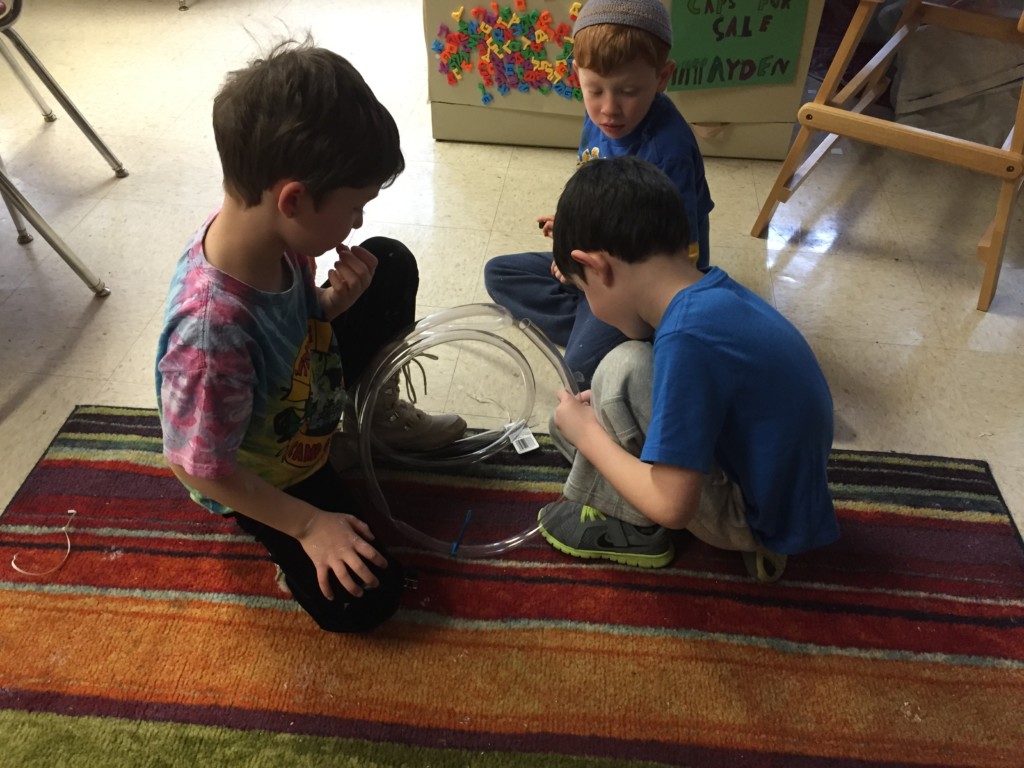
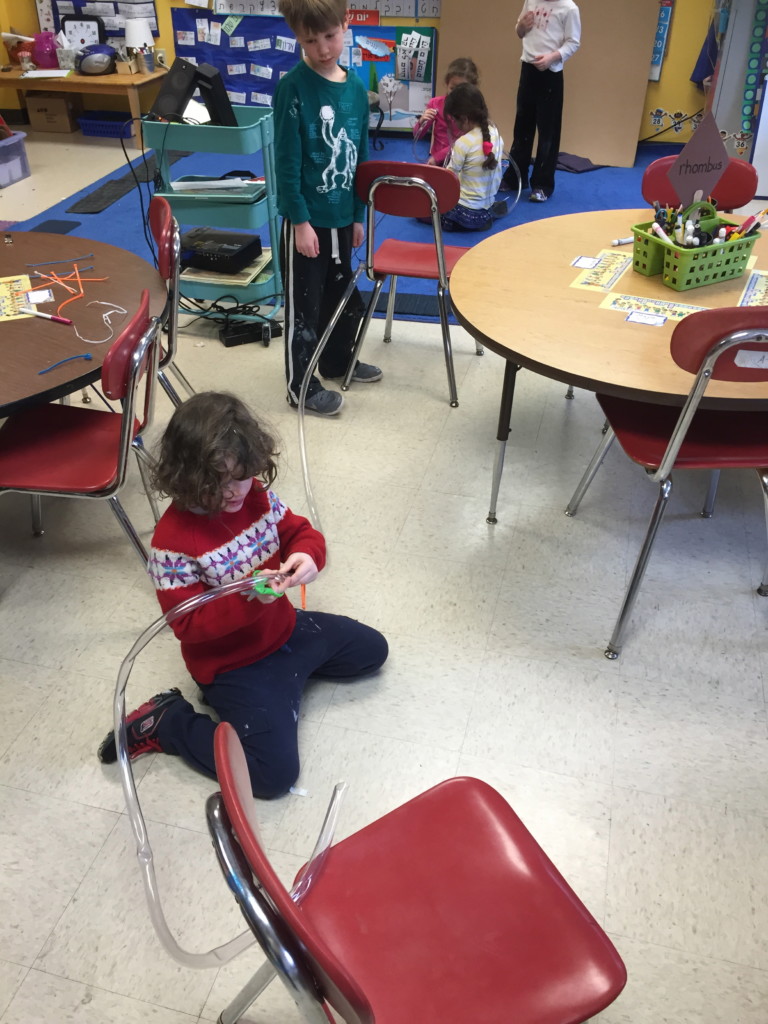
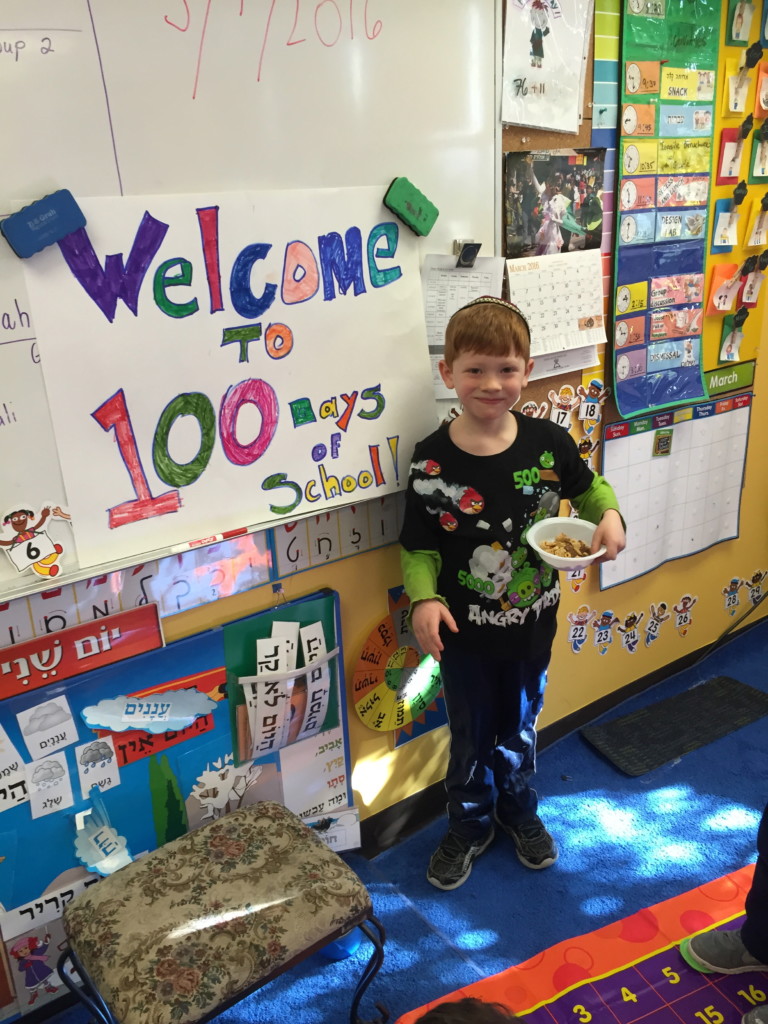
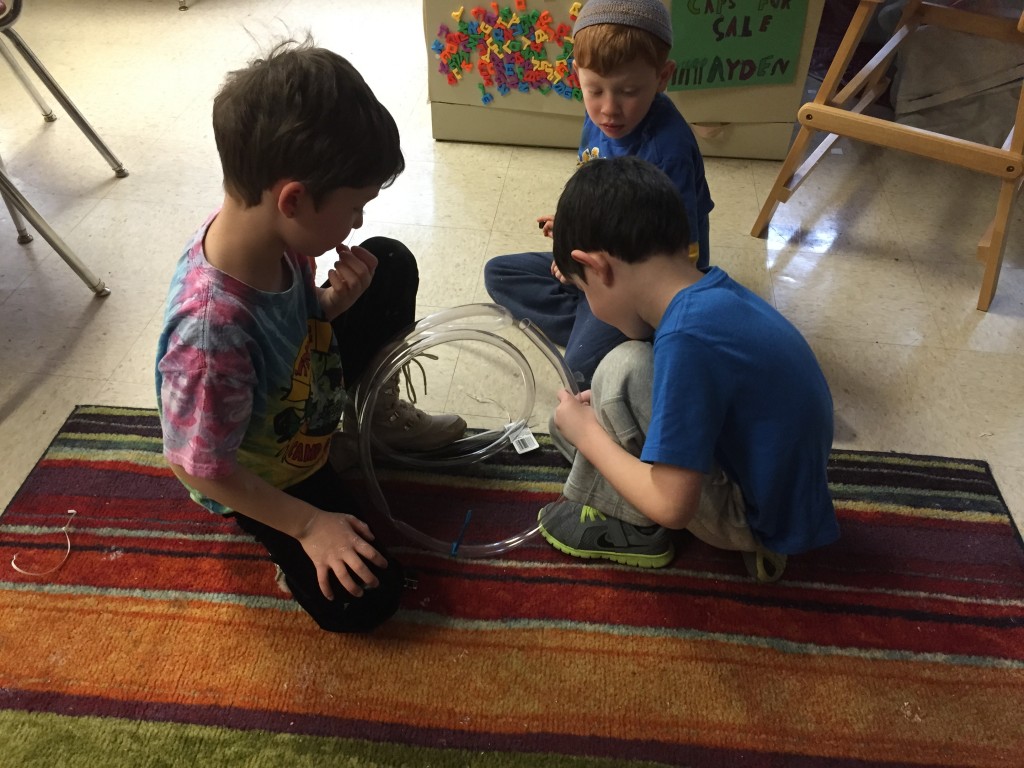
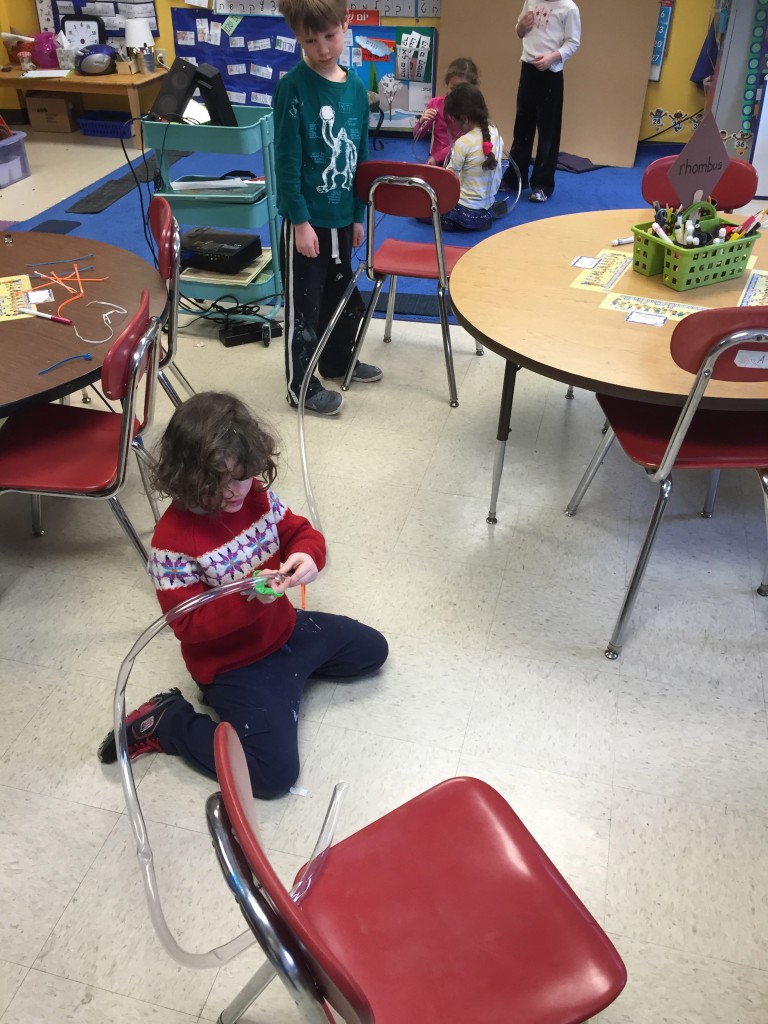
CheIMG_7408ck out some of the amazing photos from last week, when we also celebrated 100 days of school and tested out the 3 laws of motion by attempting to make marble runs from plastic tubing and marbles…..
 

IMG_7409 IMG_7411


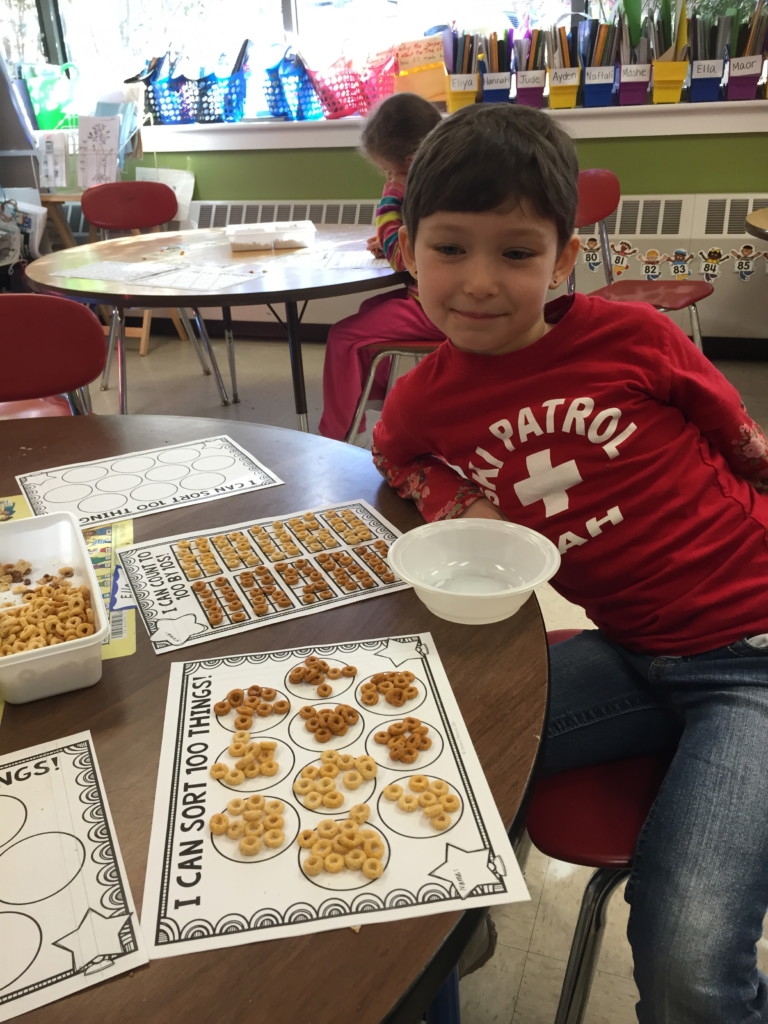
We celebrated 100 days of School last week with an assortment of hands-on activities!


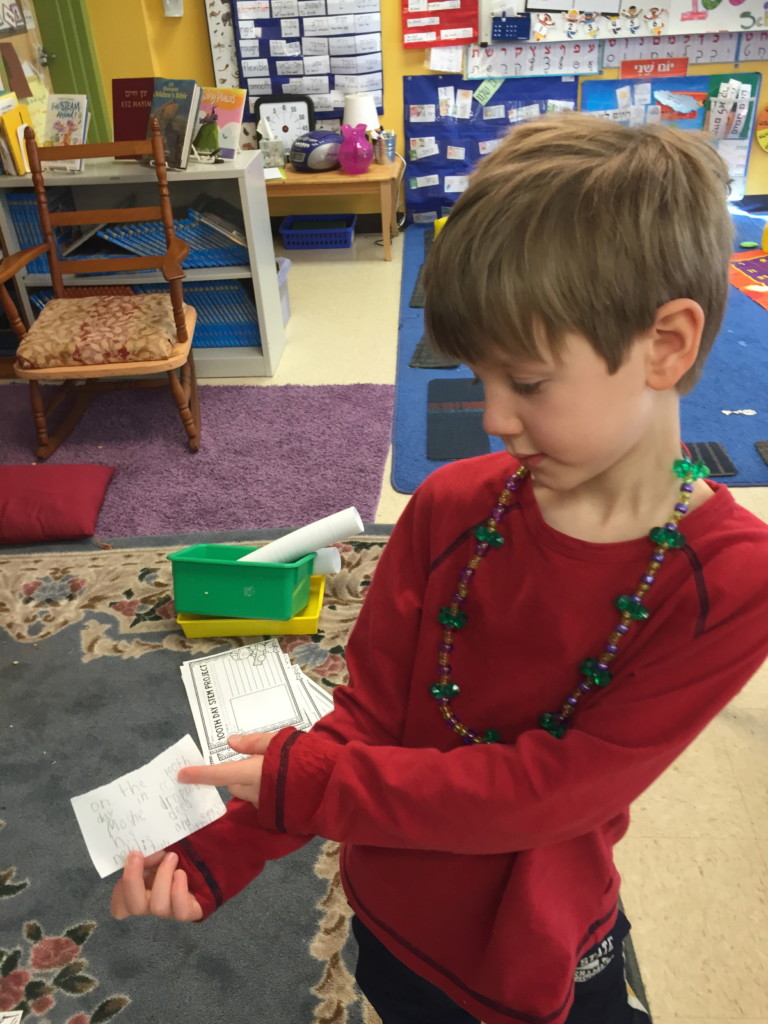
We made 100 bead necklaces…
IMG_7423

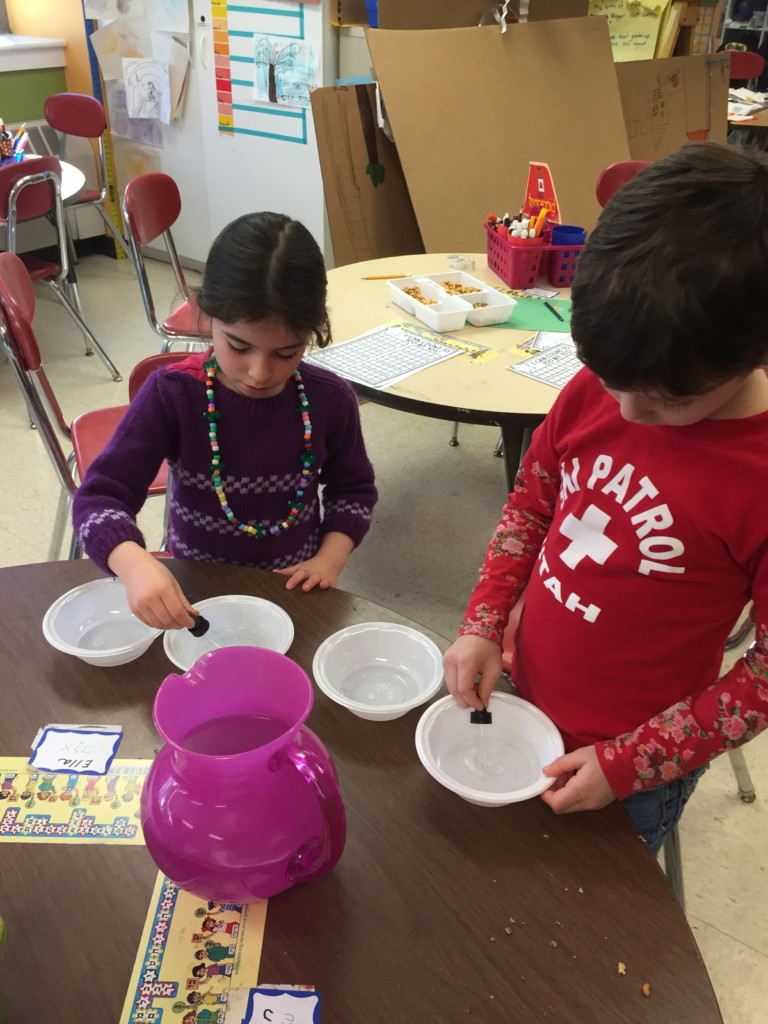
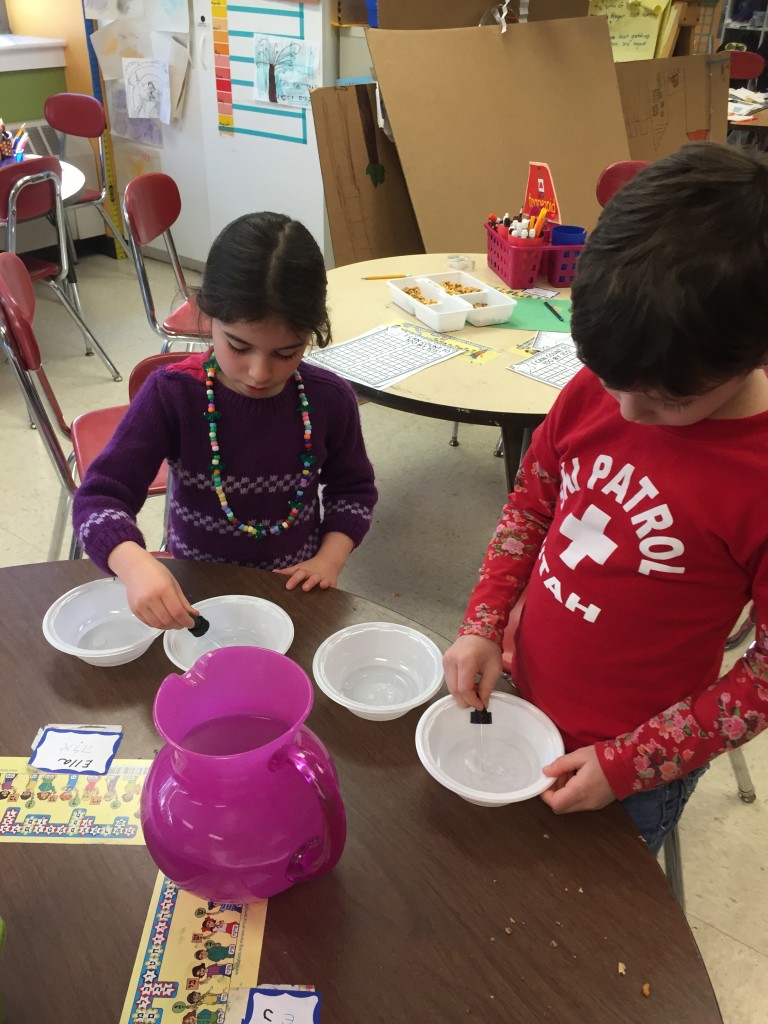
and found out what does 100 drops of water looks like…

IMG_7427

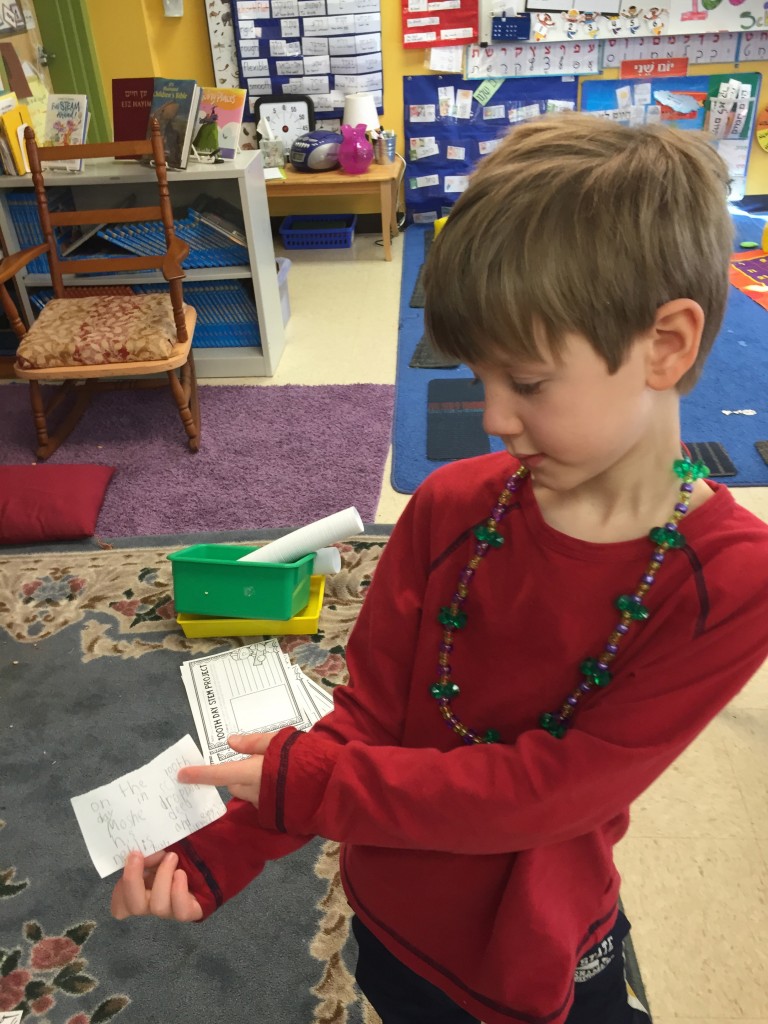
and the number 100 popped up in a note about kindness!


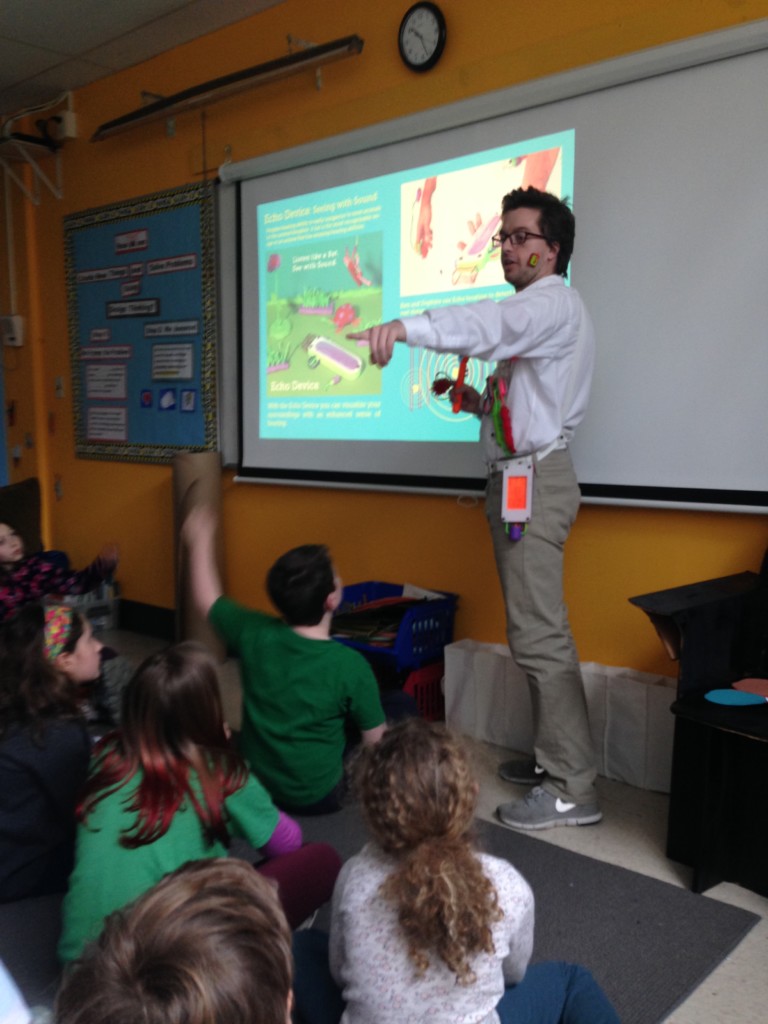
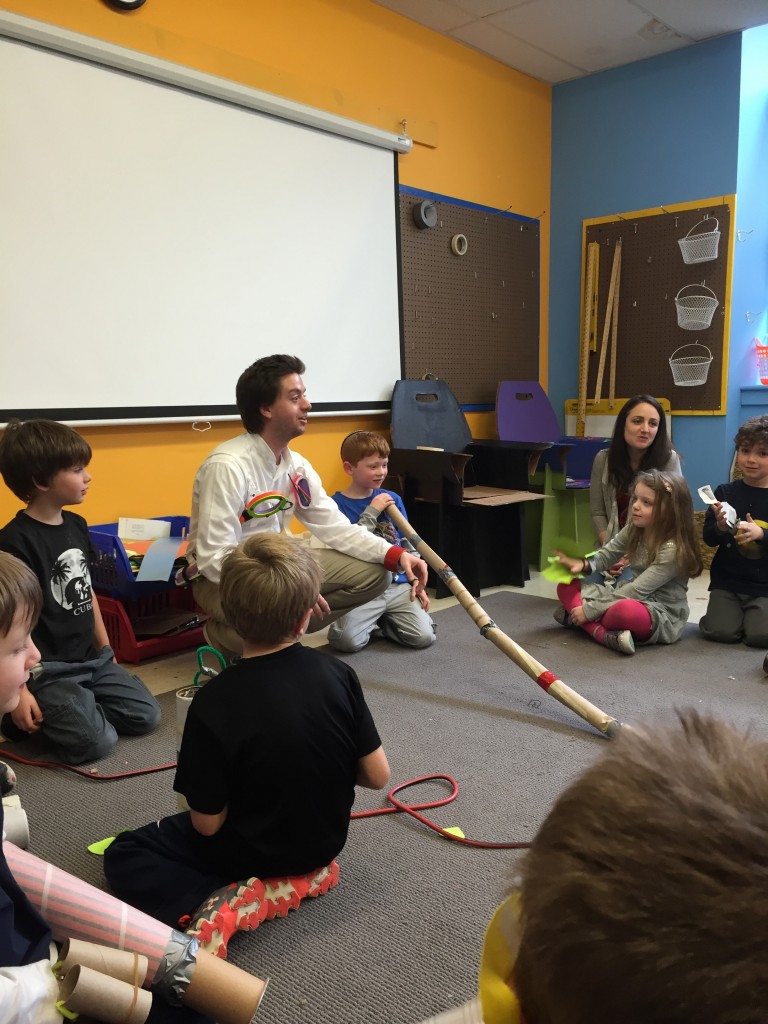
Our STEAM RISD/Brown Liaison, Anthony gave a fantastic workshop about animals adaptations that amplified oIMG_7440ne of the senses.
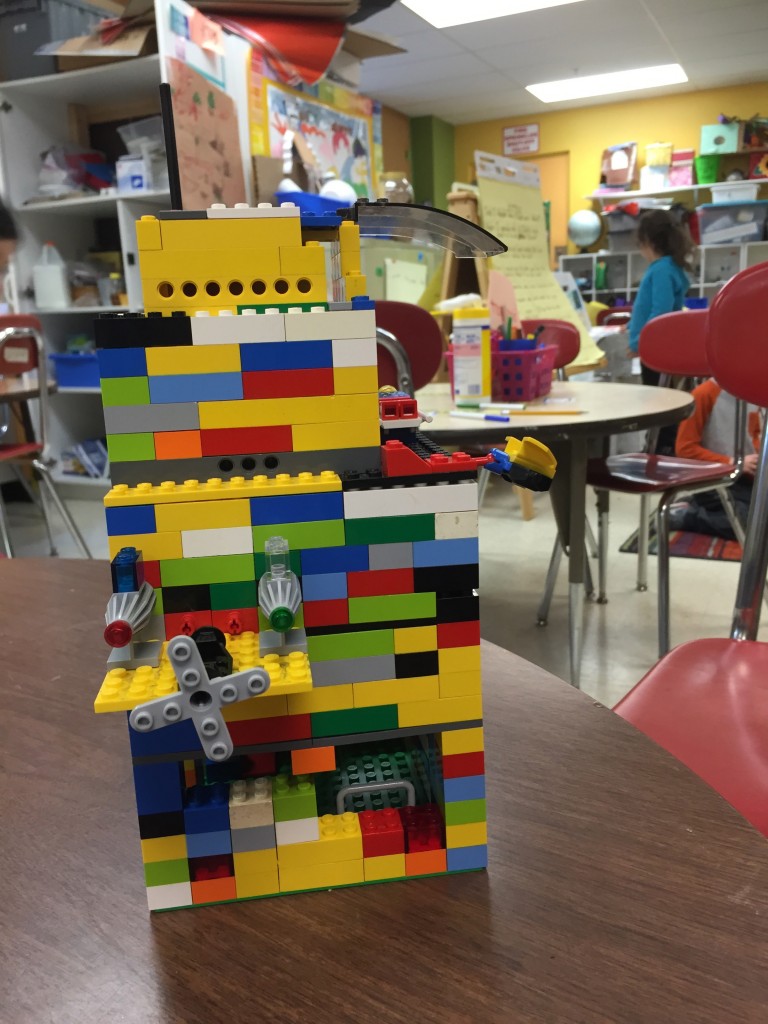
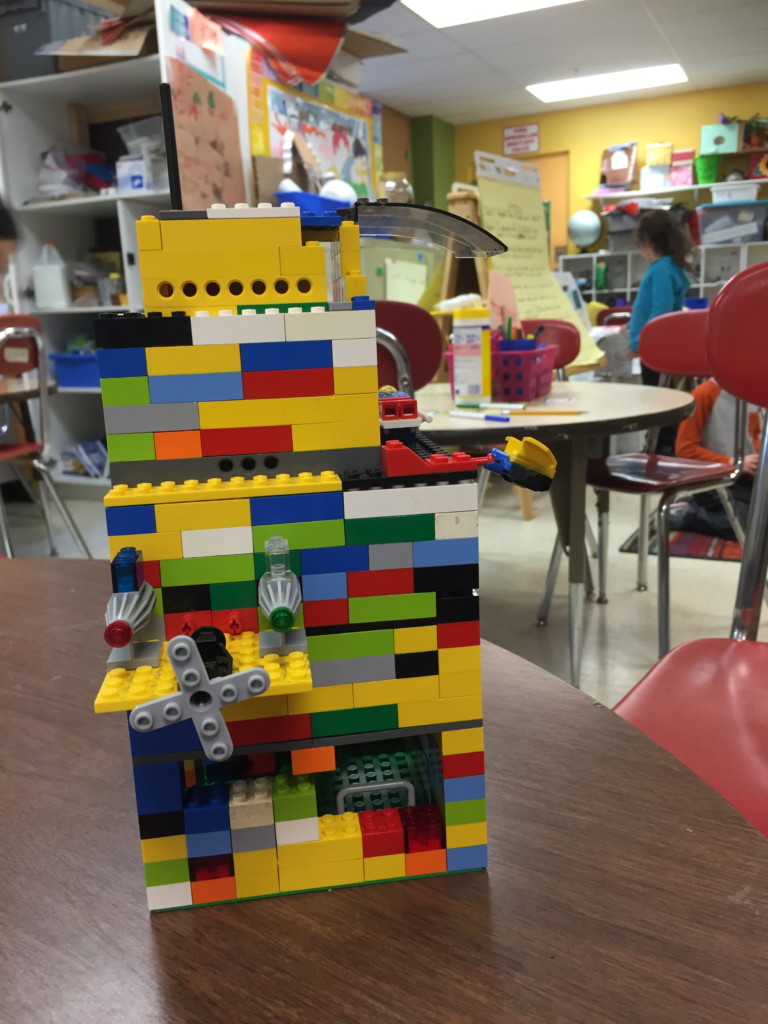
IMG_7441Above is a STEAM-inspired Lego creation.


Full STEAM Ahead

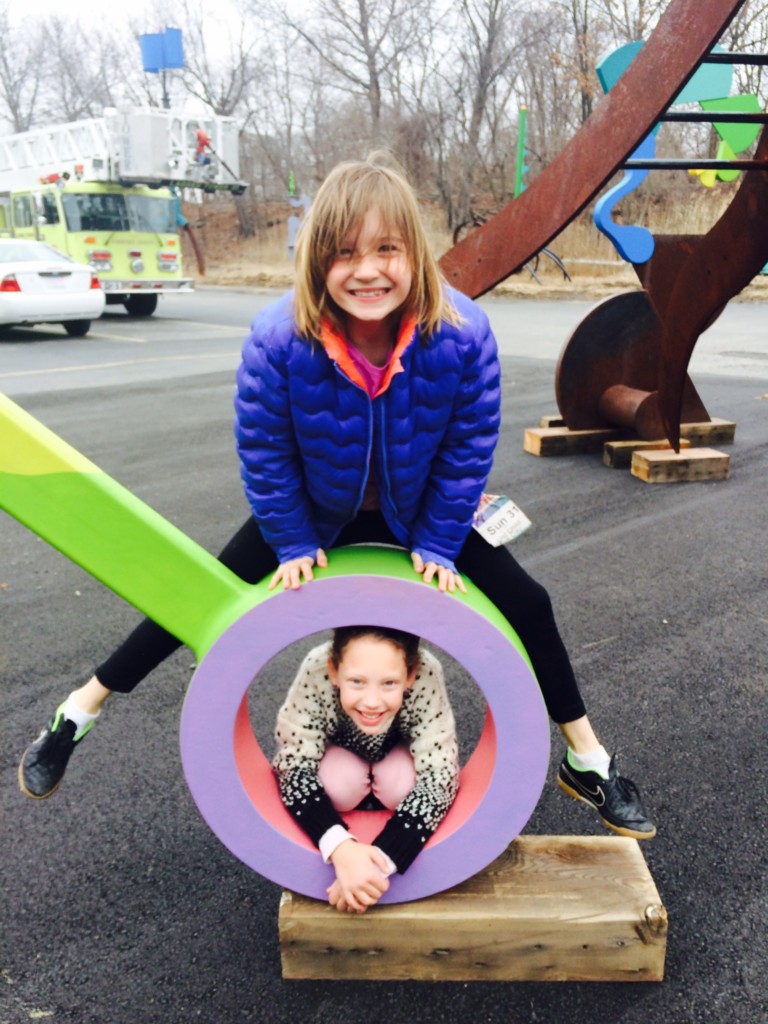
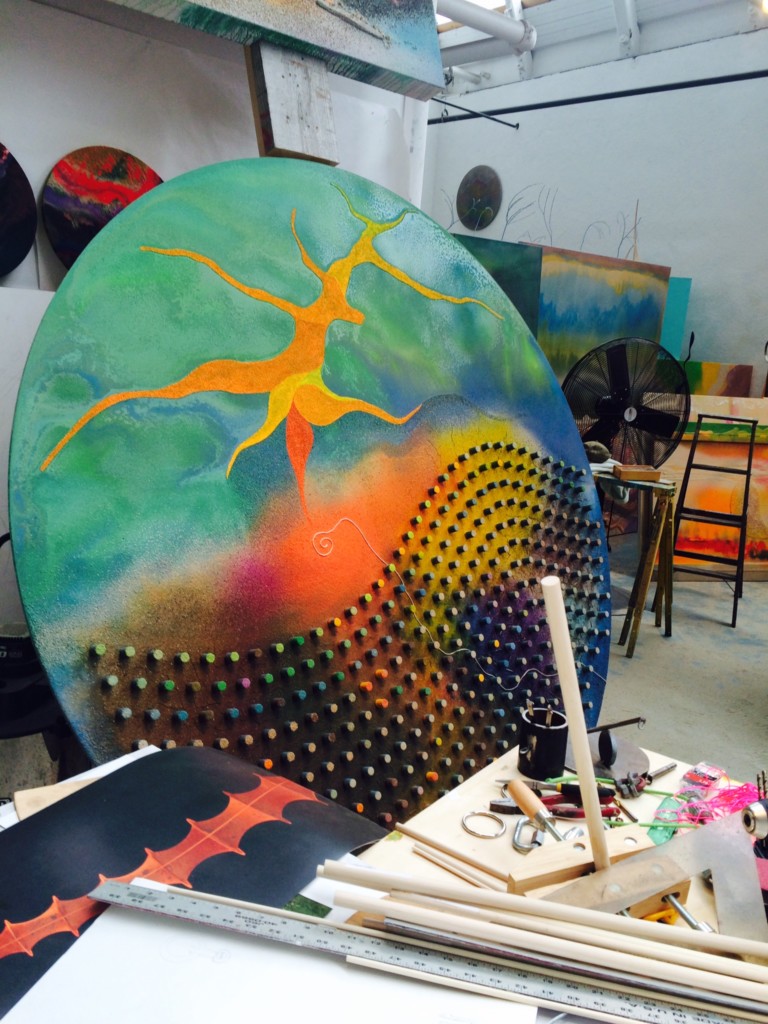
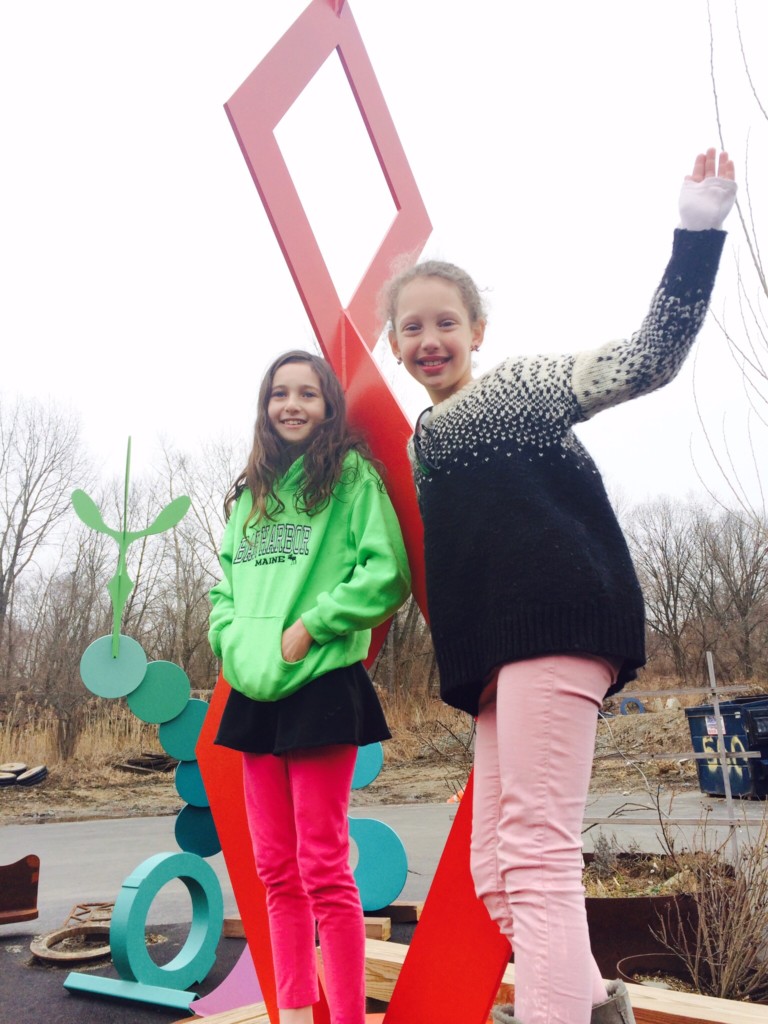
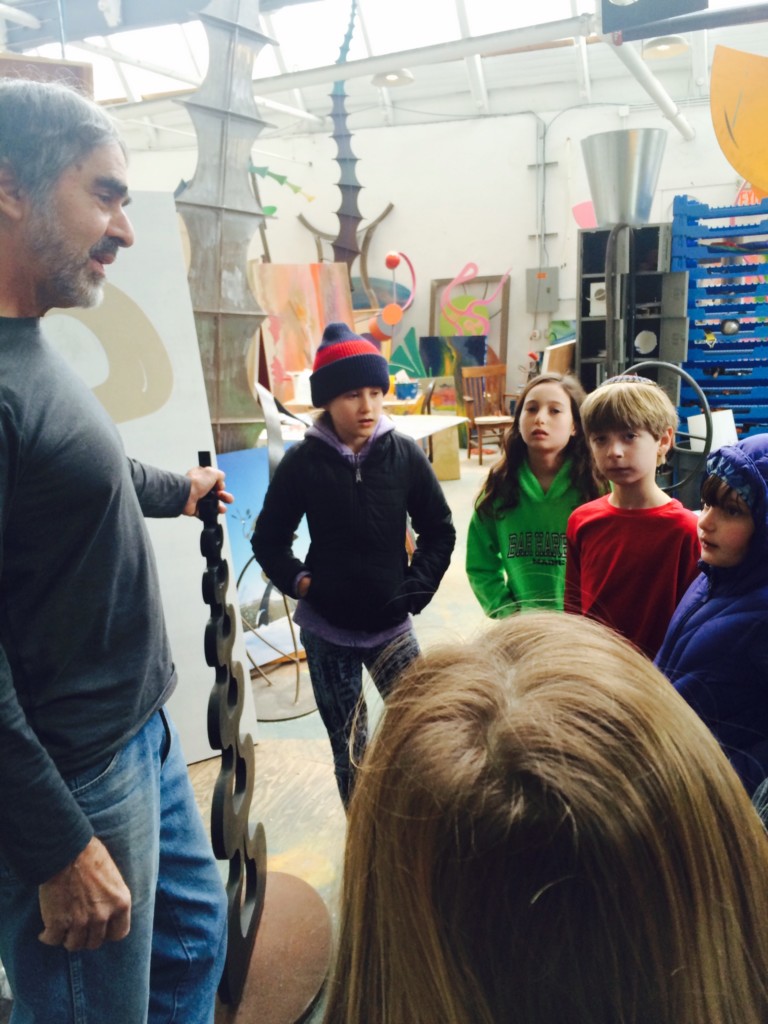
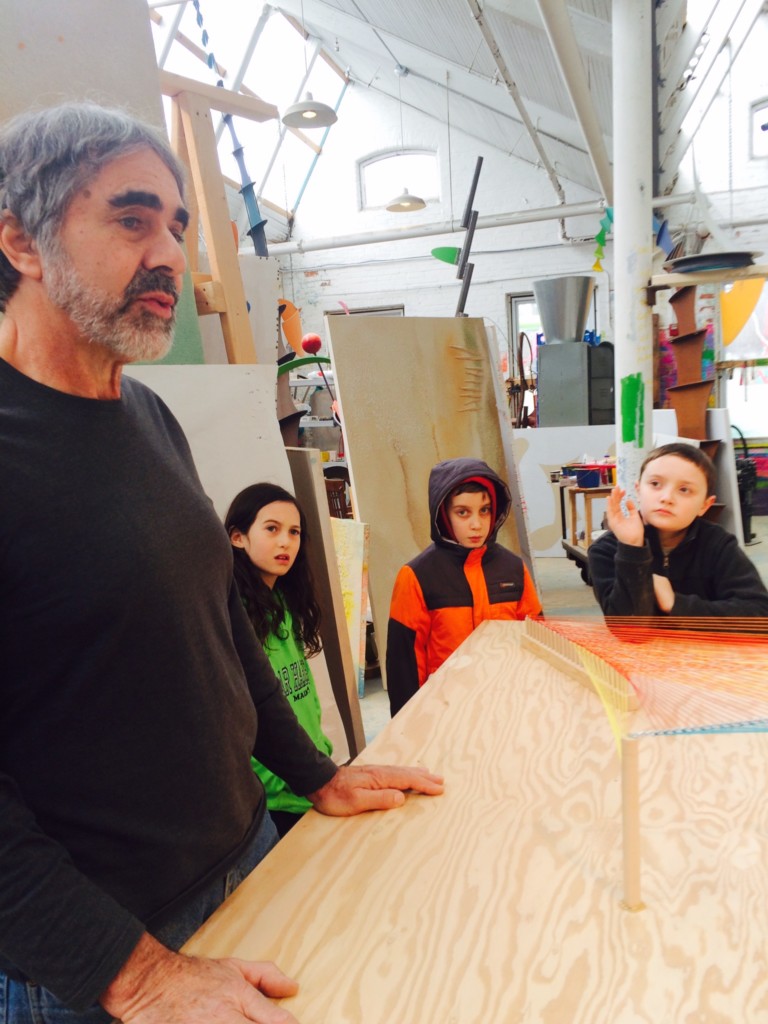
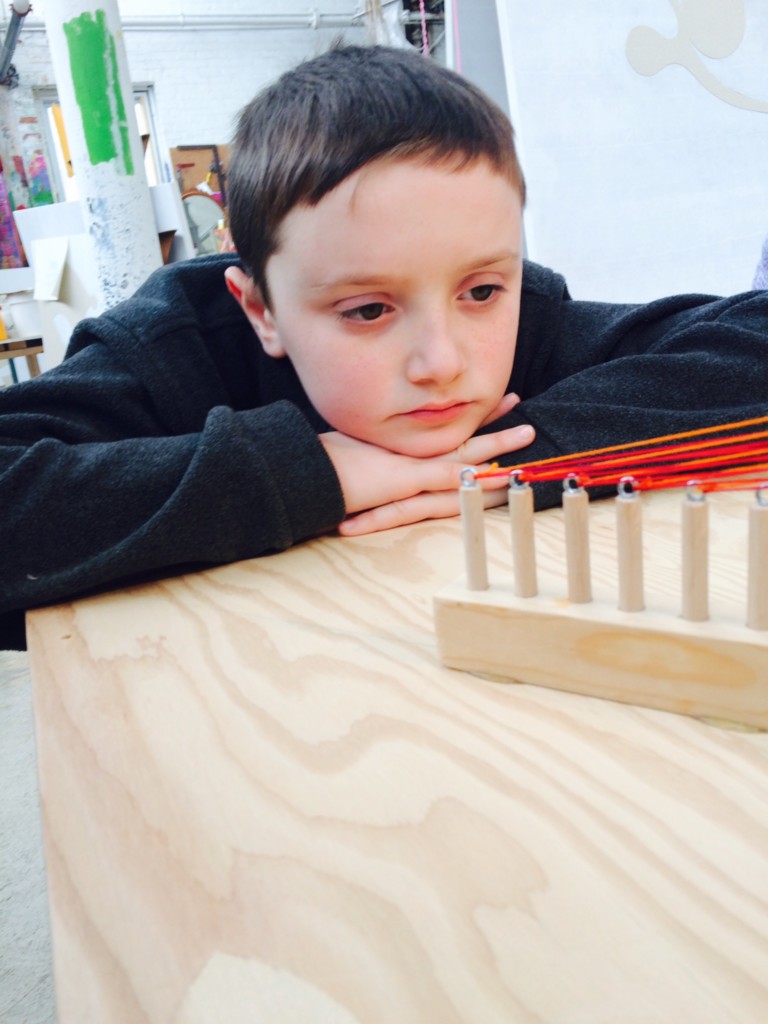
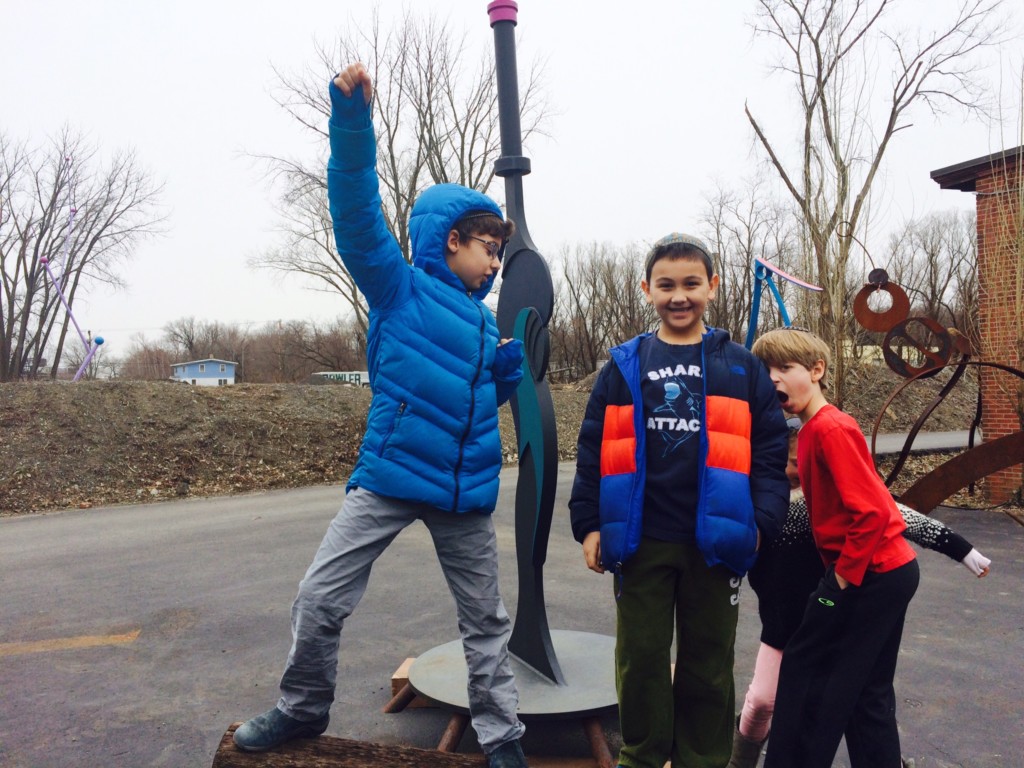
On Friday, March 4th, the fourth grade class visited the studio of Rhode Island based artist Donald Gerola. His sculptures can be seen in various locations around Providence and around the world! We were given the unique opportunity to see where he creates and learn more about his style. We explored his amazing steel sculptures (some of which are over 30 feet tall!!), his prototypes, and paintings made with mixtures of sand, pigment, and natural materials. It was affirming to see that “real artists” use some of the same strategies we use when creating. Just like us, Mr. Gerola makes models and plans for his work, shares his ideas with other people, and works in collaboration with others to bring his ideas to life.

image6
image16

It was such a privilege to spend the morning with Donald, and we are so grateful that he opened his studio to us!

image2              image3  image5                image7 image8  image10

Rhode Island History Come Alive!

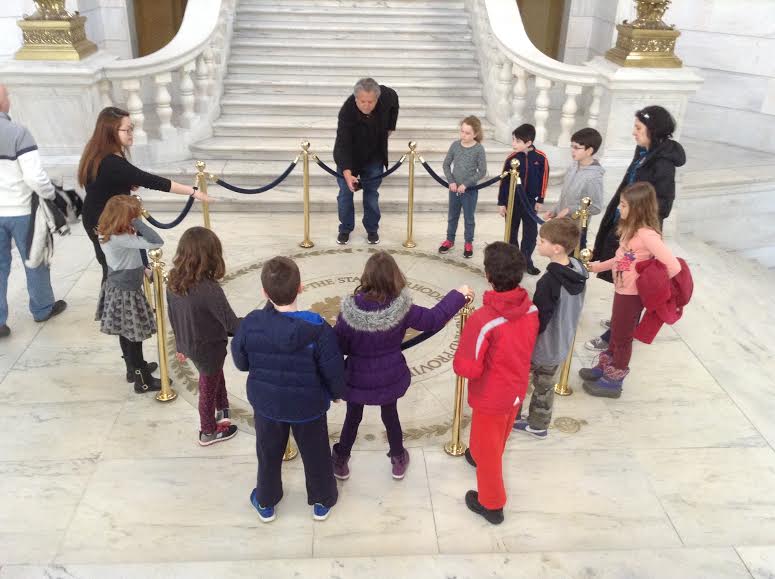
The third graders have been busy learning about the founding of our state, Rhode Island. After reading and writing about it, we took the bus to see the places we read about. Our first stop was the State House in Providence where we saw th6ca4e1bc-b645-44aa-b3d7-61683f8743a2e actual charter they used to establish the colony of Rhode Island and Providence Plantations. Along with the charter, we saw some artifacts from Roger Williams’ time, including a book he wrote himself.

Next stop was the Roger Williams Memorial Park down the street to see the well Roger Williams used to found Providence. After m0733e33b-ce5d-4021-baf2-e32002e7a660arveling at how small it seemed, we went to the visitor center where we were able to see another book Roger Williams wrote. This book was about Native American languages. We also saw paintings depicting Native Americans and Providence in 1636. Everyone agreed it was an interesting and exciting field trip. We are eagerly awaiting a representative from the National Park Service to come visit our class and teach us more about Roger Williams.


To be wrong is the right way…

Common belief is that if you are wrong or didn’t get the right answer, you can not learn anything. This myth causes our kids to develop a fear of failing, fear of saying the wrong answer, fear of not being right – they often don’t see that making mistakes helps you find the way to be right, and, most importantly, that there is NO learning without making mistakes. That was the lesson my students learned this week. I introduced them to Albert Einstein’s story: when he was a child, his teachers told him, ” No flower will grow from this field.” Can you imagine what would have happened if had listened to them and stopped trying to make “mistakes?” It could have been a great loss for humankind.

Maybe we don’t need bridges anymore…

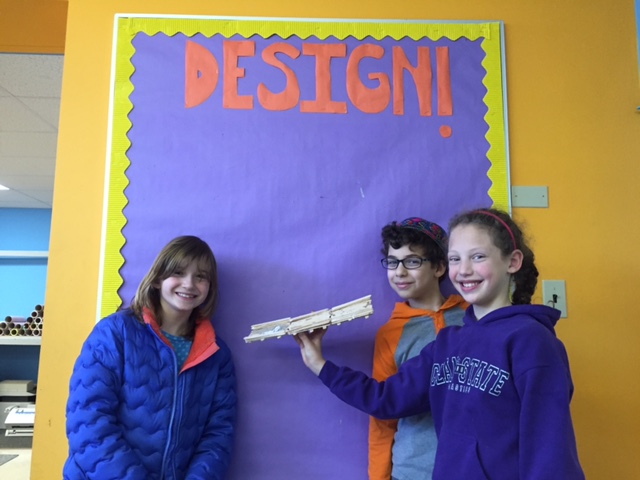
As it turns out, bridges are tough to build. Especially with constraints. Students were only allowed to use 100 popsicle sticks and white glue to build their bridges! Constraints drive creativity. Third graders persevered and learned to ‘fail forward fast’ and have a ‘bias toward action.’ Fail forward fast inspires designers to go with their instinct, build fast, and evaluate effectiveness of a prototype soIMG_6672 that they can move quickly onto making a better prototype. Similarly, bias toward action inspires designers to, again, go with their instincts rather than pondering the potential effectiveness of a prototype. In design lab, we do more and ponder less.

As of now, the bridges have been built, but not with complete success. In design lab, however, children know that they learn from failure and that it will only help them with the next prototype they build.

The innovative nature of the students in this classroom is evident. While monitoring the prototyping process, I overheard a small group of students whose building wasn’t going so well talking to one another: “If we were bridge builders, we would teach cars how to swim.”


Jingle Project! (Video)

During the last few weeks in music class students have been working in groups to create their own products or stores and write corresponding jingles. Later, we used the products and jingles to create whole commercials! Students came up with so many creative and interesting jingles and commercials!

Here is an example of one of them:

Want to see more JCDSRI Jingles? Check out our Youtube playlist here!

Chet is for Chatul

We had such a wonderful time creating the letter  CHet with blocks!

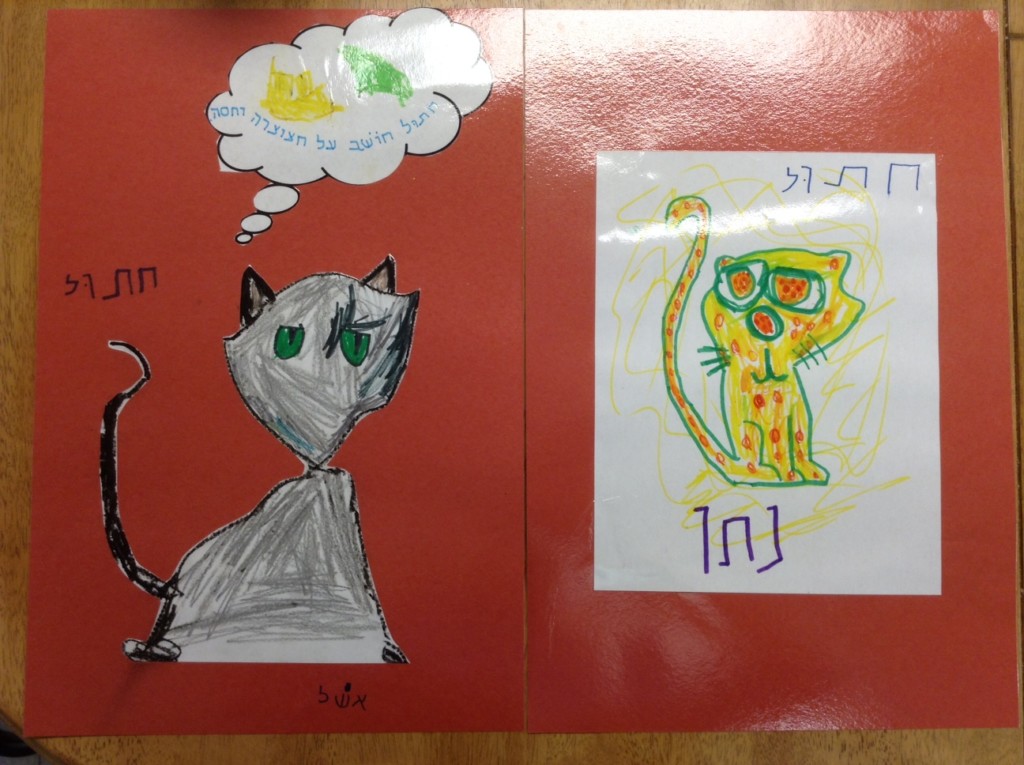
Students are able to recognize this letter in the words CHallah, CHalon (window), CHumus, CHanukiyah (menorah for Chanukah),  CHatul (cat). Ask your kids to tell you more words they know that begin with the letter Chet!

After learning many new words, we then realized we could draw a CHatul (cat). With this new word we decided to introduce two verbs so that we could make actual sentences. The verbs we learned were CHoshev (to think) and CHolem ( to dream). For our final projects, we created pictures of the most beautiful cats inspired by different artists.

Finally we celebrated Shabbat with CHallah, CHumus and CHamutzim!


IMG_1692


IMG_1694

The Rag Coat Tradition Lives On

The Rag Coat

The Rag Coat Lives On.....

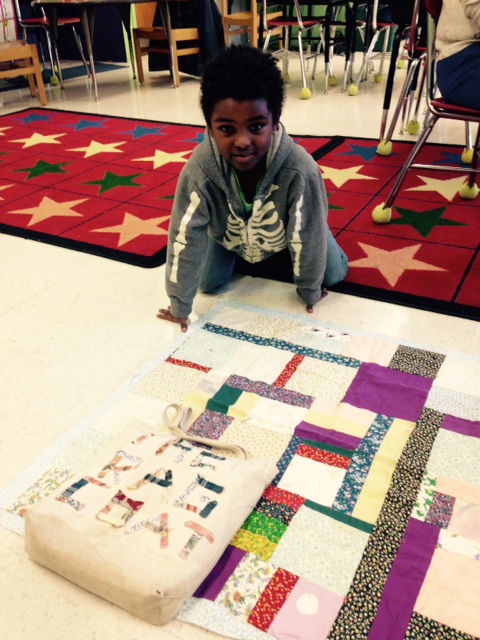
Students in the second grade class continue the wonderful tradition of celebrating literacy with family members over a cup of hot chocolate. Since 2001, students at JCDSRI have been taking a very special book bag home to share and enjoy with their families. Inside the book bag is not just a book and some materials; it is an intimate family experience. Families first jump into the weathered bag to read the “Things to Do” list, then put on the magical thinking scarf or hat, and snuggle together while reading the beautiful story by Lauren Mills, The Rag Coat.

In this story, we are reminded that “people only need people.” I won’t give too much away, but you can ask one of our second graders at JCDSRI, any student in grades 3-5, or one of our alumni. One of the most special aspects of this project is when a student brings back one of their special fabrics to share with the class. In the story, Minna’s community comes together to sew a winter coat for her because she does not own a coat. The coat is made from material that other families brought from home, and each piece is special and tells its own unique story. When our JCDSRI students come together to share their “special something,” it is amazing to see the way it also brings our own community together.

They will not learn from you, if…

People might think that teaching is easy; after all what do we need to do? “Just come ready with the lesson plan and teach the kids because we are here to teach and the kids are in the class to learn. At the end of the lesson, just ask, ‘questions anyone?’ and you’re done.” Right??? Wrong!

We, as Educators, have to observe and look deep in to our kids eyes, look in to their souls to see how we can make our time with them valuable and meaningful by showing them that we really care for them and about their interests. I am not here just to give them the curriculum; instead, I pay attention to how they feel and what they care about.  I was listening to a speech by a person who has been working for the past 40 years as a teacher, and she said something that really resonated for me: “Students can NOT learn from you if they don’t like you.”  That is totally true! So before the lesson starts, I always ask my students, “How do you feel today?” They know I mean it, and they know I care, and that relationship is the key to their learning.