fbpx

Hello from Iowa!

iowa 3

The second graders were ecstatic about receiving letters from their pen pals in Iowa!  They wrote to a group of second grade students at the Washington Elementary School in a small town in Iowa. Why? First and foremost, because of an amazing connection with our third grade students. The story began last year when our second grade students decided to donate their Read-a-Thon funds to an animal shelter in Iowa after months of research. Thisiowa sparked quite a bit of attention in both towns because our students cared immensely about saving animals that couldn’t be saved. It also began an amazing relationship with a community so different from our own, yet still so familiar. Our goal is to Skype and continue to correspond with our new friends. And…who knows what could happen next! 🙂


Welcome to the Shark Tank

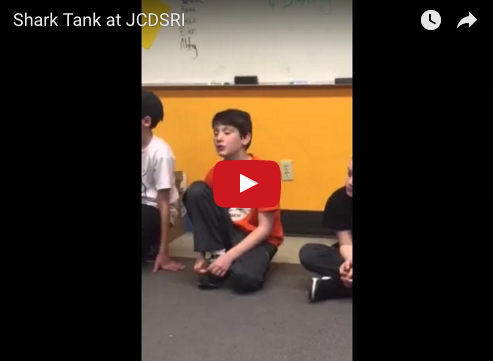
For students in grades 3-5, the design lab has been transformed into a Shark Tank. The TV show Shark Tank, regularly aired on ABC, inspired me to challenge students to create something worth selling and that would convince sharks to invest in. While many students created prototypes, others, like Ezra, were billionaire investors (aka “sharks”). Ezra took it upon himself to interview the designers in his class in order to get an idea of their products, past sales, current locations, offers, and valuations prior to their pitches.

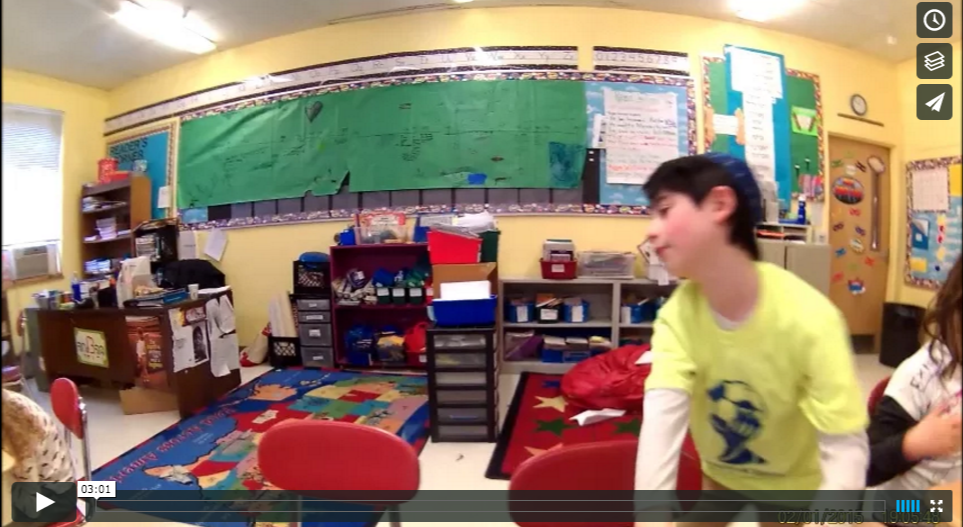
The following video is brought to you by students in the fourth and fifth grade. Cooper is pitching his product, Your Home Security. Welcome to the Shark Tank!

Who Is in My Heart?

When we learned the letters kaf and lamed, we were busy with Purim, but it was a great opportunity to connect it with this special holiday.

First we learned the three ways that we can use the letter kaf and its placement in words. The children are able to recognize the words ken (yes),  keter (crown), kol hakavod, kesef (silver/money), katom (the color orange), kachol (blue), and kis (pocket) for the letter kaf. For projects, we filled  khaf with  masechot (masks) and filled khaf sofit with a drawing of a melech (king). We couldn’t finish learning about Purim without filling in our kaf with glitter in the color of kesef (silver) or katom (the color orange), and we made a keter (crown) for Achashverosh. Lastly, we discovered that the word kis means pocket in Hebrew. After the kis (pocket) project, the children got a chocolate kiss from my kis (pocket).

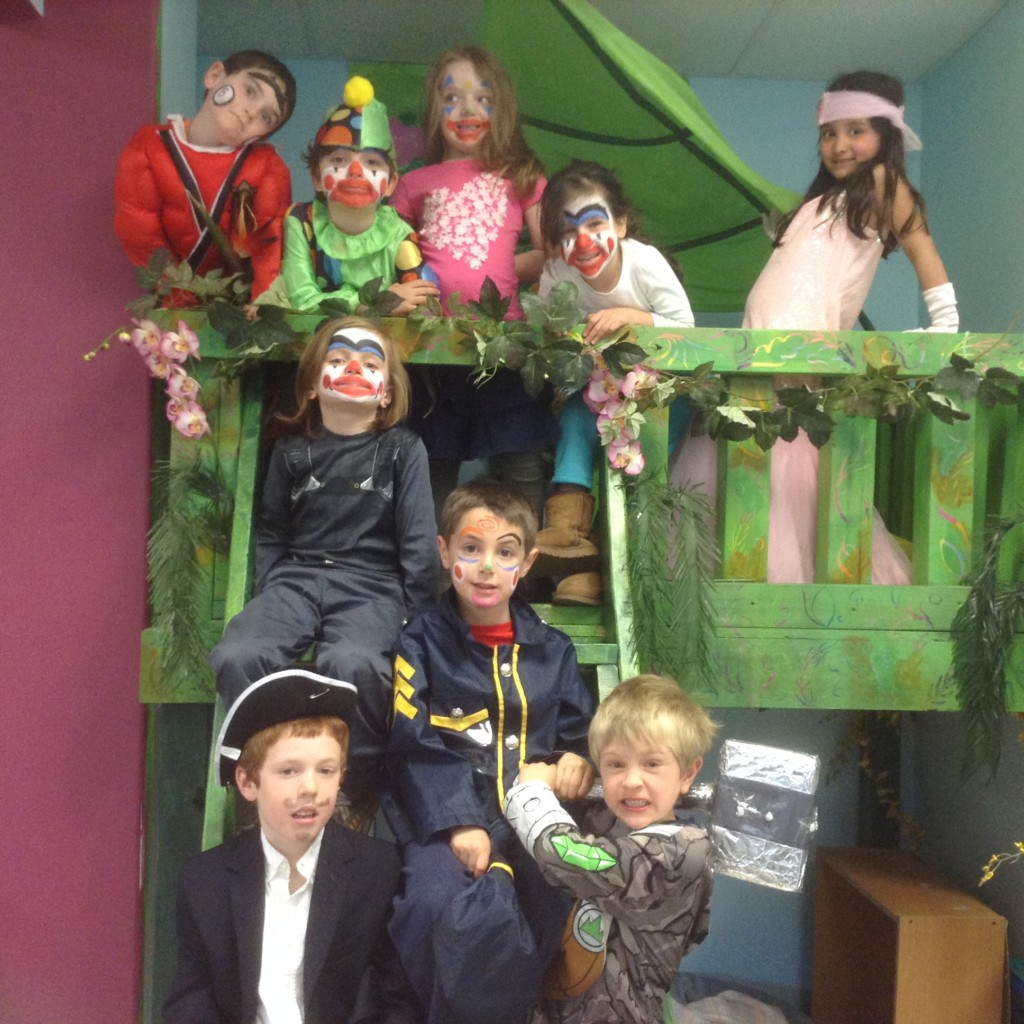
We had so mIMG_1896uch fun learning the letter lamed. First we got our faces painted as leitzanim (clowns) and we learned the song “leitzan katan sheli” (my little clown).

Then we had a beautiful discussion about what’s in our  lev (heart). We not only had fun making a project about it, but also sharing our thoughts with our friends.

Once we finished learning the letter lamed, we realized we could string letters together and read many words from our excellent vocabulary.

We are so excited!

The Mitzvah of Consolation

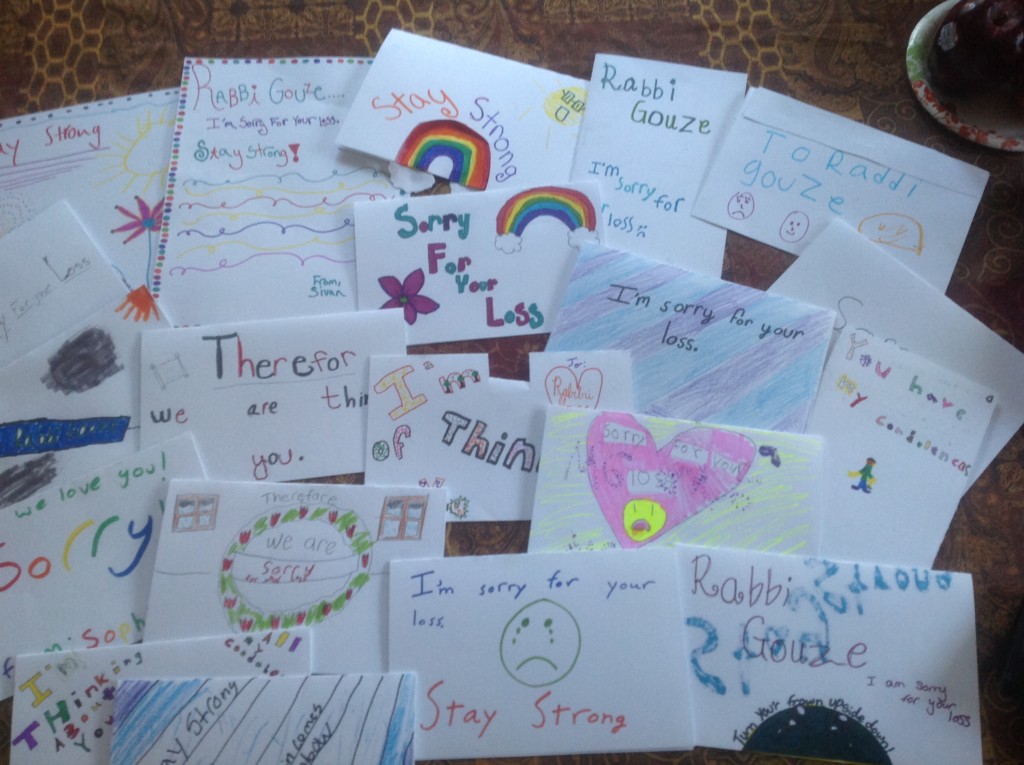
While I was out of school to take care of my Dad and then, to sit shiva (the seven day Jewish mourning period after a funeral), the students continued their academic learning. But they also participated in the very important Mitzvah of comforting a mourner. With teacher support, they talked about grief and loss and then used some time to write cards of consolation and support. When I returned to RI to sit for the last couple of days, many of the students came to my house to offer their condolences. Waiting on my desk in school was a stack of beautifully hand-designed and written cards that encouraged me to be strong and to look for the rainbows after the rain. I cannot begin to express the deep sense of gratitude and consolation that I derived from these gestures. They were incredibly meaningful and touching and underscored that the values that we are trying to impart through our curriculum and culture at JCDSRI are truly understood and being incorporated into the identities of our students.

imageThis has been a difficult time for me but knowing that our students are truly living by the values which we are teaching has brought me much comfort and has filled me with a deep sense of gratitude and blessing that I am a part of this community. Thank you.

The Three Little… Prototypes

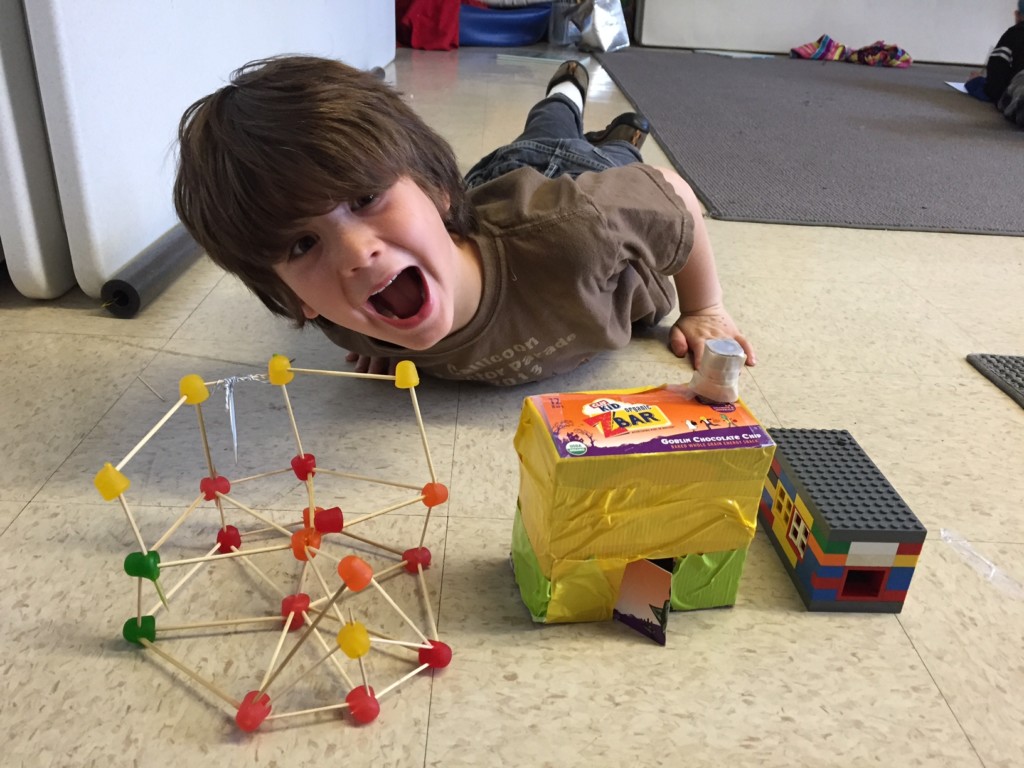
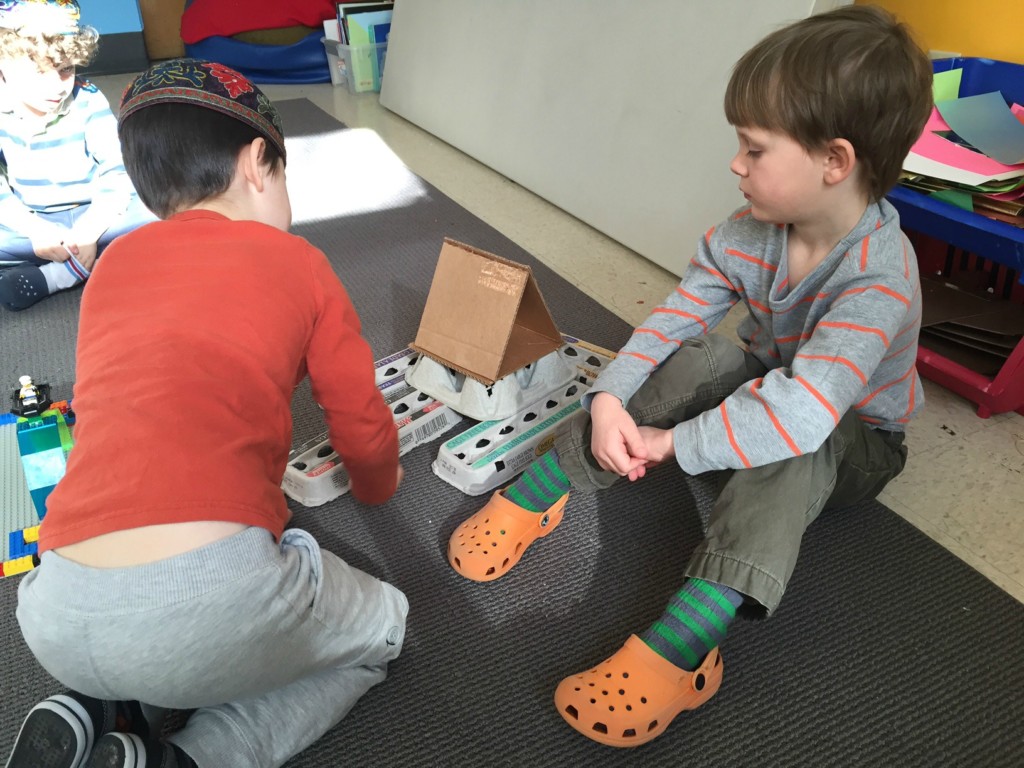
We’ve all heard the story The Three Little Pigs, but have you read The Three Little Javelinas? In PreK, kindergarten and first grade, we read The Three Little JavelinaIMG_6880s by Susan Lowell and talked about how the two stories are similar in some ways and different in others. In both stories the first house gets blown down very easily. The second house is a bit stronger, but not by much. The third house, however, won’t budge! In the design lab, we recreated the three houses that appear in both of the stories.
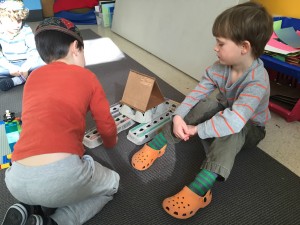
We explored different materials in the design lab and created our own houses that represent the three houses in the stories. Many of uIMG_6893 (1)s noticed that by utilizing the Design Thinking tactic of rapid prototyping, we could create better, stronger structures. Rapid prototyping is used by both adults who use design thinking concepts in the workplace and children at JCDSRI! It means that we build things quickly in order to learn from our mistakes and to move onto the iteration and improvement stage of the process.
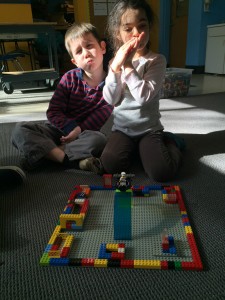
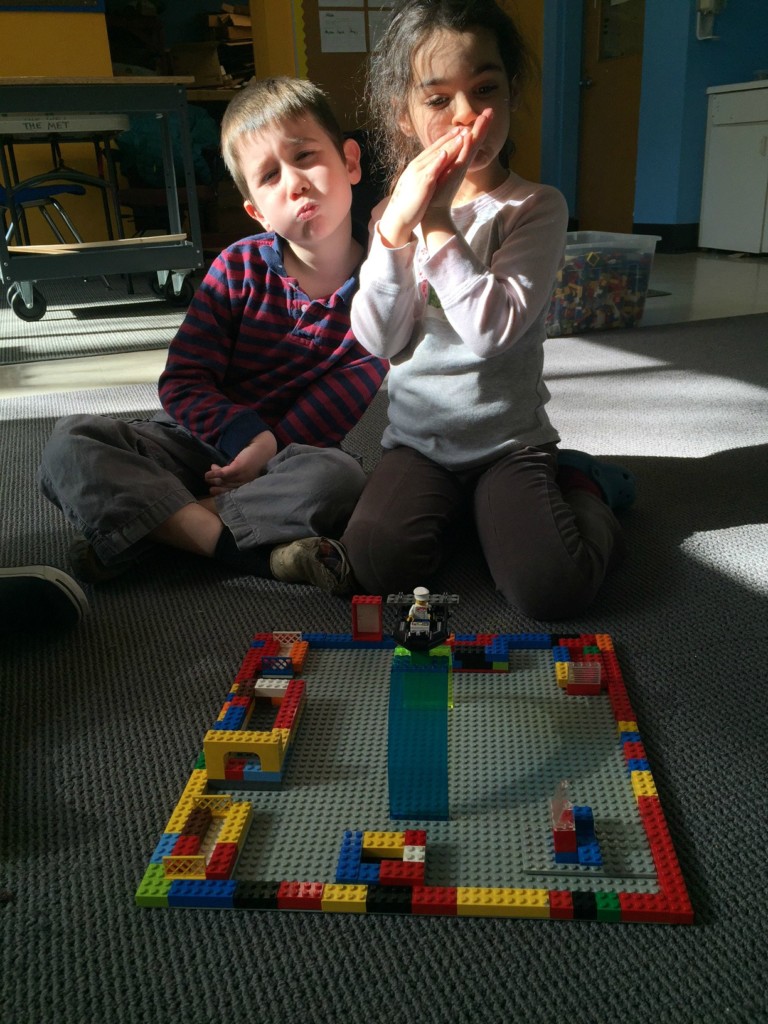
Next, we tested our structures by blowing a hair dryer on them. Of course, children gave fair warning by yelling, “I’ll huff, and I’ll puff, and I’ll blow your house down!” Finally, we decided what types of characters (or objects) might be in our own ThreIMG_6919 (1)e Little somethings stories!
In PreK, we decided that we all wanted our story to be The Three Little Fish and the Big Bad Crocodile. One of our Lego structures had some interesting safety features, including a trap station to catch the crocodile and a lookout tower.

Kindergarteners decided that they wanted to create their own story titles. In the end, however, we noticed that we liked the titles of our friends. Eden, Millie, Ben, Eshel, and Meital created a story titled The Three Little Socks and the Shoe. Nathan, Bentzi, and Zemer titled their story The Three Little Scooby Doos and the Monster. Malcolm, and Aeden decided on The Three Little Monkeys.

First graders were proud to create their own individual story titles:

Naftali… The Three Little Ships and the Big Bad Star Destroyer
Maya… The 100 Little Army Ants and the Tilting Earth
Simon… The Three Little Snakes and the Lion
Elie… The Three Little Basketball Players and the Big Bad Basketball
Jude… The Three Little Leaves and the Grasshopper
Hannah… The Three Little Dwarves and the Giant
Moshe… The Three Little Squares and the Big Bad Triangle
Ella… The Three Cupcakes and the Cake
Maor… The Three Little Snakes and the Big Bird
Ayden… The Three Little Critters and the Big Bad Critter
Hadas… The Three Little Bunnies and the Cat

The Emperor Penguins of Antarctica

037 034

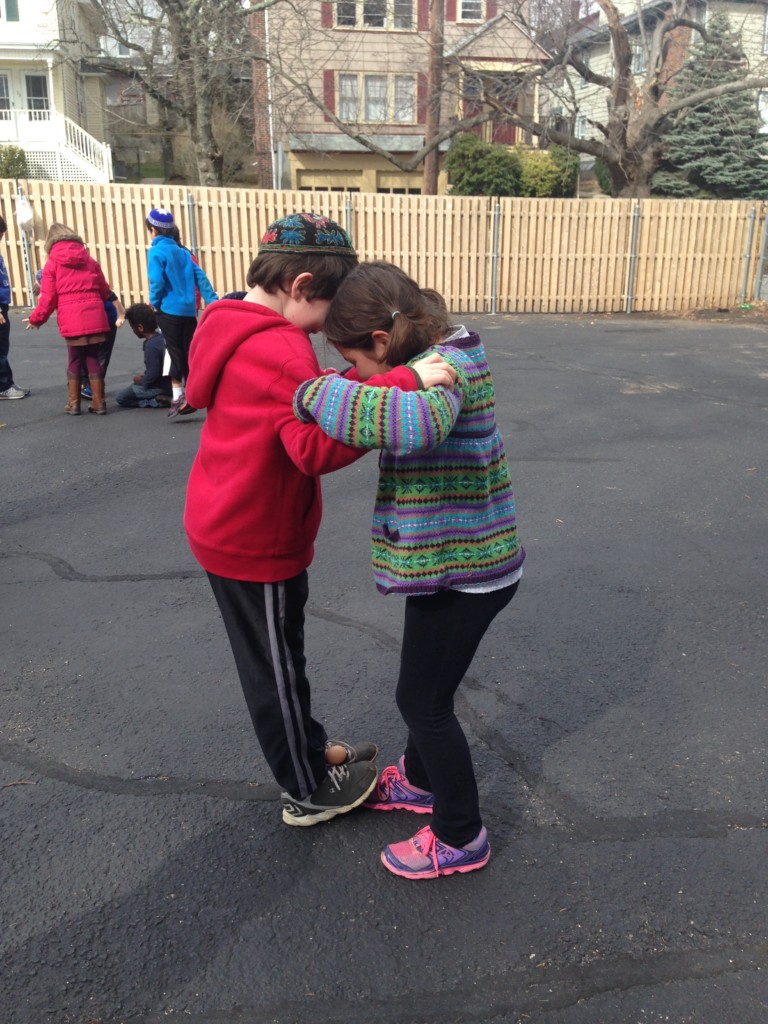
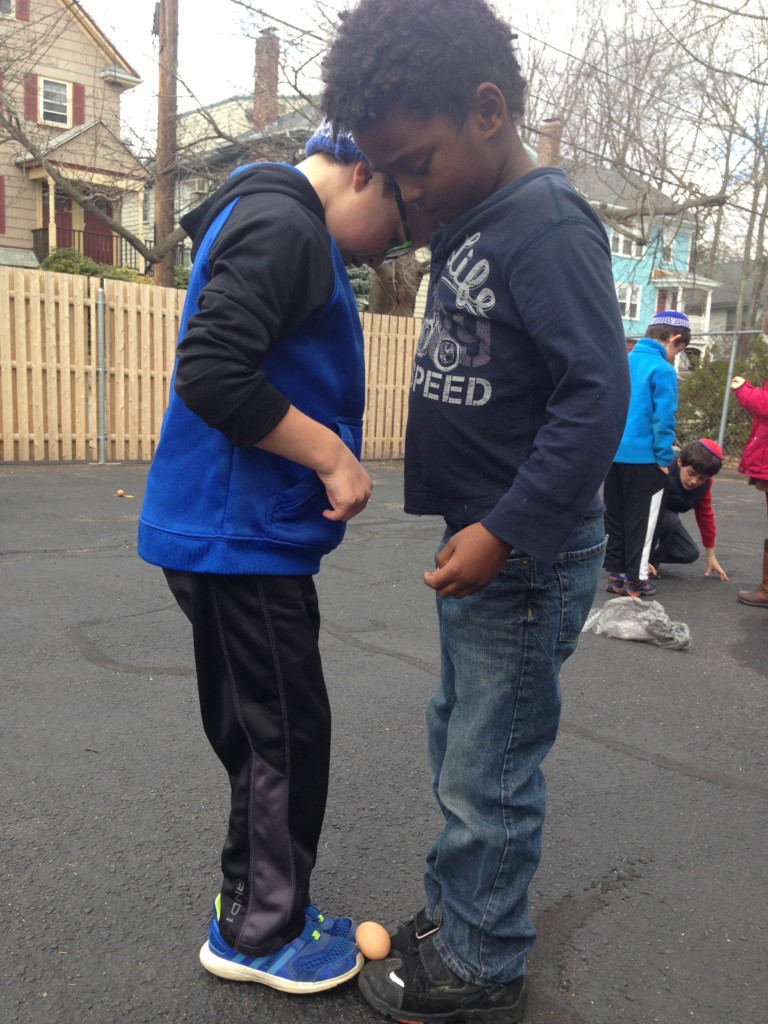
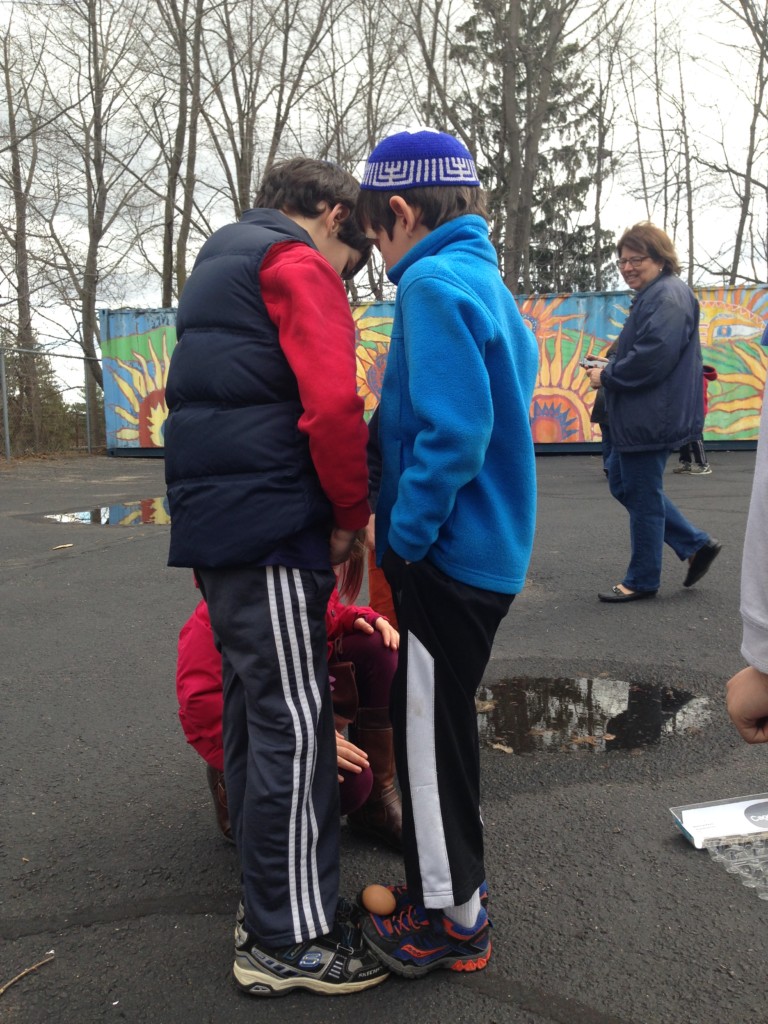
Our little Emperor penguins of JCDSRI had the opportunity to experience how challenging it is for the female penguins to transfer 038their eggs to the male penguins in the COLD and BITTER Antarctica winds.

As part of our thematic unit, students learned that these flightless birds breed in the winter. After a courtship of several weeks, a female emperor penguin lays one single egg then leaves. Each penguin father balances the egg on his feet and covers it with his brood pouch. There the males stand, for about 65 days, through icy temperatures, cruel winds, and blinding storms.


STEAM Week in 3rd Grade

For third grade, STEAM week was an exciting time! We had many exciting workshops, from superhero animals to math magic. But STEAM reached into our every day math, reading, and writing in the class. Inspired by our favorite read aloud, Poppy by Avi, our class had an interest in owls. One of the main characters, Mr. Ocax, was a great horned owl and the things he was able to do were fascinating. So we embarked on a research project to learn more about these fascinating animals.

We started by learning about the different adaptations owls have, such as being able to turn their heads almost completely arphoto 1ound. Small groups researched a specific owl to find out more about the amazing adaptations they have. We discovered they are perfect hunters, and made posters to demonstrate our knowledge. We will be collaborating with the second grade to teach them about our findings.

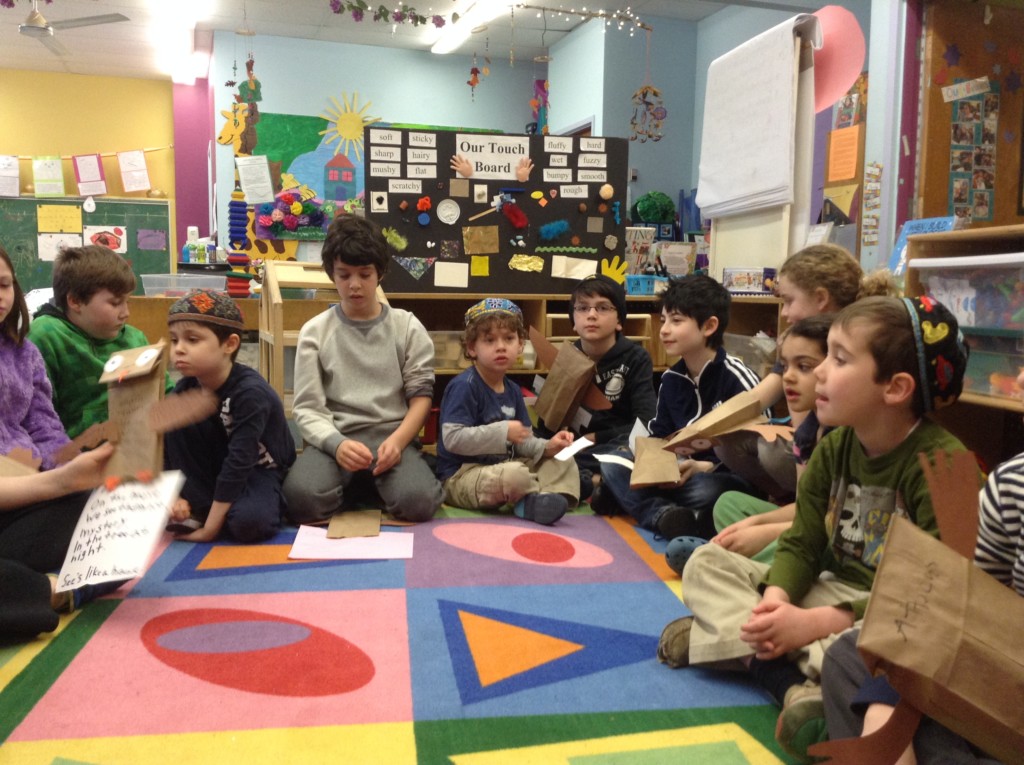
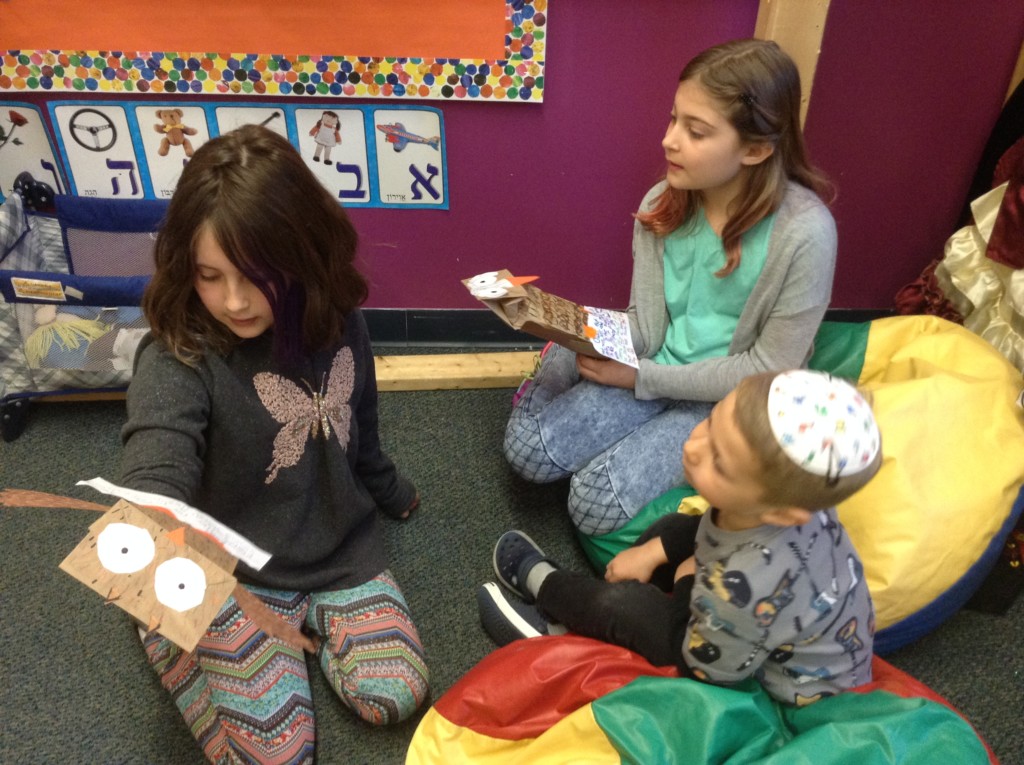
Next we wrote poetry about owls. We used facts we found and studied other poems to get an idea for our own poems. We made these extra special by placing them on paper bag owls we made. We then uphoto 4 (1)sed our paper bag owl puppets to teach Pre-K all about owls. This turned into drawing owls, making owl perches out of blocks, and showing the Pre-K how owls hunt using the stuffed animals in the room!

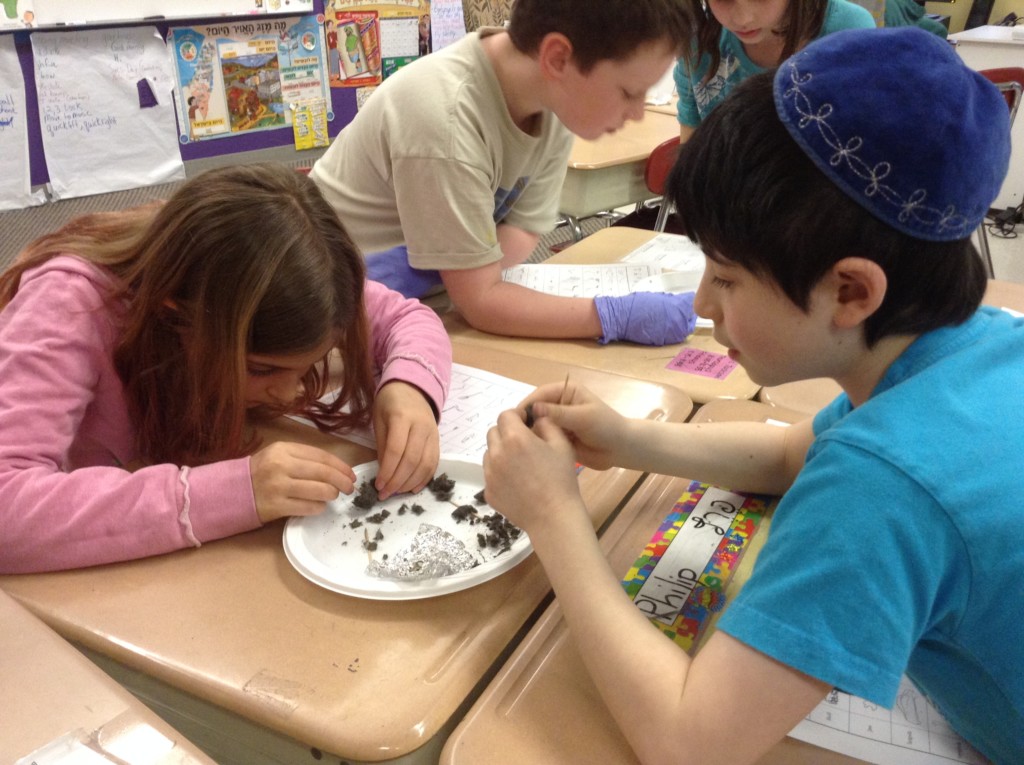
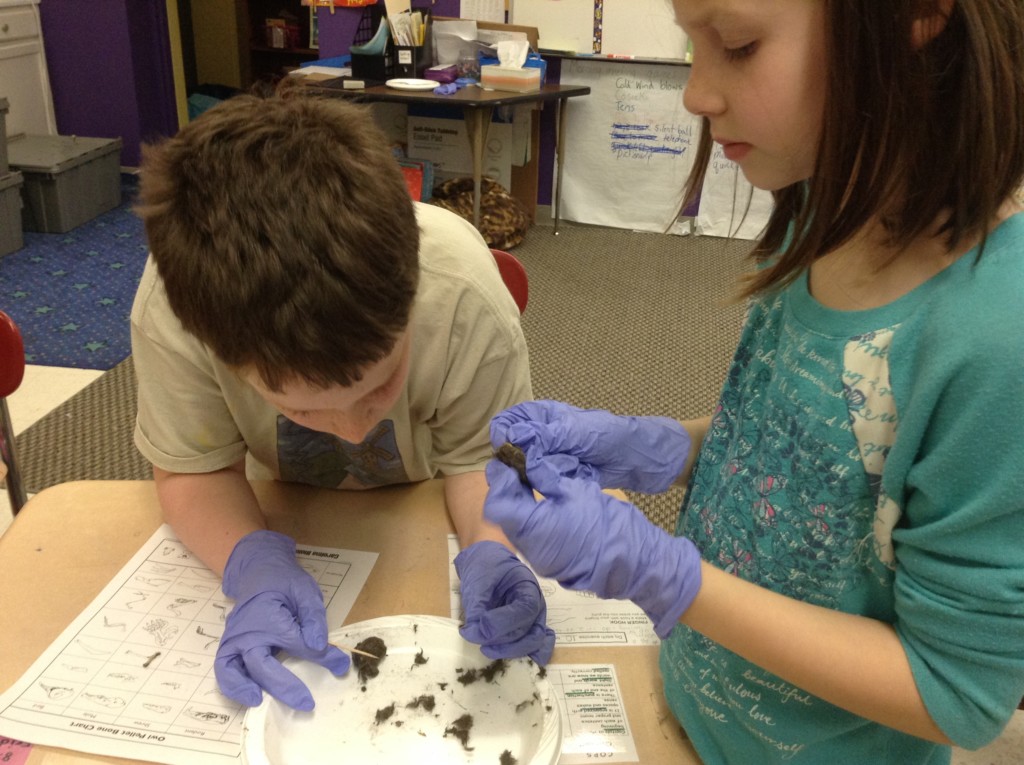
Lastly, and in my opinion the most fun, we dissected owl pellets. Even though it seemed gross to many, everyone dug in, and found skulls, leg bones, and teeth! We reconstructed skeletons of their unfortunate victims to display.

photo 4

photo 2

We learned new Hebrew letters!

The main goal of our Hebrew classes for the last two weeks was to introduce the letters zayin and tet.

When we introduced the letter tet, we noticed that the sound of the letter tet is the same sound as the letter tav.  We agreed that it’s a little bit confusing but as the children said, “even in English we have the letter ‘c’ that sometimes sounds like the letter ‘k’.”

Students are able to recognize the letter zayin in the words Zebra and Zachal (caterpillar), and the letter tet in the words Talit, Tavas (peacock), Telephone and Tractor.

We had a wonderful time learning about these two letters. For the letter zayin we read the story  “HaZachal Haraev”  (The Hungry Caterpillar). We were so excited to read this familiar story in Hebrew because we recognized so many words!

We then introduced the words  Zeh (“this is,” masculine) and  Zot (“this is,” feminine), and for the letter tet we learned the words Tov  (“good,” masculine) and Tova (“good,” feminine”). This is a very complicated and sophisticated concept, and we will continue practicing these words. We also learned the verb Zocher (remember) and practiced making sentences!

For the letter zayin we had a great time turning the letter into the head of a Zebra and the letter tet into a Talit and Tavas (peacock). These projects will  be part of our special book that will be coming home at the end of the year.

Finally we practiced writing these new letters with sand and chalk!

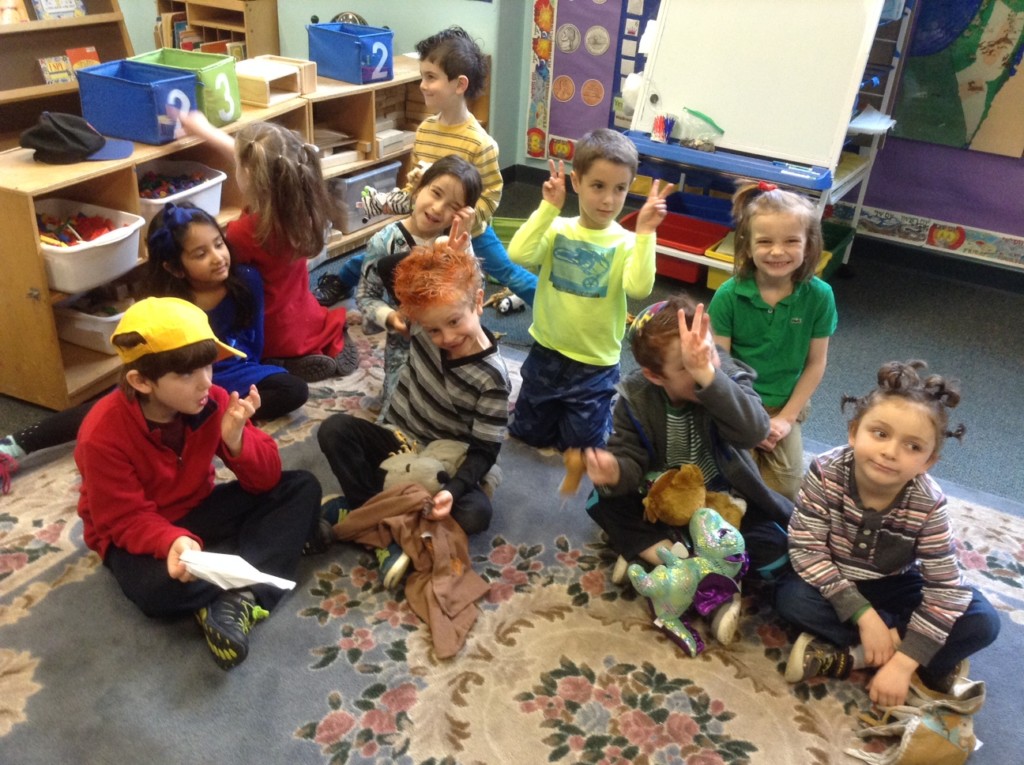
We have also had fun getting ready to celebrate Purim! We’ve heard and told the story, and talked about the four mitzvot of Purim. We will also be making hamantaschen to celebrate the holiday. We’ve been sure to practice being silly for Adar by wearing fun hats and hairstyles.

IMG_1736

As always, it is such a pleasure to learn with and from your children.


Are Artists Designers?

Even when we have “free build” in design lab, we design for a reason. We have to think: who did I design for? What problem am I trying to fix? What does my creation do? Why did I choose it? Where will it be used?

During a lively discussion about different types of designers, some fourth graders were thinking about whether artists are designers. What does it mean to be a designer? Students came to the conclusion that designers usually aim to solve a problem. So, what problem do artists solve? Eitan responded, “Artists solve the problem of not enough beauty.”

Students at JCDSRI are thoughtful and curious about how they can impact the world.

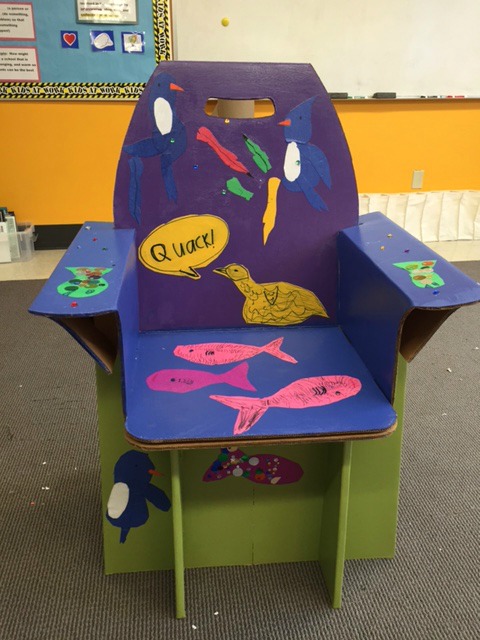
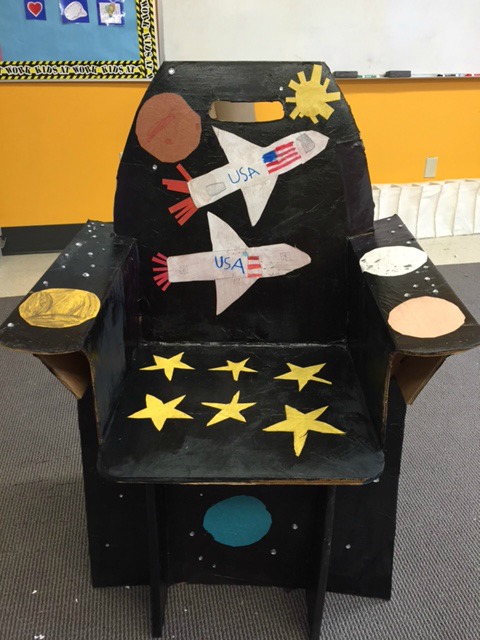
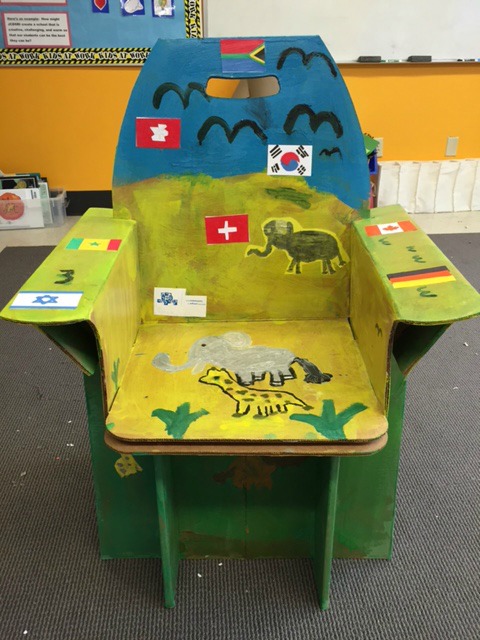
An example of the ability of the young designers and artists at JCDSRI is shown in a recent design challenge. In making cardboard chairs come to life, students were given the design challenge: “How might we design these (very plain) cardboard chairs so that they display our unique quaIMG_6820lities as humans and demonstrate our learning outcomes from this year?” Below are some photos or the chairs that bring more beauty to the world, straight from the hands of young designers.

IMG_6818  IMG_6819

Third Grade Students Produce Music Video

Our Third Graders produced this wonderful music video highlighting the 5 times table. We applaud their enthusiasm and creativity! Their teacher, Kareesh Bour, also left them a special surprise message at the end of the video (with a little help from her son!), so you may want to watch through to the very end.

[su_vimeo url=”https://vimeo.com/158481664″]