This week our kindergartners continued their unit on the xylophone. We’ve been focusing on finding different notes and beginning and ending as a group. They’re so focused!
Class Blogs
Mallets!
Check out some of our fourth and fifth graders playing a familiar tune on mallet instruments!
“Turn it and turn it for all is within it”
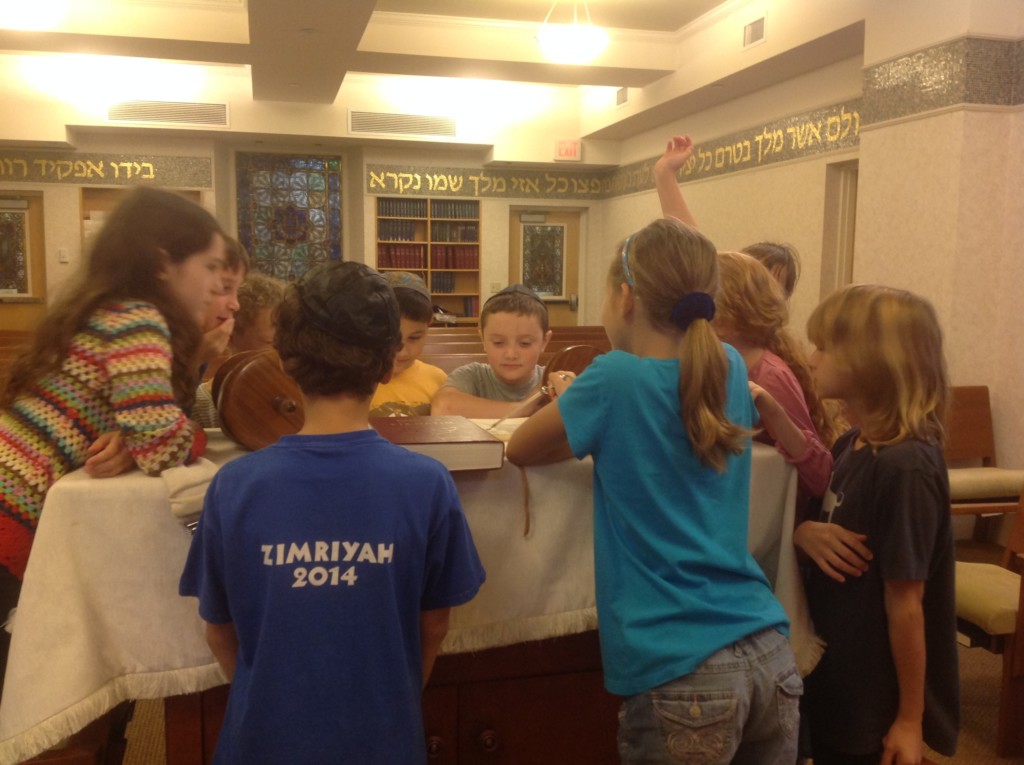
The fourth graders loved learning that there is a rabbi whose name is Rabbi ben Bag Bag! He is known for a famous quote that relates to studying Torah, which begins with the phrase: “Turn it and turn for everything is in it. Study it, delve into it…” The students talked about this statement and we learned that Torah can mean a number of different things: the actual scroll of Torah, the 5 books of Moses, or all of Jewish learning and text can also be considered as ‘Torah.’ We then visited the chapel and looked at the actual Torah scroll, and it was gratifying to watch the students as they picked out words and read them.
We also studied a midrash this week that connects the four species of the lulav to different parts of a person’s body. Each student or pair of students then developed their own ideas.
Grace: “Arava (the willow) is a smile because it is always important to look on the bright side and have a good attitude.”
Griffin and Tessa: “Hadas (the myrtle) are blood cells because they keep you alive and connect to all parts of the body.”
Kelila and Sophia: “Arava (the willow) is like arms because we need arms to hug people.”
Ezra and Aviv: “Etrog is like the life cycle because it is round and can sometimes look like a baby’s head.”
Aviva: “Etrog is like a brain so that you can think of good deeds to do.”
Eitan and Ram: “Hadas (the myrtle) is like feet so you can move around the beautiful world.”
What parts of the body do the four species represent to you?
Shabbat shalom & Moadi l’simcha (joyous holiday),
Rabbi Gouze
Design Lab: Constraints Drive Creativity
In Design Lab, we know what it’s like to be creative. We also know that constraints drive creativity. This means that when we have a limited amount of resources and time, we have to be extra creative in utilizing what we have. Additionally, the mantra “fail fast, forward” drives us to learn from what may not have been so successful, and to move onto bigger and better things.
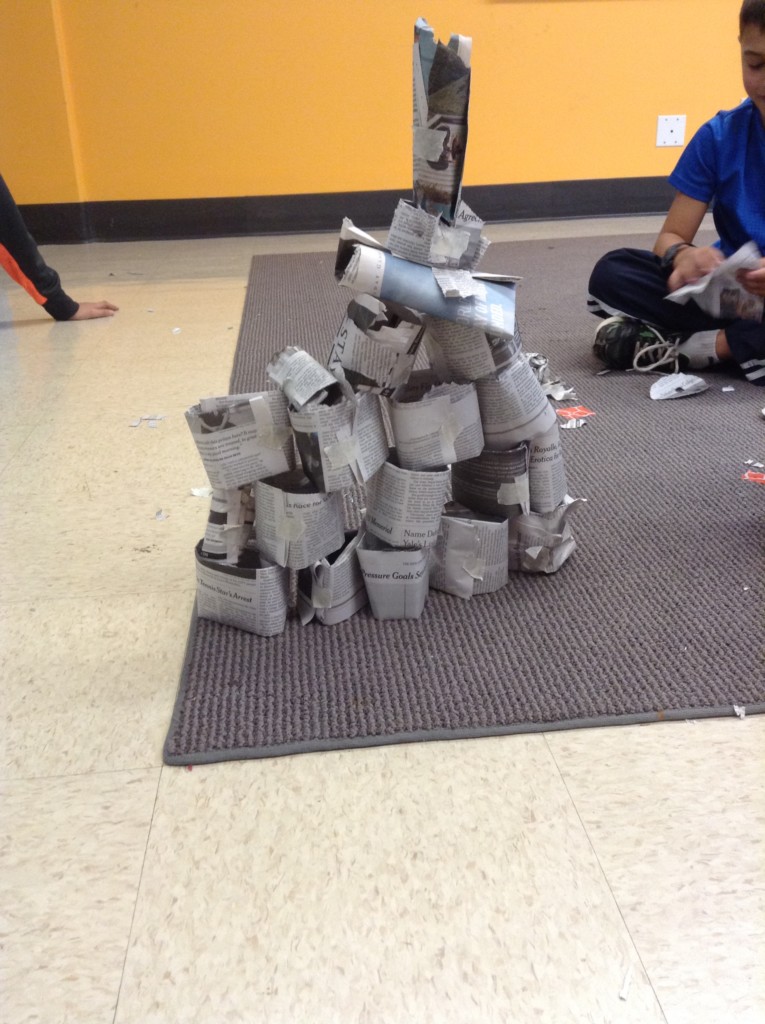
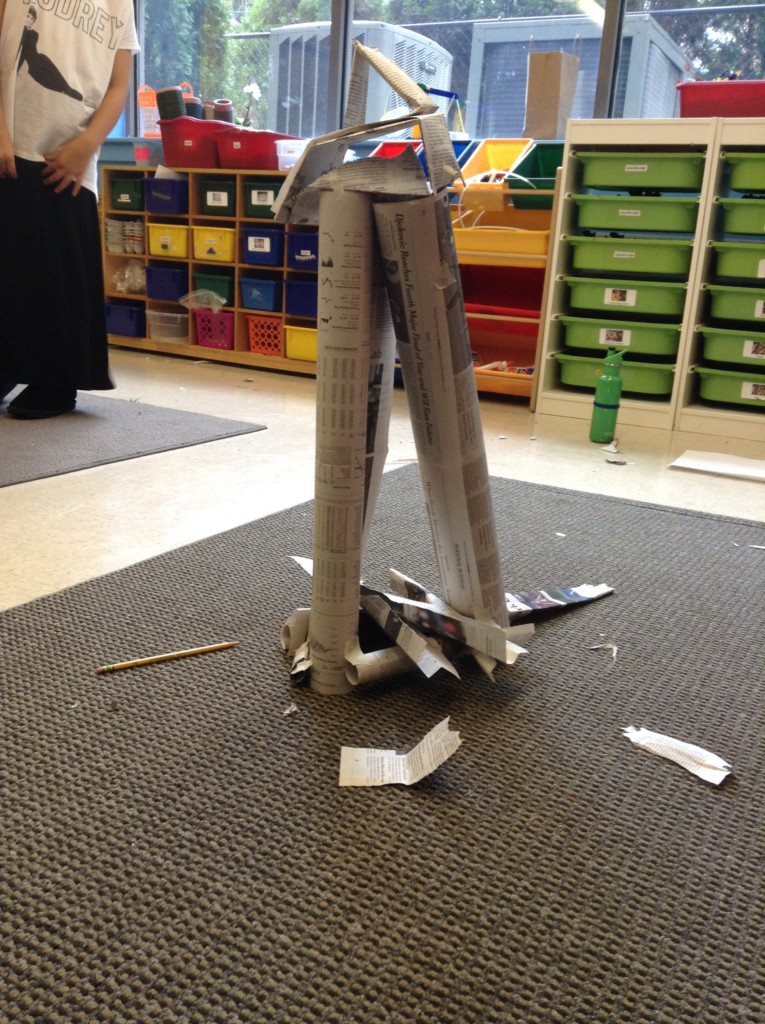
Today in Design Lab grades 3-5 worked together in small groups to make towers out of newspaper. While they were able to use a very small amount of tape, newspaper was the primary material that students could use. By working together, students were able to brainstorm and implement their ideas cooperatively. You might be surprised to learn that they were able to make some amazing, creative, and innovative free standing structures out of the otherwise very flimsy material. “All the tape in the world” may have created more successful structures… but look what we made!
How to Get Your Kids to Eat Veggies!
As a mother and a teacher, I have always tried to get my students and my own son to eat healthful foods. At my own house this summer, I realized my son would eat anything I grew in my garden! The same thing happened this year at school. Second, third, and fourth graders have been busy harvesting many different vegetables from our school garden. Each grade then made something yummy to eat from the garden. Second grade enjoyed getting their hands dirty, then making and eating kale chips. Fourth grade harvested peppers, wax beans, tomatoes, and kale to make a salad bar. Third grade had the privilege of working on many different garden beds one whole Friday afternoon, helping the youngest students’ gardens which needed a lot of weeding. Then they were able to enjoy kale chips and kale smoothies! All the grades enjoyed cooking and eating their vegetables. Most remarked how fresh vegetables from the garden were tastier than from a grocery store, and more fun!
The Time of Our Rejoicing!
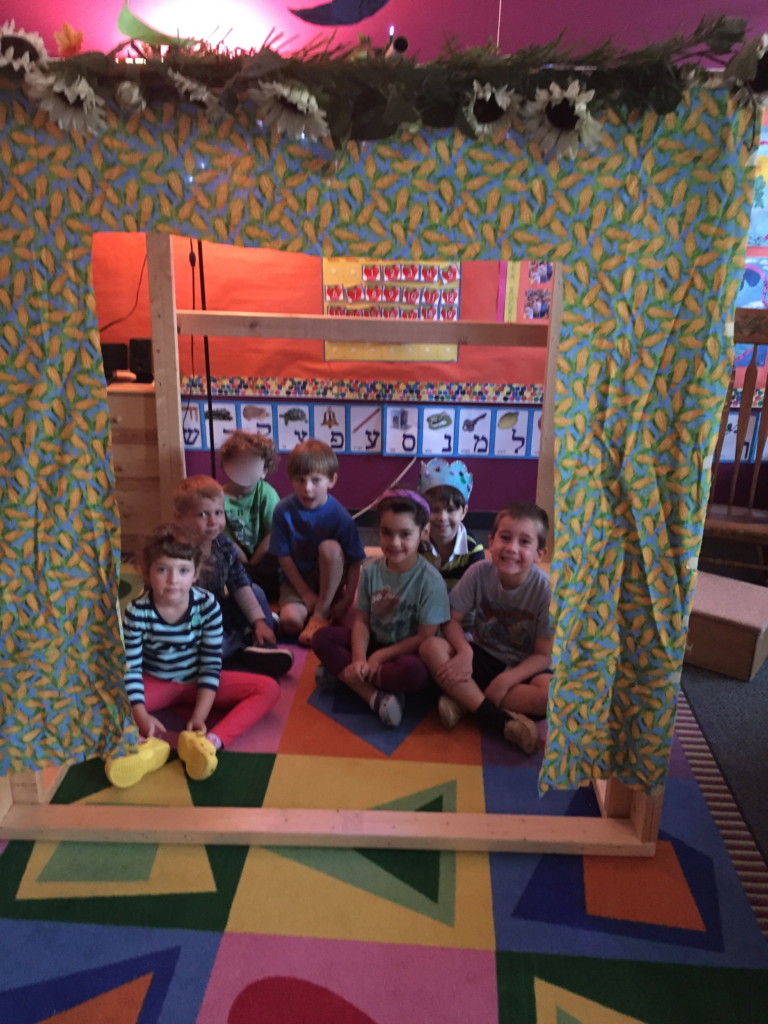
Our community has discovered the joy of preparing for Sukkot – “the festival of booths”! Laden with screws, hard-hats, and a power drill, we’ve constructed a (very!) temporary dwelling in our classroom in honor of the holiday and decorated it with paper chains, leaves, and lights. We have already snuggled together under its roof, pretending to count the many stars or seek shelter from the (much needed) rain. During Sukkot our kehillah (community) has the opportunity to enter into another realm – one that compels us to refocus beyond the material (and usually temporary) “structures” of our lives and concentrate on our values: that of honoring our community, respecting nature, practicing hachnasat orchim (welcoming guests), and expressing gratitude. The holiday is also called zeman simchateiun – the time of our rejoicing – and we wish everyone a happy and meaningful Sukkot!
Pondering a Pond
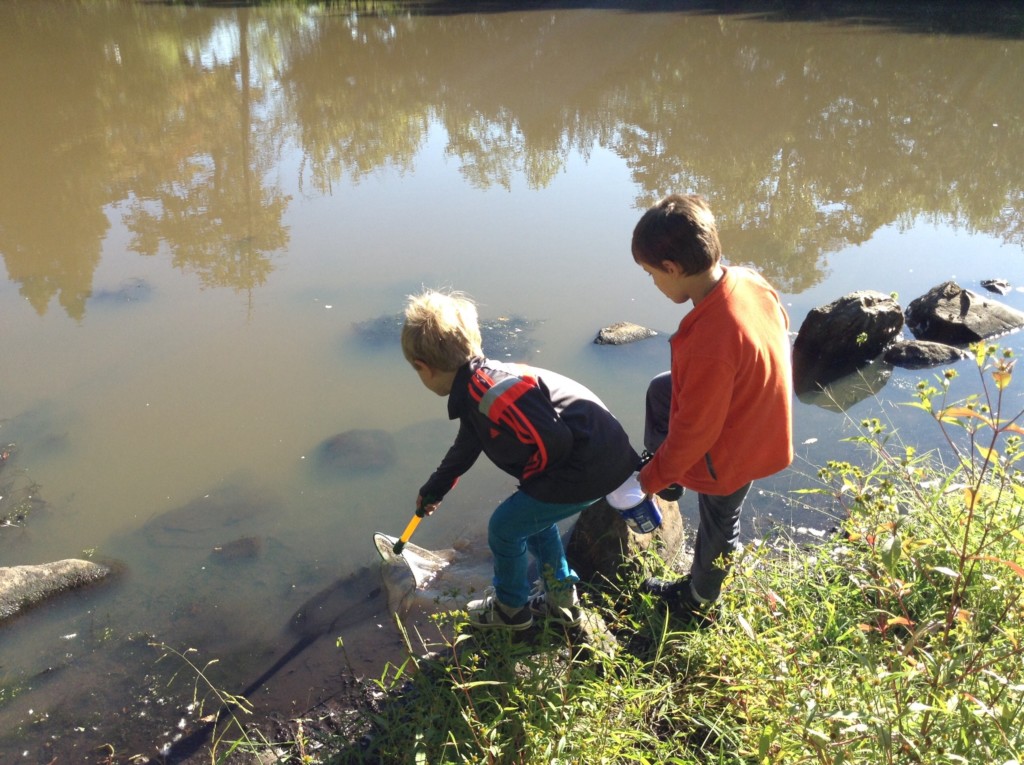
As summer lingered beautifully, our Kindergarten class took advantage of the great weather by exploring a local pond. For the trip, we put on our scientist hats and observed and wondered about the life around us. We used our 5 senses to notice many interesting things. This week we especially focused on using our eyes and ears. We heard and saw many birds, for example. We saw frogs jumping in the water. We heard acorns plopping on the ground from the trees. From our observations we began asking questions. Some of our wonderings included:
“Why are the frogs out everyday and when it’s winter what will the frogs do?”
“Why are the white flowers next to the bench so small?”
In our class, we embrace curiosity and we are excited to have more adventures outdoors, as we explore the pond throughout the year.
4th Grade Rules!
We did it! This week, fourth graders finished creating the rules that will help our community work this year! The students took on an intensive process to create rules that would keep them safe and give them the freedom to learn. Before we began our work, we talked about the role of rules and guidelines in our world. Many students shared that rules help keep our bodies and our feelings cared for and safe. We thought about rules we’ve had in the past, rules we’ve liked, and rules we think are important (even if we don’t like them) and brainstormed a long list.
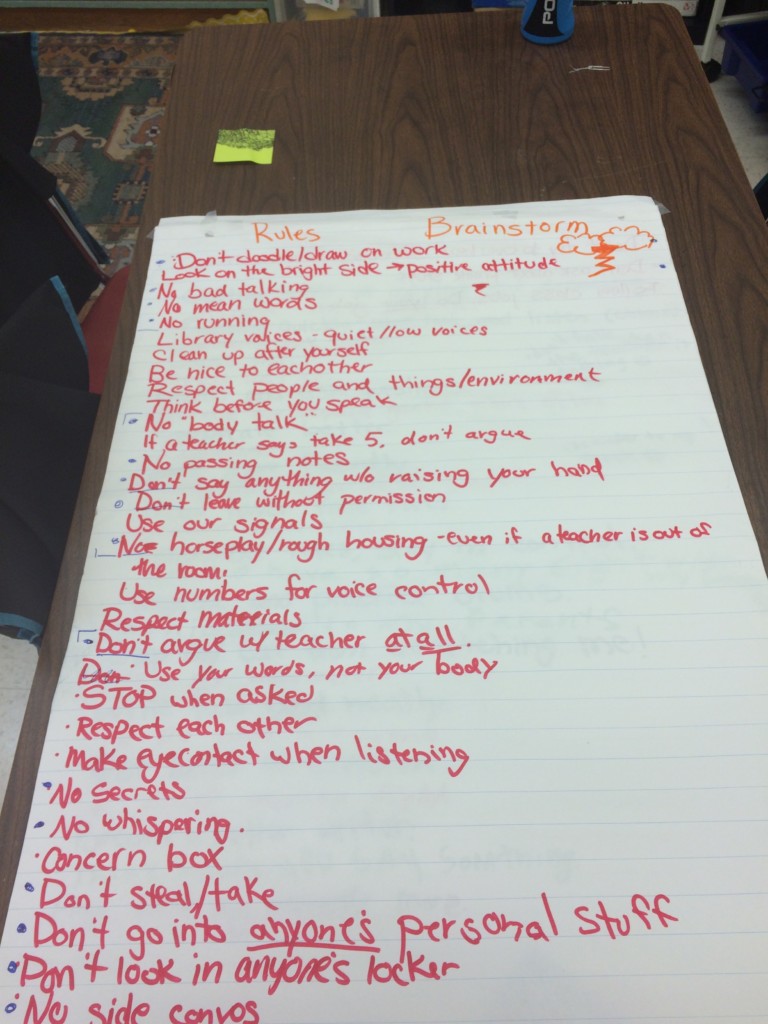
We decided that such a large number of rules isn’t useful. How will we remember what we should do if we can’t remember all of our rules? To narrow down our choices, each student picked one or two “most important” rules, and we charted our ideas again.
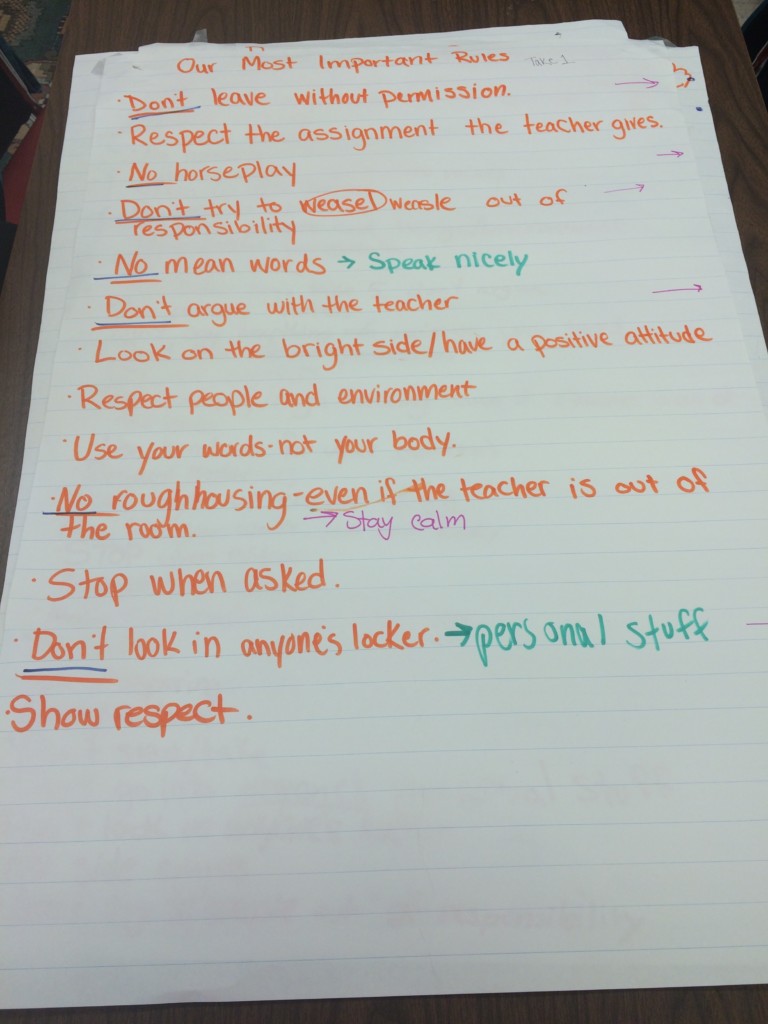
This was still too many for us to remember! We also noticed that many started with “No” and “Don’t”. We talked about how telling someone not to do something can make someone want to do that thing even more. We also talked about the importance of a positive attitude and decided we wanted rules that reflected our desire to “look on the bright side of life”. We talked about how we might flip this language to make it more positive. After we changed our wording, students picked their most important rules for the last time and charted again!
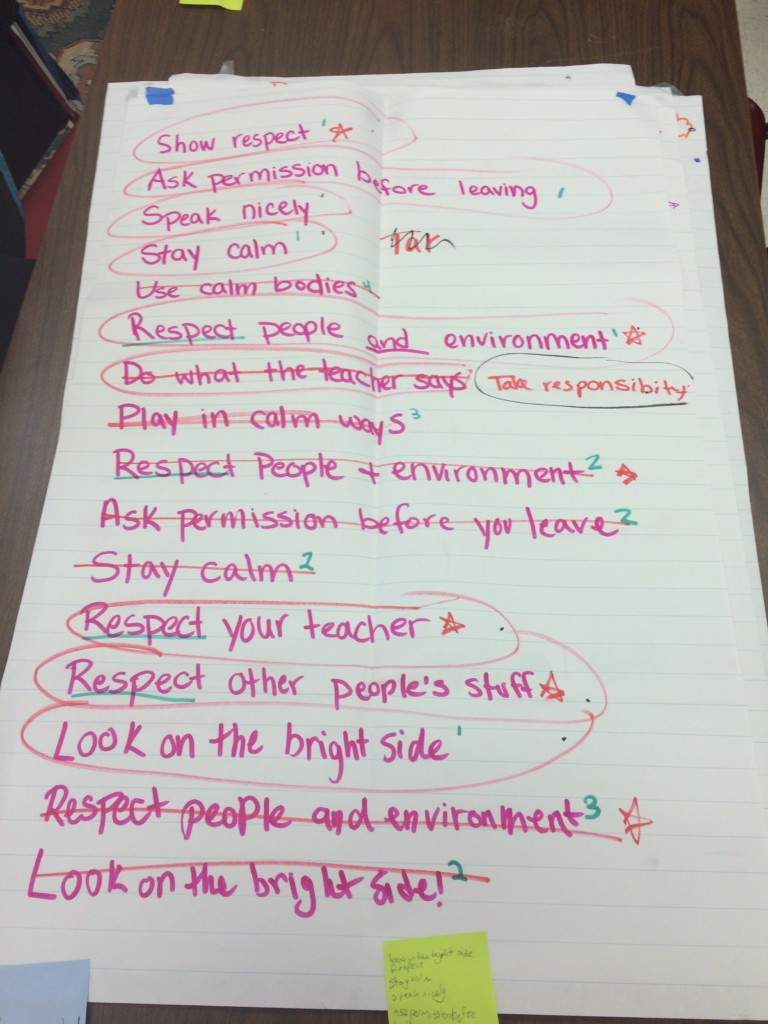
We noticed that many people picked the same rules, which told us that our community valued these ideas, like respecting others and staying calm. We also noticed a theme of respect running through many of the suggested rules. After another conversation we synthesized our ideas and crossed out the duplicates. This got us so much closer to our final list! When we had five or six clearly worded ideas, we took a vote.
For a rule to pass the vote it had to be approved by every member of our kehilah (community). The rules you see below were approved by every 4th grader. Each student was asked to read the rules below out loud with the group. Then we all took two minutes to think about the words we were saying and the promise we were about to make. When we were ready to commit ourselves to upholding these rules, we each signed our names as a sign of our promise. I am glad to say that every 4th grader has promised to promote the guidelines they created for the community we are forming together.
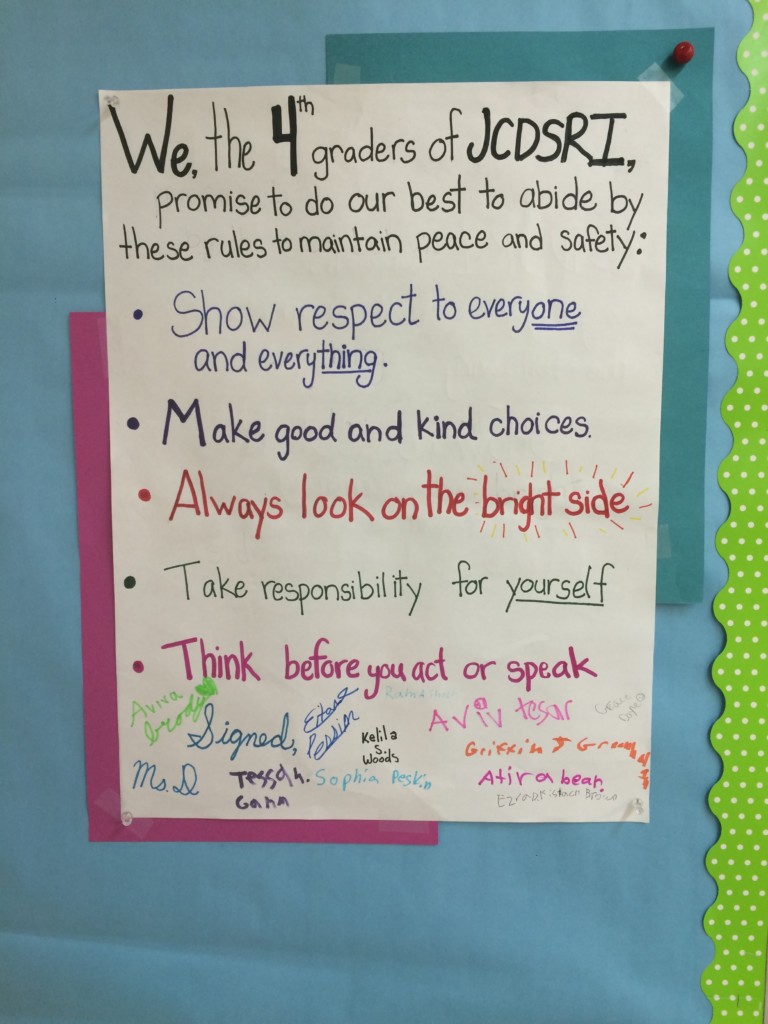
This was not an easy or a quick process, but the reflection and conversation that came out of this process is invaluable. We hope that we will find that our rules matter more to us because they were written by us and for us. We hope our rules will feel clear, relevant, and will help us feel safe and loved in our classroom.
Second Grade Rocks!
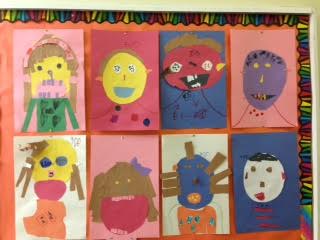
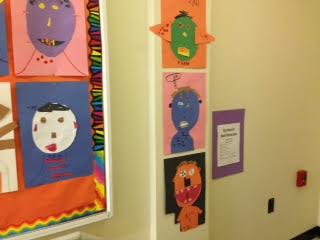
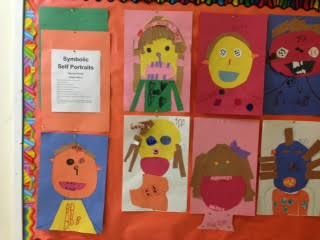
*Check out how unique and special we are in the second grade! Can you guess who is who? Check out our Symbolic Self Portraits!
No Difference-
Small as a peanut,
Big as a giant,
We’re all the same size
When we turn off the light
Rich as a sultan,
Poor as a mite,
We’re all worth the same
When we turn off the light.
Red, black or orange,
Yellow or white,
We all look the same
When we turn off the light.
So maybe the way
To make everything right
Is for God to just reach out
And turn off the light!
We are learning about so many fascinating things in the second grade! Ask your child about any of the following concepts/topics:
- Around the World
- The Thing About Georgie
- Exploring New Places
- Space Exploration
- Bugsy and Gizmo (our classroom pets)
- Stations in the Classroom
- The Colors of Our Voice
- Time Capsule
- Kale Chips and Garden Ideas
- Classroom Jobs
- Second Grade Stars
- JCDS ROCKS
New Rituals for Forgiveness
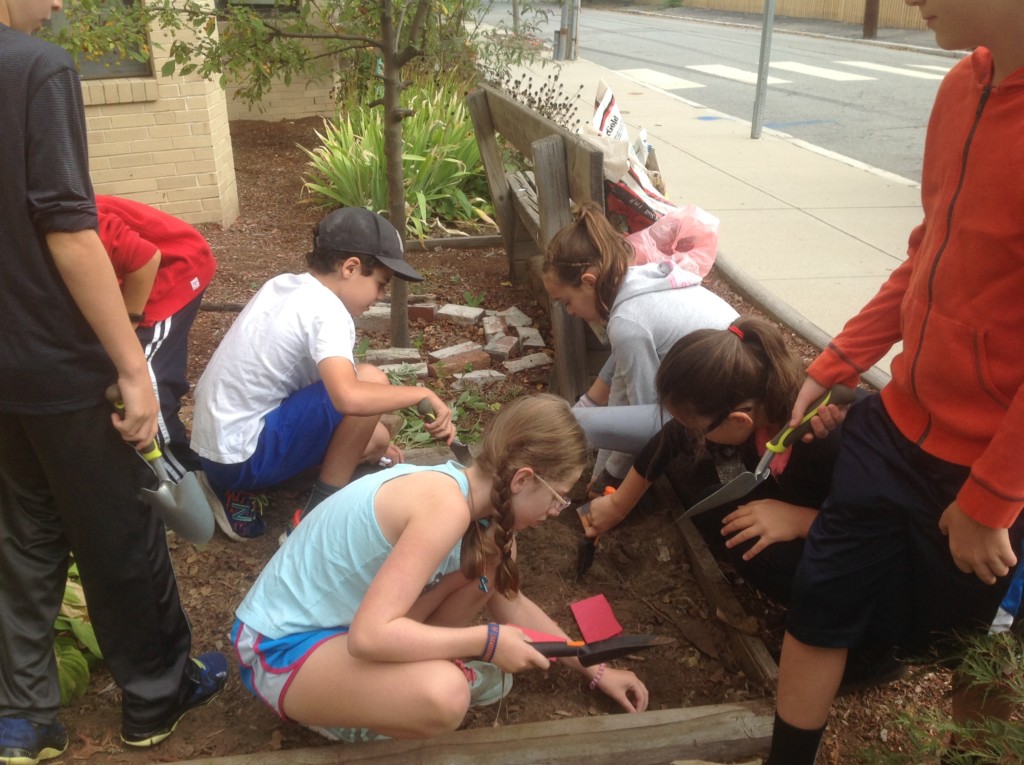
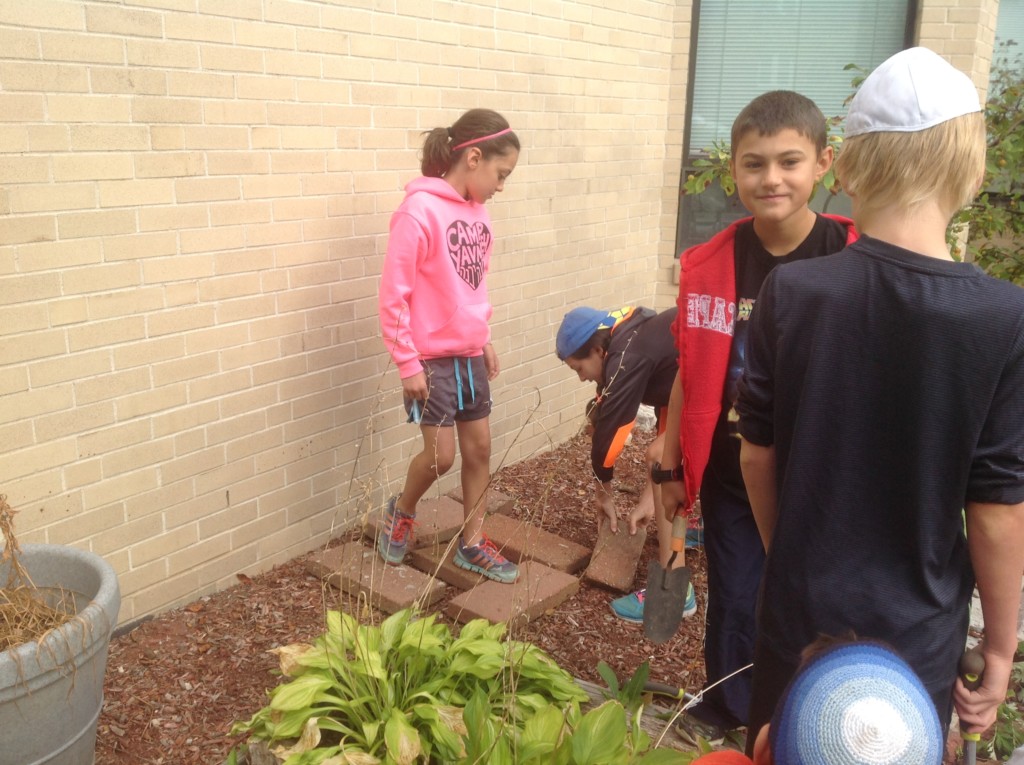
The fifth grade class has spent a lot of time looking at the types of wrongdoings listed in the ‘Al Het’ prayer, which is prayed during Yom Kippur. We noticed that a quite a number focus on communication (ask your child what percentage of wrongdoings are connected to our speech!). We also explored the idea that one can sin against God, against another and against oneself. As part of this, the students asked forgiveness by writing letters to each of these. They planned on giving the letters to the others, but the question arose as to what to do with the letters to God. After some discussion, we decided that it would be a meaningful ritual to bury the notes and then plant bulbs on top of them. In that way, something positive can grow out of a negative action, and we are giving back to God by planting beautiful flowers. In these pictures, the students are planting either their tulip or daffodil bulb.