fbpx

2nd Grade Ear Training!

2nd-grade-music-video

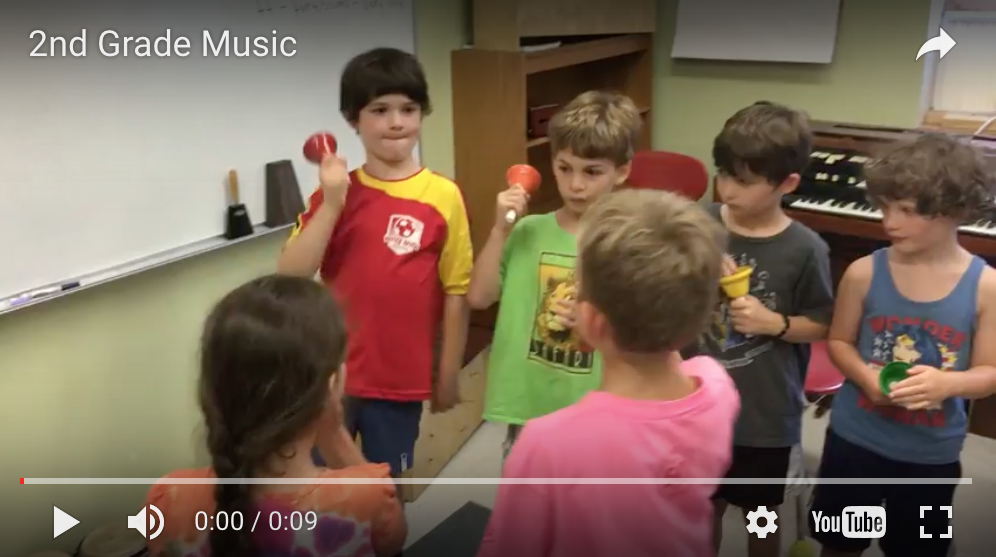
Recently we’ve been working on ear training and trying to recognize pitches and scales. In this activity, students with bells are the “instruments” and the other students must help to organize them according to pitch.  Here are our second graders organizing themselves into an ascending major scale! (Plus a small celebration afterwards).


Second Grade Raises Money for The Nature Conservancy

018Students in the second gra011de class held a Read-a-Thon during which they raised money for an endangered animal charity, The Nature Conservancy. Students raised over $800.00! They voted on which organization to support after doing a lot of research on Top Wildlife Conservation Organizations. Students feel very passionate about this subject and, as they researched this topic, several projects came out of it. I am so proud!

The Nature Conservancy works with local communities, businesses, and individuals to 015protect over 100 million acres of land around the world.  In doing so, The Nature Conservancy preserves entire wildlife communities and the rich species diversity that inhabits those lands.  It’s a holistic approach, one that we feel is vital to the health of our planet.

021

Special Day

011

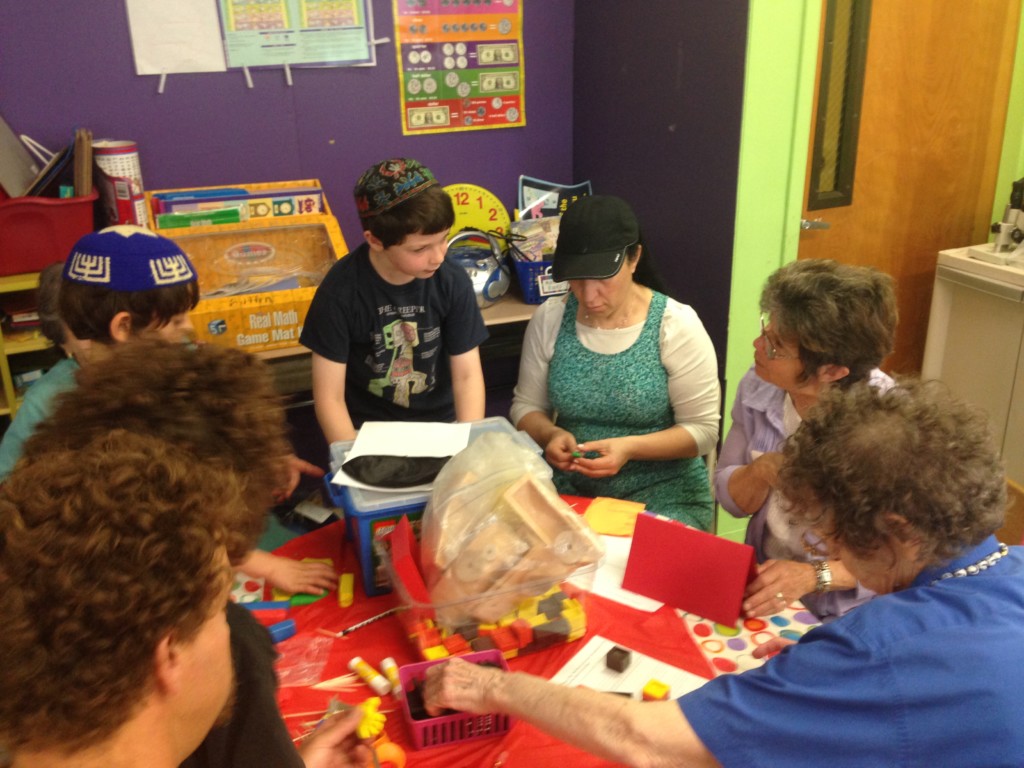
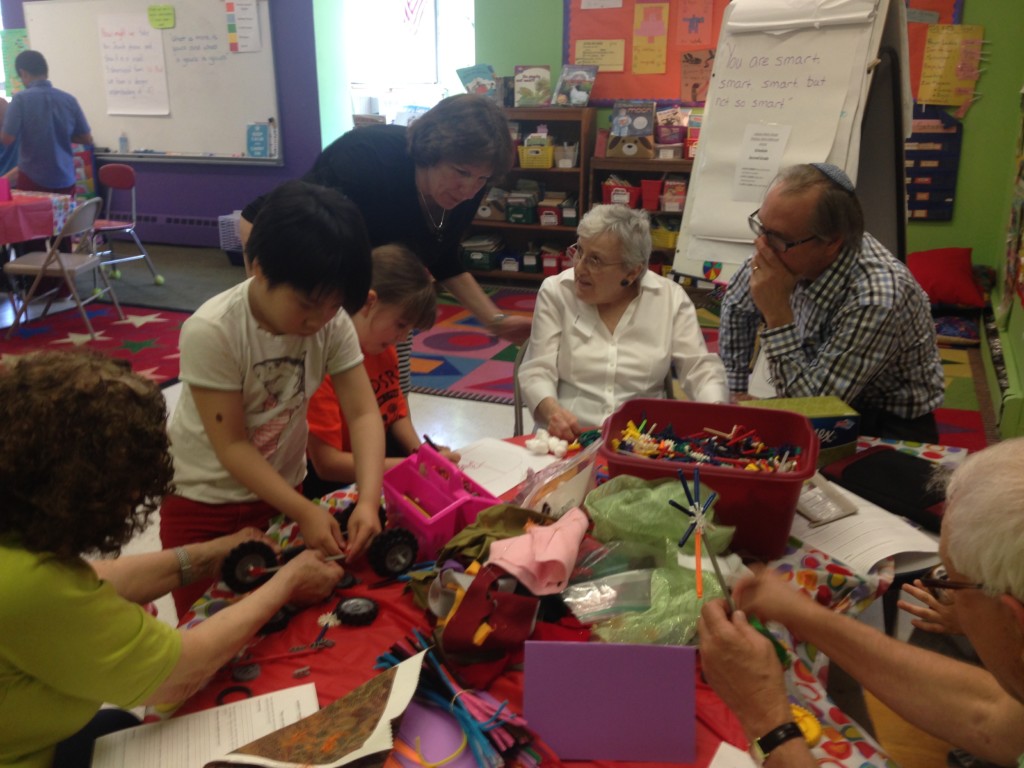
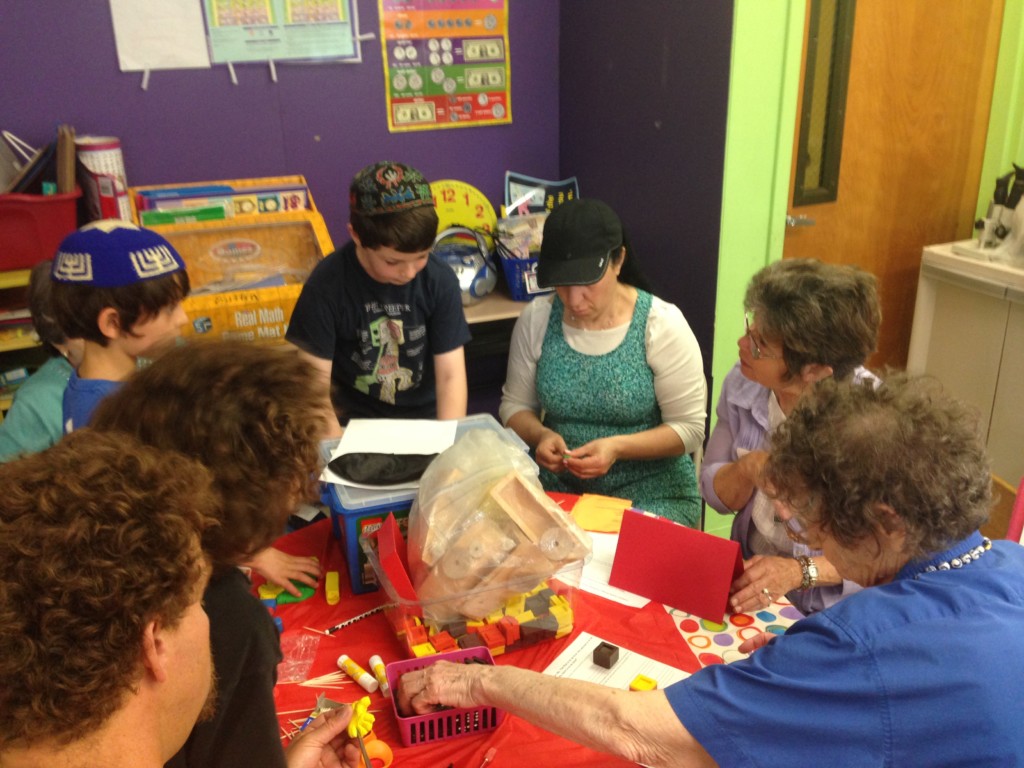
Judaism Meets Design Thinking Meets Science and Math on Special Visitors Day

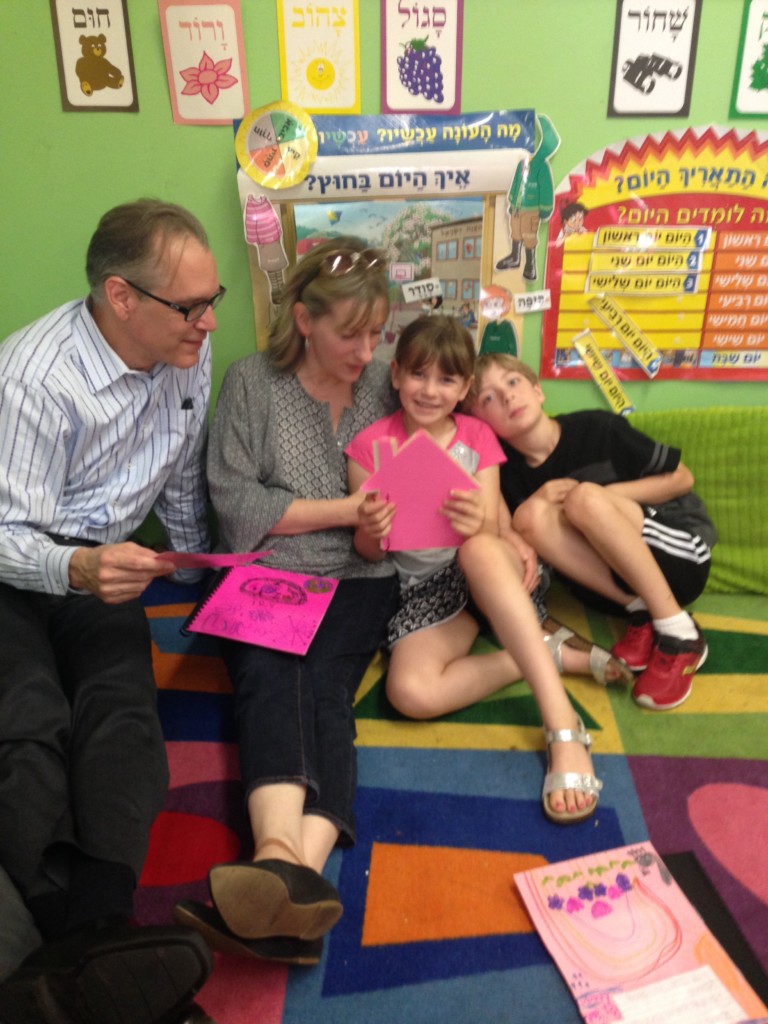
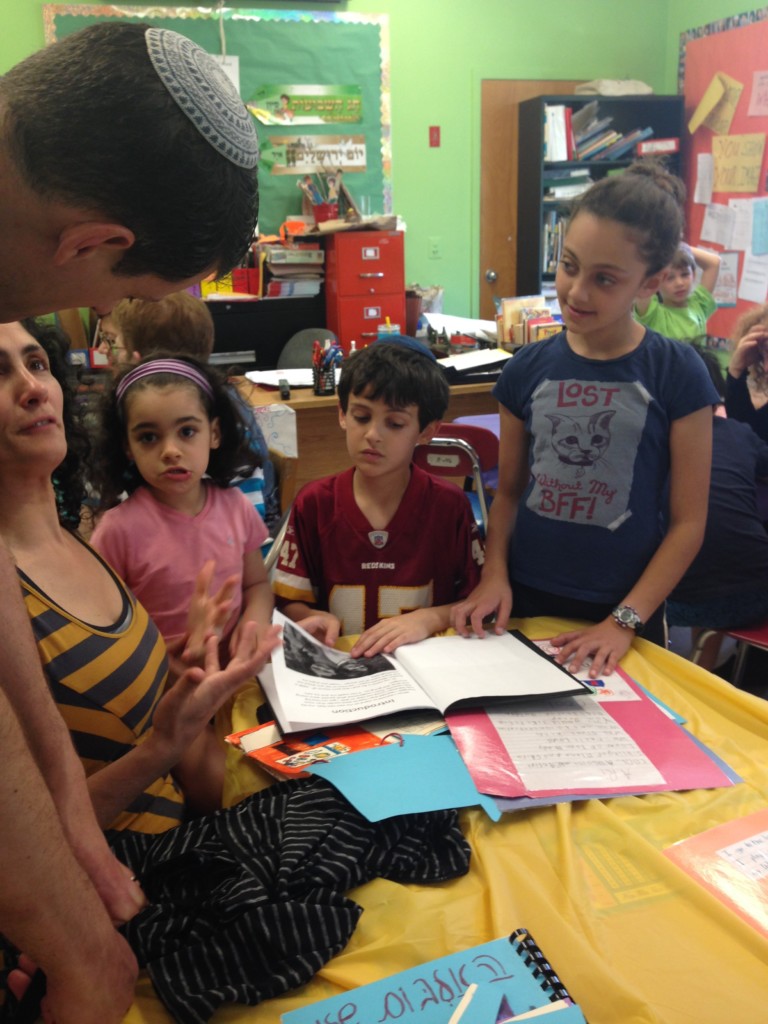
The second graders and their sp009ecial visitors had a wonderful time collaborating and working together.

How might we take this Jewish phrase and show it in a visual 3-dimensional form, so that we have a deeper understanding of the phrase?

Groups chose one of the following phrases and then began creating a 3-D form together:

019“What is mine is yours and what is yours is yours.”

“You are smart, smart, smart, but you are not so smart.”

“There are three important things in life. The first is to be kind, the second is to be kind, the third is to be kind.”


005021

Gods and Goddesses of Ancient Greece

Greek play

play2Our last big project this year was learning about ancient Greece, a subject close to my heart. I was able to go to Greece and visit the ancient ruins when I was younger. This trip interested me in learning more about the ancient culture. Then a few years ago, I had a chance to teach a whole unit on ancient Greece. I brought this knowledge to JCDSRI for a fun project on this fascinating culture.

We started by reading many Greek myths and nonfiction books about ancient Greece. The students were so interested in the topic and were eager to find out more! Then we turned our knowledge into two amazing projects. First, we performed two popular myths as a play, along with costumes and props. The third graders made them entirely themselves, after conducting extensive research to make sure they were accurate! Then we wroteplay1 our own myths inspired by the ancient Greek myths. We explained everything from guinea pigs to dogs and cats to forests.

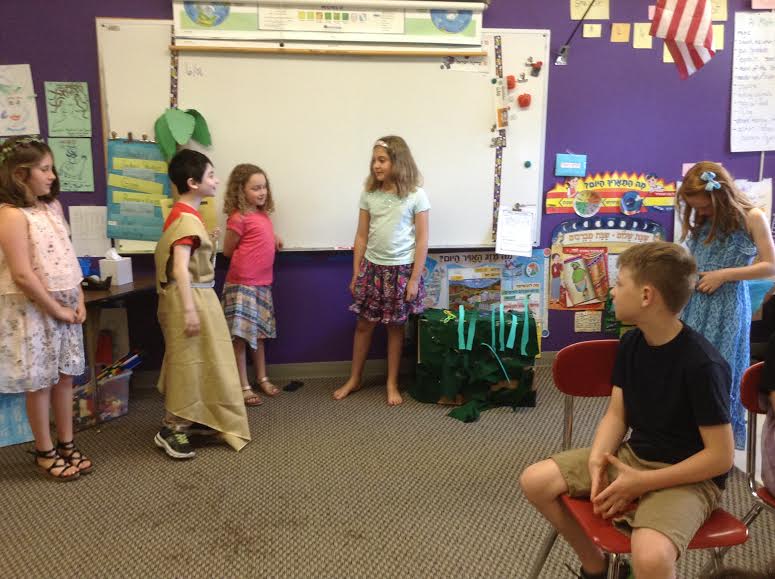
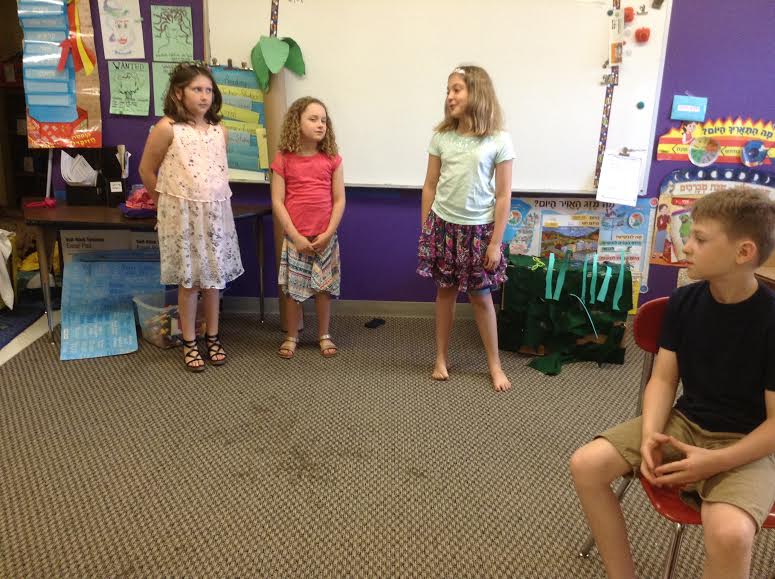
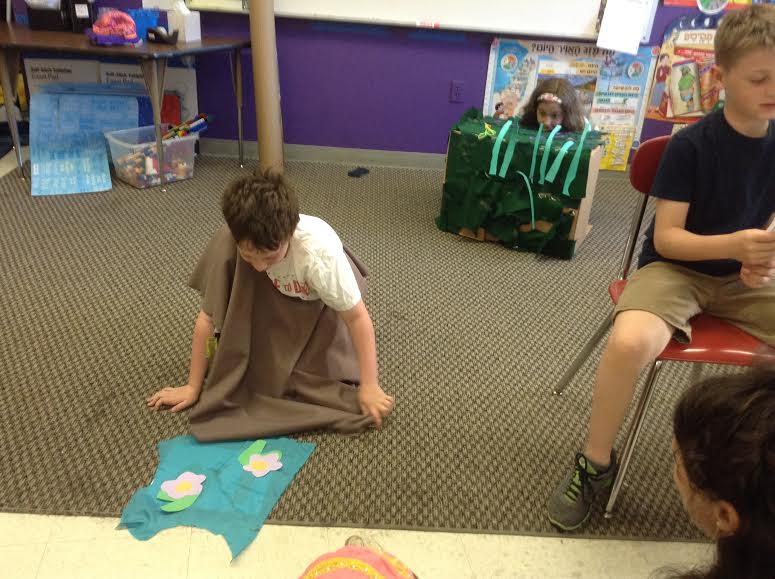
The day of our performance came quickly. The third graders were buzzing with excitement, so eager to share their hard work with the world! They gave a beautiful show. All their parts were memorized, even though they each had more than one part. Our Narcissunarcissuss was silly and full of himself, and our Echo was a super talkative nymph. The gods were strong and demanding, and Pandora realized she made a big mistake in opening the box. Everyone complimented them on their expression and acting ability. It was the perfect way to end our year.


Why We Need Design Lab

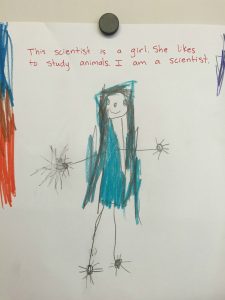
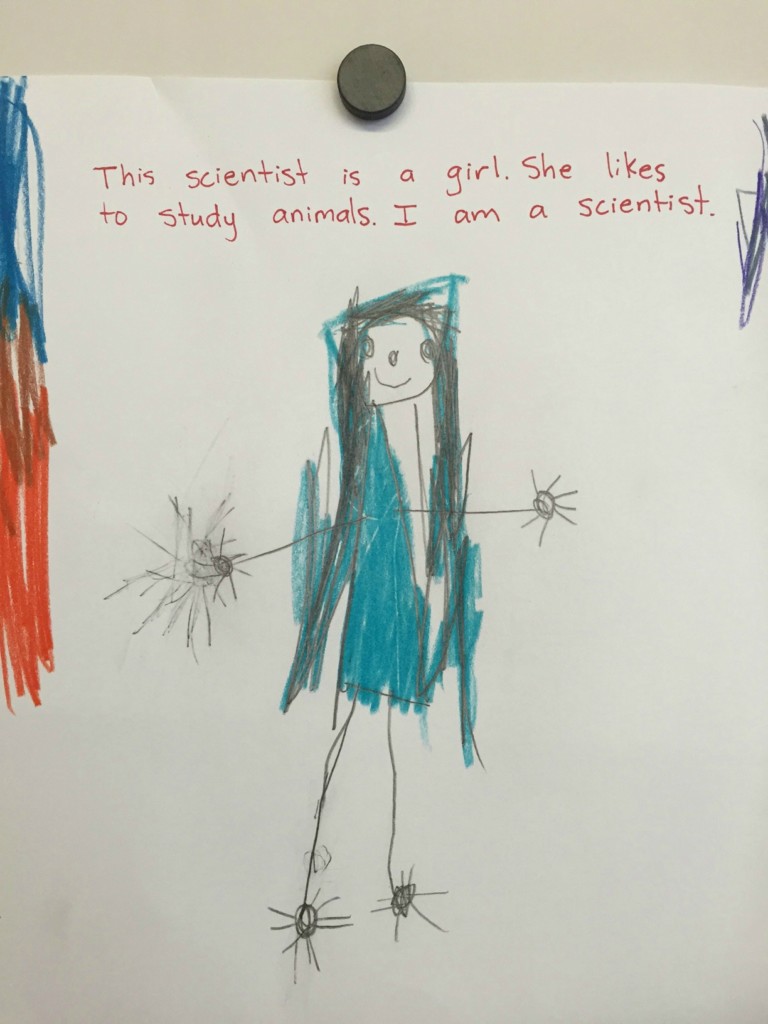
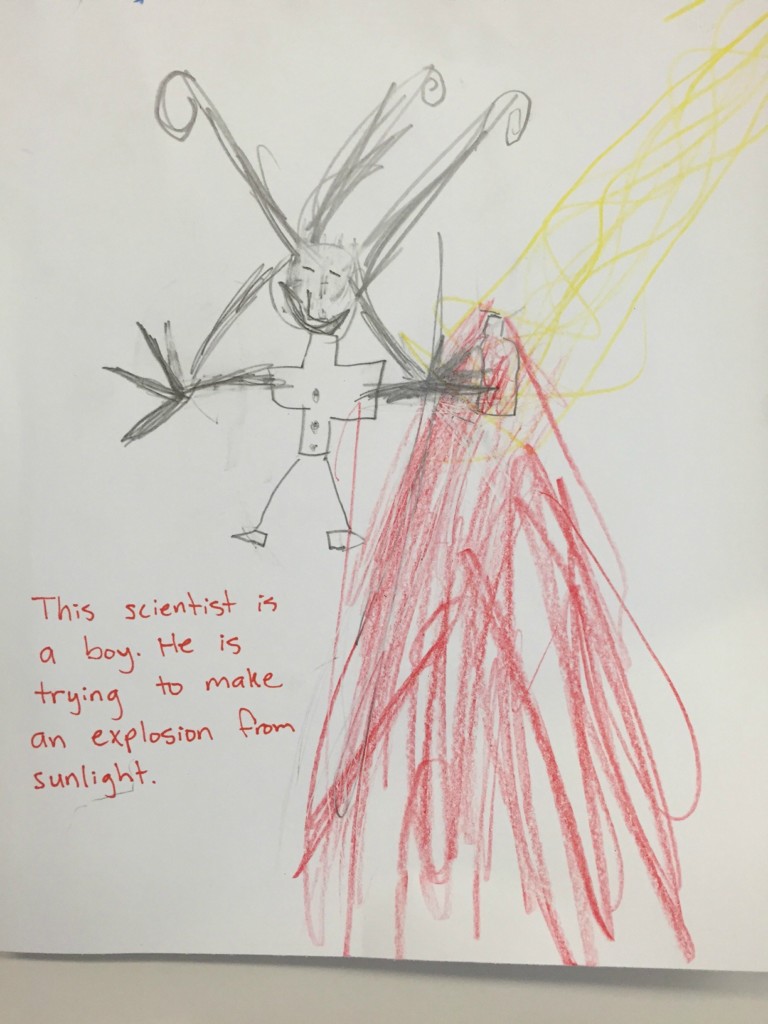
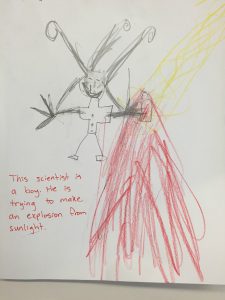
IMG_7610 (1)Here’s a challenge for you: quickly sketch a scientist. Easy, right? You might be thinking lab coat, eyeglasses, crazy hair, test tubes everywhere, computers, and oh… male.

While I may be making an assumption here, research has proven that this isIMG_7612 (1) how many people envision scientists. Here is an article explaining these findings. 
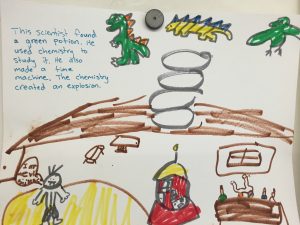
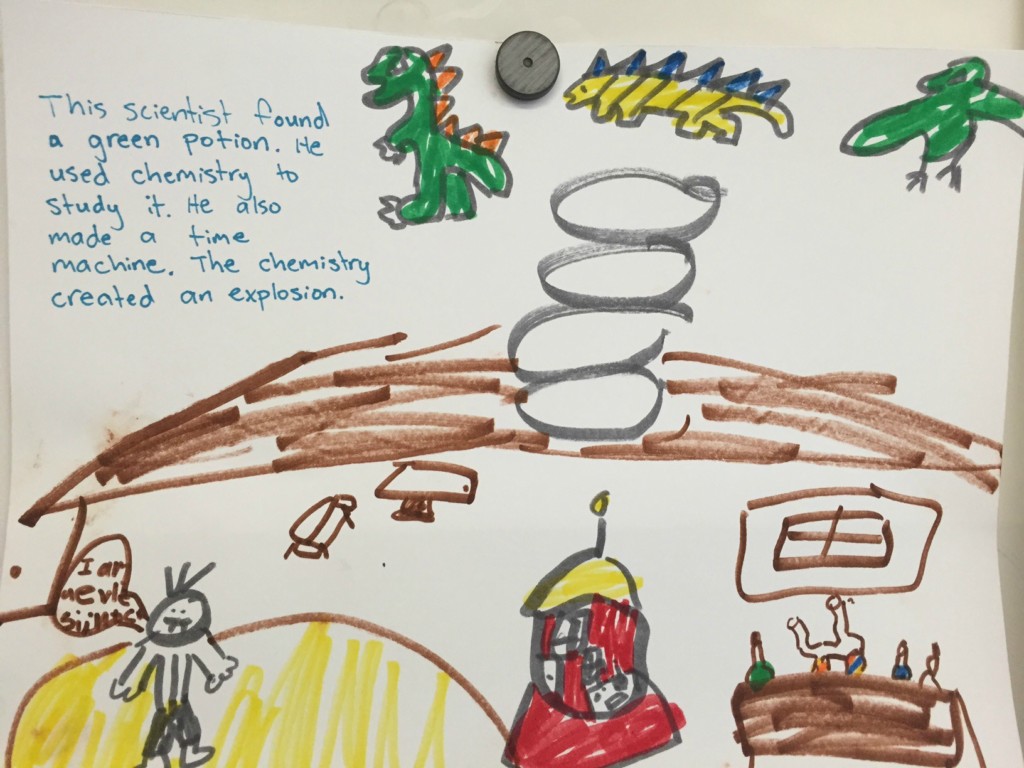
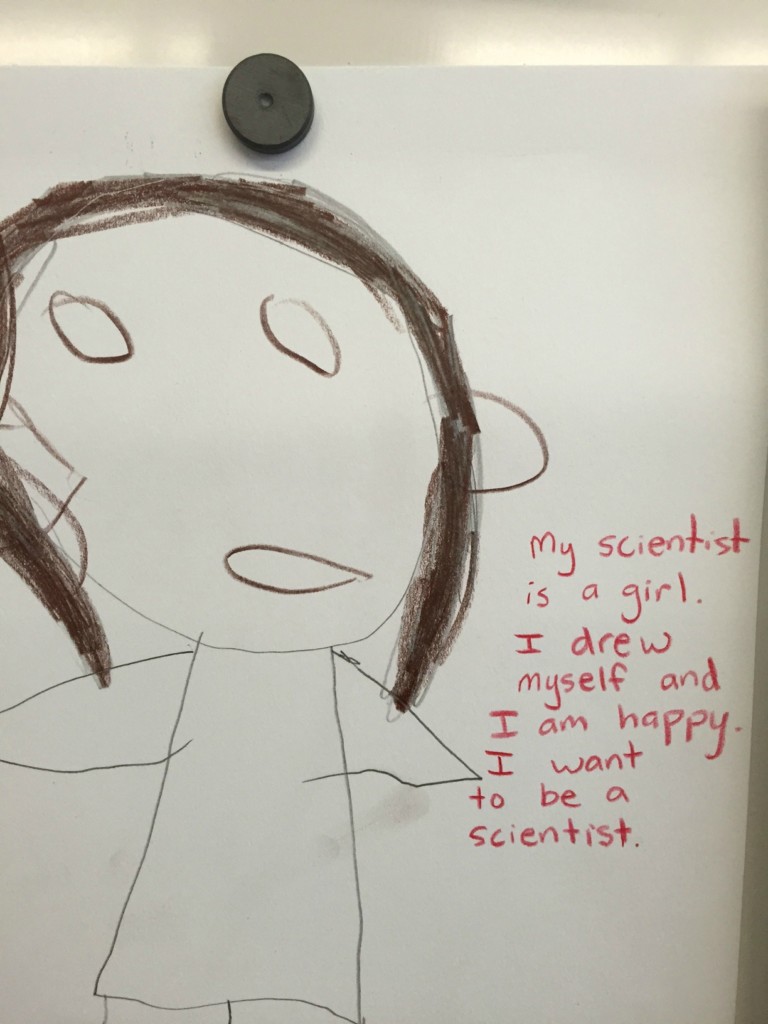
In design lab this week, students in preK, kindergarten and first grade were given the same challenge I gave to you: draw a scientist. Some drawings were consistent with what researchers have found.


Others were not so consistent.
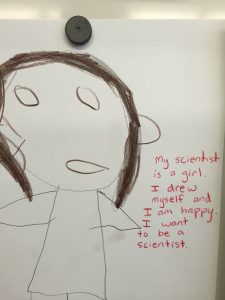
IMG_7613 (1) IMG_7614 (1)

The article above suggests that “students who visit real scientists or engage in hands-on inquiry activities tend to draw less stereotypical images of scientists.” This is  why all schools need programs like our Design Lab and design thinking curriculum; so that we can change our stereotypes and create a brighter future. At each grade level, students are engaged in projects that involve hands-on inquiry inside and outside of Design Lab time. Students at JCDSRI aim to solve real world problems while learning that we can all make a difference in the world, whether you’re a girl, a boy, have crazy hair, wear a lab coat, or none of the above.
Boating in First Grade

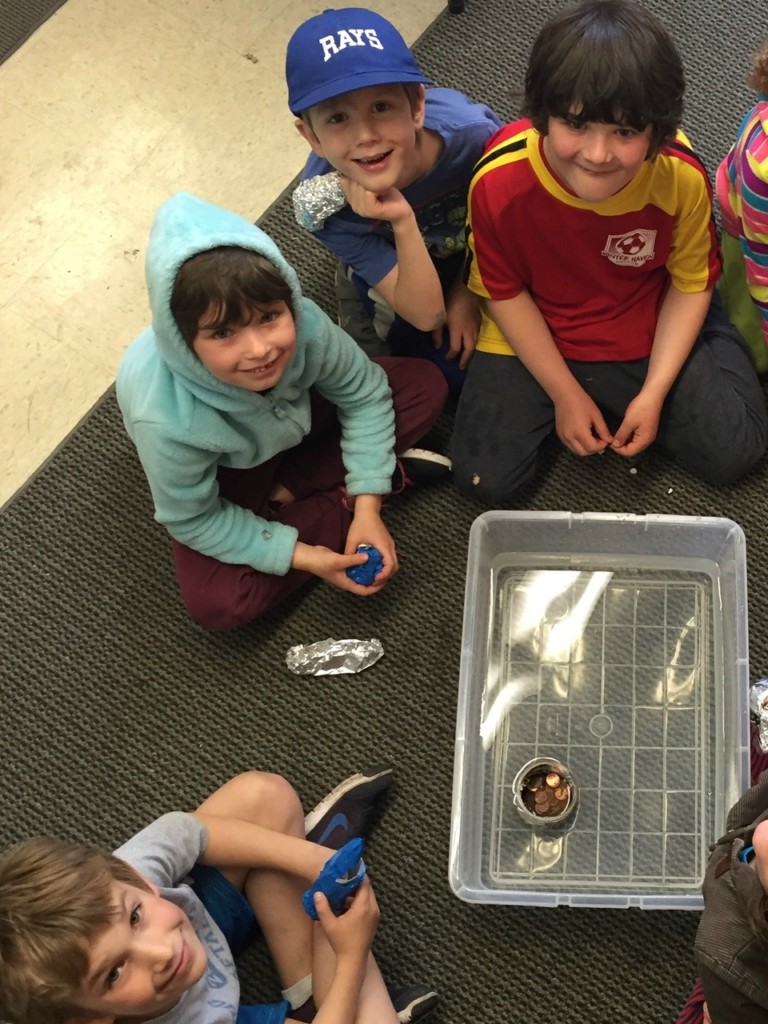
FullSizeRender (1)What makes a boat float? First graders learned that the amount of weight a boat can hold is dependent on the shape of its bottom. They created boats out of tin foil, cardboard, duct tape and some other interesting materials. They are really good at utilizing the materials in the design lab!

Many people created flat-bottom boats and some created V-bottom boats. For example, Gev created a flat-bottom boat out of a cylinder and lots of duct tape. The next step was to add some weight to the boat, so we added pennies! One by one, we counted each penny that was put into the boat together. Can you guess how much money Gev’s boat held?


It held $1.02!

Making Fractions Fun!

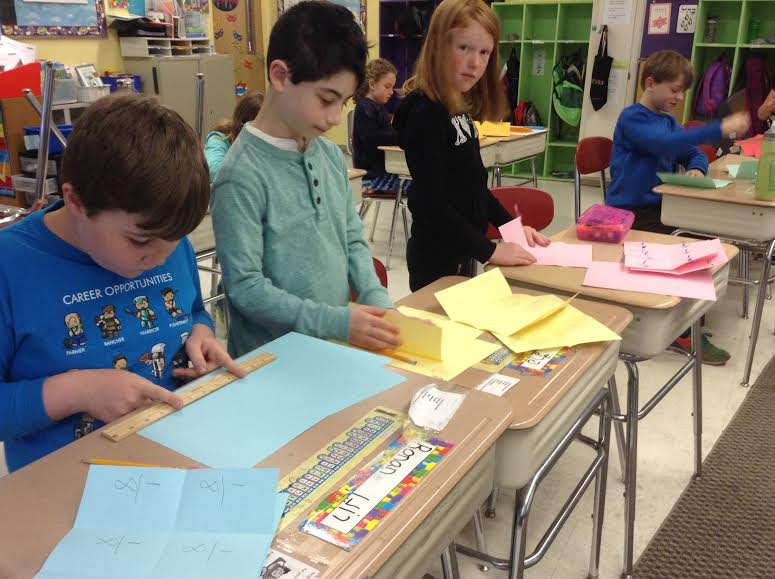
Many students have anxiety around fractions. We use so many whole numbers in math that the idea of splitting them up can be scary. But the third graders have rocked our first look at fractions!

We started with a project called Fair Share. We started off with sharing one brownie with a group of friends. We used paper 6e716943-d2aa-42a8-9d17-0330c6653cd0brownies to actually cut up the brownie in many different ways. We realized that if we share with 2 people, we split our brownies in half. We also realized that we can cut something in half different ways, but still have equal parts. We kept going by sharing that one brownie with 3, 4, 6, and 8 friends.


Then we kicked it up a notch by sharing multiple brownies. We first tried to share seven brownies with four friends. Many groups found multiple ways to share them, some with proper fractions and some with impro2f160d0f-0b76-47fe-8406-f7765b62cff0per. This investigation opened up many discussions about math, and everyone shares their own ways of dividing and making fractions.

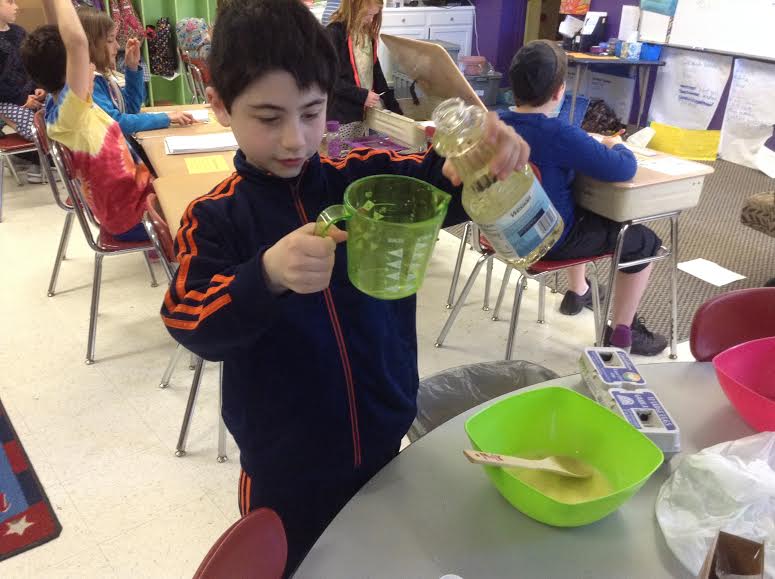
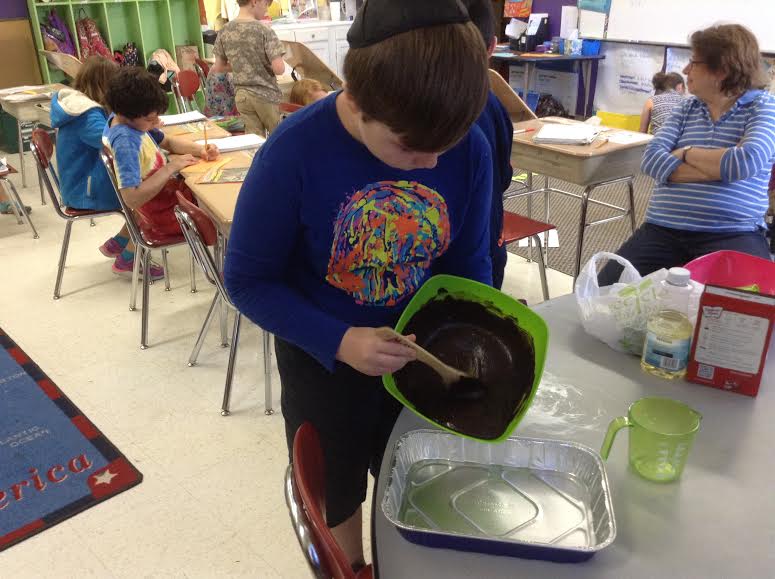
Last, to celebrate, we had to make REAL brownies, of course! We enjoyed making them, measuring, pouring, mixing, and finally splitting them up to share with our real friends, too.

c662935b-c557-4376-aaaa-41ad57e2bda4

Cultural Traditions are Celebrated in the Second Grade!

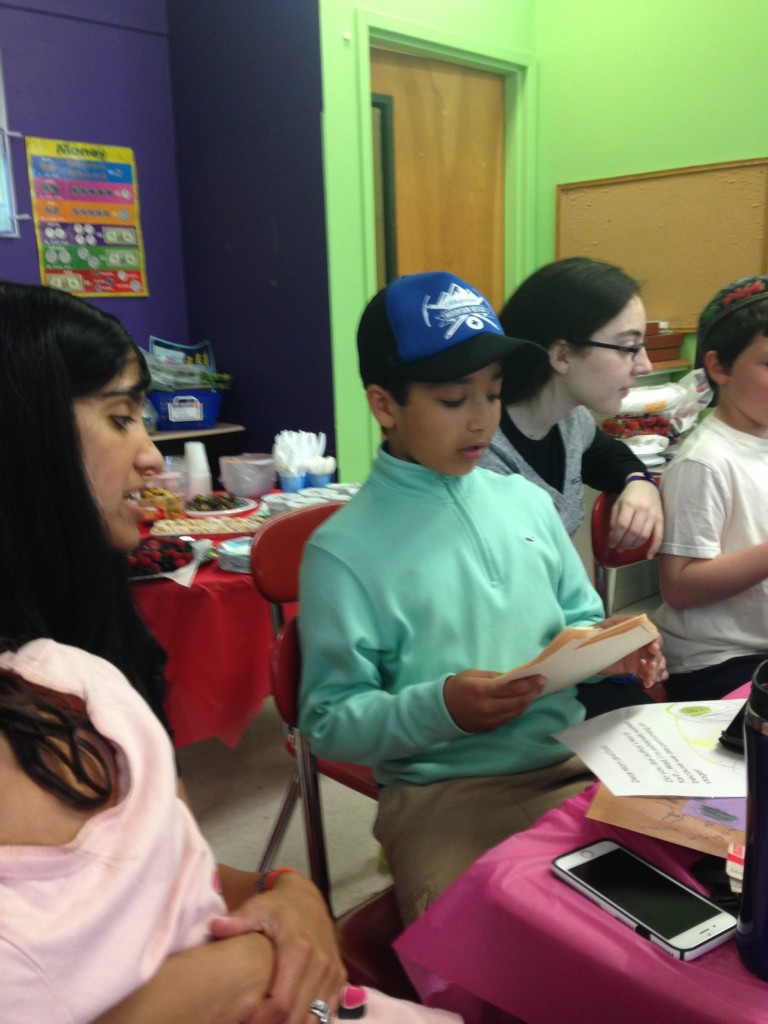
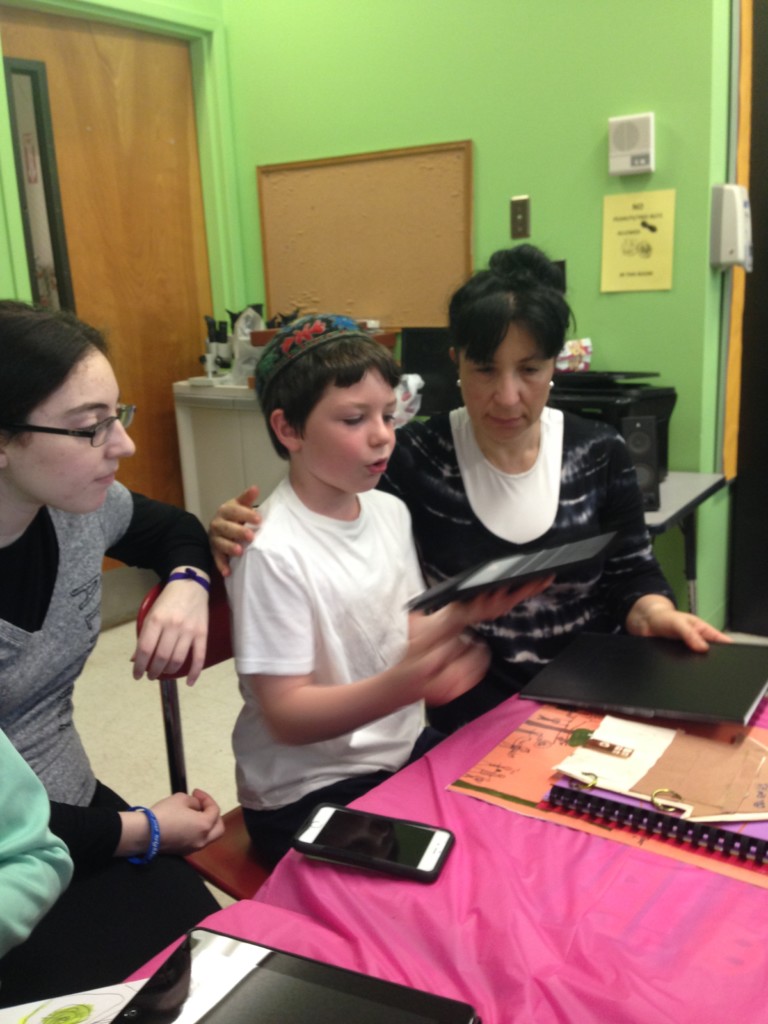
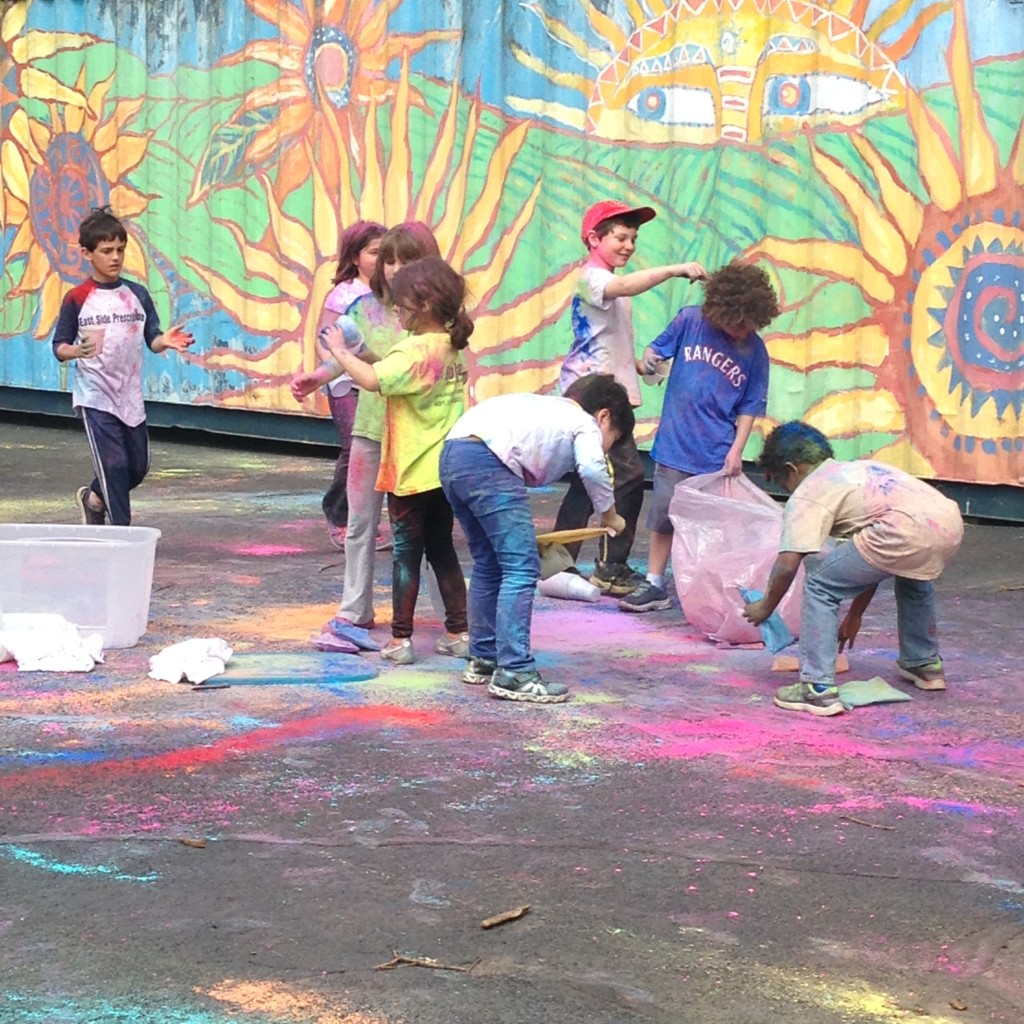
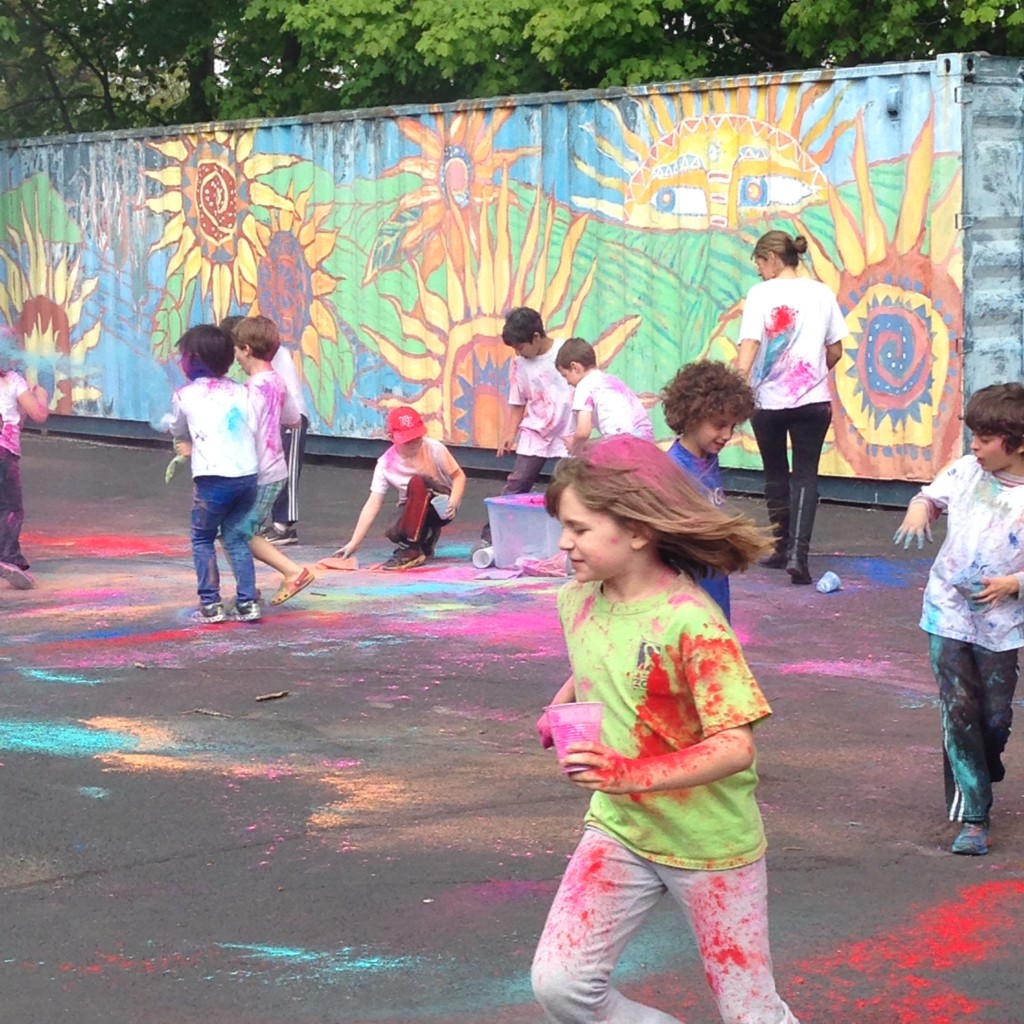
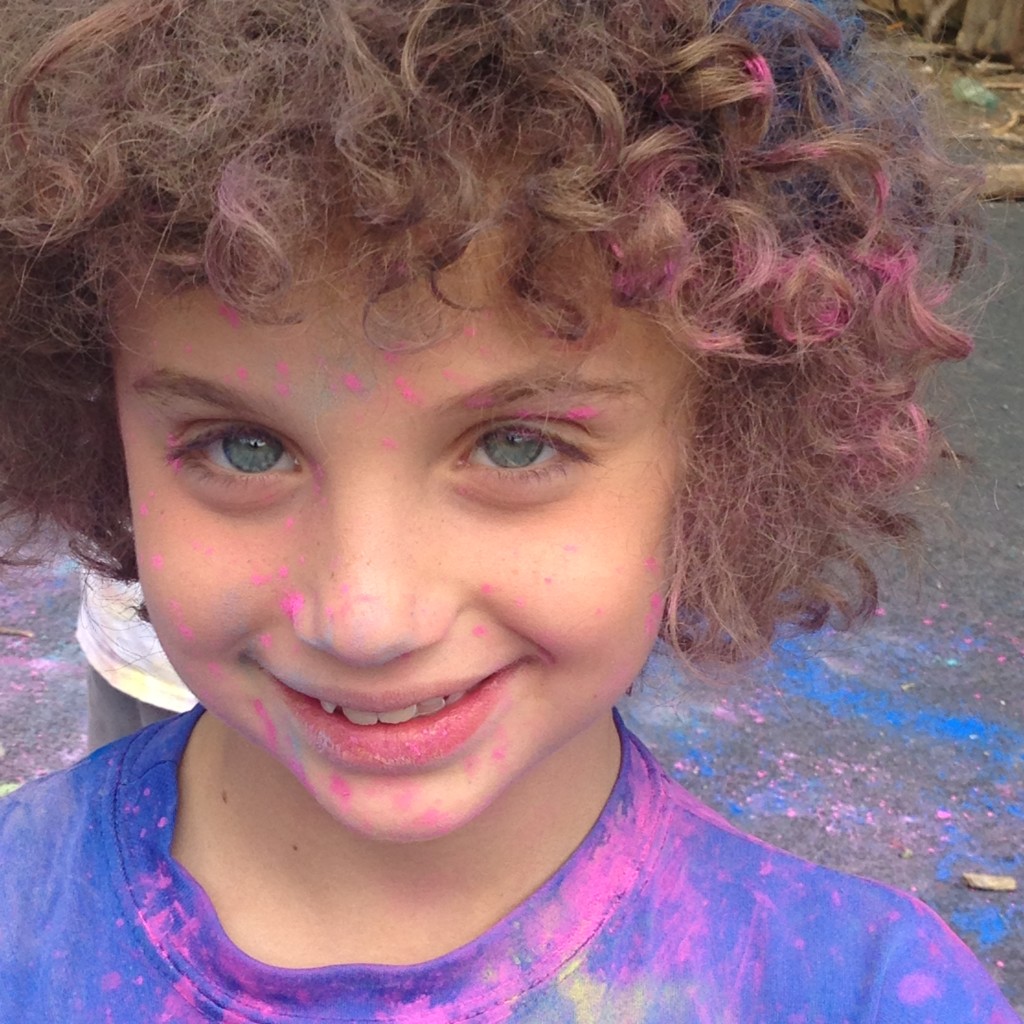
Students in the second grade have had the amazing opportunity to learn about various cultural traditions that are special to our JCDSRI families.  Our project began when we learned about immigration and, through our fa241 mily research, decided that it was important to celebrate our diverse cultural backgrounds and traditions. We celebrated Holi – the Hindu spring festival of colors or the festival of sharing love:)

234 243

244 248


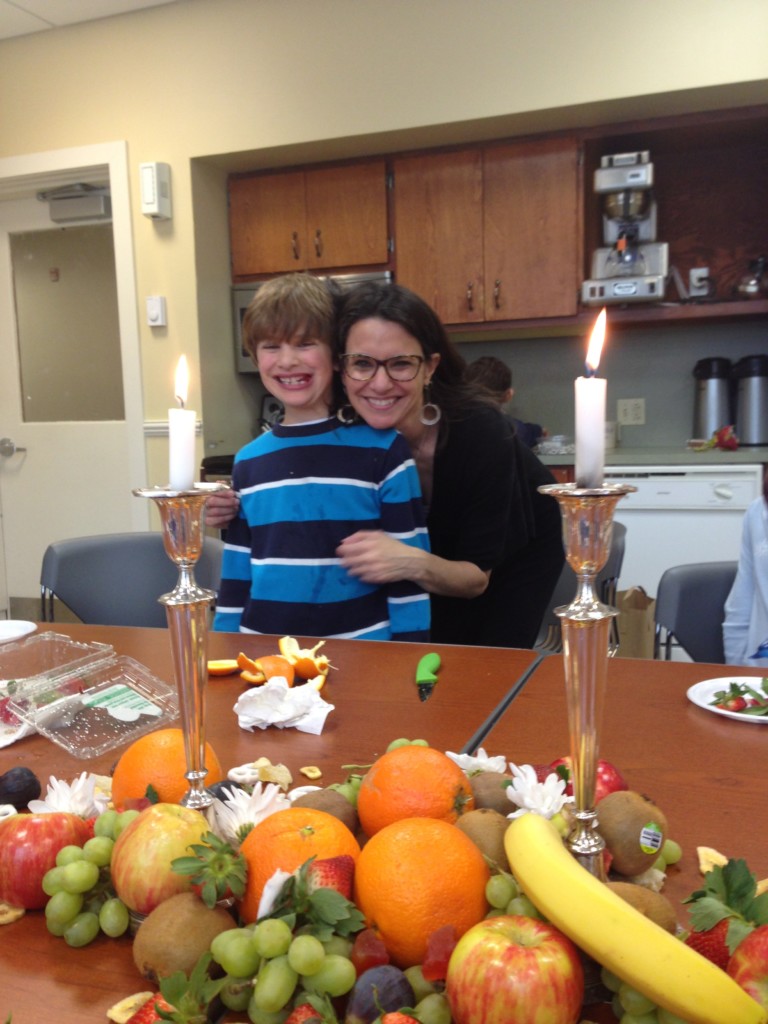
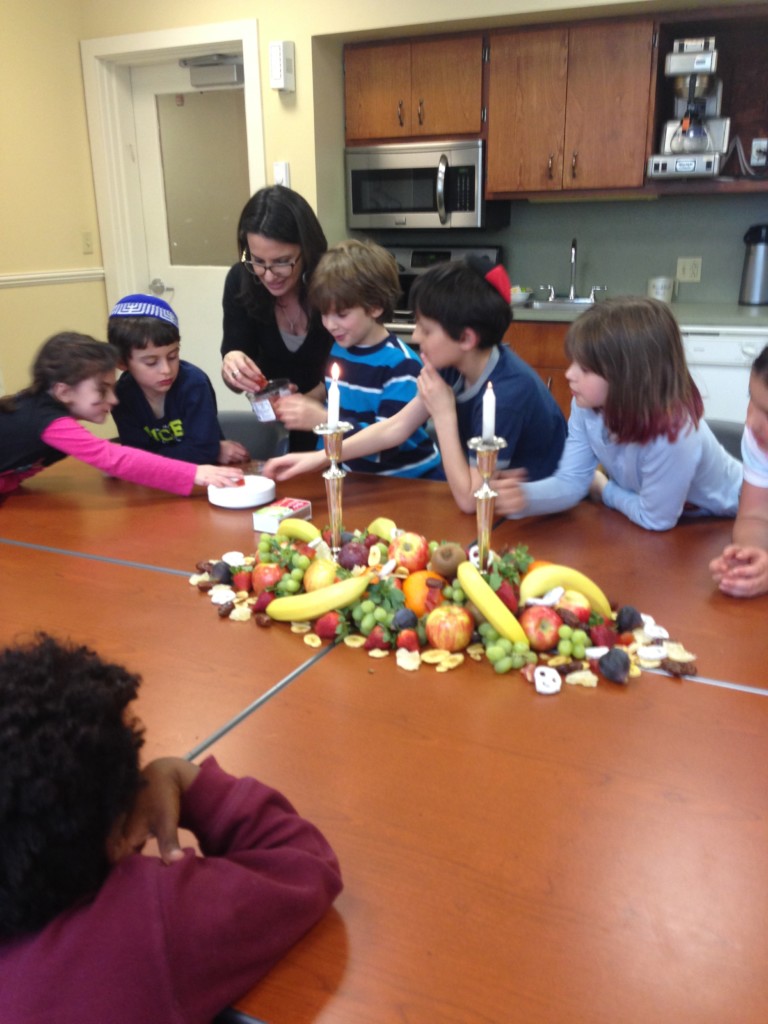
We learned how one special family makes edible centerpieces made up of dried and fresh fruit for special holidays.

023019


062


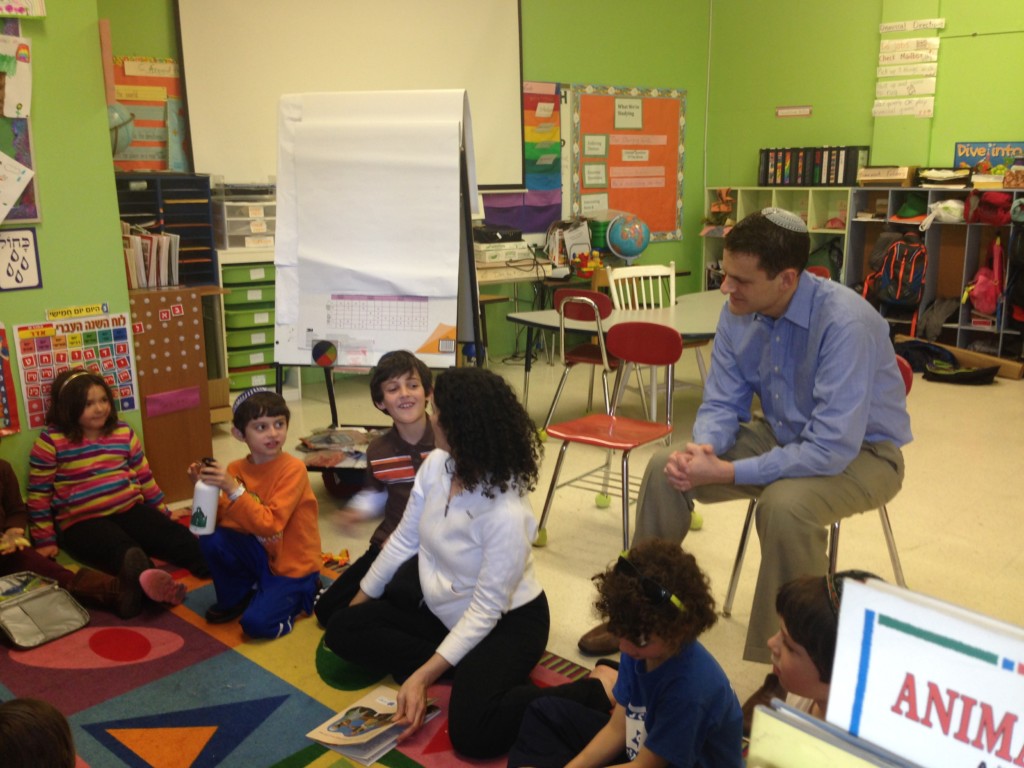
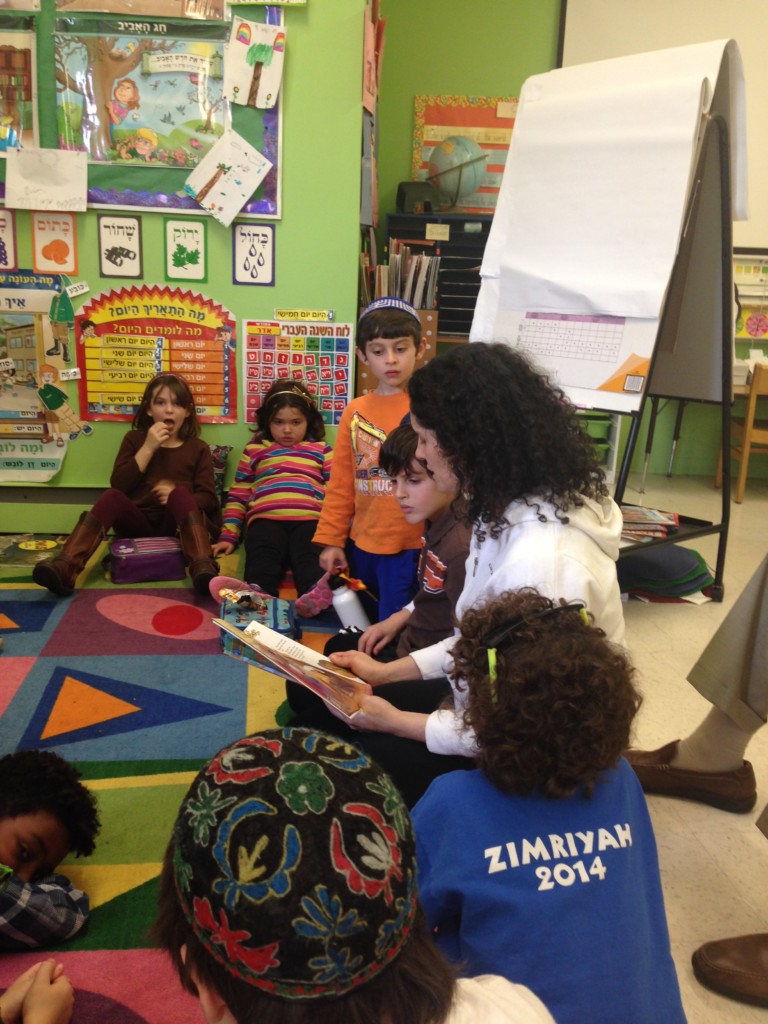
Another family shared their beautiful tradition of reading books and asking important questions about Passover.


063


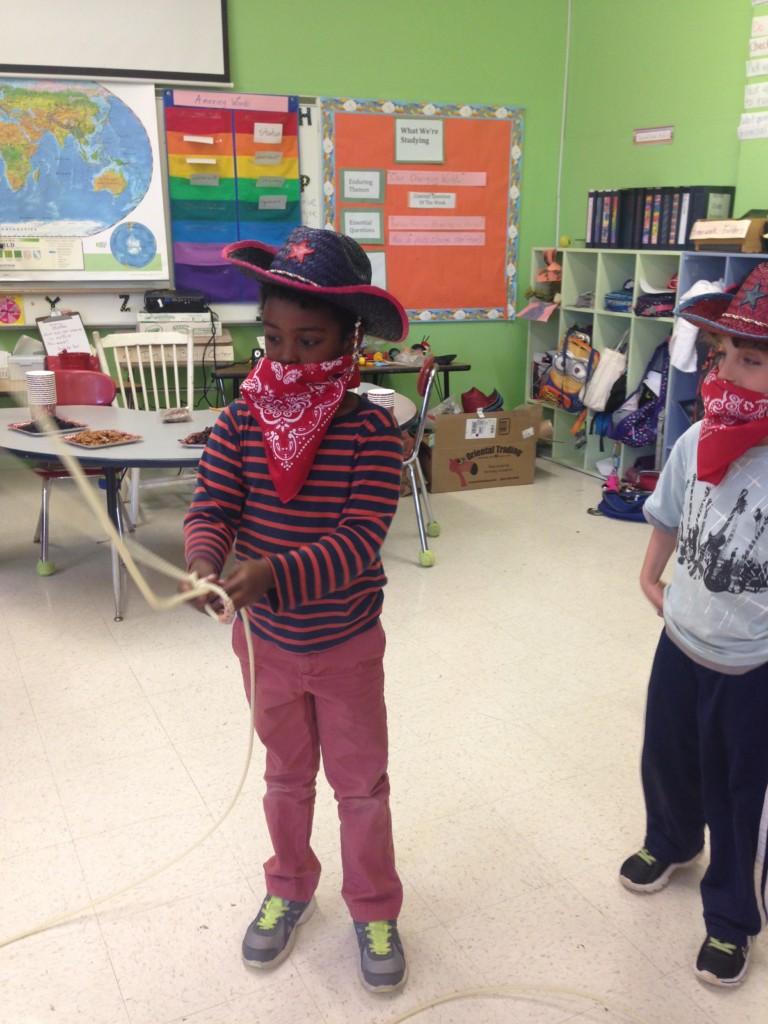
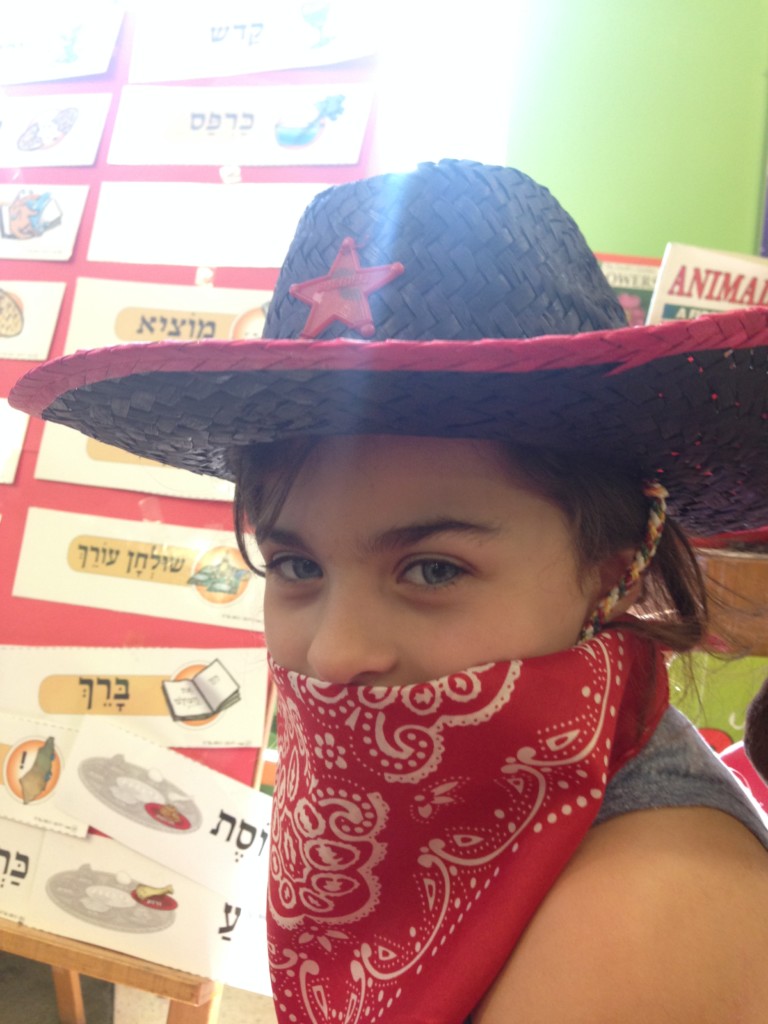
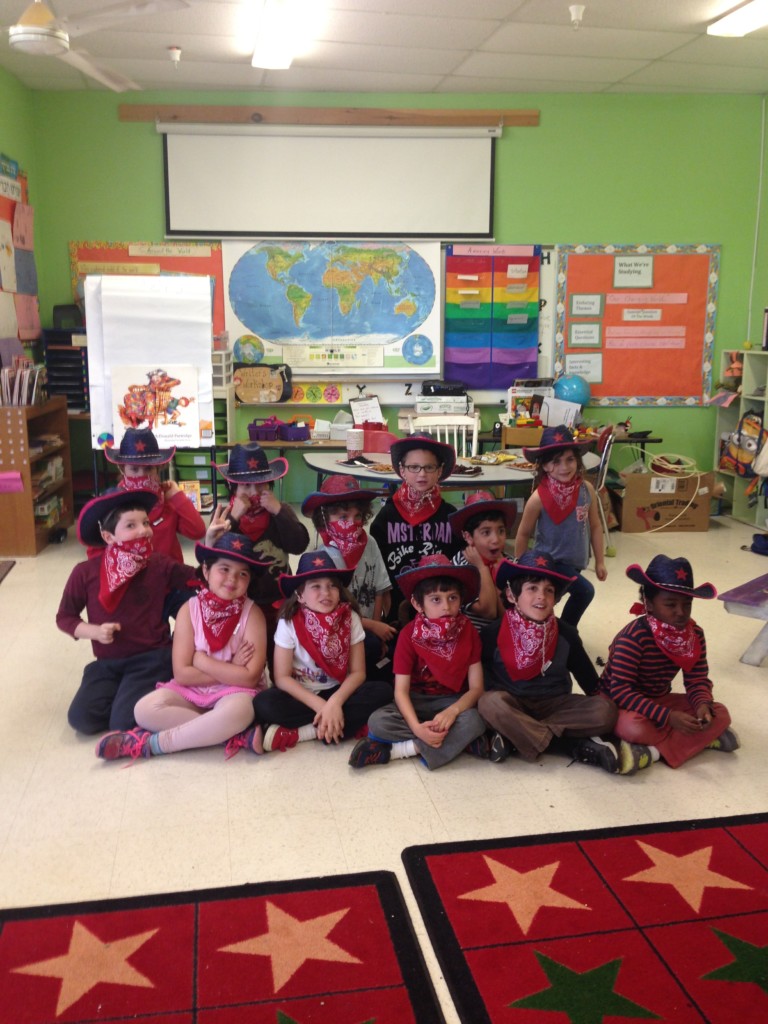
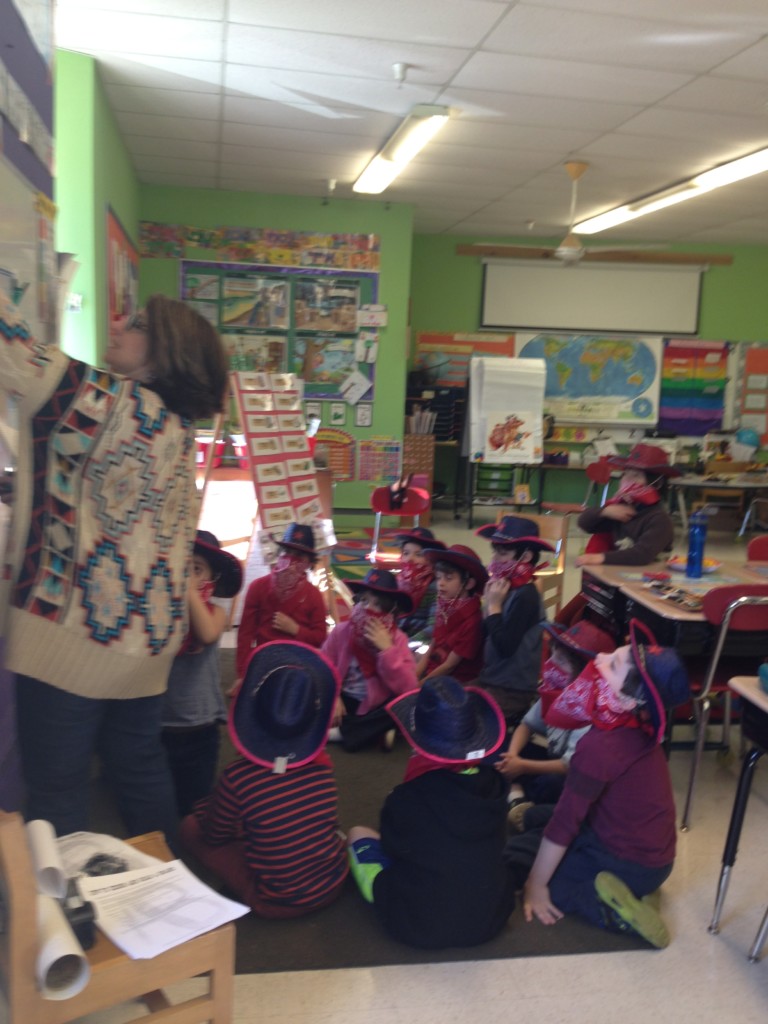
And a fabulous grandmother came from Texas to teach about the history of Texas and the many traditions that are practiced there.

131 126 138 122