3D Shapes

We have been learning about how things change over time. This week, we read Farfallina and Marcel which is about the friendship between a caterpillar (Farfallina) and gosling (Marcel). Both characters go through changes as Farfallina becomes a butterfly and Marcel grows from a gosling to a goose. Sadly, as both characters appearances change quite drastically, they no longer recognize one another. Then one day, they begin having a conversation and are delighted to discover that they are long lost friends!

Amazing Words:

  • caterpillar
  • butterfly
  • cocoon
  •  gosling
  • goose
  • reflection

The children have been writing and illustrating sentences using the weekly amazing words. At the end of the year, we will combine their writing pieces into individualized books for each child to take home. Additionally, each amazing word is underlined, so the students will always remember them!

We also began exploring three-dimensional shapes this week. We learned that three-dimensional shapes are solid, (not flat) and have corners, edges and faces. We even learned a new song to help us recall the names of the shapes and compare them to real world examples.

Chorus

Here are the 3D shapes that I know…

A sphere, a cylinder, a cube, and a cone (and a pyramid)

Verse 1

A baseball, the moon

And an orange I have right here

Are all examples of a 3D shape

That people call a sphere

A basketball, the Earth

And marbles I have here

Are all examples of a 3D shape

That people call a sphere

Verse 2:
A soda can, a pencil shaft,

And a can of soup would be

Examples of a cylinder

As you can plainly see

A marker, a glass of milk,

And a peanut butter jar

Are examples of a cylinder

Yes, I’m sure they are.

Verse 3:
An ice cube, a cardboard box,

And a birthday present for you

Are all examples of a 3D shape 
that people call a cube

My little dice, a Rubix cube,

And a block that I use

Are all examples of a 3D shape

That people call a cube

Verse 4:
An ice cream cone, a pencil tip,

And a megaphone

Are all examples of a 3D shape

That people call a cone

A birthday hat, a traffic cone,

Or a funnel in my home

Are all examples of a 3D shape

That people call a cone

Verse 5

A paper weight, Egyptian pyramids

And some tents would be

Examples of a pyramid

As you can plainly see


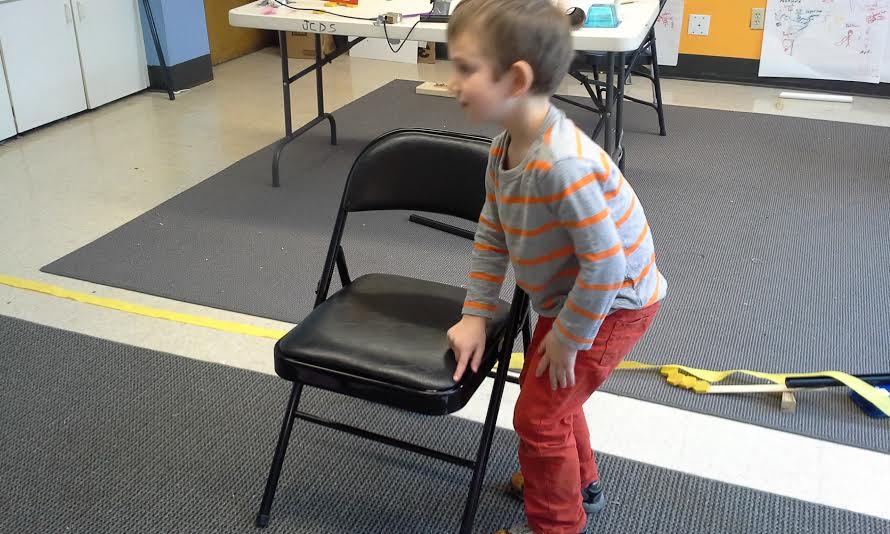
The children went on a scavenger hunt and found various two and three-dimensional objects.
Na shape

ha shape

Mo shape

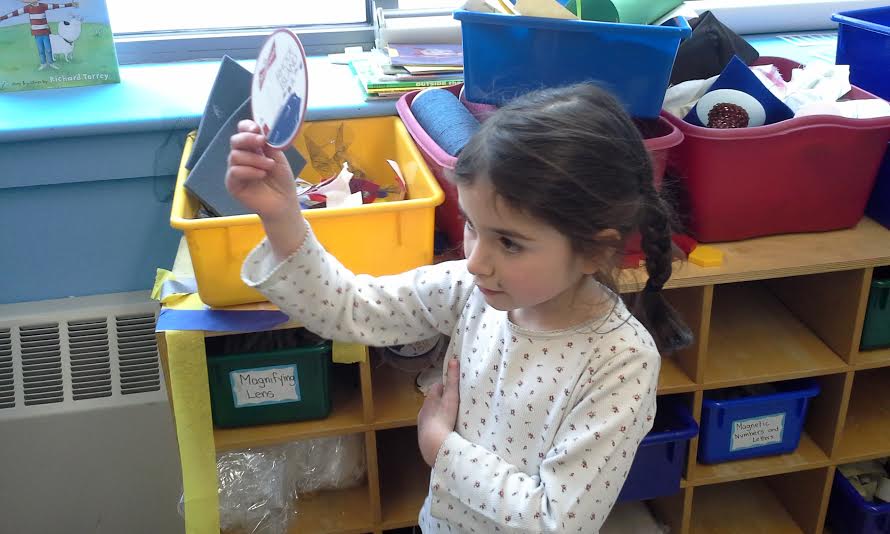
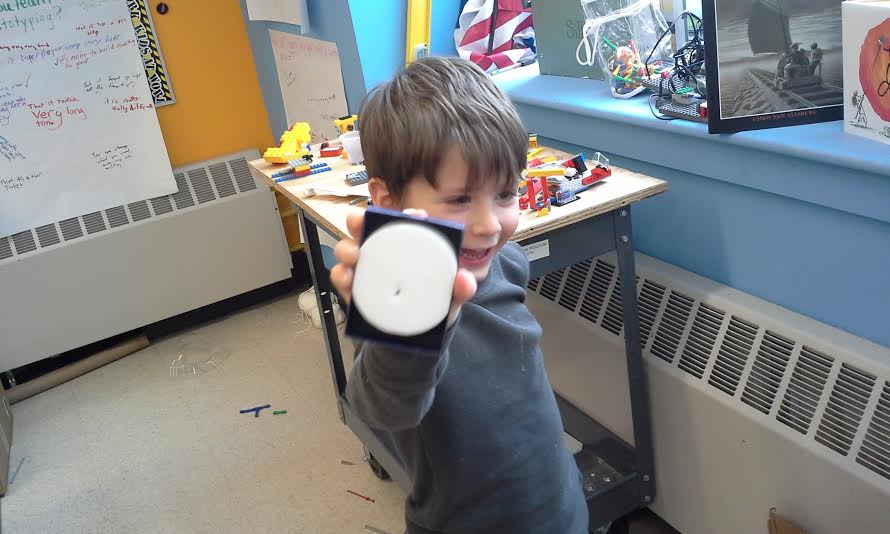
Here are some of the three-dimensional shapes we found in our classroom:

Sphere: an orange, a clementine, the bead container on the art shelf, and the shemesh (sun) light hanging from the ceiling

Cylinder: water bottles, thermoses, some containers on the art shelf, the paper towels, the trash can

Cube: lunch boxes, snack containers, tissue boxes

Cone: The tips of the pencils, one of the magnet blocks

Pyramid: Some friends made pyramids out of Magna-tiles.

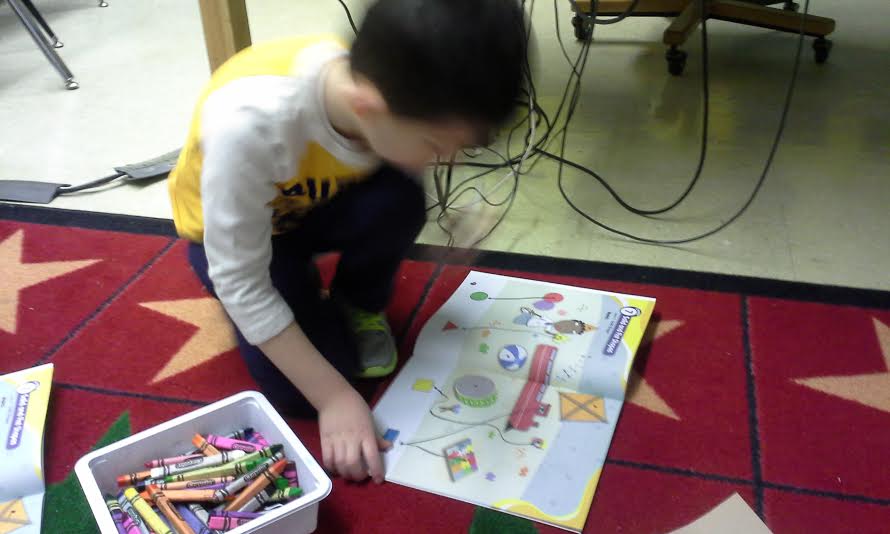
In a compare and contrast activity, the children analyzed the differences and similarities between two-dimensional shapes and three three-dimensional shapes :

El shape ay shape


Celebrating Tu B’Shvat

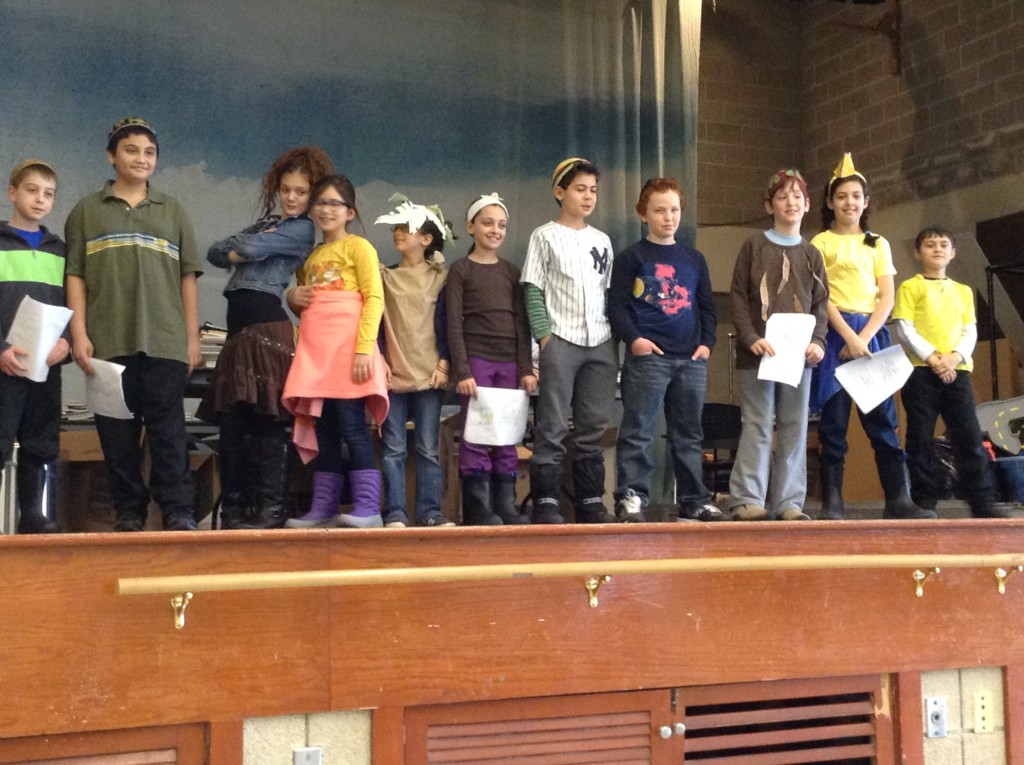
Our special Tu B’shvat celebration was with and for our kehilah (community.) First, we walked to the JCC to celebrate with the seniors at the Meal Site and with the young children at the Early Education Center. After lunch the students led the school assembly about the holiday. The students’ group Einshem sang a song סמבה לט”ו בשבט Samba for TuB’Shvat. The trees, the fruits and birds are all happy and dancing for the holiday. The students’ group Hafalafelim presented a story by Levin Kipnis שישה בשקיק אחד Six in One Bag. It is about an almond, a date,  a banana, a carob, a fig and an orange. All the fruits get into the bag one by one  and when a boy finds the bag he enjoys a tasty snack.

With two snow days, in less than a week, the 4th and 5th grade students had only two Lashon periods to practice for their tasks. They worked hard and today they shone! It was wonderful to hear so much Hebrew from our students and to see them perform for the community with enthusiasm, joy and pride.

חג שמח Chag Sameach,

Rotem

IMG_1325


IMG_1330


Do the ends justify the means?

In different words, this question has been raised lately, multiple times.

This week we read that Mae Tuck killed a man to save a child, her family, and possibly the fate of humankind in our class novel, Tuck Everlasting by Natalie Babbitt.   But did she have to kill him?  Was that the right thing to do?  Was that her only option?  What might she have done instead?

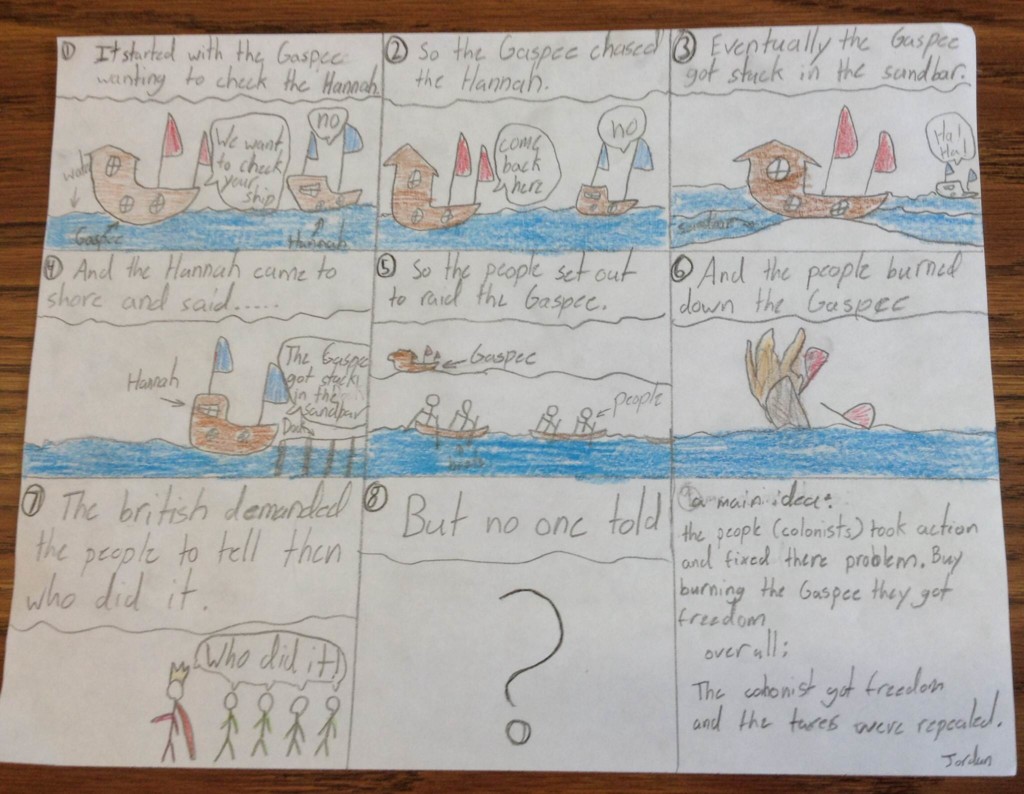
Students were riveted by the story of the Burning of the Gaspee.  As we prepare for the tea tax debate, we are looking closely at the many catalysts for the American Revolution.  While some colonists wrote letters to express their feelings of discontent, many others reacted with violence.

In fifth grade, we will continue to wrestle with this question.  Is it ok to do something wrong if it is for the right reason?  Do the ends justify the means?  For the sake of a more generative discussion, I’d like to encourage parents and fifth graders to post any thoughts they have on this big question directly onto our blog.  Thank you!!!

Fifth graders synthesized their knowledge by retelling the event, sharing the big ideas, and making predictions.  Completed work included: slideshows, a news article, two cartoons, and a poster board display. Below are links to the student slideshows about the Burning of the Gaspee.  You might need to copy and paste the link into your address bar.

https://docs.google.com/a/jcdsri.com/presentation/d/1lAGJ9CuRaFTsuyMOGcu9CwbOLIaHR-c-MW_jNKSKtSA/edit?usp=sharing

https://docs.google.com/a/jcdsri.com/presentation/d/1jUfUUKeW5Y4098b4v6mVk88v_xxzgL4vN8aCobPq3j0/edit?usp=sharing

https://docs.google.com/presentation/d/1OGpvFtRXCW3Pm5Fx6kCOrfgy-Fl07PlquAewLNuThtg/edit?usp=sharing

https://docs.google.com/presentation/d/1fCSV74Er5SLZu3CPQ0UwxnurU9rrtR0f4k1d491PC0s/edit?usp=sharing

Jordan's Cartoon
Jordan’s Cartoon
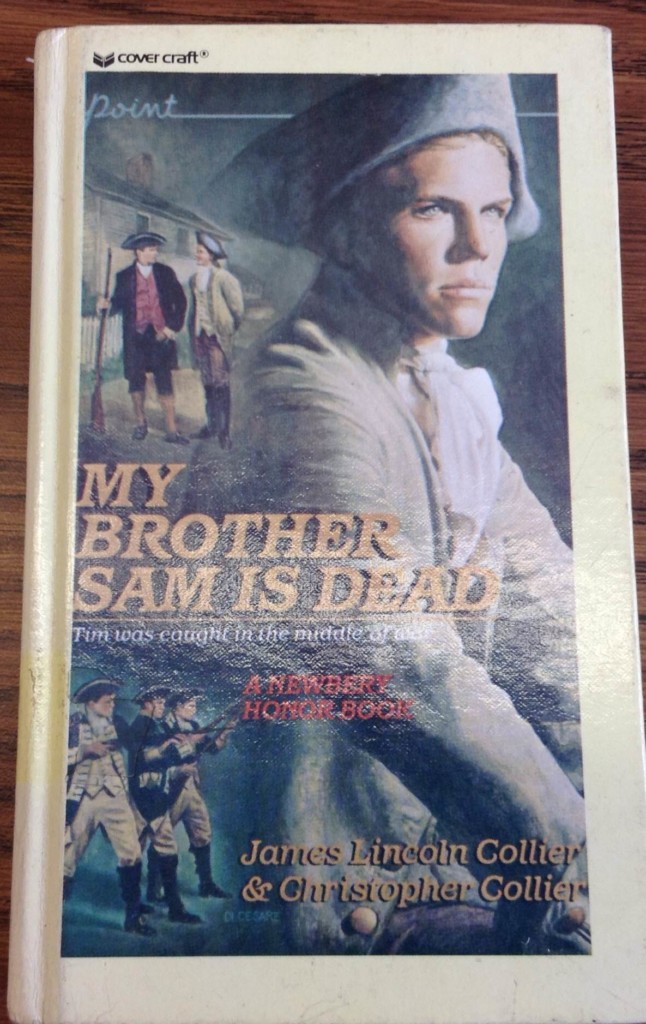
Our new class read-aloud

As

Elliana Ponders the Gaspee

This week in Social Studies we learned about the burning of the Gaspee, which took place in 1772 when the British were ruling Rhode Island. The British had passed a tax on the cargo in ships, so they had ships to collect the tax. In Rhode Island we were very upset by this, so we would smuggle the cargo and try to avoid the tax collector ship. Then when the British found out about the smuggling they hired a large boat called the Gaspee to collect taxes. The Gaspee was a mean and aggressive ship and the crew on the Gaspee made sure no one would smuggle. One day a cargo ship called the Hannah was sailing to Providence when the Gaspee asked them to stop and let them search their ship. When the Hannah said, “NO,” and started sailing away, the Gaspee started sailing after them, and for a long time this went on until the Gaspee got stuck in a sand bar because it was heavy. The Hannah then rushed to Providence to tell people what had happened. Then a drummer went out in the streets to gather up people to plan the attack on the Gaspee. After that they all got in 8 big row boats and went to the sand bar where the Gaspee was stuck, and at 12:00 they attacked it and lit the Gaspee on fire. When the British got word of this they questioned everyone about the attack and no one told. Overall I think it would have been really cool to experience the burning of the Gaspee, but I was born 200 years late.

Historical Fiction

This week we learned that historical fiction is a literary genre in which the plot takes place in a setting located in the past. We read a story called, George Washington Visits, which takes place about one week before George Washington became the first President of the Unites States. In this story, he was called, “General Washington,” and the townspeople were putting together a celebration in honor of his upcoming visit. A young boy and his father, a blacksmith, worked together to make a very special sign in the shape of an arch to welcome General Washington.

After discussing our new amazing words and reading the story, each child selected an amazing word to write about and illustrated their work.

Amazing Words:

  • celebration
  • sprinted
  • arch
  • blacksmith
  • soldier
  • barn

New sight words:

  • look
  • see

Blending words together in guided reading:

guided reading 1

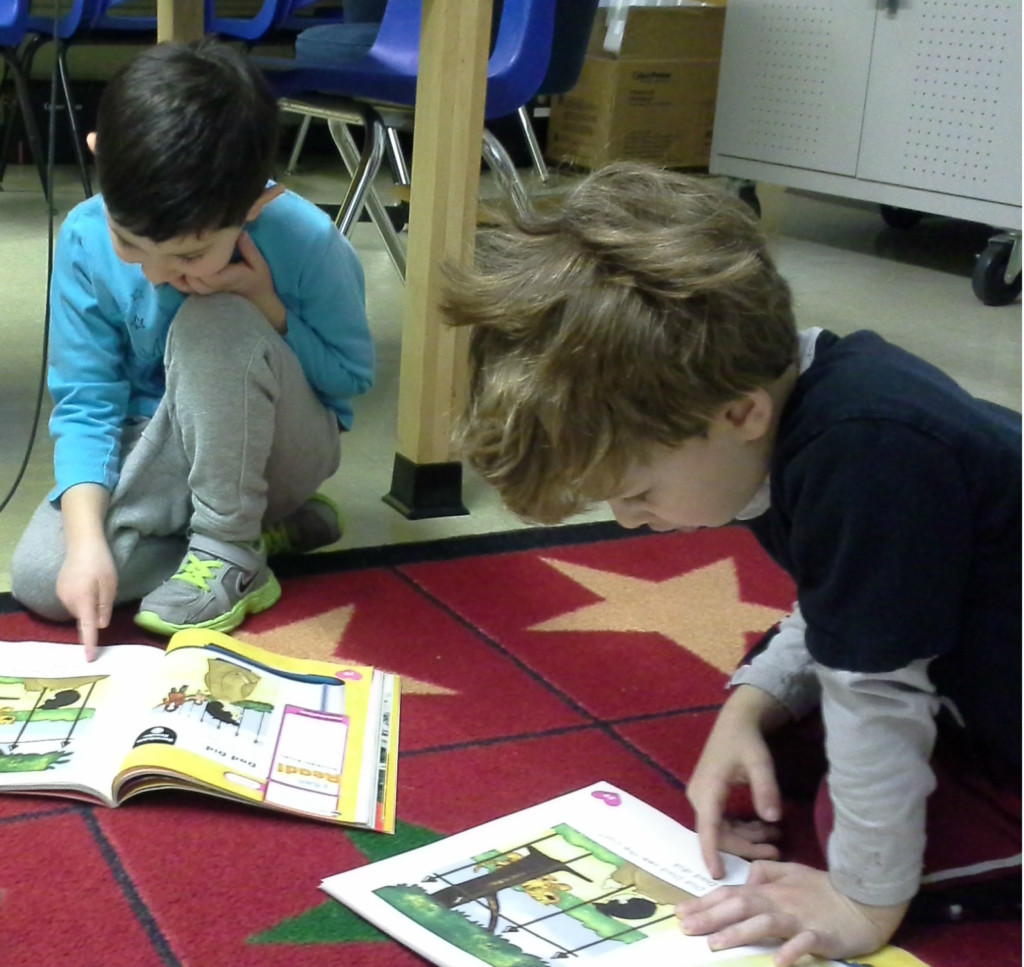
Taking turns reading aloud:

20150129_090950

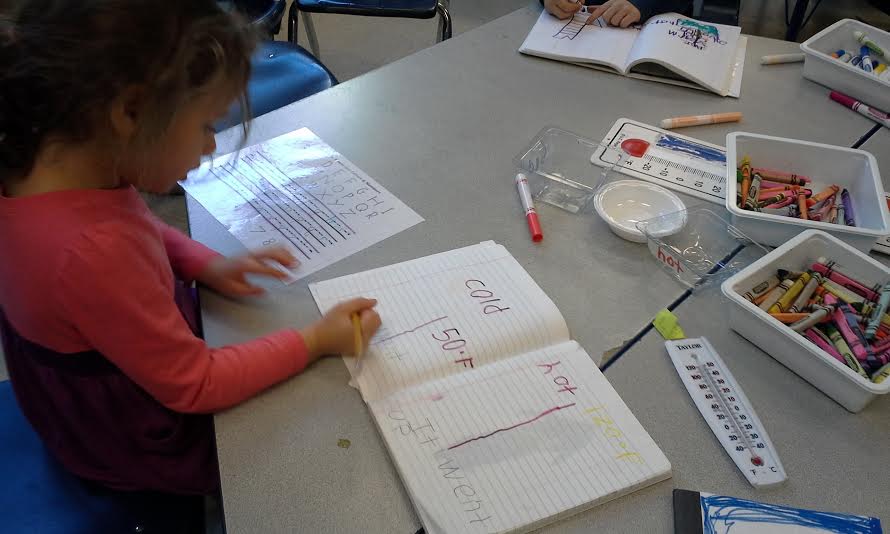
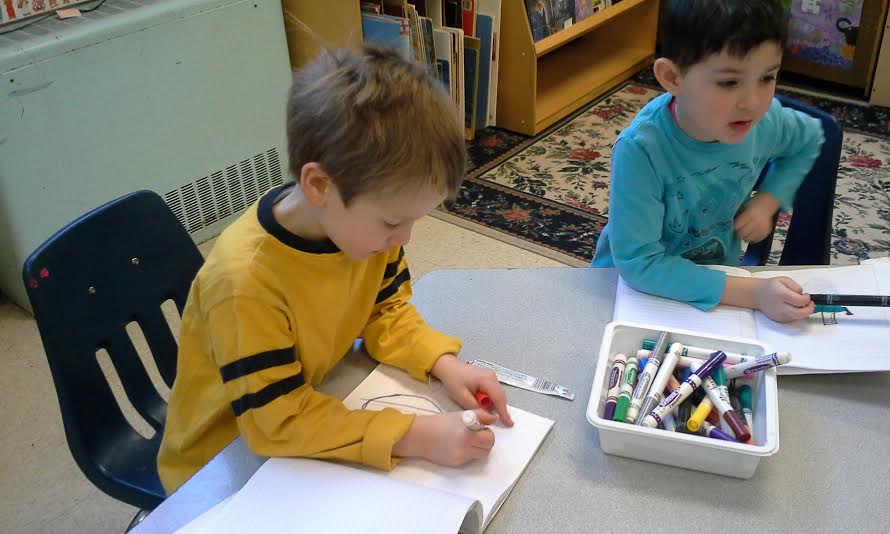
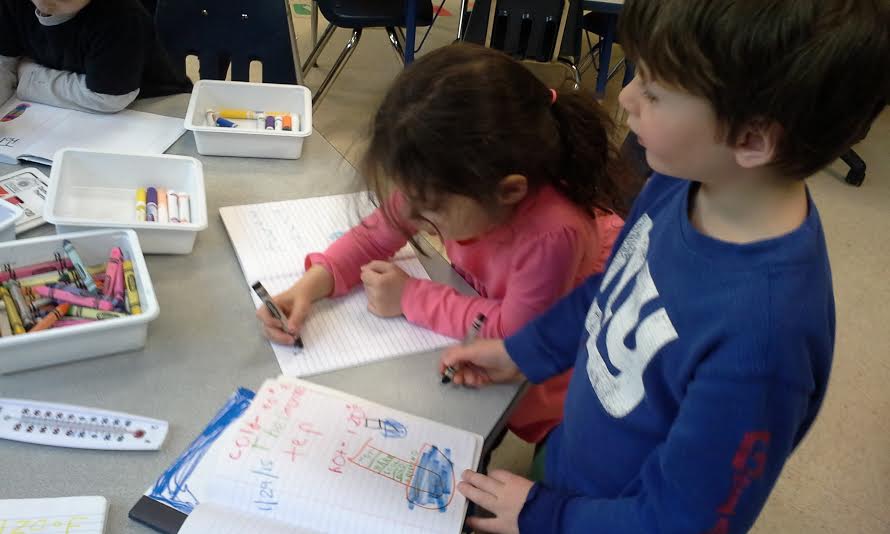
Today we learned that thermometers are tools that we use to measure temperature. We explored a color-coded thermometer which helped us understand which temperatures (Fahrenheit) are considered freezing (purple), cold (blue), cool (green), warm (yellow), and hot (red). We made predictions and placed an actual thermometer in containers of cold and hot water. The children watched as the red line moved down in the cold water and up in the hot water. Afterwards, they recorded their observations in their science journals.

hot cold

hot cold 2

hot cold 3

hot cold 5

Spirit Day is Friday, January 30th! Everyone is encouraged to wear the colors of their favorite team, or their own personal favorite colors!

Reminder: Please send snow pants, boots and other winter clothing for outdoor recess fun.

Egg-connections and Double Sweet Special Visitors


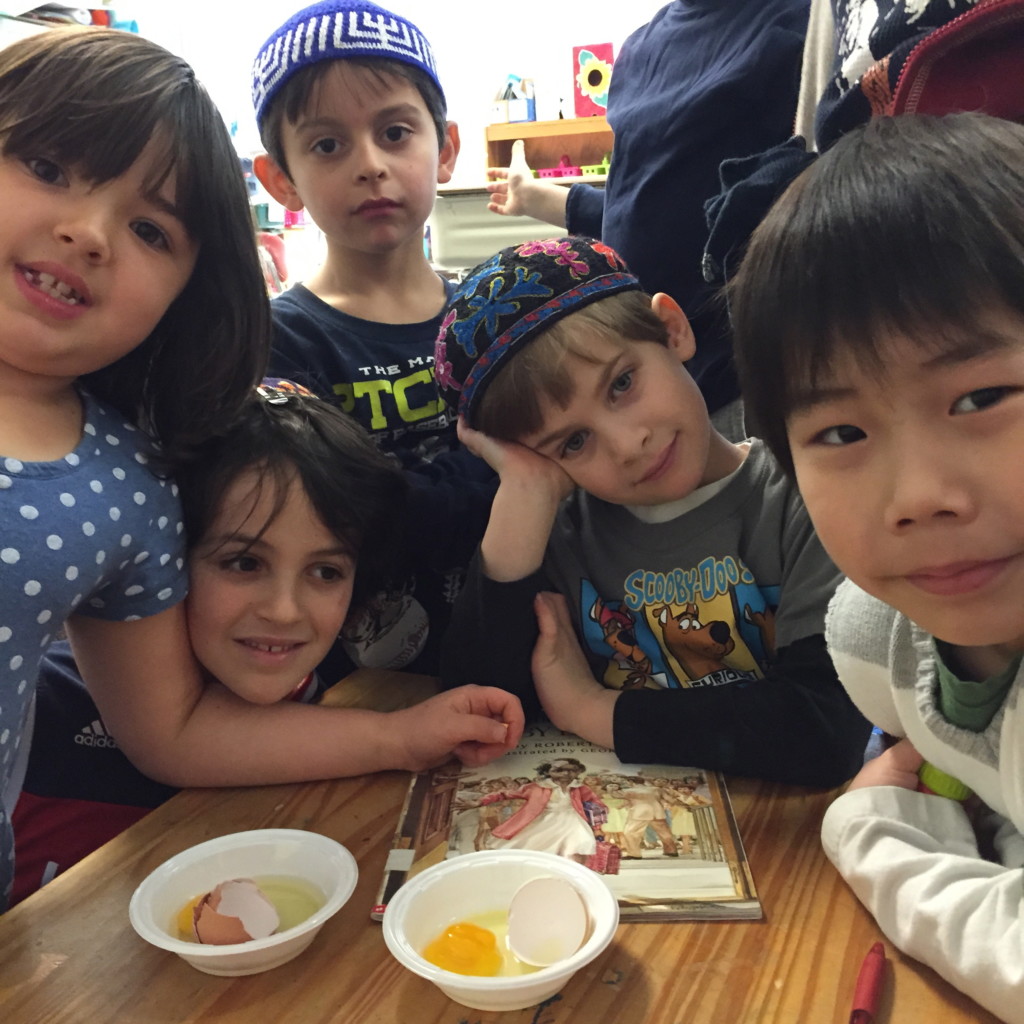
Just looking at this photo makes me take a moment to marvel how fast these kiddos are growing up.  My serious students are crowded around a story about Rosa Parks and yet another way to use eggs in our lessons.  Why an egg you ask? The students were asked to observe the properties of two eggs. One with a white shell and the other brown.  My clever students quickly understood where I was going with the demonstration and got straight to the point.  “The different eggs are just like skin color but when we crack them they are the same!” One student reminded me to check for any blood spots because it wasn’t kosher if it did.  I reassured him that we were not eating the eggs, just observing their properties.  Now that is what I call a multi curriculum home run. We used science terminology to support a discussion on discrimination and a sprinkling of Judaic teaching.


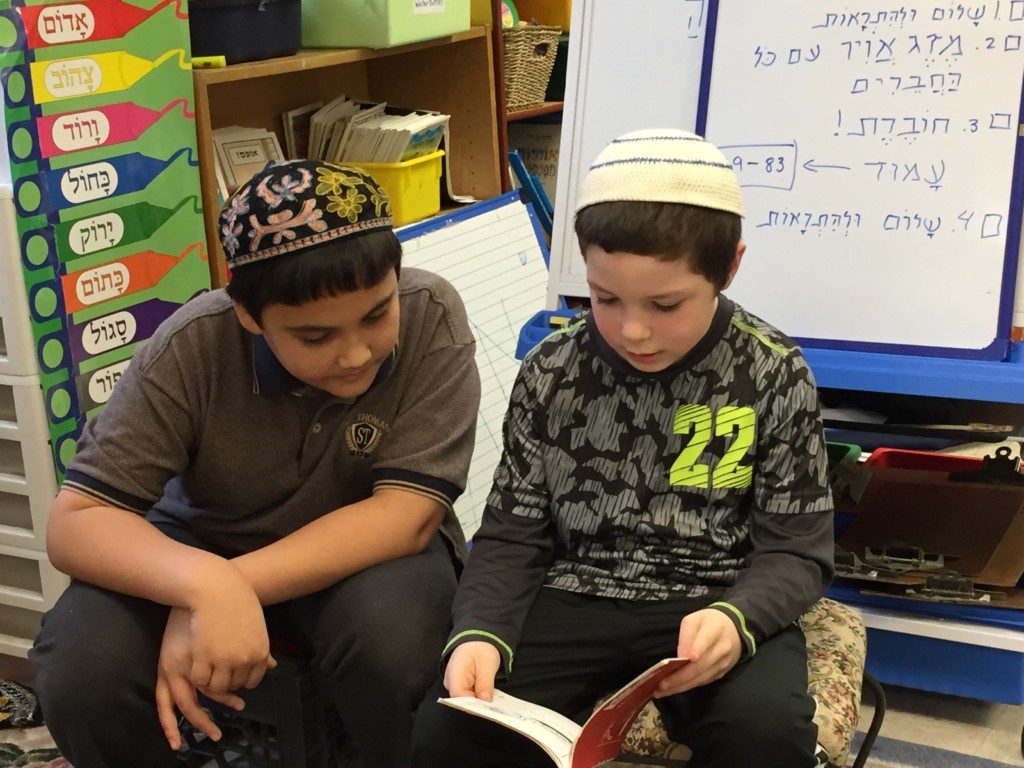
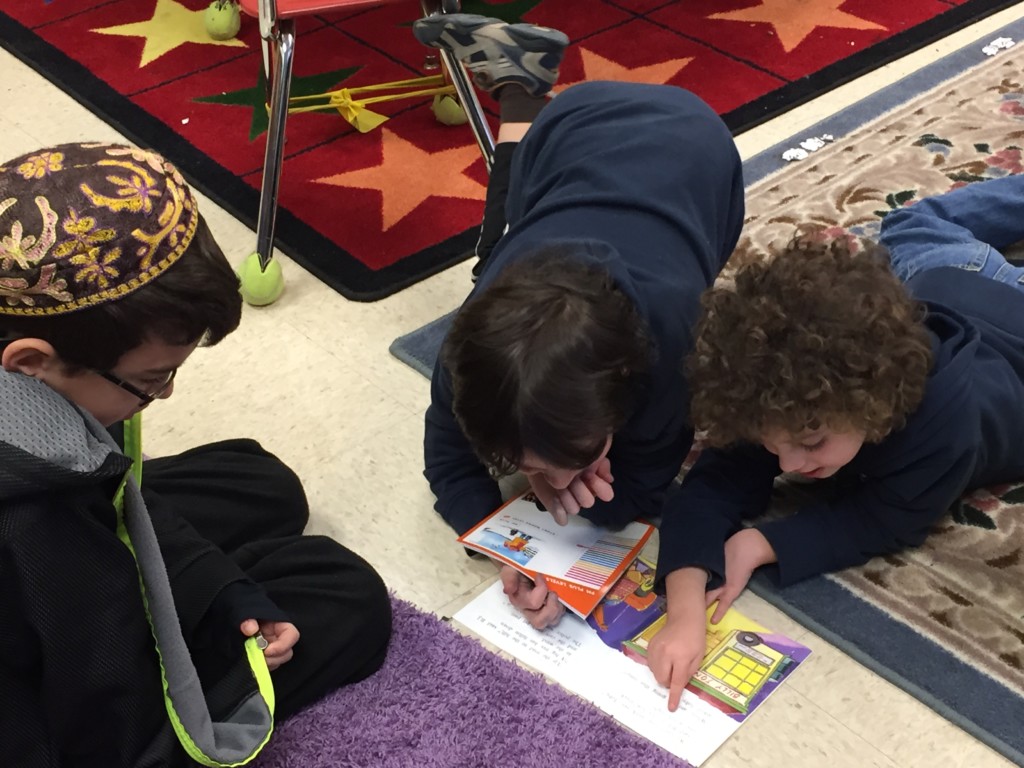
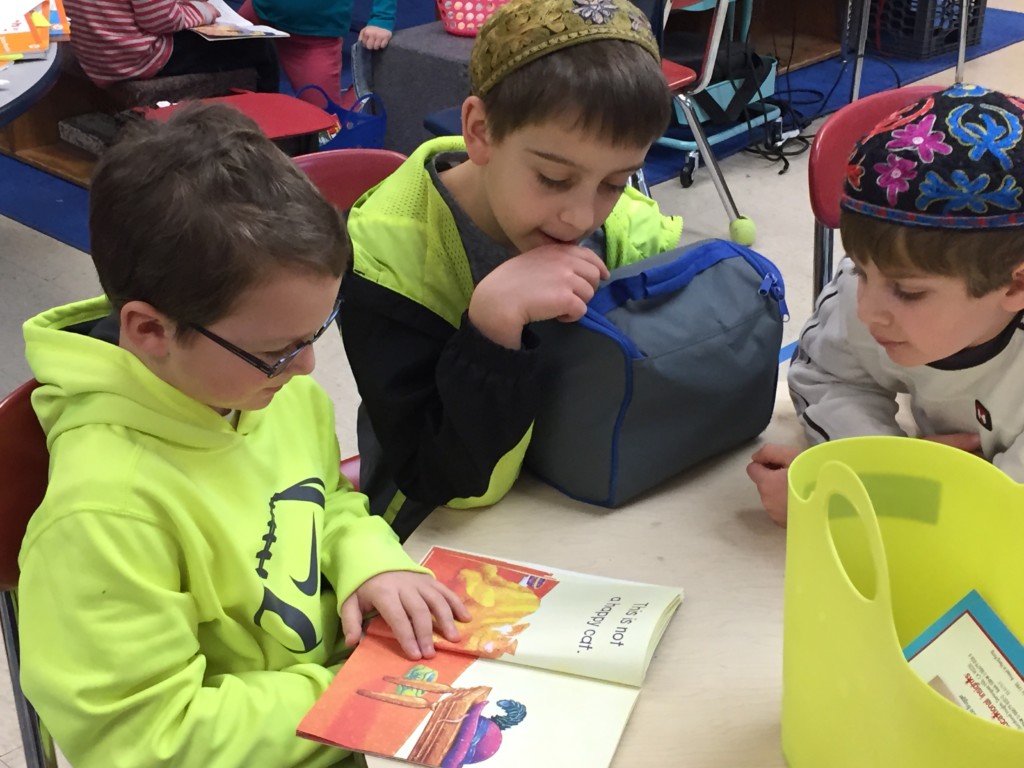
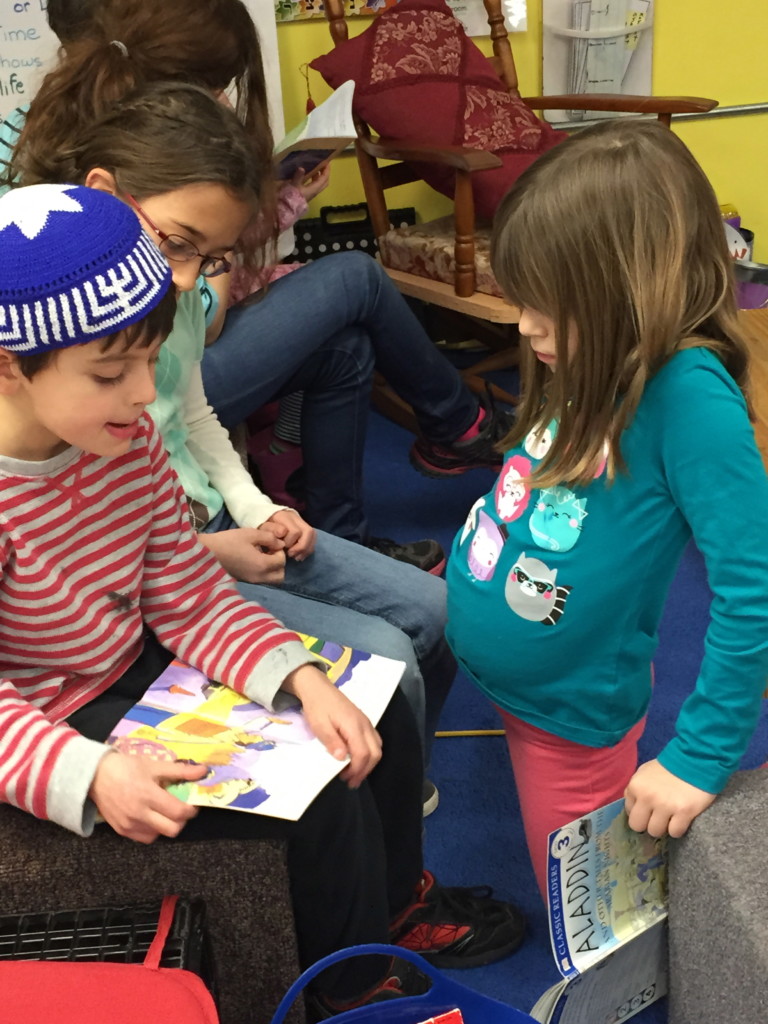
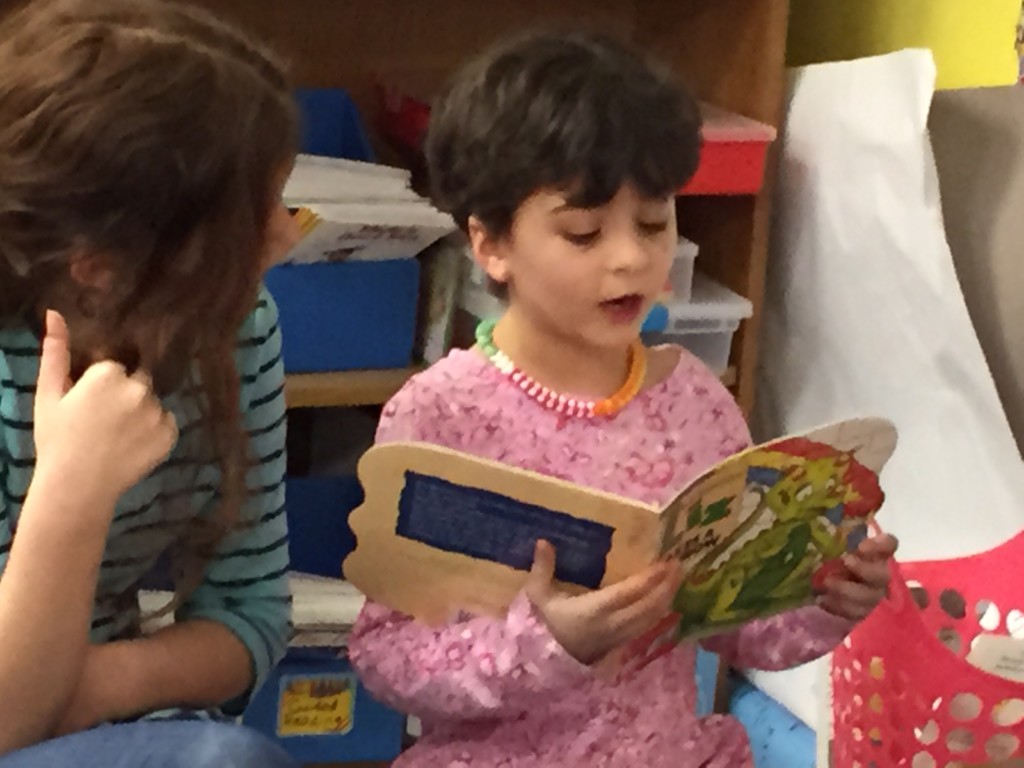
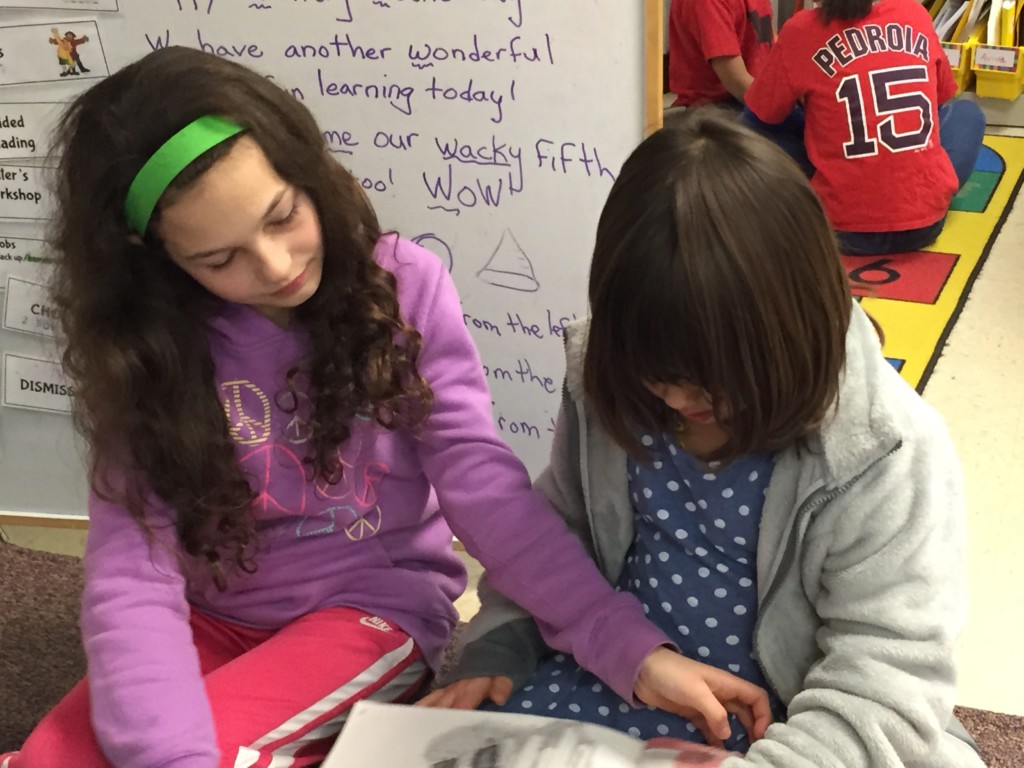
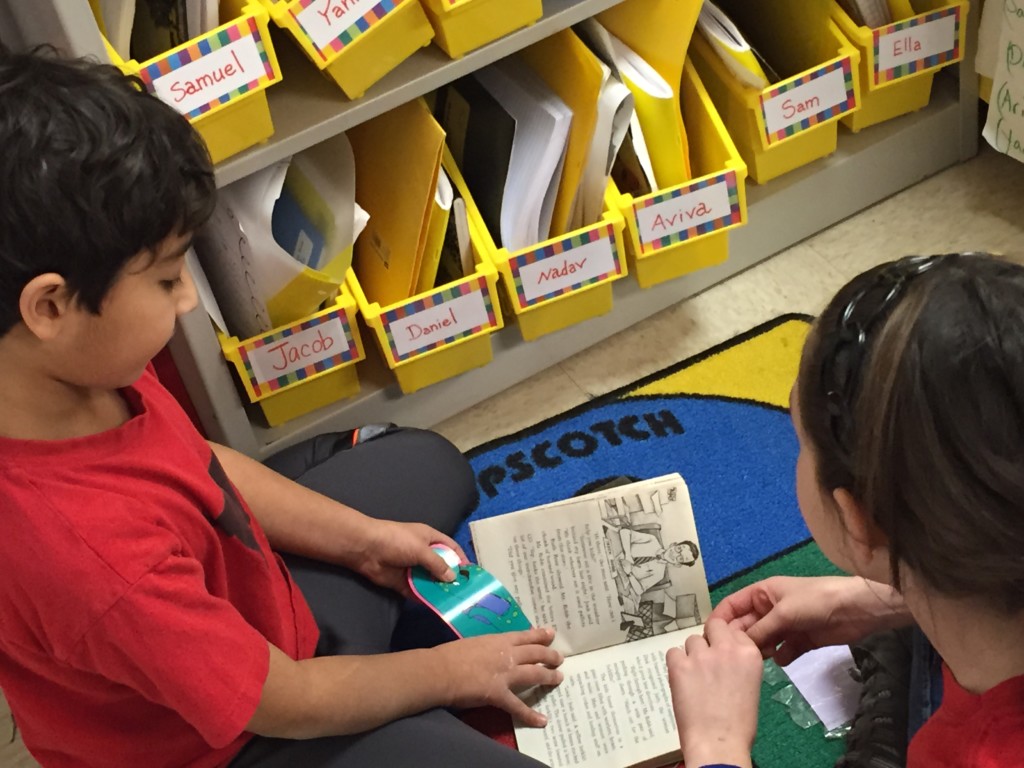
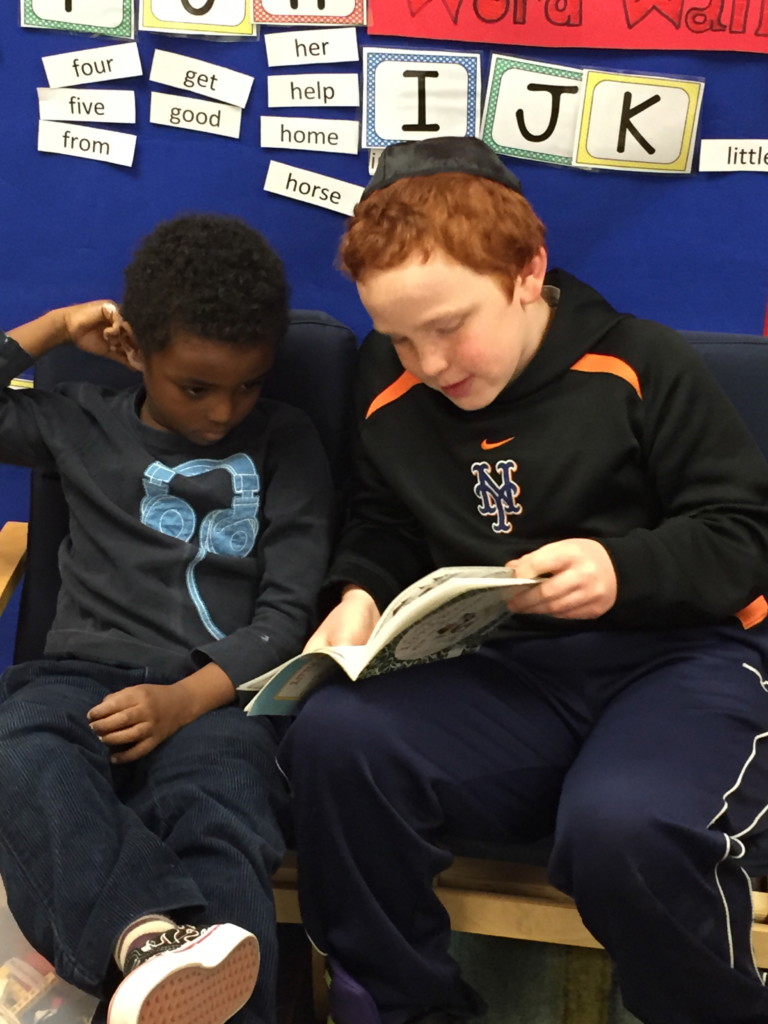
Our Buddies visit and listen to the First Grade read from their ‘Just right’ reading baskets


IMG_5312

IMG_5314

IMG_5315

IMG_5316

IMG_5317

IMG_5318 IMG_5319

IMG_5320


A double booking of our special visitors!
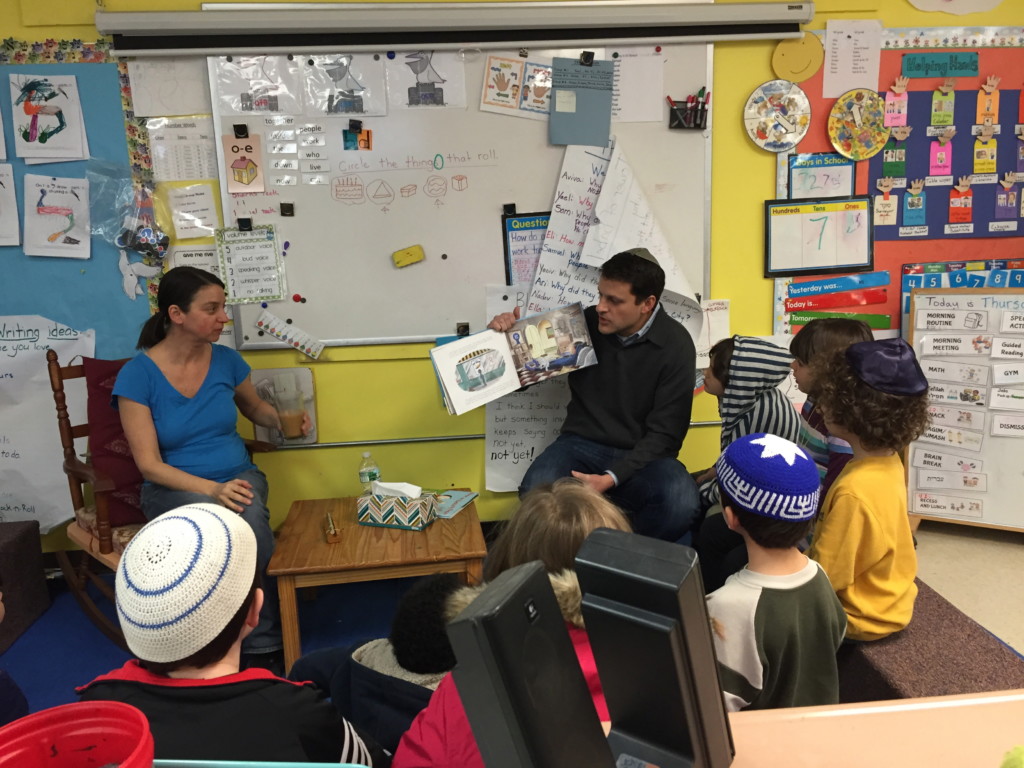
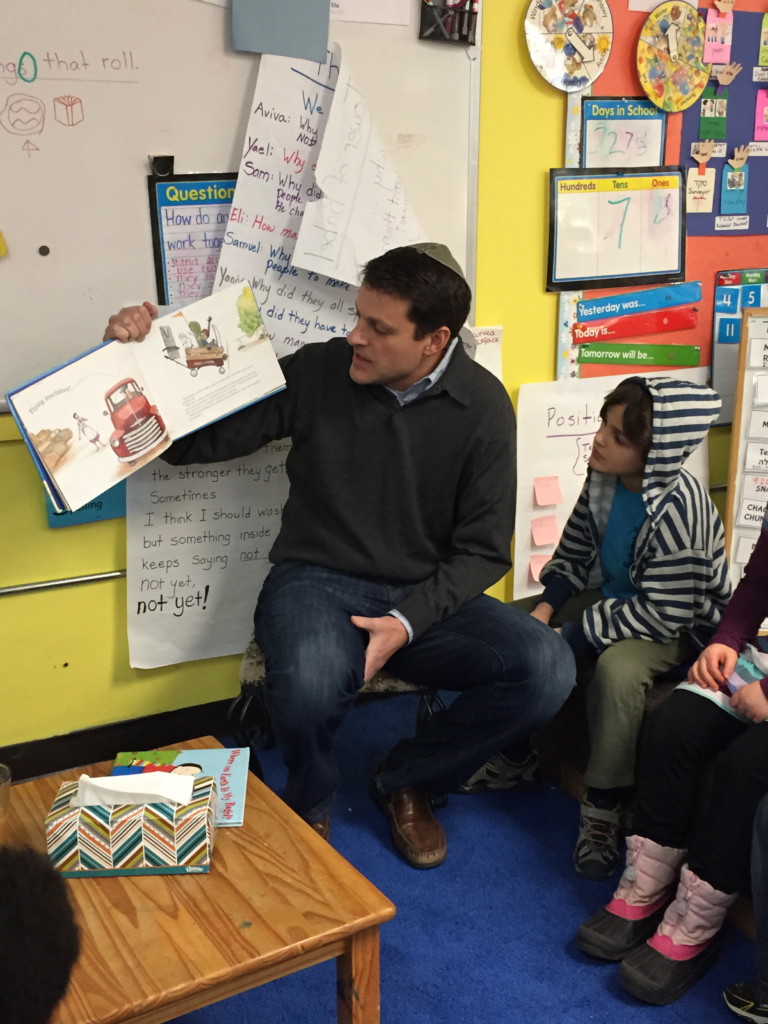
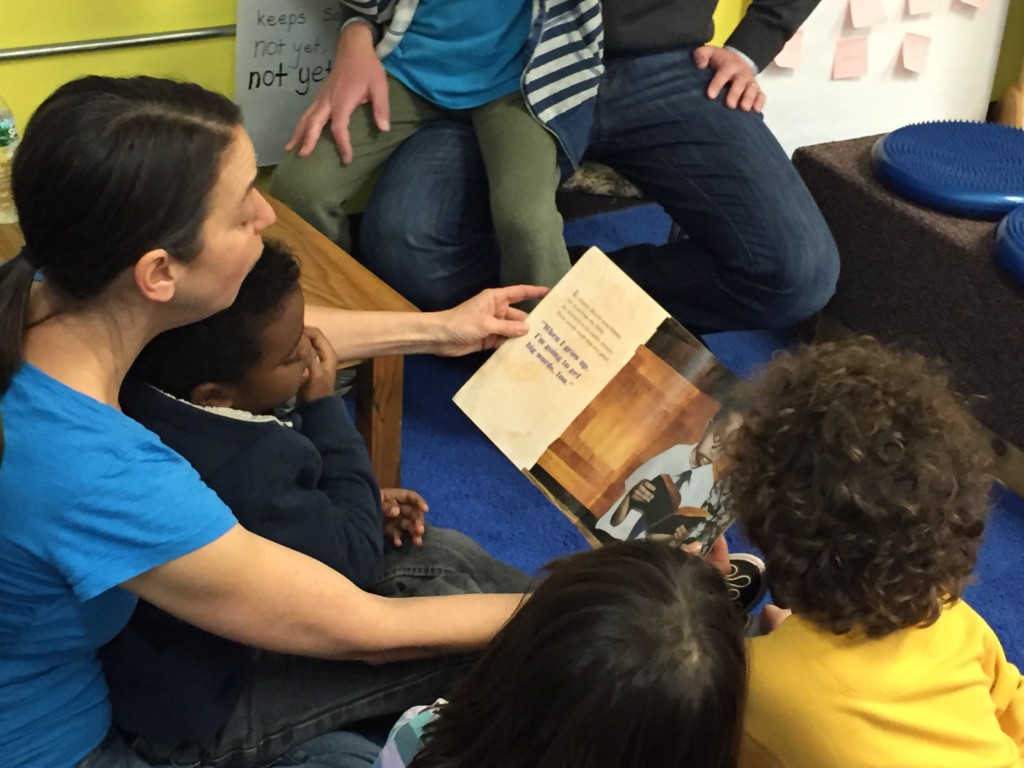
We had our first ‘oops!’ in 1st grade when I accidentally double booked Naama and Marshell to come to read to us on the same day and it was twice as wonderful!  Thank you again to all of my wonderful parents who have visited already and to all of those who are joining us in the future.

IMG_5326


IMG_5323

IMG_5327


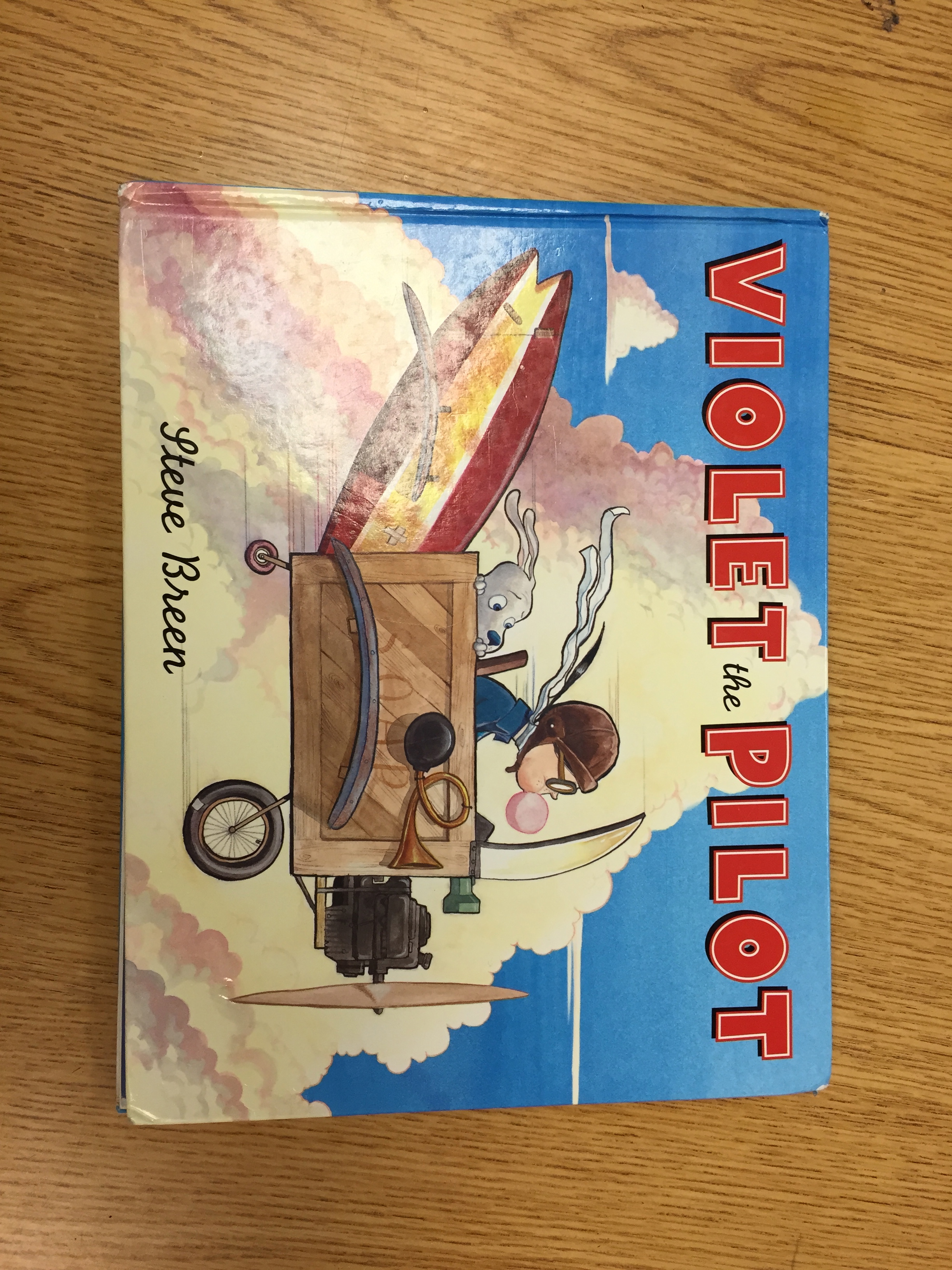
Looking for a good book to buy? This is what Marshell read to the kids and I highly recommend it!


IMG_5330


Look what appeared on our surveyor board one morning!


IMG_5358

IMG_5363

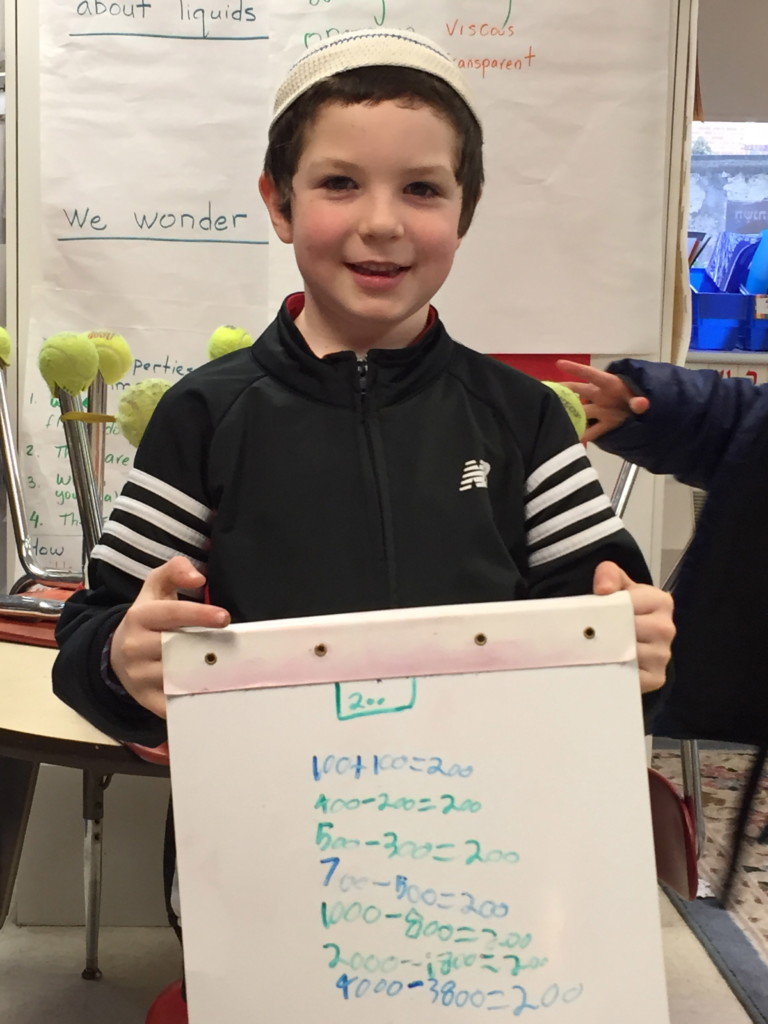
Our  weekly Mathematician  would like show you what was on the other side of the board.

Thanks Daniel!

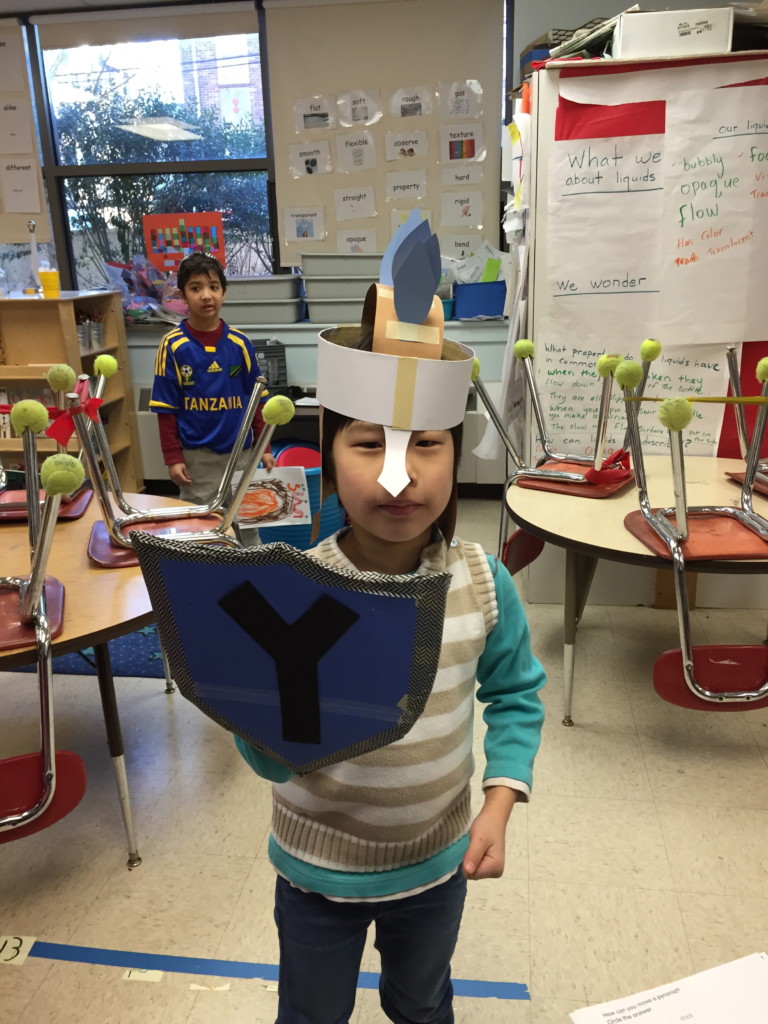
Our personal gladiator will defend us through thick or thin!

IMG_5366

IMG_5359

Thank you, thank you for all of these fabulous Double Chai gifts for First grade!

IMG_5362

Lisa was our Special visitor this week!

What is happening in Ivrit?

We celebrated with Ariyot’s daughter (a.k.a Rutie Adler, who is the schools Hebrew coach)

We completed our first workbook in the Ariyot program with ice cream sandwiches and lot’s of laughter!

IMG_5370
IMG_5364

We are so excited to start the next workbook!

And finally…..

With all of this snow, please send in snow pants, snow boots, gloves etc. The school policy is… that all kids should have boots, hats and mittens as well as winter jacket. Snow pants and snow boots are required to play in snowy areas of the playground.  If students don’t have boots or snow boots then they will play during winter recess in the cleared out areas.

Wait….One more thing!

Check your email for the latest update for next weeks puppet show in your email.

Connecting/One of a Kind

imageimageimage

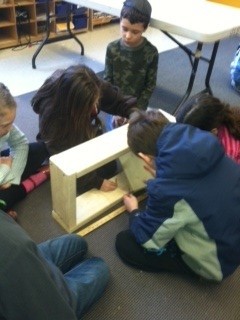
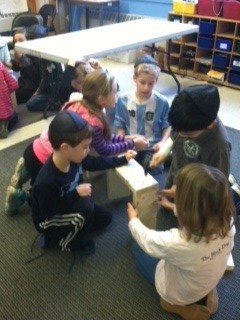
It’s time to wire a house! Students learned about magnetism and electricity this term. Our culminating activity is to plan, build, and wire a wooden house so it has light and power!  Thanks to Peter, students have an unbelievable “hands-on” experience to use the tools necessary to execute such a task.  The house has three sections in it.  Peter has been working on measuring and constructing with the children in the design lab.  In the end, students will be allowed to decorate their house.

In each group students will:

  • draw and design a layout/plan (blueprints) of the house
  • make sure 2 out of the 3 rooms can light
  • use a parallel or series circuit
  • be certain that no wires show inside the house (just like the real deal)
  • exhibit TEAMWORK!
  • decorate the house to make it a home using recycled materials from school or home

image

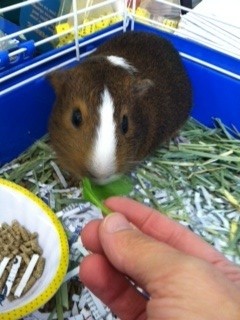
Meet Bugsy!  As you know we completed a very intense and comprehensive project on adopting a class pet. We had no idea the project, research, and expert interviews would persuade the majority of the class to change their class pet of choice COMPLETELY….but it did!  There were so many twists and turns throughout our journey.  We learned a great deal and in the end we adopted BUGSY!  He is an adorable guinea pig that brings joy to our children every day.  We love him so much!  They’ve grown to be responsible caregivers to Gizmo and Bugsy:)


One of a Kind

What makes a person unique?

……a  very important concept question we’ve discussed. Martin Luther King Junior lived his life by being true to himself and making a difference in this world.  He was unique in so many special ways.  What makes YOU unique?  Through literature and  creative writing assignments students learn that they have the opportunity to open their minds and think BIG!  We want students to be honest in their writing as well as allowing their voice to shine through.

king1

Our new novels:

Where The Mountain Meets the Moonby Grace Lin and Skinnybones by Barbara Park

Students will:

-learn more about story structure:

  • What are the characters’ goals?
  • What is the story’s conflict?
  • How does the conflict build throughout the story?
  • How is the conflict resolved in the end?

-learn about Chinese Folklore

-learn about faith and friendship

image


image  image

Math- We are moving along nicely.  Students are doing a great job multiplying double digit numbers and solving multi-step word problems using several different strategies.  Students are also illustrating their processes and explaining their thinking. Please continue to encourage your child to study their math facts:)  Thank you!

“Writing has to be learned in school very much the same way that it is practiced out of school.  This means that the writer has a reason to write, and intended audience, and control of subject and form.  It also means composing is staged across various phases of rumination, investigation, consultation with others, drafting, feedback, revision, and perfecting.” -Jossy-Bass

Writing– Students are in the process of publishing their fantasy stories.  We also just finished writing our formal letters to a scientist of choice.  Some students wrote to geologists, others to scientists at NASA, and one even a physicist.  They are very curious children that have a lot of questions.  Different interests resulted in various questions for the unique scientists all over the world.  Our goal and hope…..is for each scientist to write back.  And yes…..we even addressed envelopes and are sending them tomorrow….. the old fashion way!

image

Leaders- Yes, the third graders led two very successful assemblies. They were AMAZING!  They exhibited initiative, pride, responsibility, and cooperation!    We look forward to their leadership again in the spring.


Library-January Adventures-Karolyn White, Librarian

Grades PreK-K

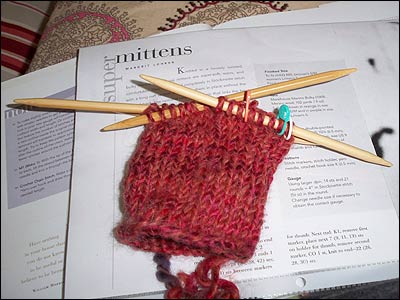
Winter Time! Mitten Time!

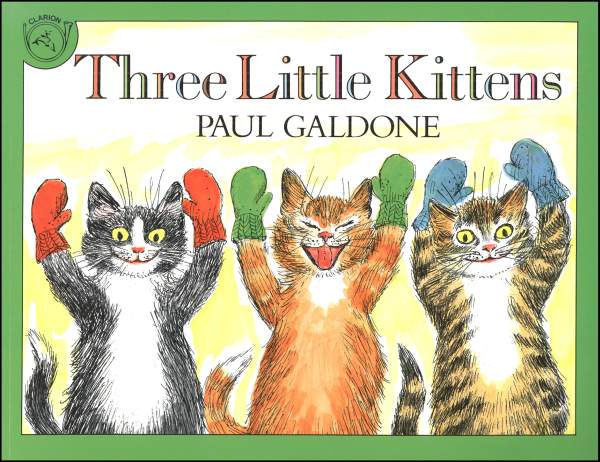
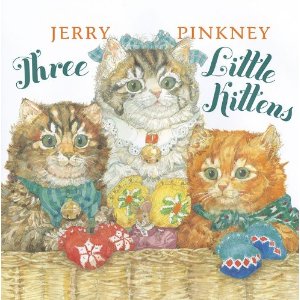
What is a mitten? How are mittens made?  Mitten tales include “Three Little Kittens” by Galdone and Pinkney. Did you know that “Three Little Kittens” is attributed to Eliza Lee Cabot Follen (1787-1860), a Bostonian Sunday school teacher and abolitionist? Check out an online copy of “The Wonderful History of the Three Little Kittens Who Lost their Mittens” published in 1856 from Boston Public Library! http://bit.ly/1Bp8Edw In addition, I am demonstrating knitting!

mitten-gussetthree kittens galthree-little-kitten pink

Grade 1

What? Messy Rooms Fit for Pigs!

Oink! Oink! We are enjoying stories about pigs moving in and making or adding to messy rooms! Talk about funny! Our stories have involved predictions, math problems and room organization ideas. First graders will design  kid’s rooms with places for “everything.”

messy1 pigs aplenty pigsty

Grade 2

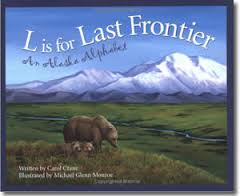
Off to the Last Frontier-Alaska

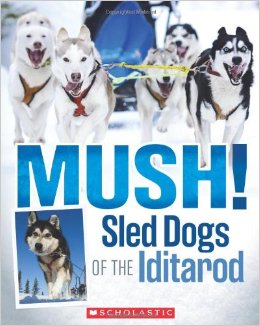
We will learn about research skills as we travel to the awesome state of Alaska! Students are divided into 3 groups, each named by a dog sled breed. Using map skills, we learned about the geography of Alaska along with its history and main resources. Currently, we are enjoying learning about dog sled racing-purposes, equipment and dogs. As mushers, we are learning dog sled commands and no, mush is not the command to go,  it is HIKE!

alaska 3 alaksa 2 alaska 1

Grade 3

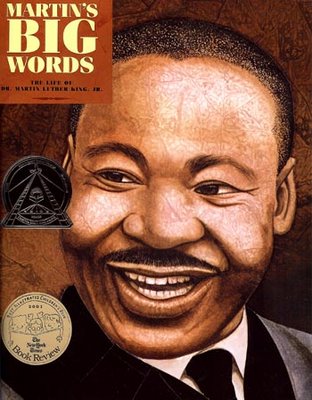
Who Was Martin Luther King?

Martin Luther King-Childhood: Who were his family members? Where did they live? How did he do in school and sports? What did he like to do?

Using several books and materials, third graders tried to get an understanding of what  Martin was like as a kid. In addition, they learned about the “Jim Crow” laws and how they affected the lives of African Americans.

Martins-big-words_zps524f007b king1 king many

Grades 4 and 5

Martin Luther King-Faith Ringgold, author and artist

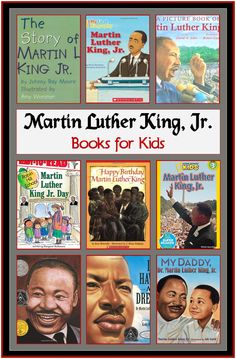
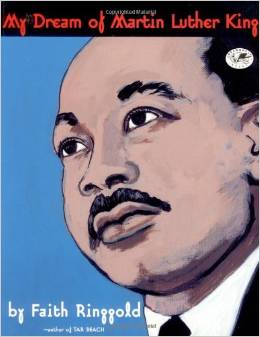
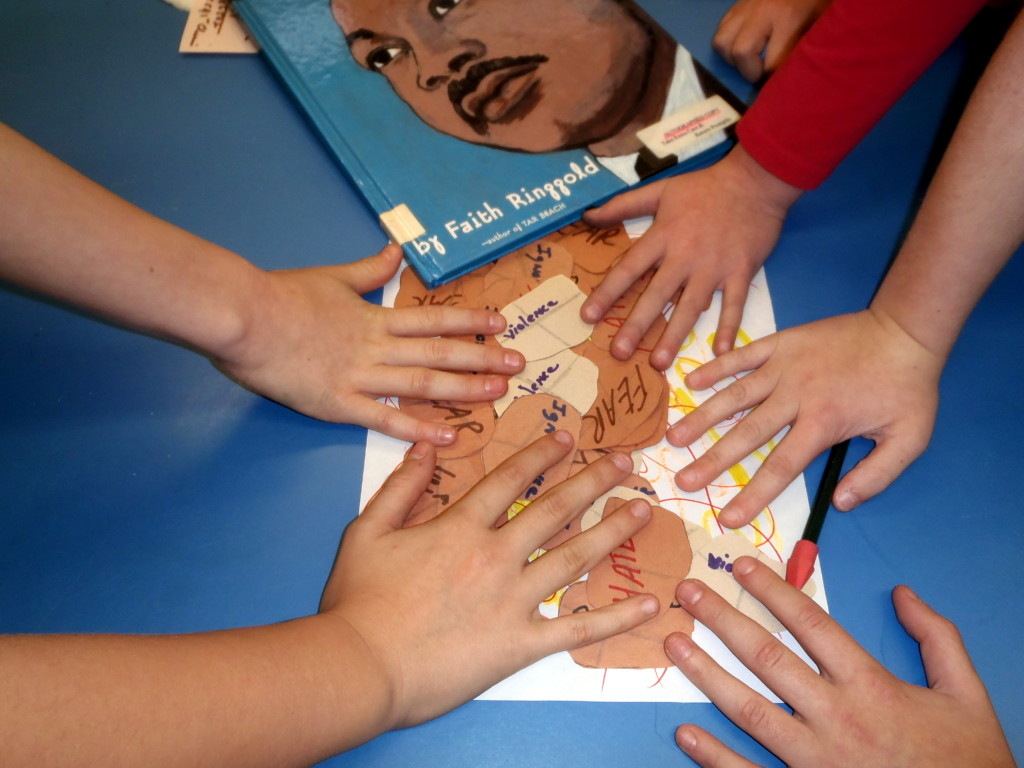
The library has some 30 books about Martin Luther King, which have been on display as well as educational posters. Students are encouraged to view and discuss these materials. I read a moving, serious book, My Dream of Martin Luther King written by the esteemed African America writer and artist, Faith Ringgold. (At a library convention, I was fortunate to meet and talk with Faith, who signed some books for our school.) Faith Ringgold tells and paints the story of a dream about Martin Luther King that notes his childhood, adult life and his assassination: “This time we had come to mourn Martin Luther King’s death by trading in bags containing our prejudice, hate, ignorance, violence, and fear for the slain hero’s dream. We emptied the bags onto a great pile, and as the last bag was dumped, the pile exploded into a fire so bright that it lit up the whole world. There, emblazoned across the sky, were the words: EVERY GOOD THING STARTS WITH A DREAM.” Students reenacted this powerful scene by carrying mock paper bags into a pile and discussing the above quote. For more info about Faith Ringgold and her books: http://www.faithringgold.com/

kingF FaithRinggoldfaith hands


Class Update with Video News!

First stop: Video News (sorry for the wait!)

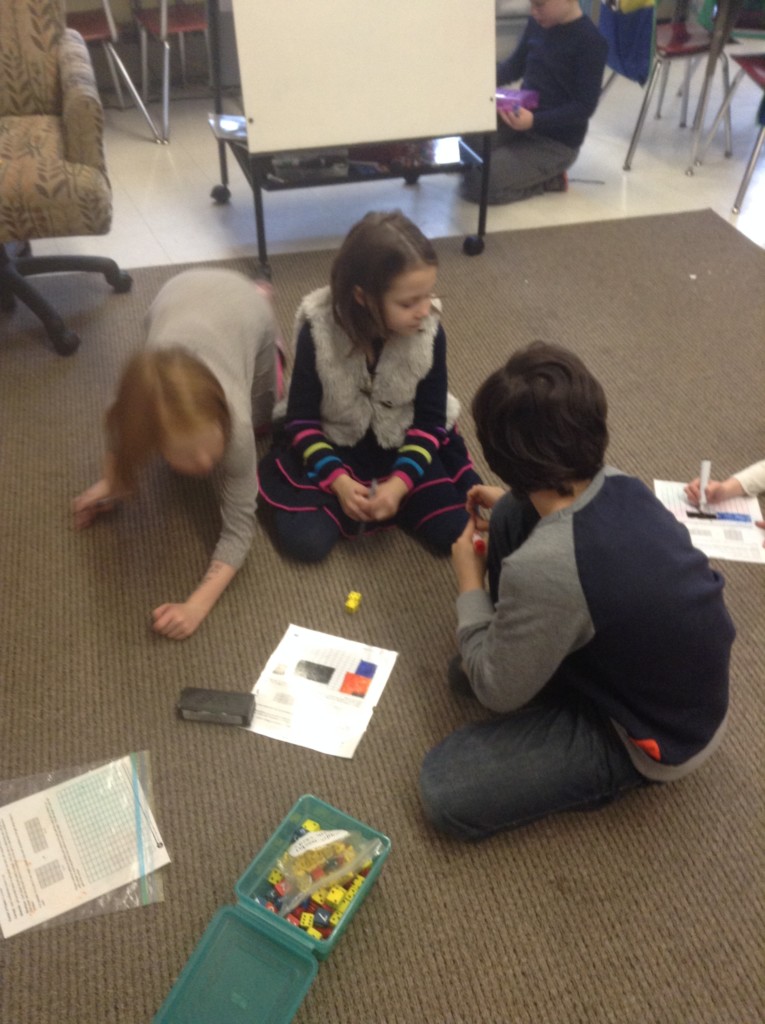
We have been busily working in math to gain a deeper and more solid understanding of multiplication.  Students are learning different strategies and visuals for figuring out multiplication facts.  They have learned dot models, counting on their fingers, flip facts, and arrays.  Below, is a game called “Niddy Griddy” where students draw multiplication arrays on the grid.  By the end of second grade they will know AT LEAST their 0,1,2,3,5, and 10 facts!

2015-01-22 13.17.39 2015-01-22 13.17.35

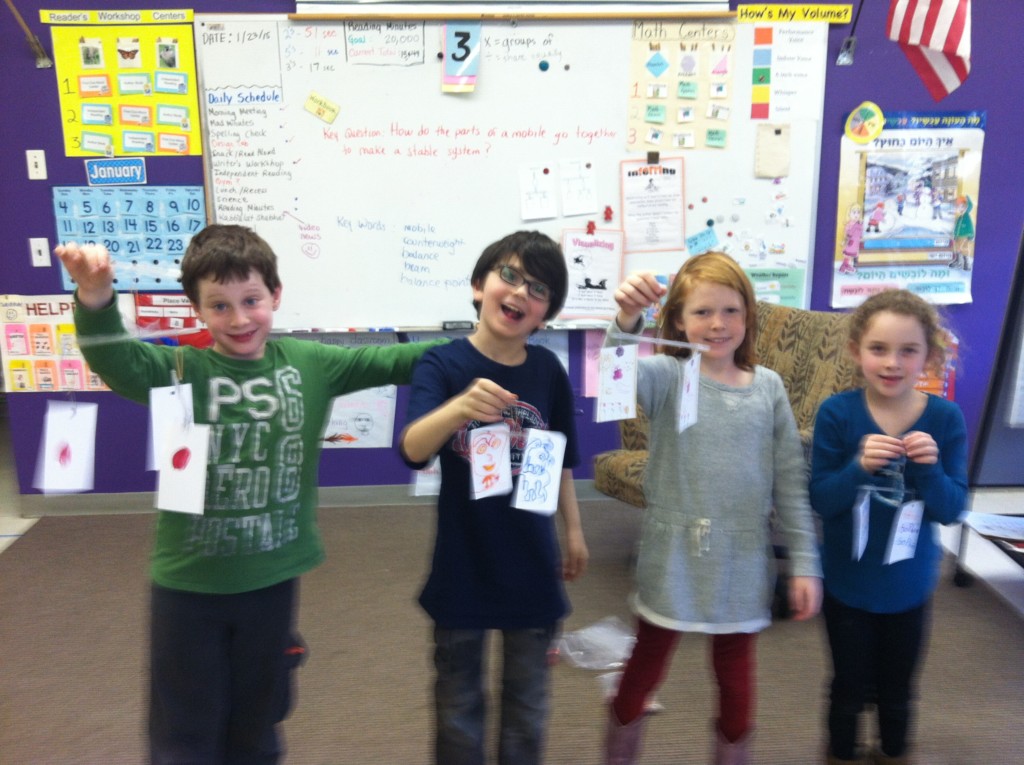
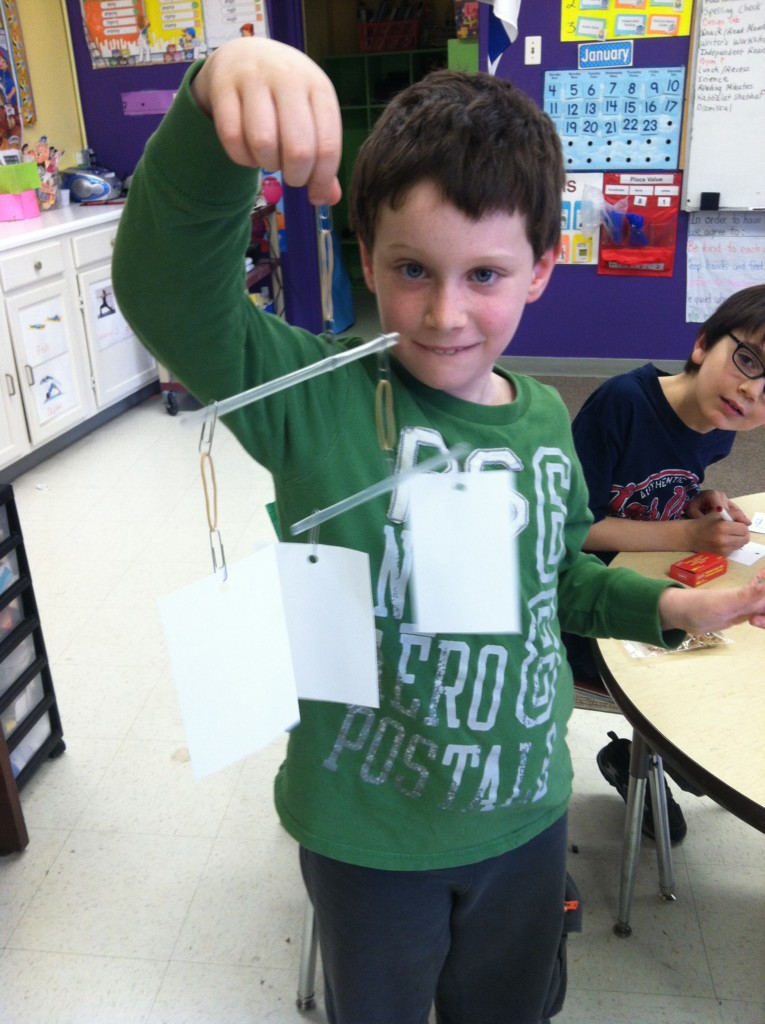
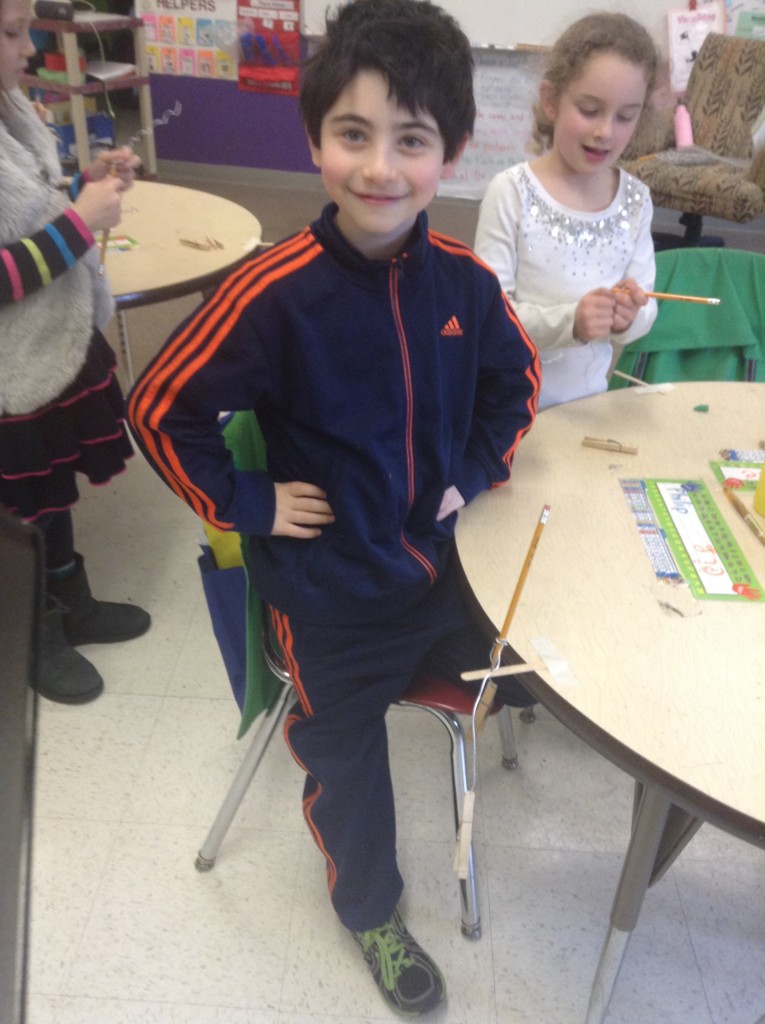
We have excitedly dived back into science this week with more learning about balance.  Below, students created mobiles that helped them to understand weights and counterweights in relation to the balance point.  Also, one student is demonstrating how he got a pencil to balance on its’ point by choosing the right place to put the weights.2015-01-23 13.37.22 2015-01-23 13.03.03 2015-01-22 13.41.51

As Ruby noted in video news, we have completed our “How-to” books and are in the process of sharing them with the class.  Students are now experts on teaching a skill in a sequential detailed manner.

2015-01-21 08.08.33

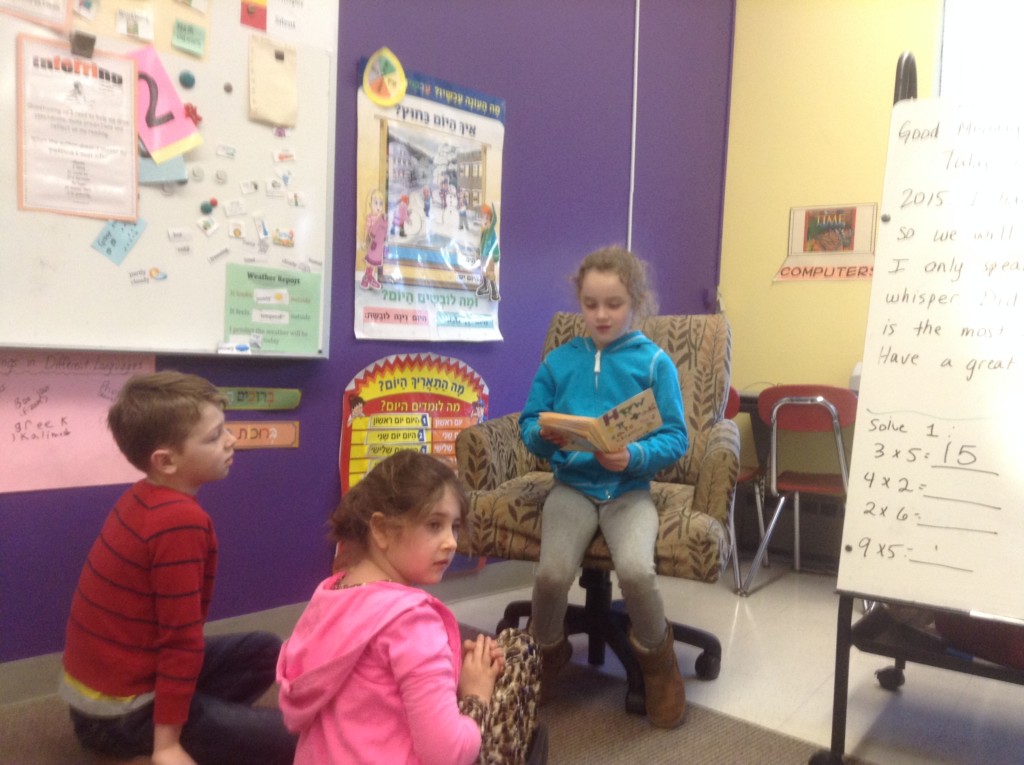
Reminder: Save the date for our reader’s theater performance on February 6th at 8:15!