fbpx

Can Saying “I’m sorry” Fix Everything?

Dear Kindergarten families,

Parasha studies:

When we studied the story of Yoseph and his brothers we learned about the power of being a positive influence. When some of Yoseph’s brothers were mean to Yosef, all of the brothers followed his example and were also mean to Yoseph. We explored this in our classroom by pretending to be Yoseph’s brothers. When someone was mean, it was easy to follow their mean example. We also realized that when someone was kind and showed kavod, it was easy to follow their example too. We learned that it can be hard to be the first to stand up and do the right thing, but when we do, others will follow our lead.

After Yosef’s hard journey he became one of Pharaoh’s respected advisers. Even when he was in a position of power, he still showed forgiveness and chesed to his brothers when they met again years later. We asked the students how the brothers could fix the mistakes they made in the past.

Moshe: They can tell him that they didn’t show kavod, but now they learned their lesson.

Noam: They need to say “I’m sorry”, and maybe Yoseph will forgive them.

Naftali: No, he’s probably very mad.

Hadas: They need to say that they’re very, very sorry.

Simon: Even if they say sorry, they can’t change the past.

This brought us to a bigger question about why we apologize. We know that saying “I’m sorry” can’t change what happened before, but we think apologizing can make the other person feel better.

Hebrew studies:

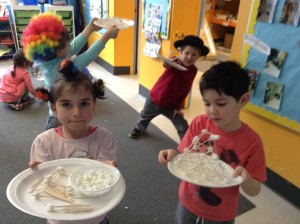
When we learned the letter  kaf, we were busy with the Purim, but it was great opportunity to connect it with these event. We made a keter  (a crown). We also made beautiful  masechot (masks) and learned the different between kaf and khaf.  Lastly, we discovered that the word kis means pocket in Hebrew. After the kis (pocket) project, the children got a chocolate kiss from my kis (pocket).

We are eagerly preparing for Pesach and are excited to celebrate together. Please remember that our classroom Seder will take place on Tuesday March 31st from 8:30 to 10:00 am. Family, friends, and special visitors are welcome and encouraged to join us!

Ilana, Jessica and Emily
Books for Girls-Challenging Stereotypes (K. White, librarian)

Looking for some awesome books for girls that challenge stereotypes? Check out the extensive lists of great books at Mighty Girl. https://www.amightygirl.com/blog?p=2241

Read the informative remarks noted in, “Why Does Gender Matter? Counteracting Stereotypes with Young Children,” in the next paragraph.

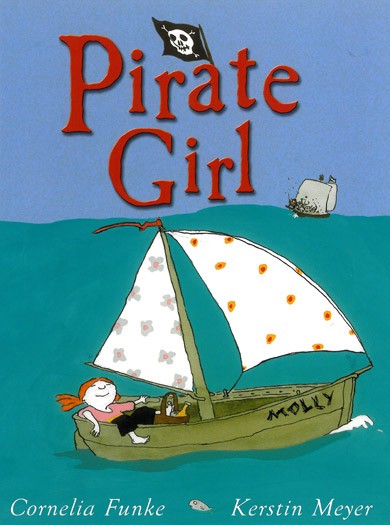
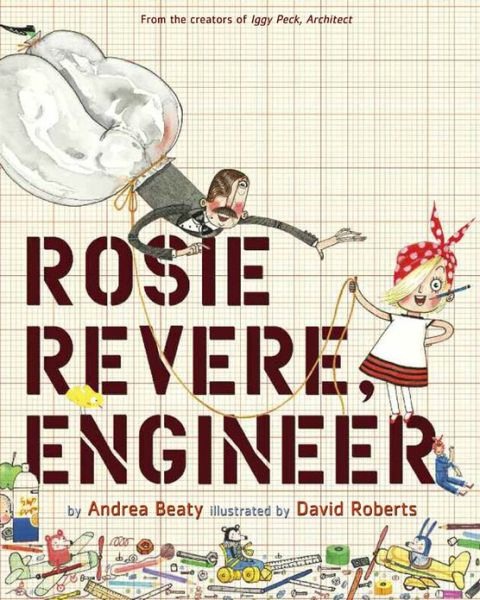
Some of my personal favorites that our students love:

princess bok princess knight pirate-girl-300dpirosie

“Picture books provide role models for children in defining standards for feminine and masculine behavior, yet sexism manifests itself in diverse ways in children’s literature. Nonsexist books, on the other hand, produce positive changes in self-concept, attitudes, and behavior. Children’s gender attitudes may be positively changed through the reading of appropriate children’s literature and other book-related activities (Blumberg, 2008). Parents and teachers are encouraged  to critically evaluate books for gender bias. However, rather than eliminating all books with stereotypes, adults can guide children to recognize stereotypes and increase independent critical thinking about gender and perceptions of gender. Making a concerted effort to provide positive, empowered stories and images of diverse characters will activate positive self-concepts for children and promote anti-bias attitudes.” (Dimensions of Early Childhood. “Why Does Gender Matter? Counteracting Stereotypes With Young Children.” Vol. 39, No. 3, 2011)


What’s Happening in Design Lab?

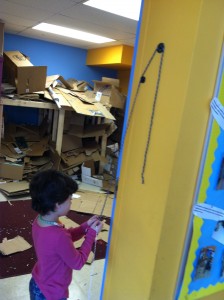
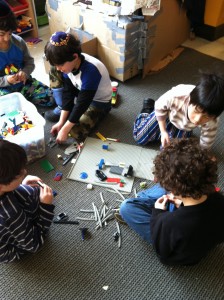
You might be wondering what’s been going on in our much talked about design lab.  Based on student motivation, developmental ability, and classroom-connections, projects will look quite different from grade to grade.  Here is a taste of some of the projects we have been working on most recently:

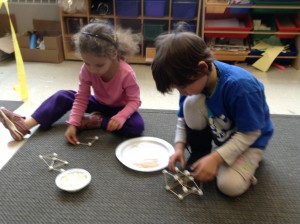
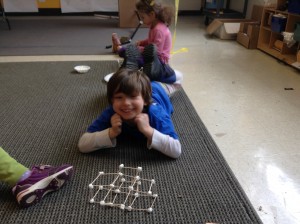
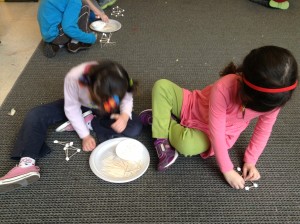
For the 100th day of school, kindergarteners worked to create the tallest structures they could using 100 toothpicks and 100 marshmallows.  They noticed what shapes are structurally stronger than others.  They also realized that sometimes you need to start a project over again in order to do it better the next time.  Mistakes are what help you get better!

2015-03-03 14.34.31 2015-03-03 14.34.34 2015-03-03 14.41.41

2015-03-03 14.34.43 2015-03-03 15.04.40

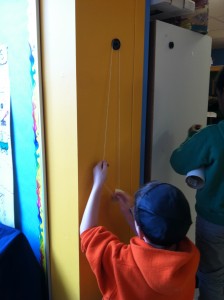
First graders have been learning about simple machines.  They have been introduced to levers, pulleys, and wedges.  Students experimented with all three of these machines then were tasked with the following challenge:  Create an invention using at least one of these simple machines that could help someone with a problem.  They have come up with some fascinating tools!

2015-03-13 11.00.22 2015-03-13 10.55.05 2015-03-13 10.55.11

 Check out a video of one student’s creation here:

2015-03-13 11.22.14 from Jewish Community Day School RI on Vimeo.

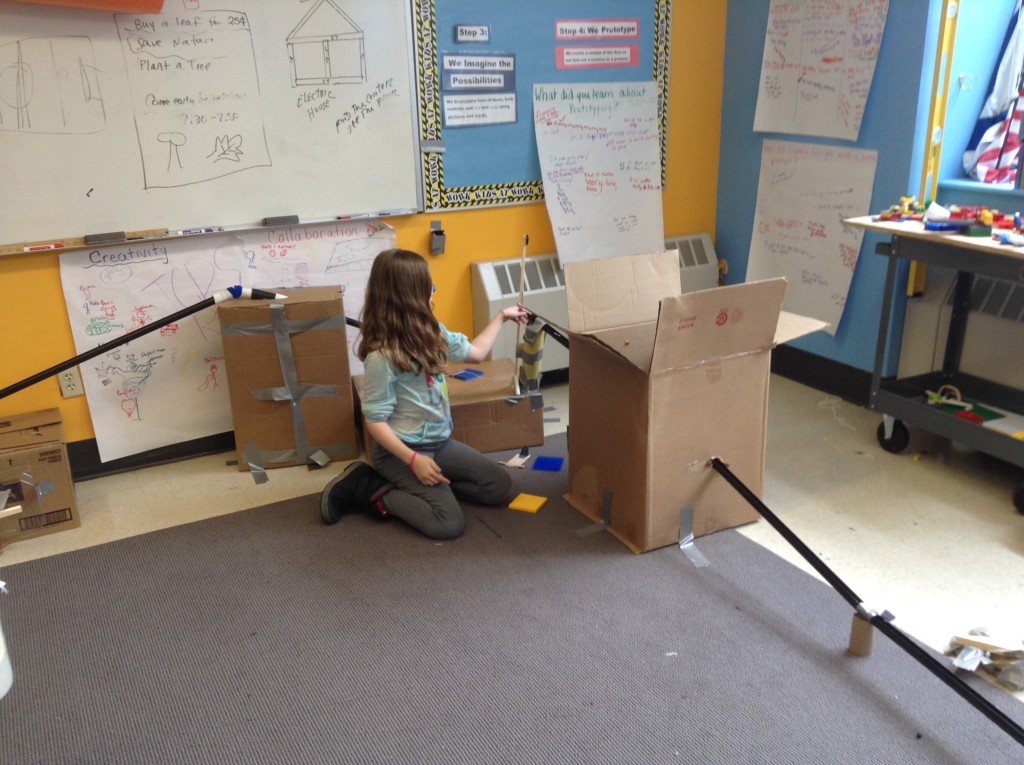
Second graders have been studying balance and motion and have created various tools and inventions such as musical instruments, cars, and marble coasters.

2015-03-12 14.38.43 2015-03-12 14.52.28

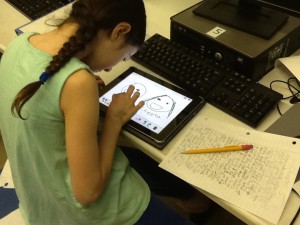
Third graders have been creating digital content to go along with their fantasy stories that they wrote with Mrs. Davis.  They have learned how to navigate between apps, to pull pictures from the internet, and to record their voices in order to create powerful digital content.  Soon you will see their work in the hallway near the computer lab.  Please download a QR code viewer on your mobile device to be able to watch their projects.

IMG_0272 IMG_0273IMG_0274

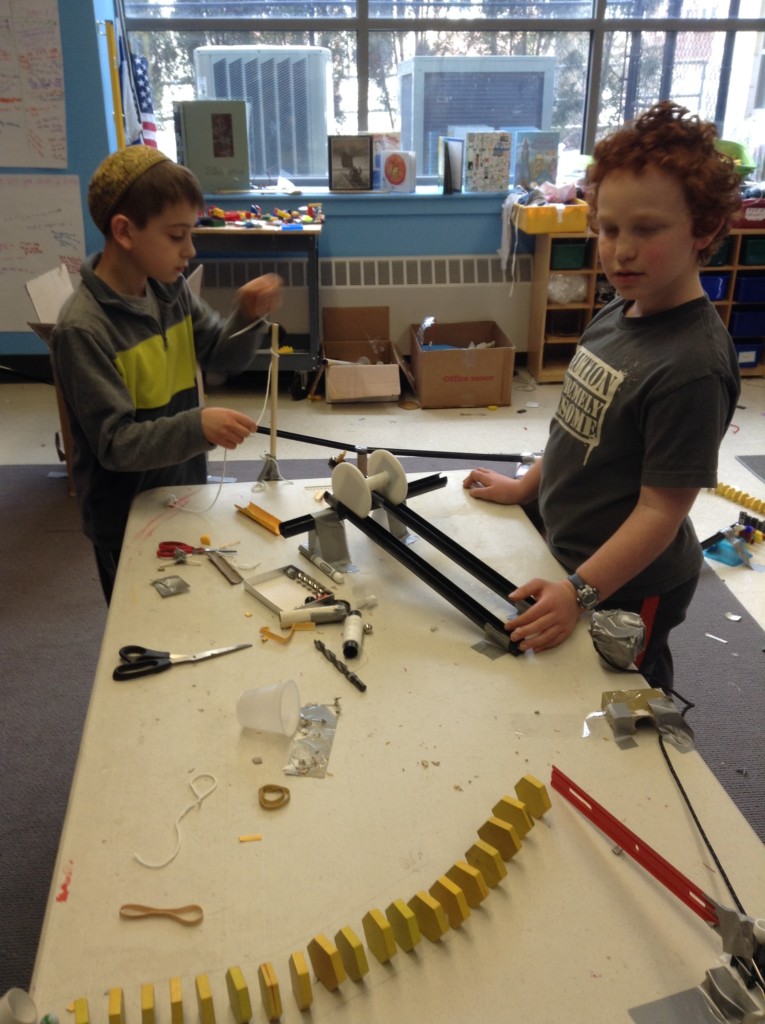
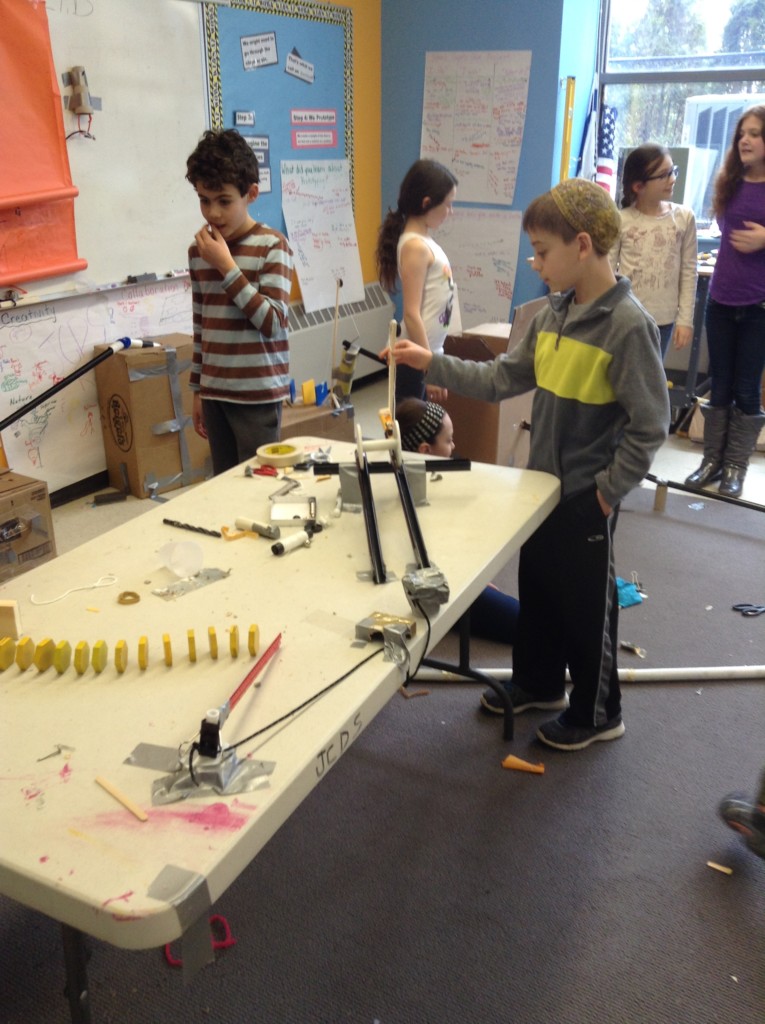
Fourth and Fifth graders have been tirelessly working to create a Rube Goldberg machine.  They have learned so much about creating ideas, testing, making mistakes, and trying again.  Their grit and tenacity has been apparent as they tirelessly strive to make a successful machine.  Stay tuned for the final video.

2015-03-16 13.39.48 2015-03-16 14.51.28 2015-03-16 14.51.35 2015-03-16 14.57.51

Here is one student talking about the process of creating the Rube Goldberg:

2015-03-16 14.02.15 from Jewish Community Day School RI on Vimeo.

Purim happenings in First Grade

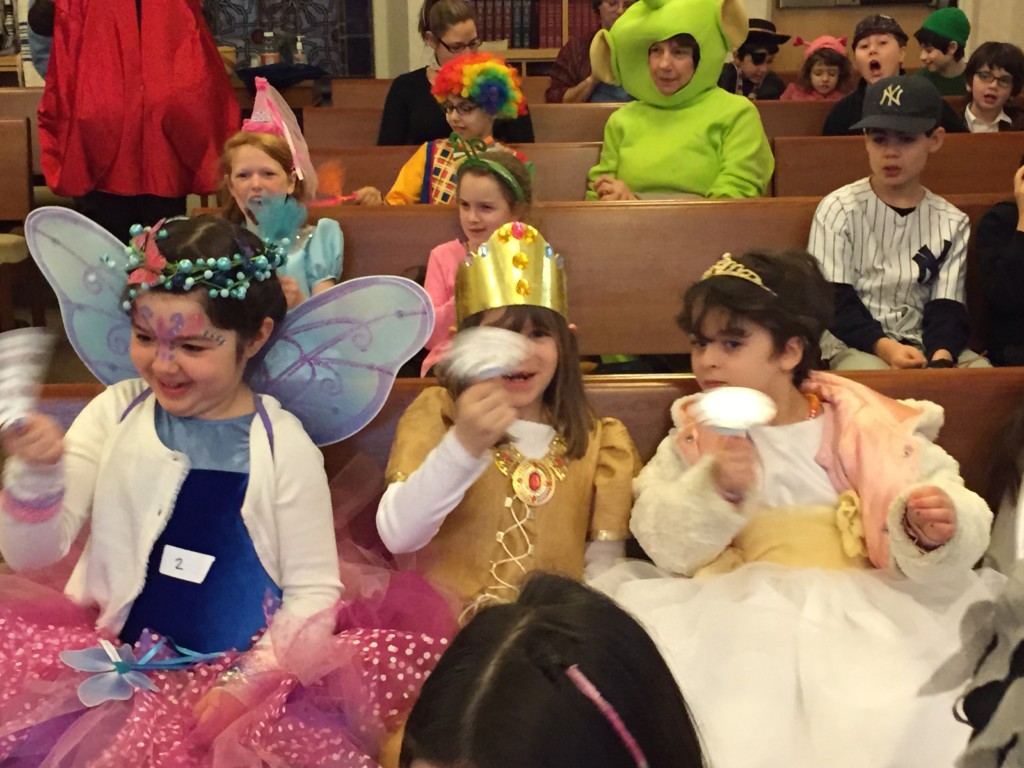
The holiday of Purim is every kid’s perfect holiday.  We dress up in fantastic costumes, eat delicious goodies and a whole day of school is devoted to celebrating with your friends and teachers.

Here is how we began our day with a coded morning message.

IMG_5549

Purim was a fantastic day of fun.  The entire school participated in the reading of the Migillah (The story of queen Esther)  then all the kids were divided into three groups and enjoyed Purim stations of  painting masks, Dramatic play , and made Hamentashen and cards for Mishloah Manot (Gifts of food).

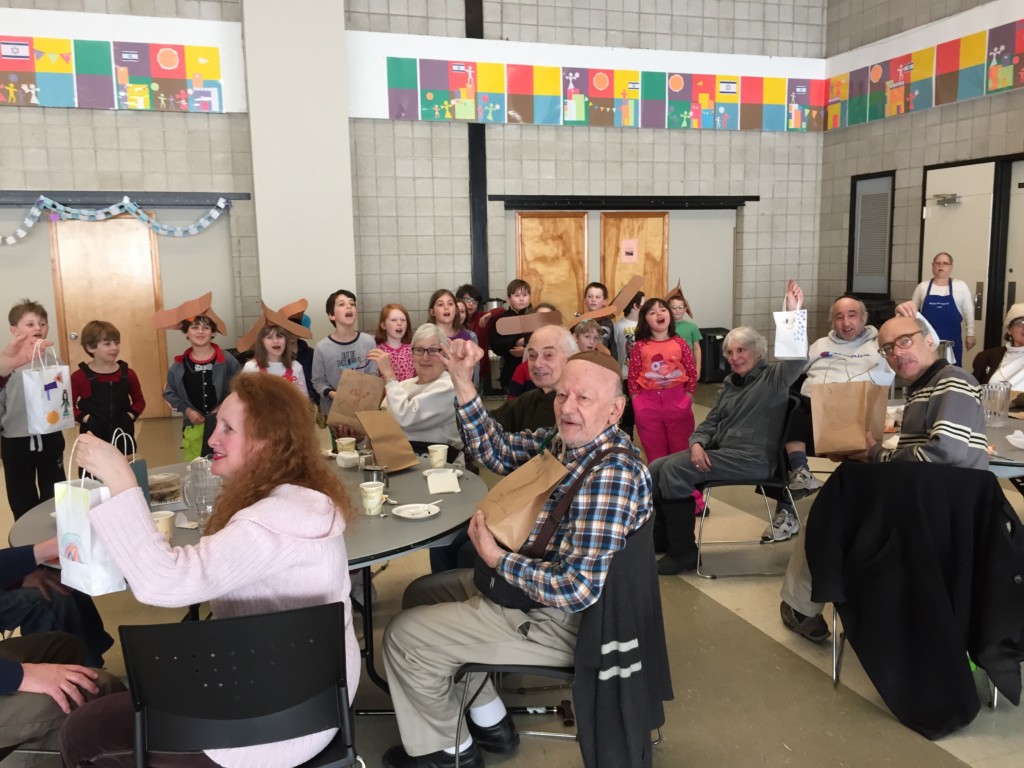
We delivered with the 2nd grade to the seniors at the JCC on Friday afternoon!

IMG_5572

IMG_5579

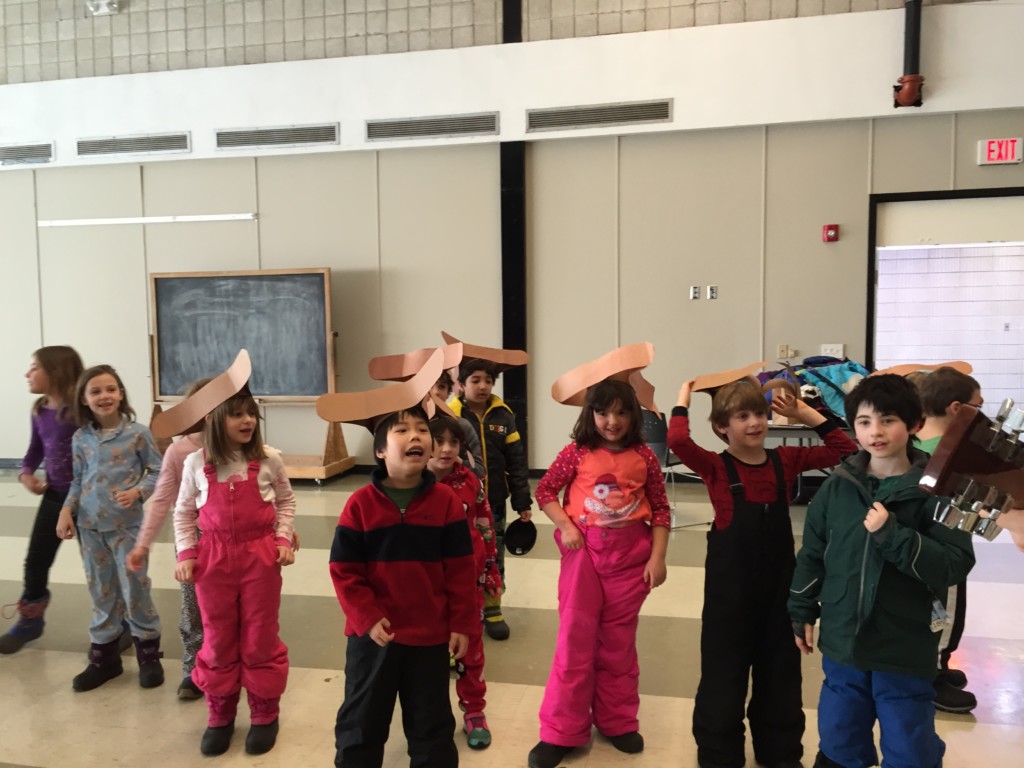
The energy and joy in which the students gave their gifts was wonderful to observe.  With paper Hamentashen hats and snow pants, students sang, danced and chatted with our seniors. Everyone had a wonderful time.

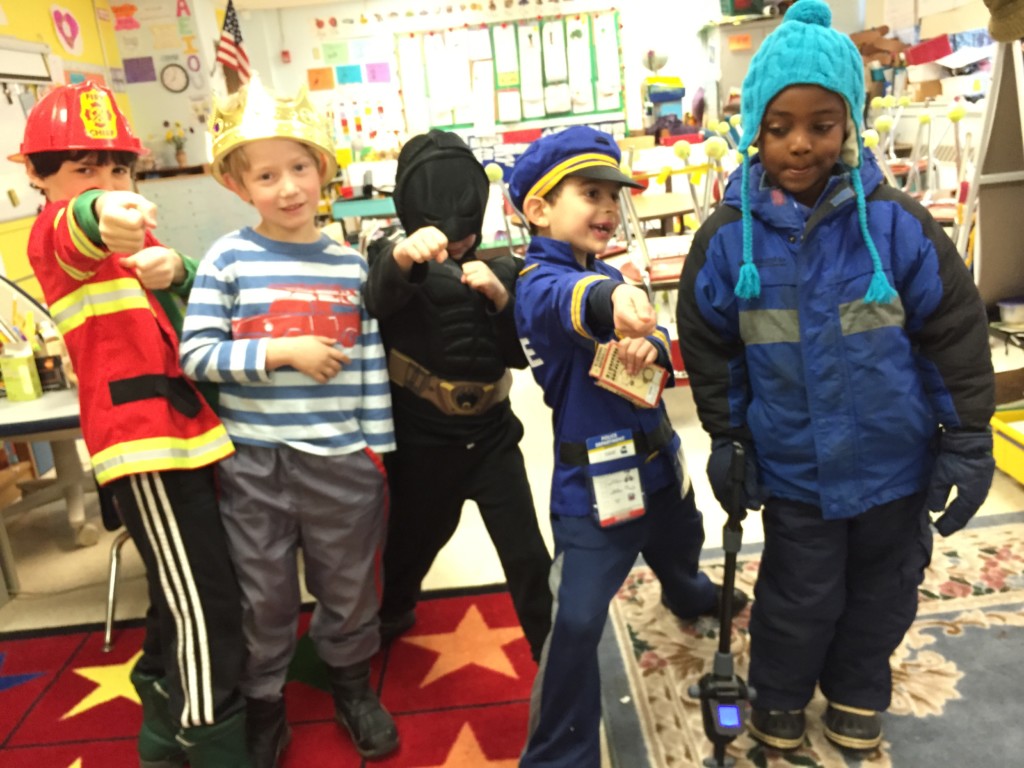
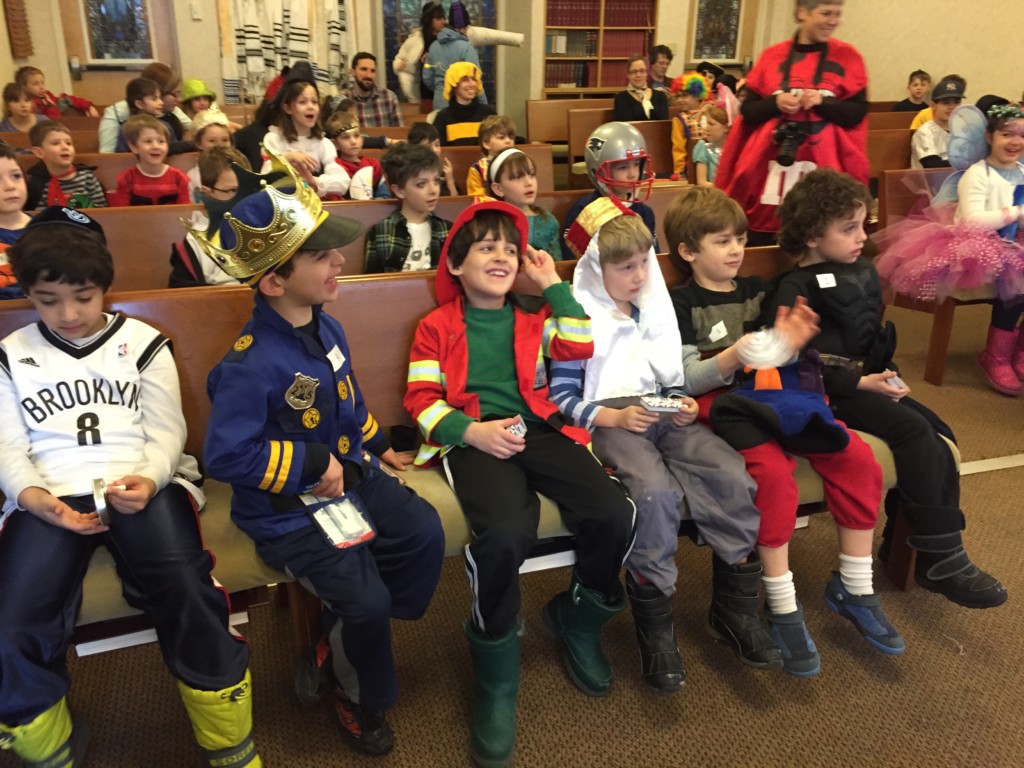
Check out the amazing costumes!

IMG_5553

IMG_5561

IMG_5562

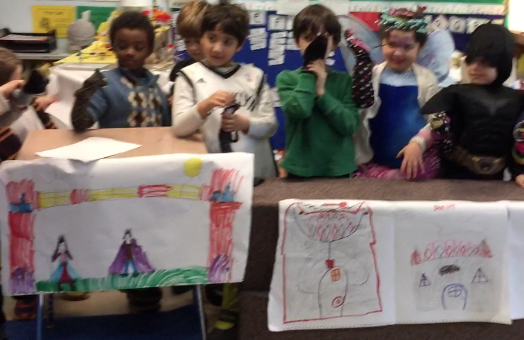
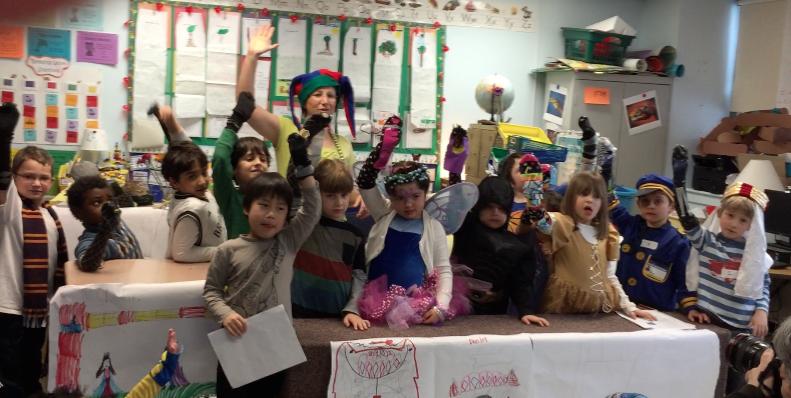
and finally, the Purim Puppet show was a smash success! First grade invited Pre-K and K to our special performance.  First graders were so proud to host the younger students.

Screen Shot 2015-03-15 at 6.47.23 PM

Our classroom was transformed into the city of Shushan, Persia!

Screen Shot 2015-03-15 at 6.46.24 PM

A job well done!

Now it is time to get ready for Passover…….


Have you ever heard of Lemon Dazzle?

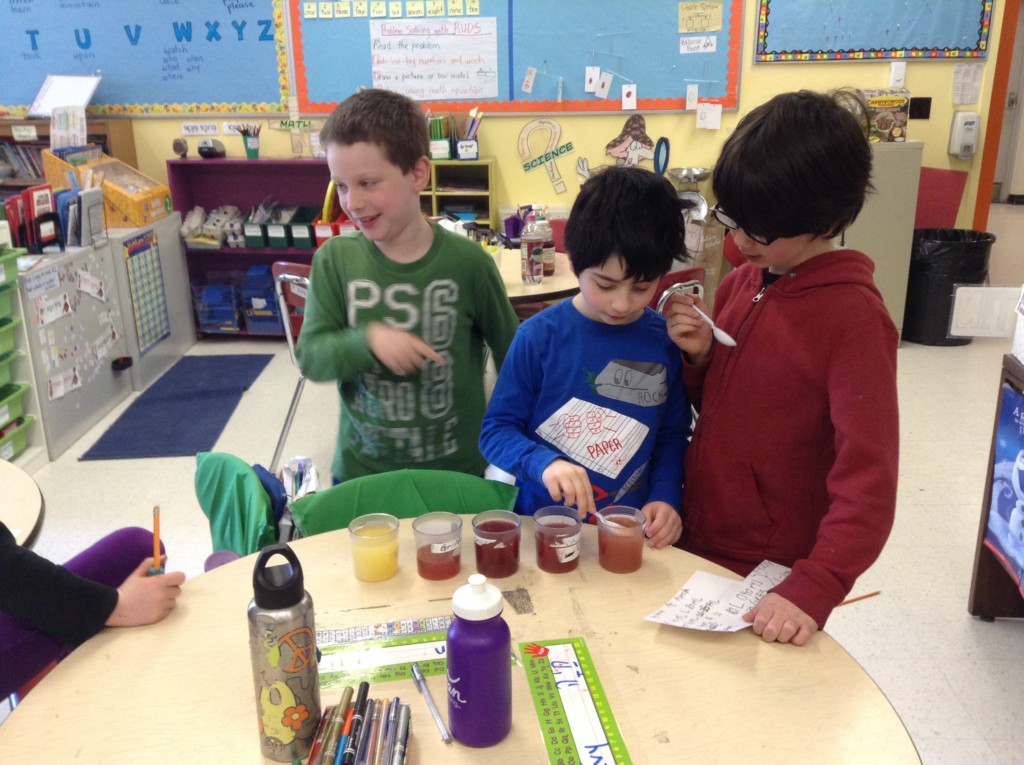
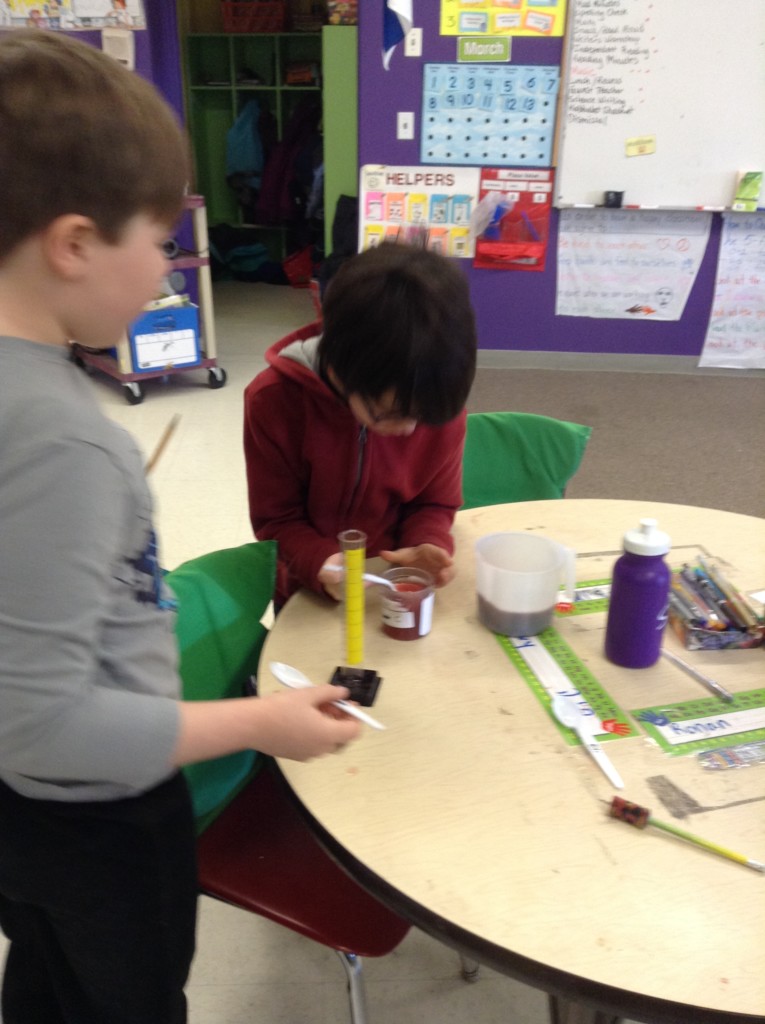
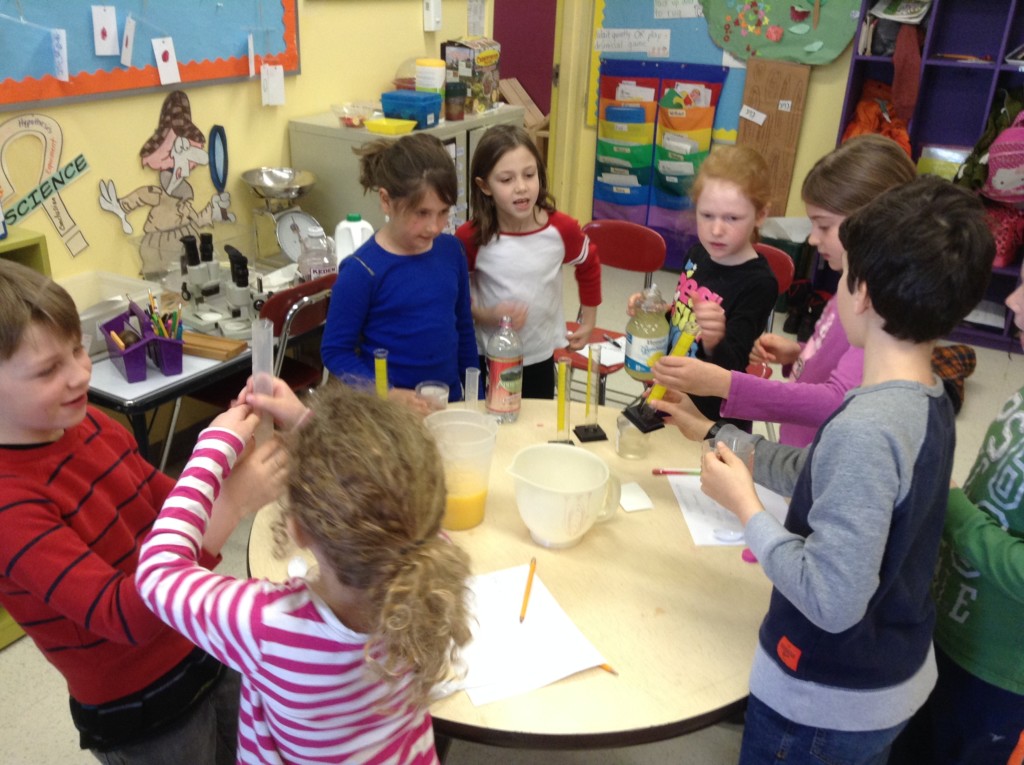
We had a great week in second grade.  We continued our learning about measurement by creating original drinks, one was named “Lemon Dazzle”.  We used graduated cylinders and milliliters to create original drink recipes.  Students then got to vote for their favorite drink.  We had a tie for two different favorites.  Your child might come home asking you to make the drink (sorry!)

 2015-03-13 09.12.33

2015-03-13 09.12.39 2015-03-13 09.32.34

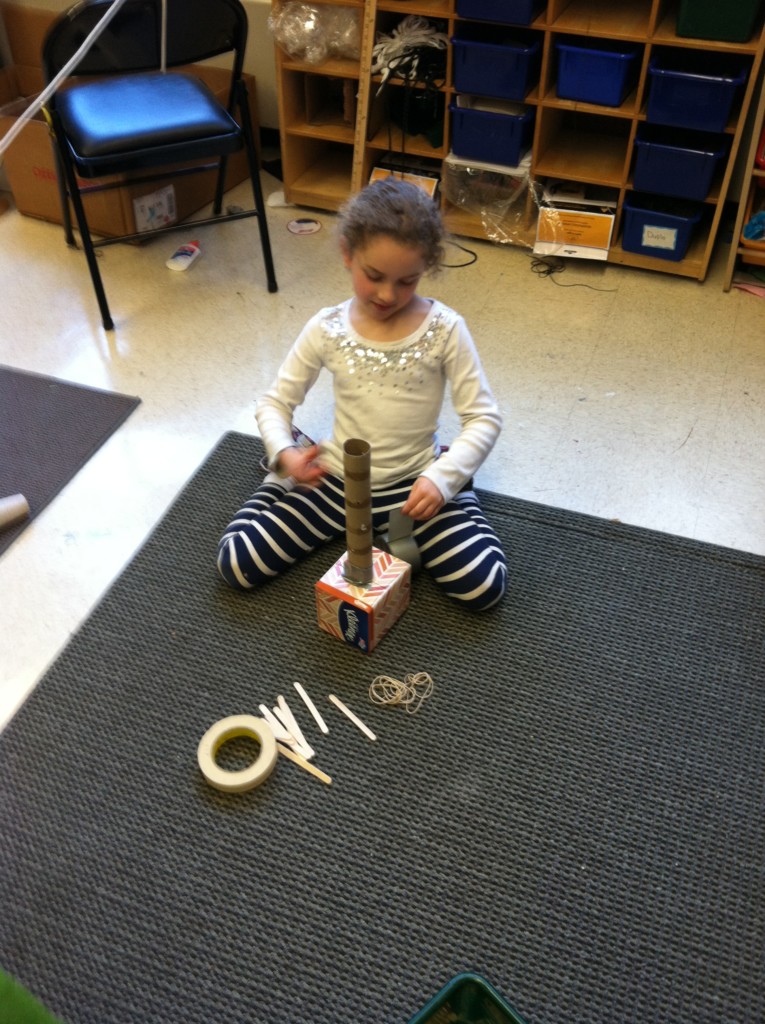
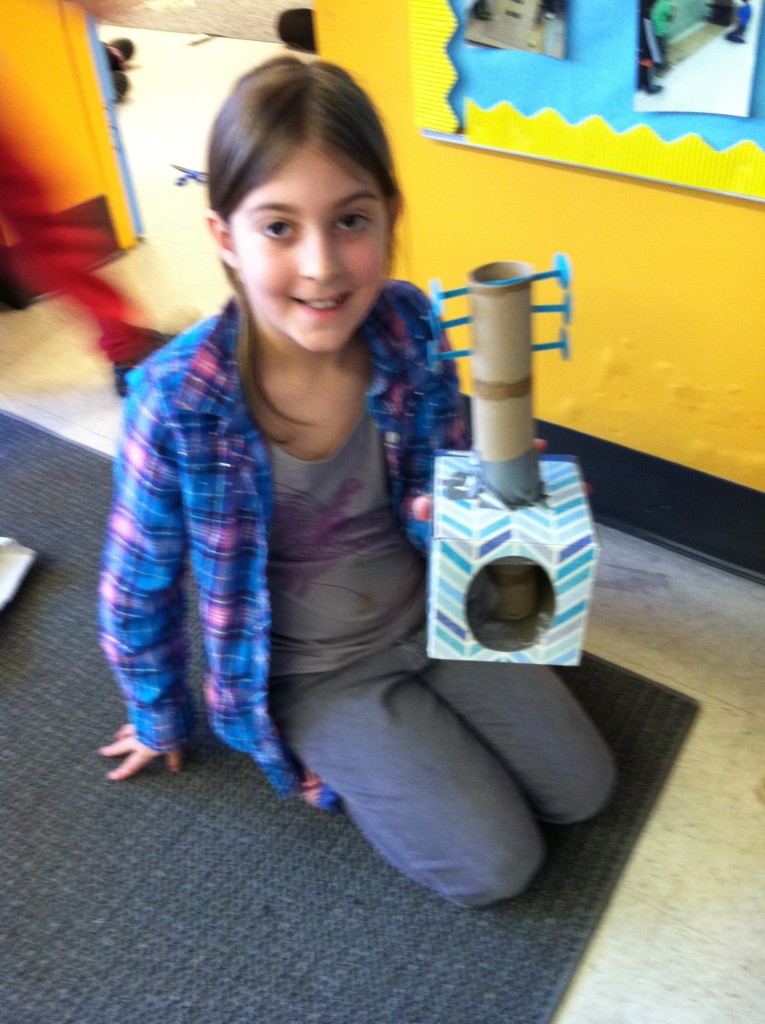
We put our new knowledge about sound to the test in Design Lab.  Students were challenged to create a musical instrument that they could sell at a store out of recycled materials and rubber bands.  Two students here chose to create tissue box guitars.

2015-03-12 14.52.28 2015-03-12 14.38.43

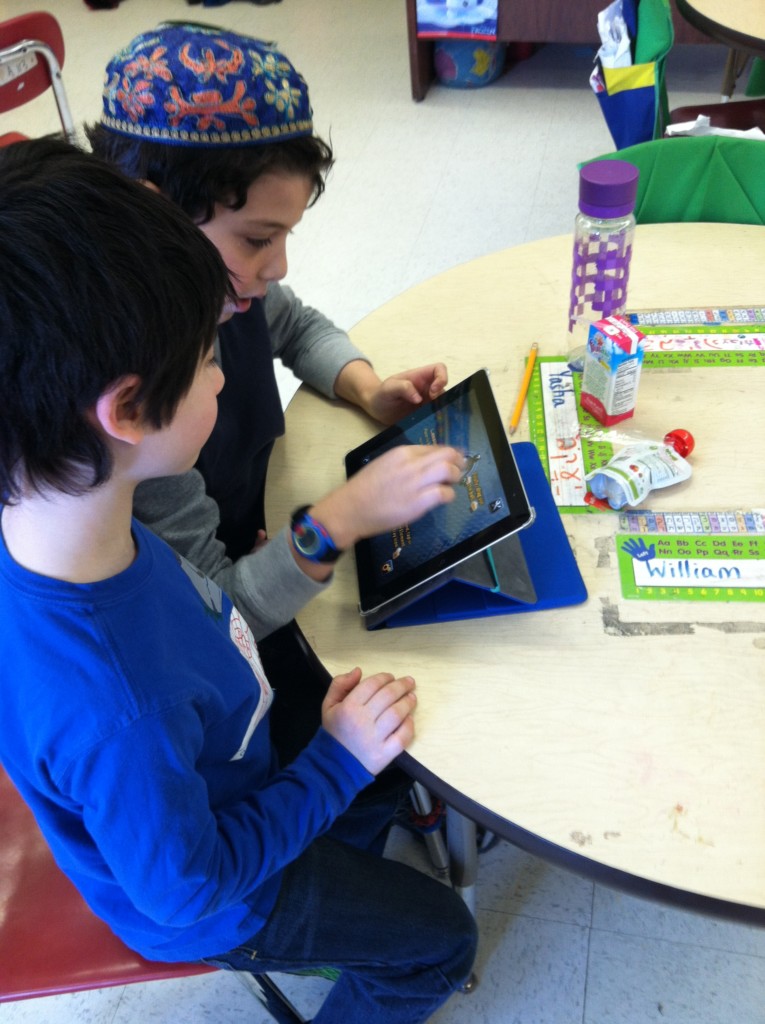
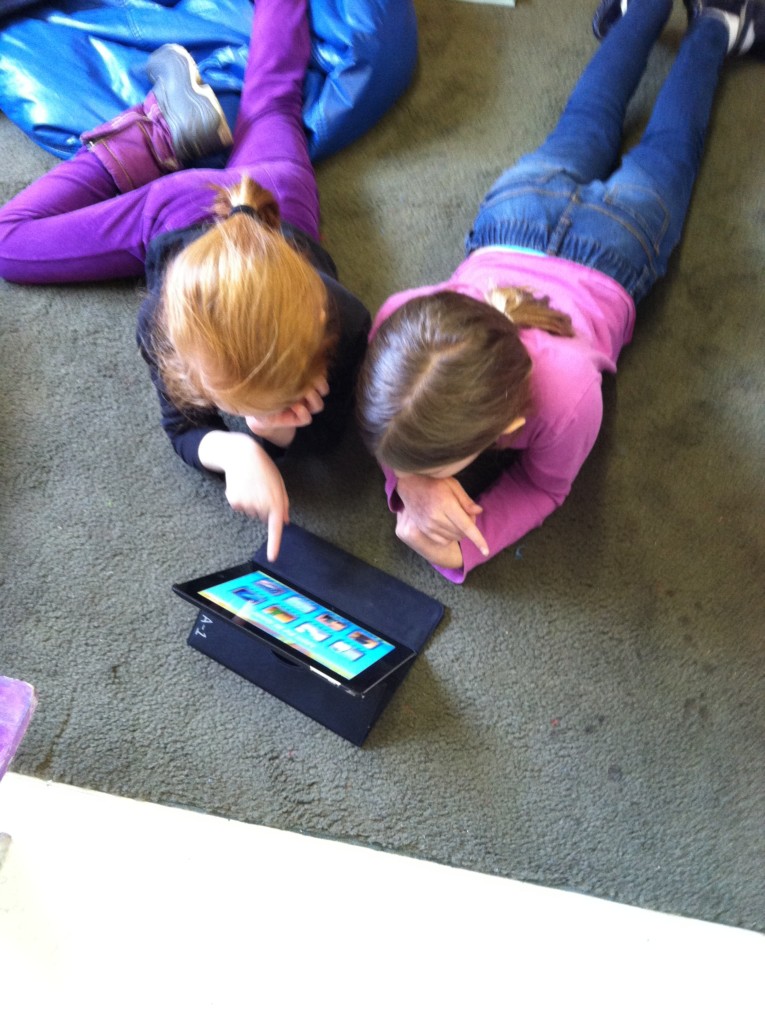
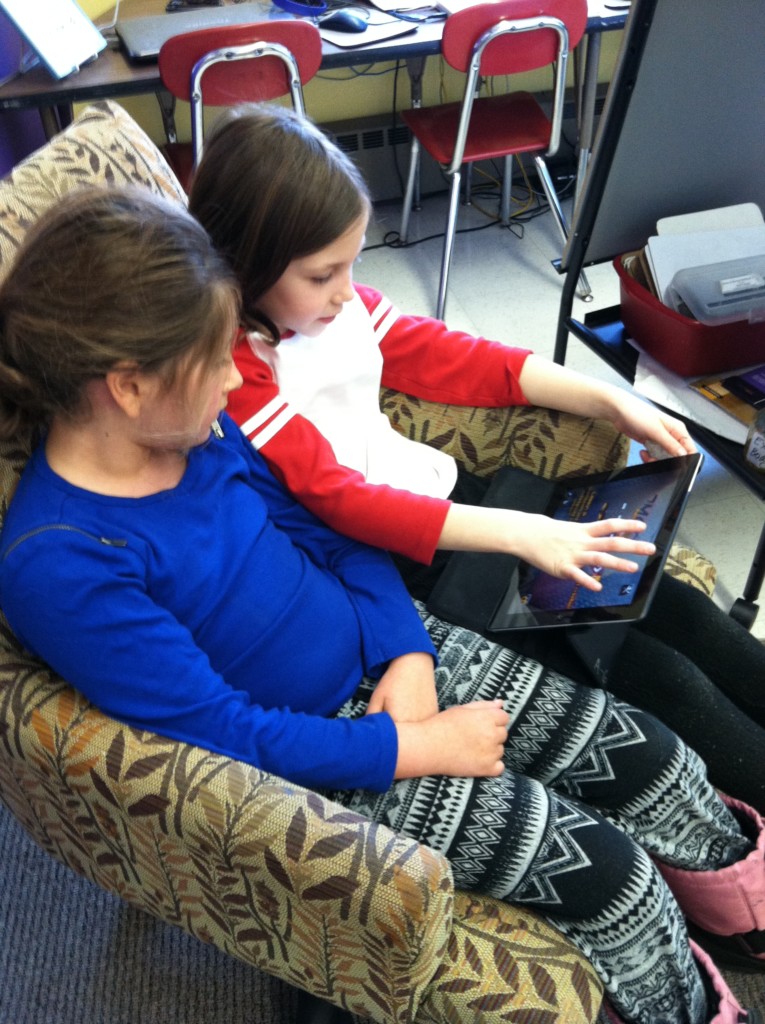
We also played with a balance and motion/physics app called tinkerbox.  This app helped us understand how angles, speed, and direction effect where a ball will end up.

2015-03-13 13.33.54 2015-03-13 13.33.57 2015-03-13 13.34.03

2015-03-13 13.34.12 2015-03-13 13.34.24

Eric Carle Art and Windsocks

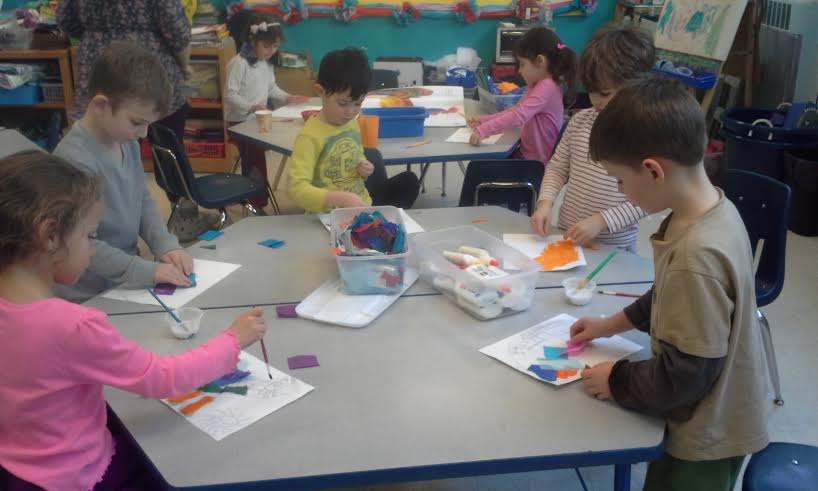
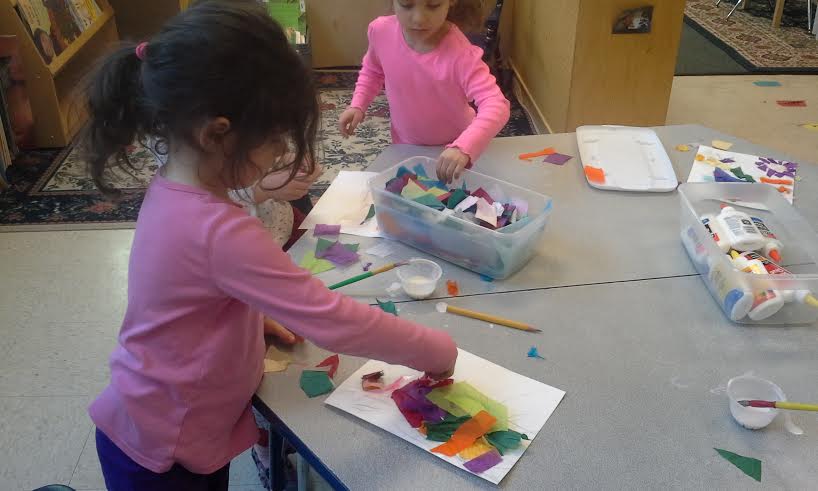
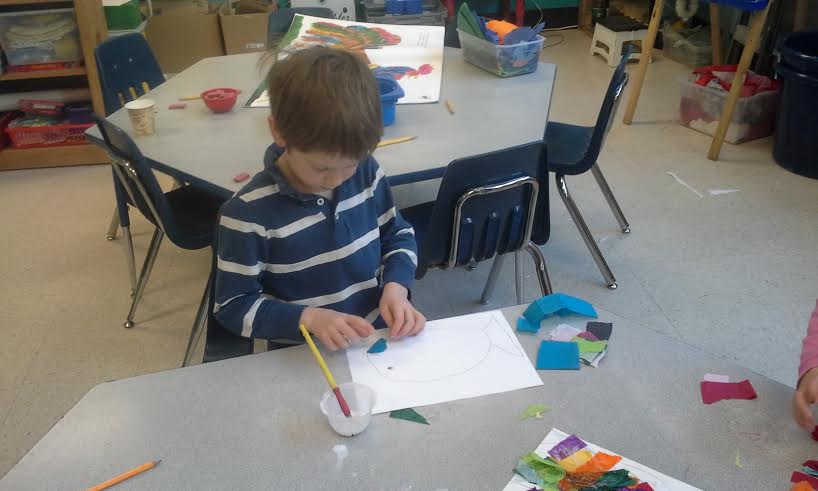
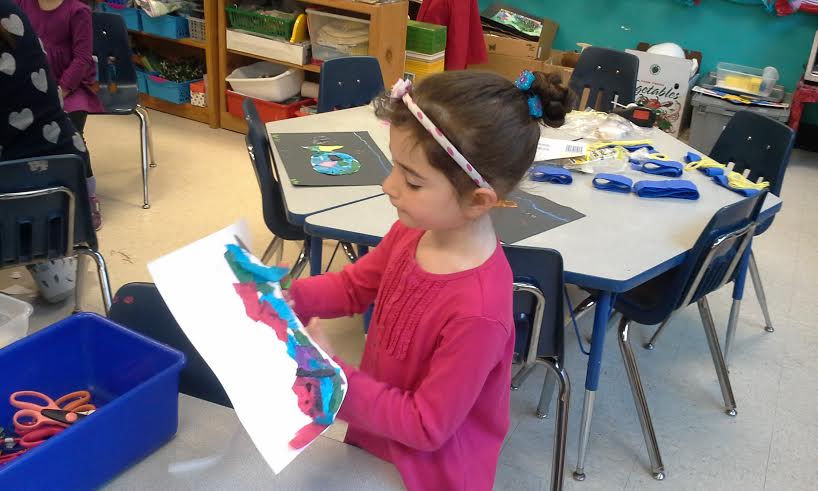
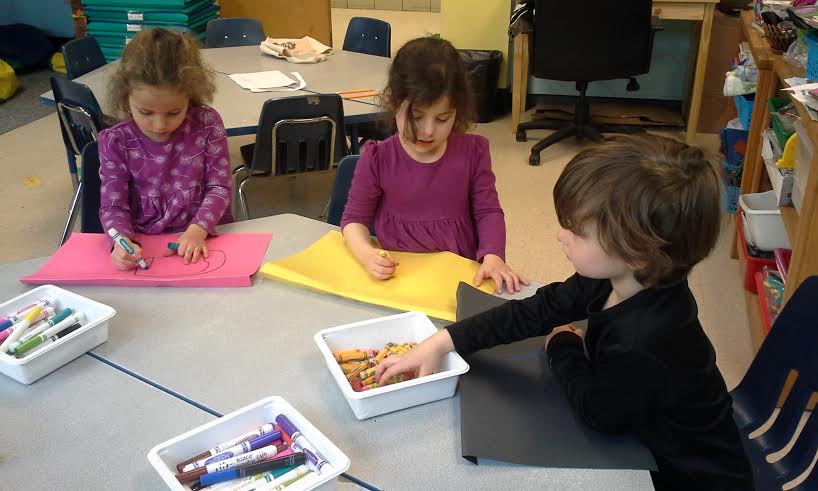
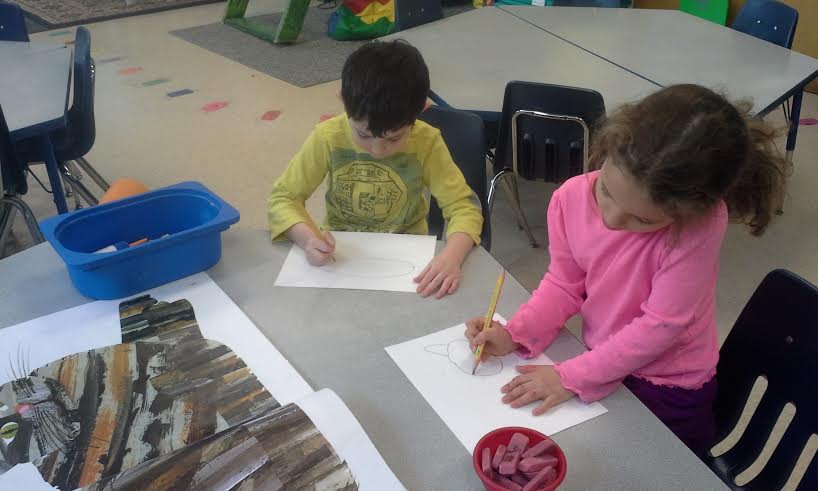
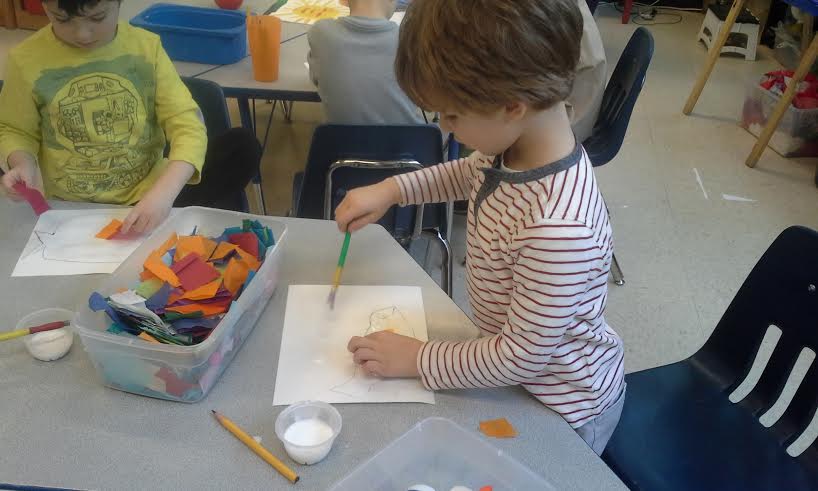
This week we explored the artwork of Eric Carle. We learned about the collage process he uses for his stories, as well as his original ideas for The Very Hungry Caterpillar. We read his book, Rooster’s Off to See the World,  and the children created characters from the story, using the collage process.

The students sketched their images:

eric carle 5

They painted their papers with a mixture of glue and water:

eric carle 4

They placed pieces of tissue paper on their papers and added layers of the glue/water mixture on top of the tissue paper:

eric carle 3

eric carle 2

eric carle 1

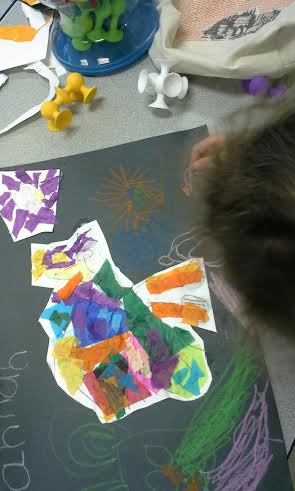
Once their work was dry, they cut out their characters and glued them to a piece of black construction paper. The children used oil pastels to add details to their pictures, and then wrote about their characters:

eric carle 6

eric carle 7

eric carle 8

eric carle 9

eric carle 10

We have been exploring magnets at our science center.

Marble Painting:

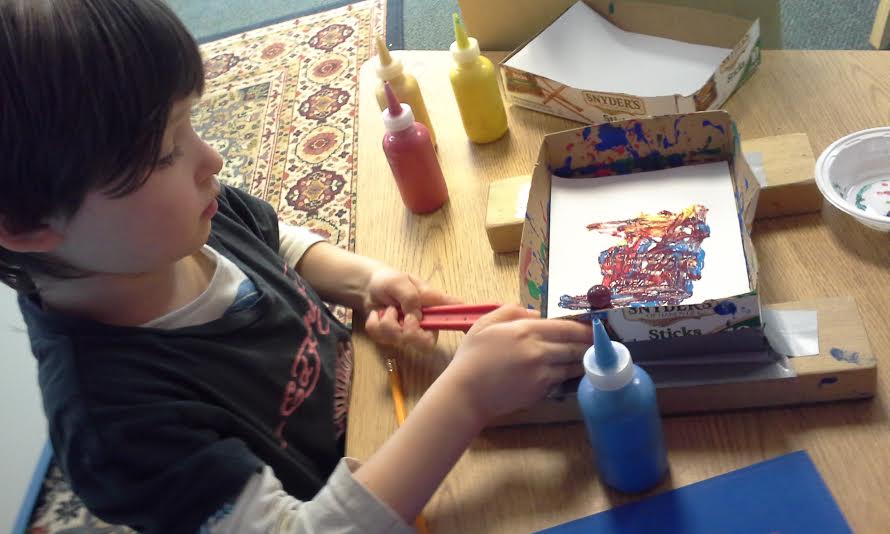
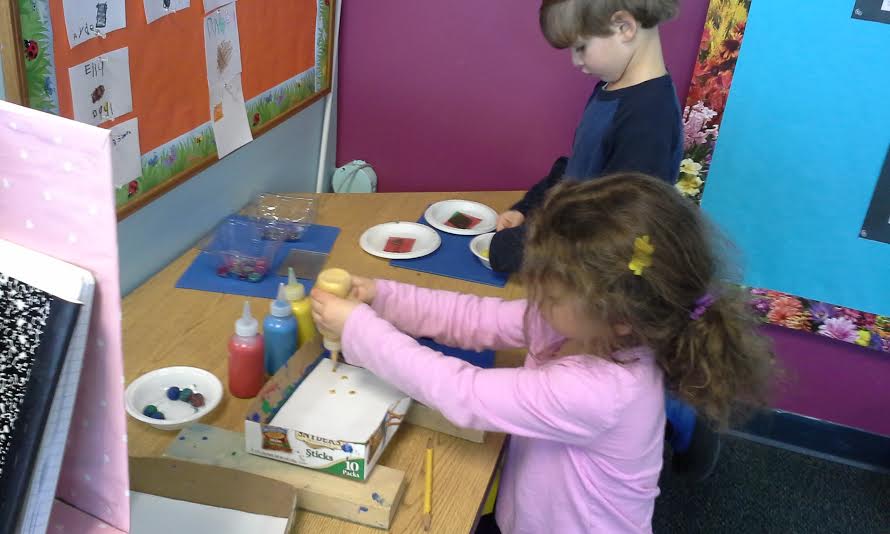
We use magnetic wands to move magnetic marbles through paint:

marbles 2

marbles 3

marbles 1

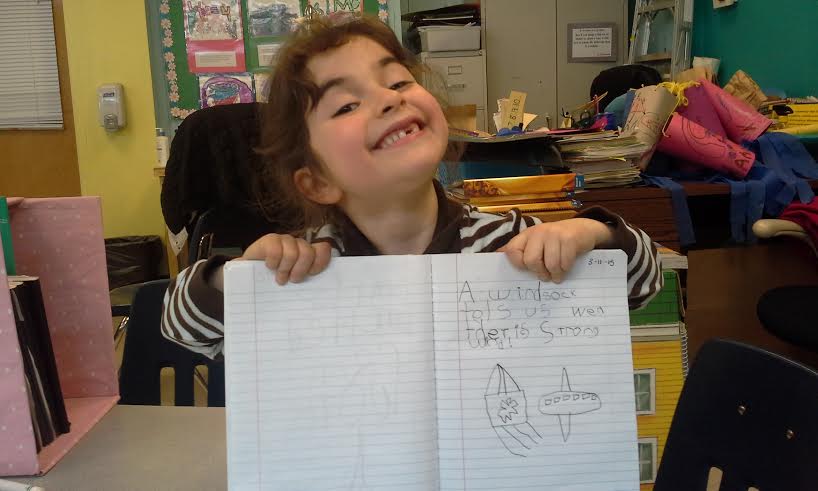
We learned about another weather tool: windsocks!

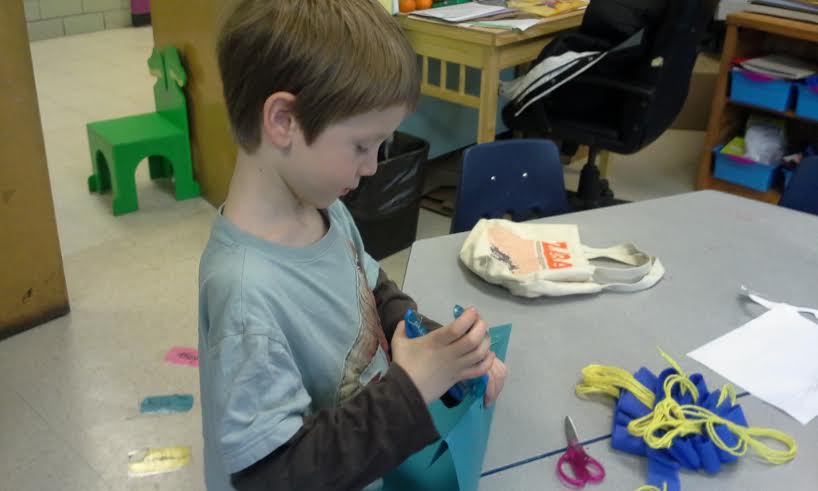
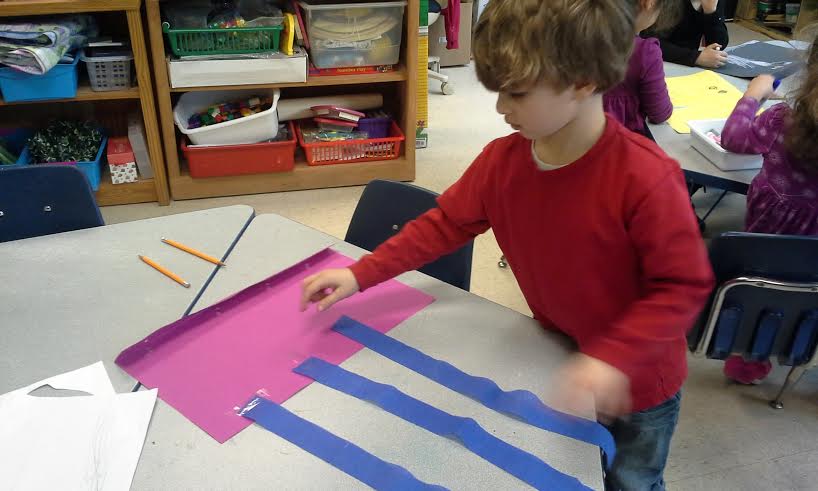
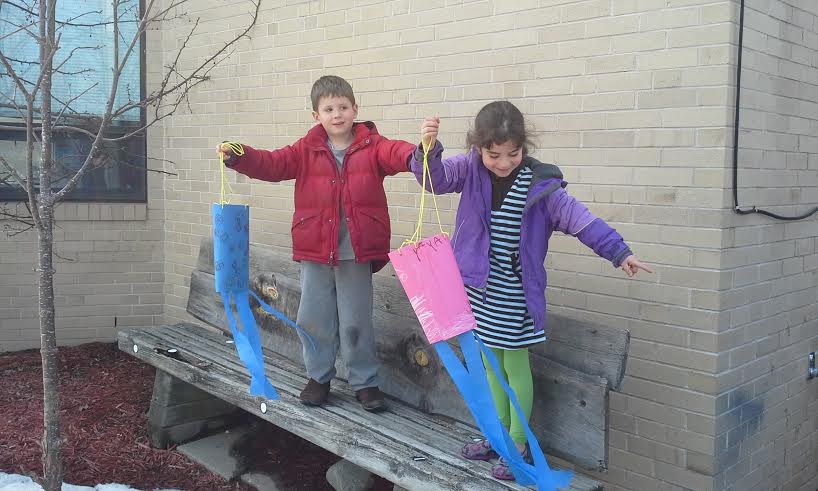
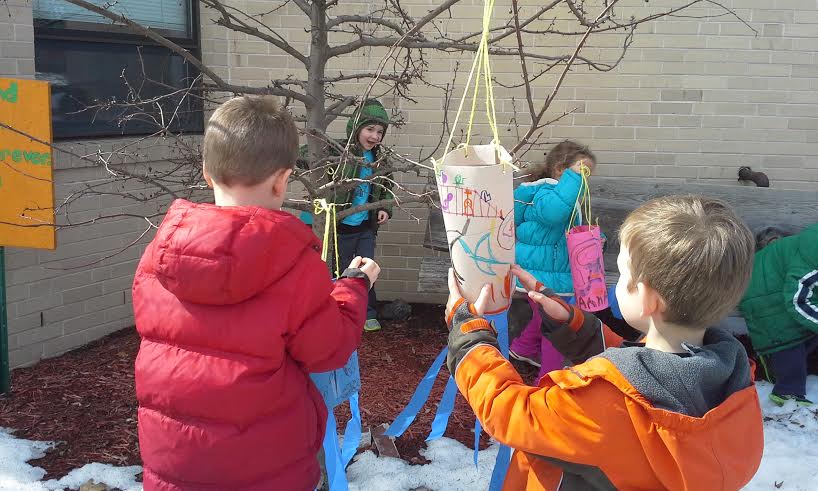
We discovered that we can use windsocks to determine the direction and speed of the wind. The children used construction paper, markers, string, and streamers to create their own windsocks.

wind socks 3

wind sock 1

wind socks

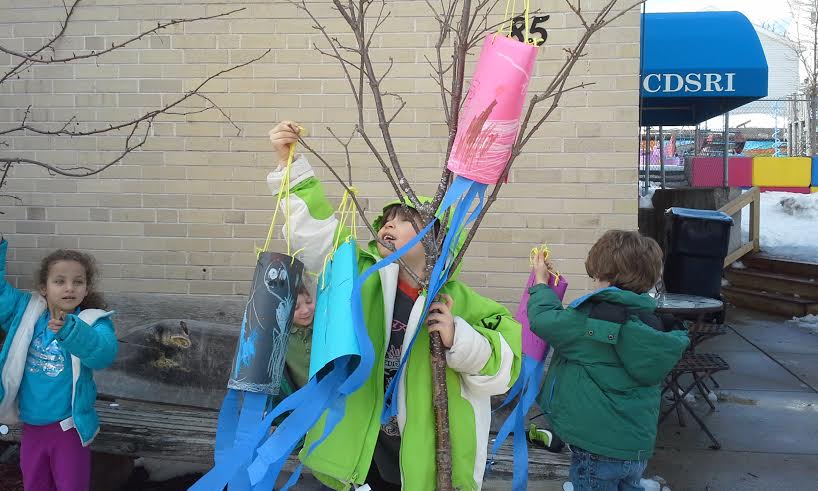
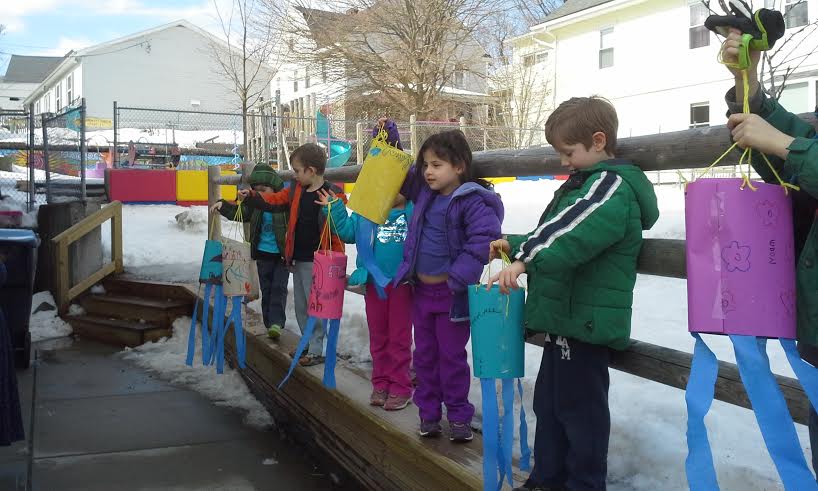
The weather was beautiful and it was a great day to go outside and test out the new windsocks. It was a pretty calm afternoon; however, at times, the wind became stronger and it was exciting to see the streamers start blowing!

wind socks 7

wind socks 6

wind socks 5

wind socks 4

wind socks8

wind socks 1


Deep Inside a Text

Fifth graders are finding many creative ways to interact with  our class novel, an art history mystery, which fosters a deeper understanding of this text and its big ideas.
Fifth graders are finding many creative ways to interact and engage with our class novel, an art history mystery, that foster a deeper understanding of this text and its big ideas.
As the characters uncover bizarre coincidences, we're thinking carefully about coincidences from our own lives.  The protagonists wonder about art, and so do we.
As the characters uncover bizarre coincidences, we’re thinking carefully about coincidences from our own lives. The protagonists wonder about art, and so in turn do we.
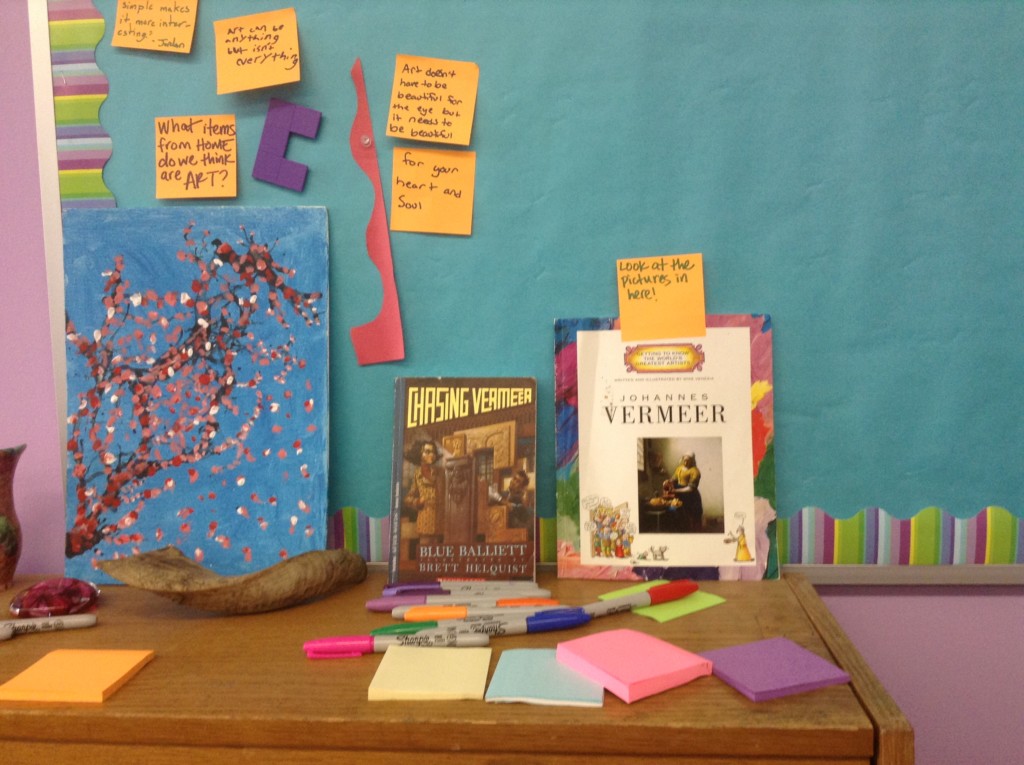
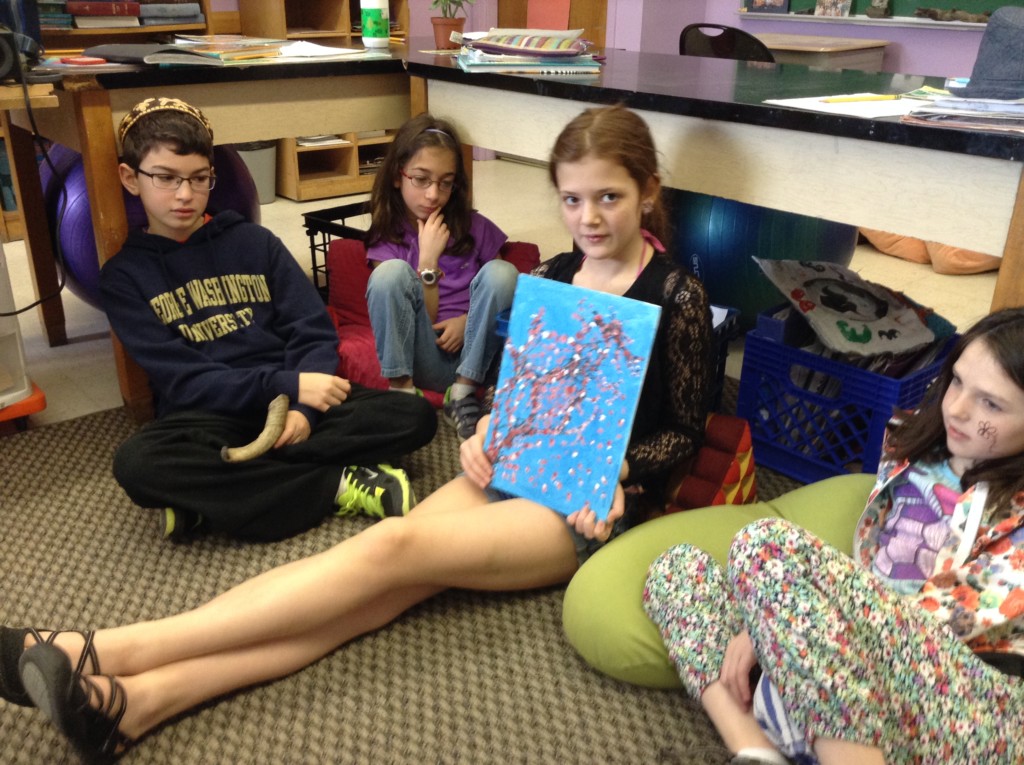
Students brought in items from home that they each think of as art.  This sparked a fascinating discussion as to what is the nature of art.
Students brought in items from home that they each think of as art. This sparked a fascinating discussion as to what is the nature of art.


Students explained why they brought in the items they did.  From a shofar to a broken vase to a glass blown animal, we had many different artifacts to study.
Students explained why they brought in the items they did. From a shofar to a broken vase to a glass blown animal, we had many different artifacts to study.
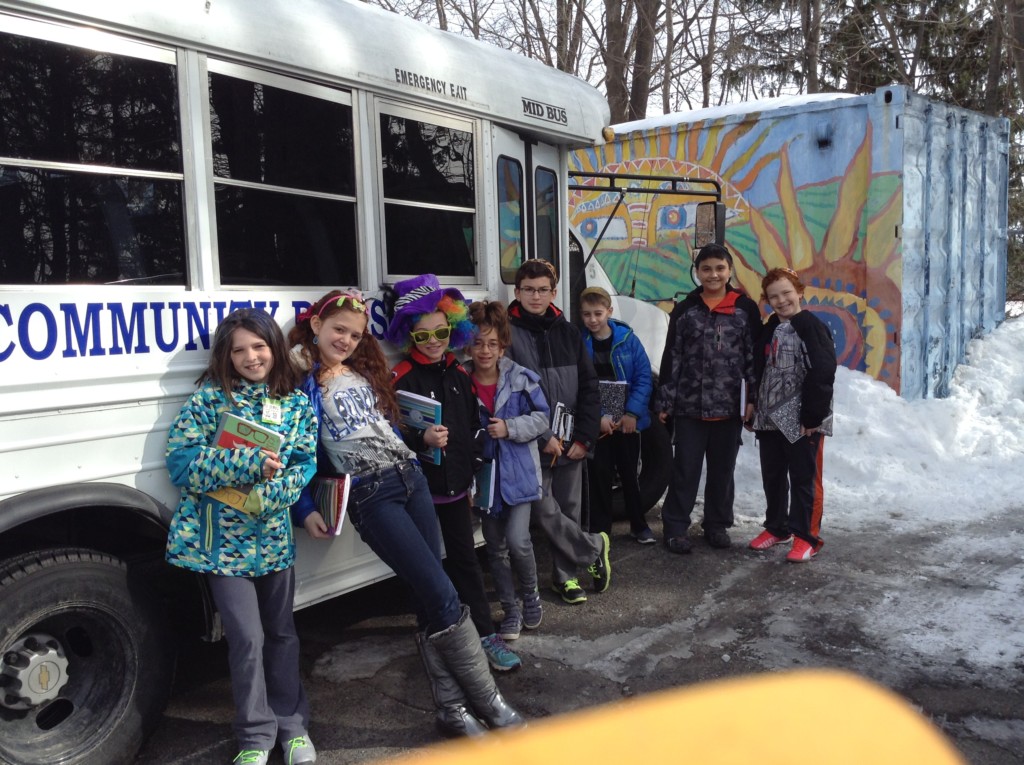
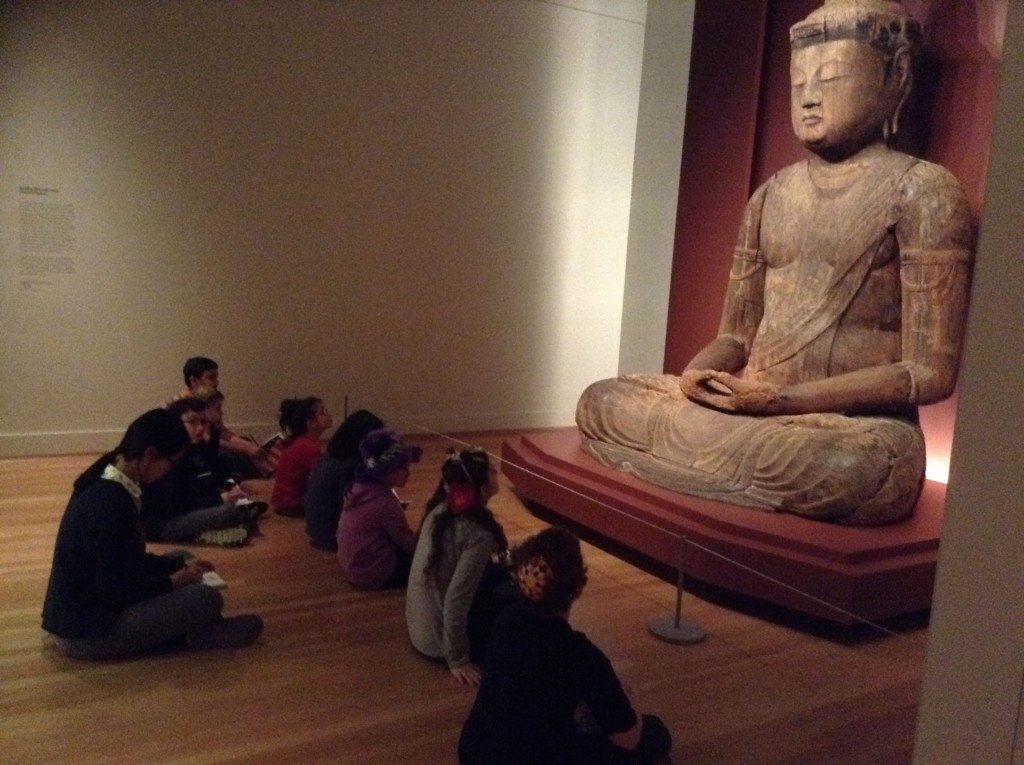
We wanted to study this question (What is art?) more, so off we went to the RISD Museum.  Talking has great worth, but students wanted to see as much art as possible to shed greater light on their questions and thoughts about what art can communicate to us.
We wanted to study this question (What is art?) more, so off we went to the RISD Museum. Talking has great worth, but students wanted to see as much art as possible to shed greater light on their questions and thoughts about what art can communicate to us.
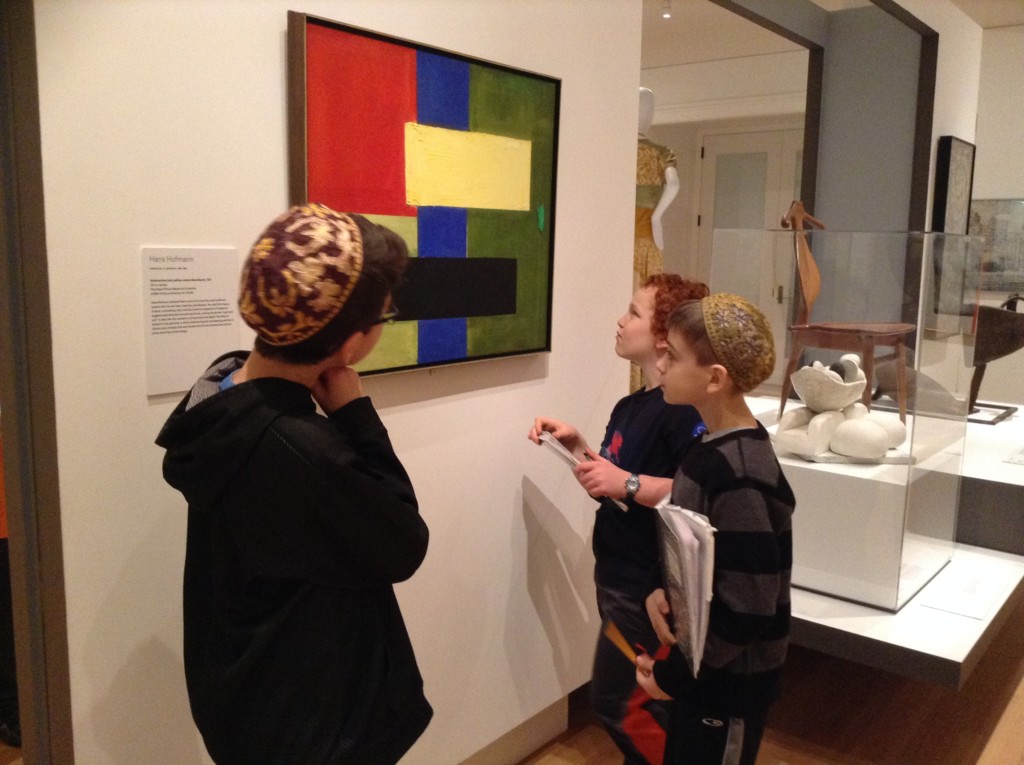
We observed, we questioned, we discussed, we wandered, and we had a joyful learning experience.  What is the artist trying to communicate to us?  What can we learn about the values and cultural norms of this time period based on its art?  Students drove the learning and the movement around the museum.
We observed, we questioned, we discussed, we wandered, and we had a joyful learning experience. What is the artist trying to communicate to us? What can we learn about the values and cultural norms of this time period based on its art? Was this green line supposed to be there?  Students drove the learning and the movement around the museum.
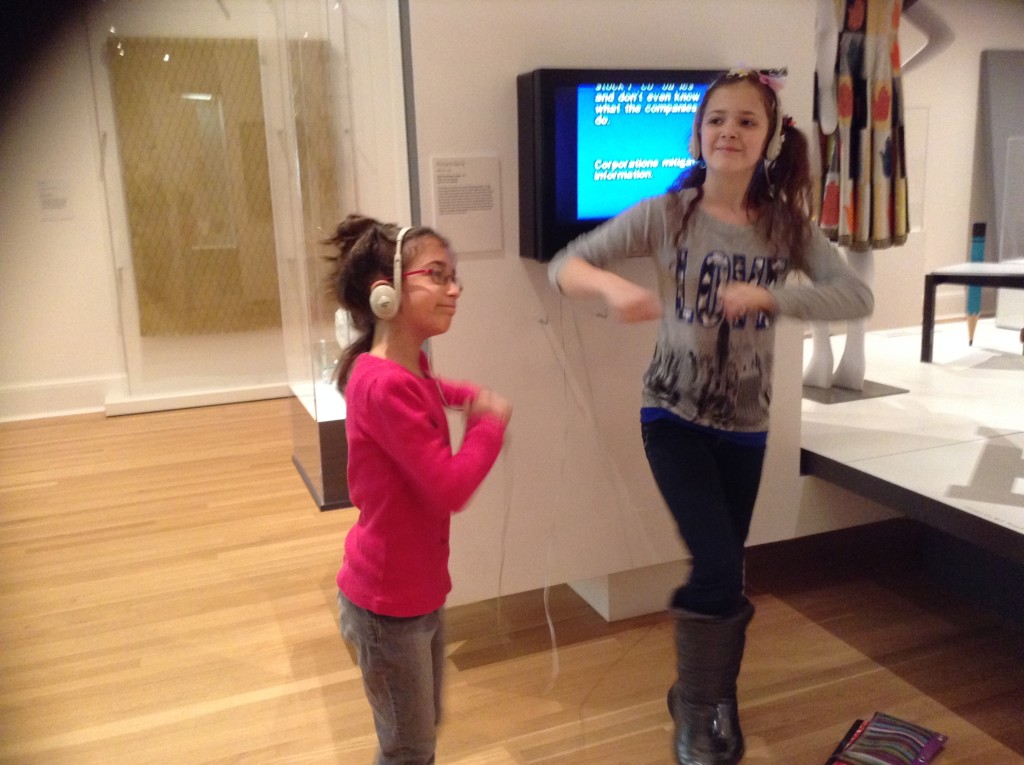
In the contemporary art wing, this exhibit was accompanied by music.
Students marveled over the art work.  Fifth graders raised many thoughtful questions, such as: Why are their nudes in art?  Are all portraits of real people?  Did only the very wealthy have portraits taken of them?  When can we come back to the museum?
Students marveled over the art work. Fifth graders raised many thoughtful questions, such as: Why are there nudes in art? Are all portraits of real people who once lived? Did only the very wealthy have portraits taken of them? When can we come back to the RISD museum?
We ended our visit with some quiet reflection.  What had we learned about art?
We ended our visit with some quiet reflection, in this apropos spot. What had we learned about art?
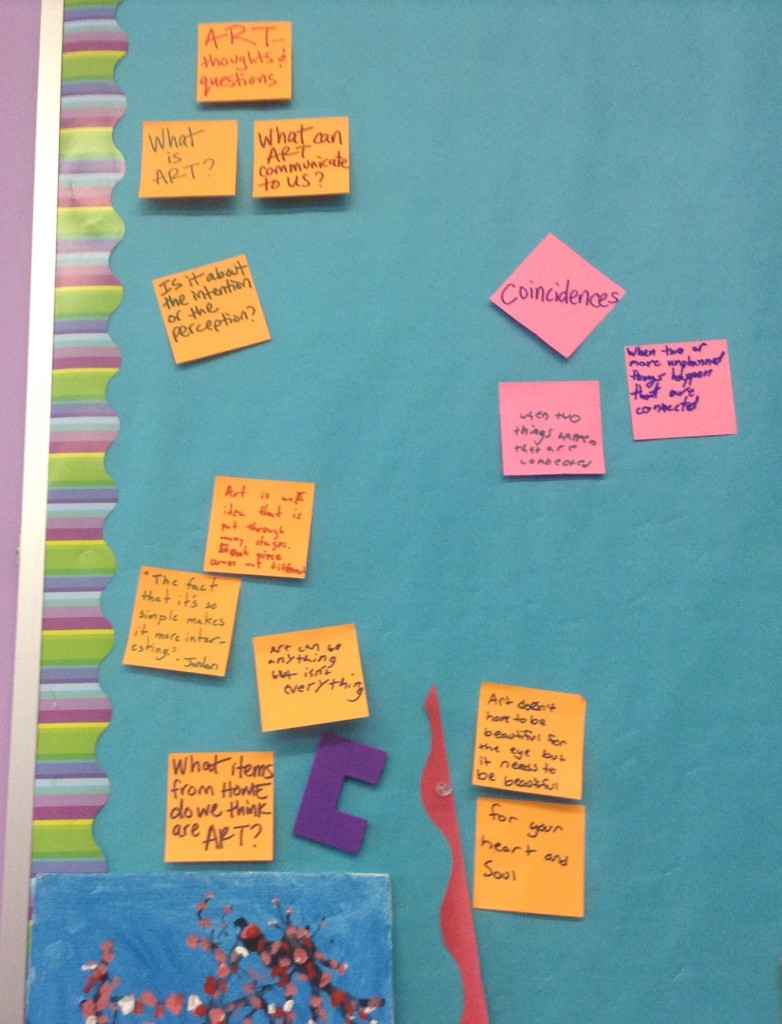
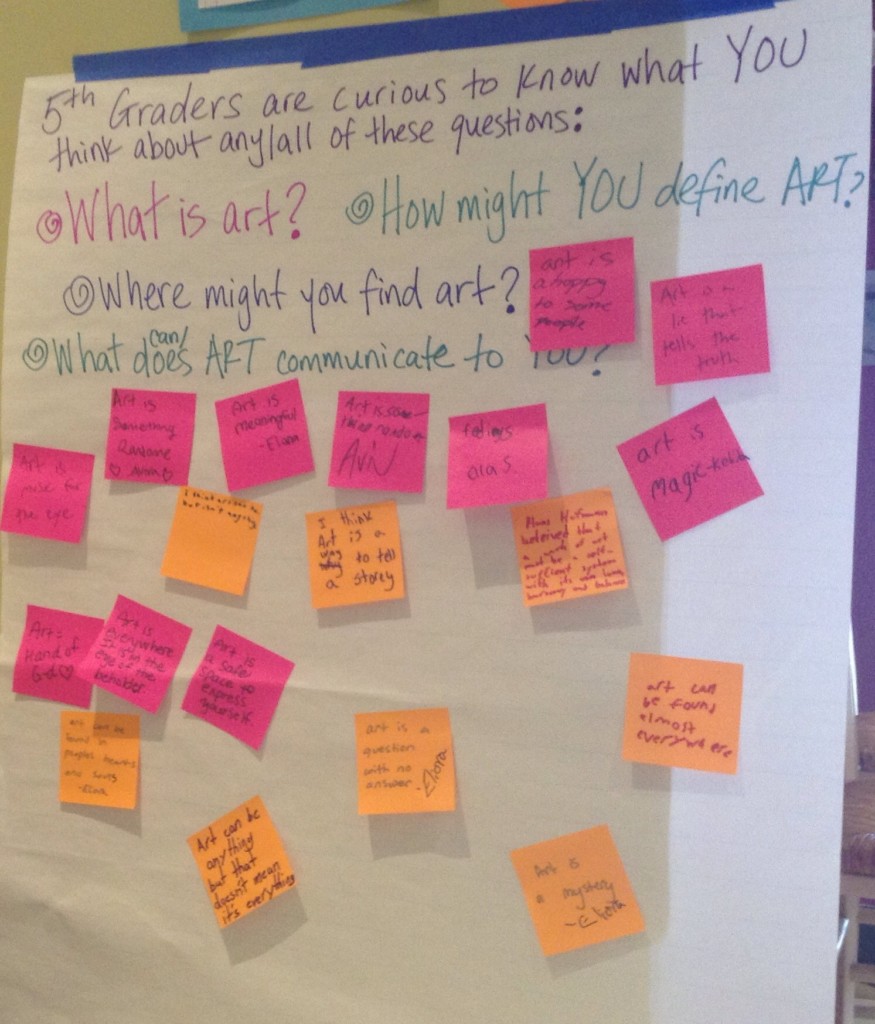
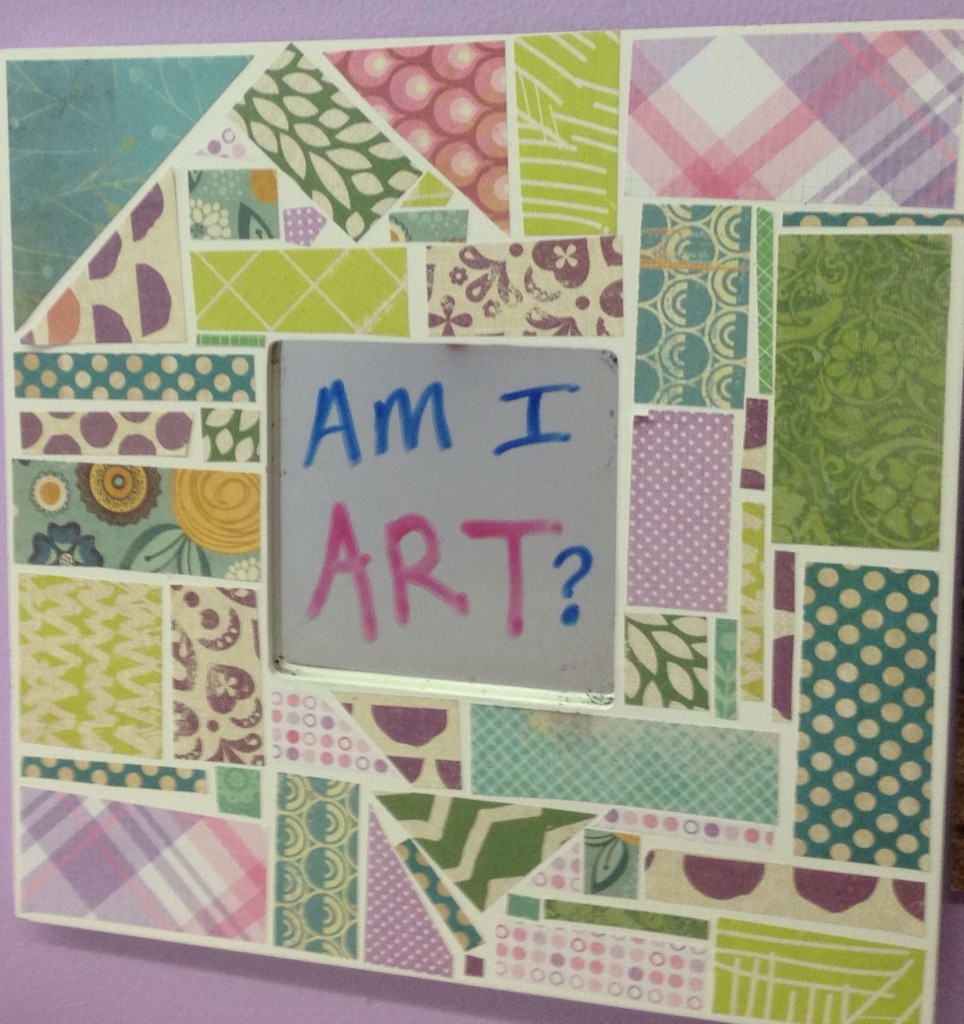
After the museum, one student proclaimed, "I'm left with more questions than answers!"  (Good!!!)  The class decided they wanted more data, namely the thoughts and opinions of those in their community.  They created this and hung it in our school lobby to gather responses.
After the museum, one student proclaimed, “I’m left with more questions than answers!” (Good!!!) The class decided they wanted more data, namely the thoughts and opinions of those in their community. They created this and hung it in our school lobby to gather responses to further their understanding.
Meanwhile, we've begun passing around Lo!, a bizarre book that a character in the novel picks up and puzzles over.
Meanwhile, we’ve begun passing around Lo!, a bizarre book that a character in the novel picks up and puzzles over.  Students take it home, read a passage, share a summary and a reflection.  Lo! is filled with newspaper clippings that seem like anomalies (i.e. showers of frogs).  Who was Charles Fort?  How many more coincidences will we discover between Lo! and Chasing Vermeer?
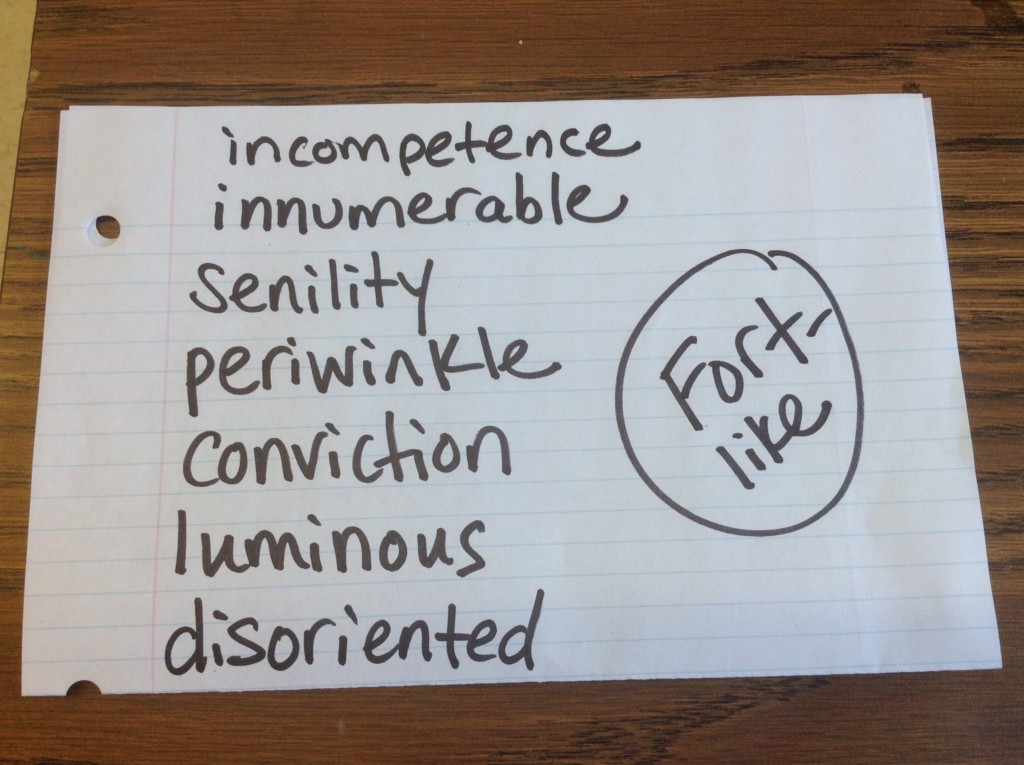
Our spelling words this week came from the text, and the assignment- to write something that seemed like it might be an entry in Lo!- led to some very creative writing!

Here’s an example, by Jonah:

The luminous bear fell from the sky.

There was an innumerable amount of frogs falling from the sky.

The beautiful periwinkles grew until their tips touched the clouds.

The incompetent teacher said to spell “it” “phyl.”

He was disoriented at the sight of the crocodiles coming down in swarms.

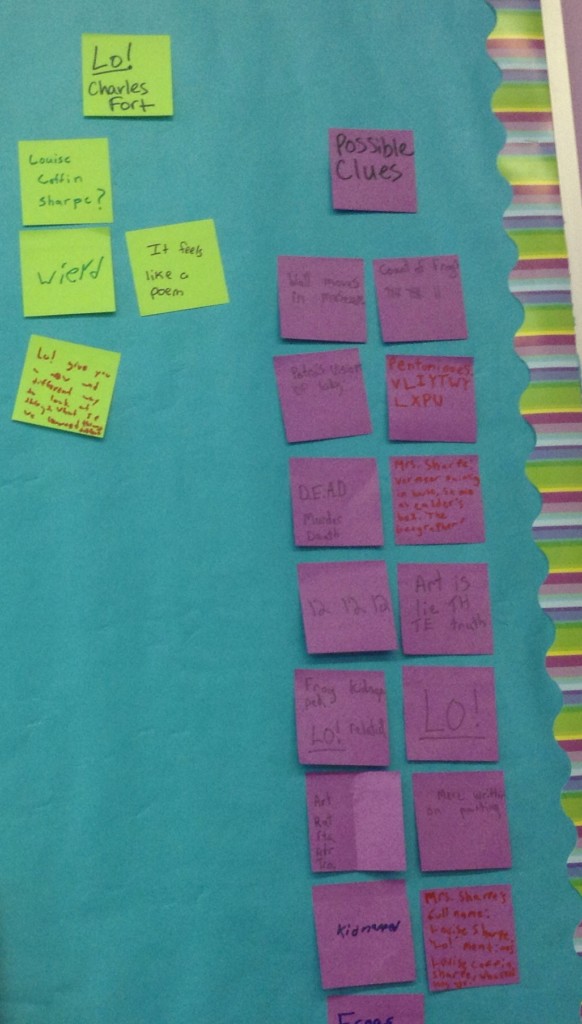
Students began charting their clues from the noevl
Students began charting their clues from the novel
We continue to puzzle over art.  Yesterday the class learned about the life of the great artist Vermeer.
We continue to puzzle over art. Yesterday the class learned about the life of the great artist Vermeer.
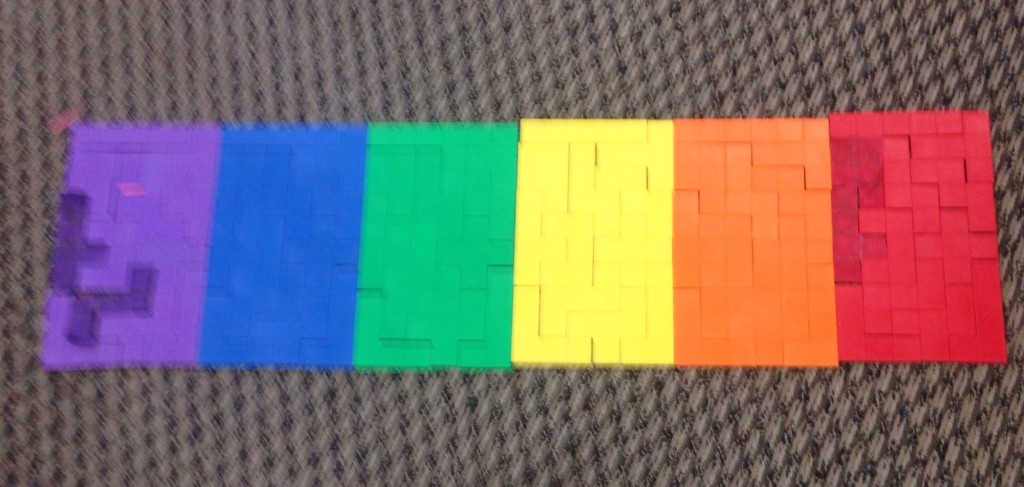
A main character, Calder, uses pentominoes to help guide him in life.  The class has been the first class ever to figure out how to arrange the set of 12 shapes- each made up on 5 units- into a rectangle.  They worked joyfully & collaboratively!  And they're very proud of themselves!
A main character, Calder, uses pentominoes to help guide him in life. The class has been the first class ever to figure out how to arrange the set of 12 shapes- each made up on 5 units- into a rectangle. They worked joyfully & collaboratively! And they’re very proud of themselves!
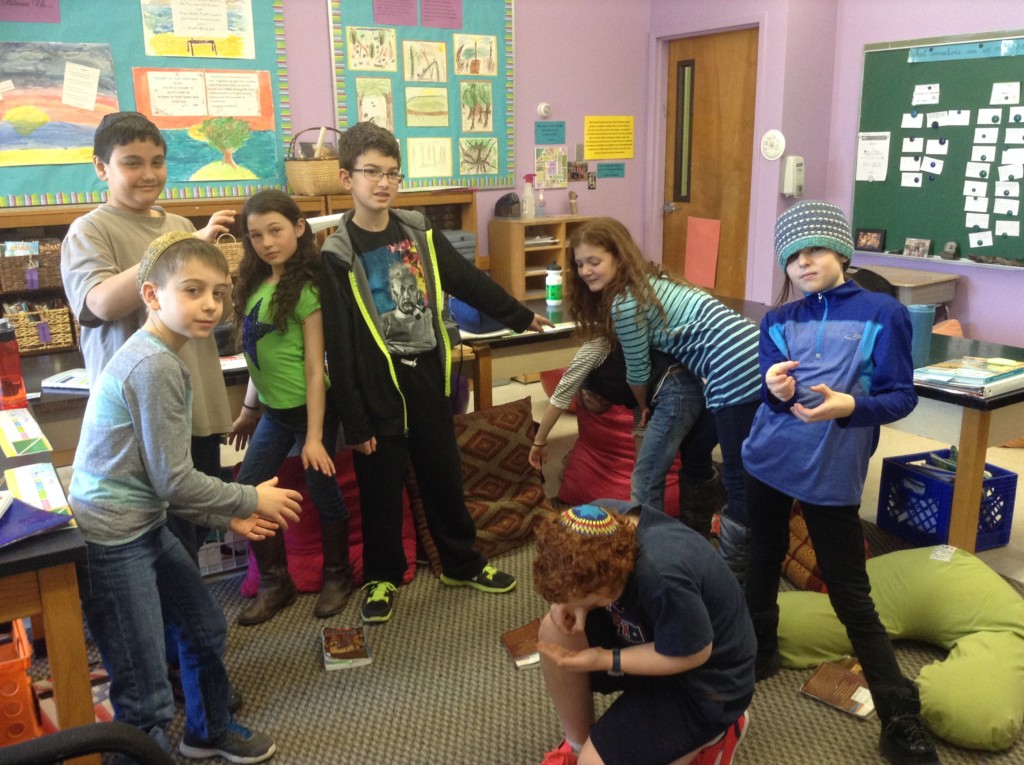
Here, students each struck a pose to demonstrate which aspects of the book they're thinking about.  Their explanations were thoughtful and their poses were most creative.  Reading is thinking, and these 5th graders have been interacting deeply with our class novel.
Here, students each struck a pose to demonstrate which aspects of the book they’re thinking about. Their explanations were thoughtful, and their poses were most creative. Reading is thinking, and these 5th graders have been interacting deeply with our class novel.

STEM Labs vs. STEAM Labs vs. MakerSpaces vs Design Labs: Whats the difference?

If you have been paying attention to educational buzzwords recently, you may have noticed a slow migration of thought.  First, we were obsessed with STEM (Science, Technology, Engineering, and Math).  Then we moved from STEM  to STEAM, adding an A for the Arts to humanize the purely scientific study of STEM.  This initiative was led by our partners and neighbors at the Rhode Island School of Design (RISD).   Many schools and universities are rebranding their STEM labs STEAM labs and beginning to incorporate art and the esthetics into their engineering and technology projects.

You may have also noticed the advent of Makerspaces.   The Maker movement is akin to a 21 century do-it-yourself shop class. People use the new tools of the trade – Arduino motherboards, 3D printers, vinyl cutters, and soldering irons.  The Maker movement is about creating with technology- not just buying it. Makers make their own cameras, musical instruments, computer tablets, drones and artificial limbs. It is an exciting way of mastering and welding technology that puts the power of curiosity, ingenuity, and initiative into the hands of everyone who wants to create.

Makerspaces are springing up all over the place-even in k-12 and elementary schools.  At the National Association of Independent Schools annual conference, held last week in Boston, 25 schools from across the country submitted their school’s Maker Spaces to a gallery for all to observe (JCSDRI was one of them:  Check out the NAIS Makerspace website here:)

The newest related buzzword is Design Thinking.  Design Thinking is essentially a way of looking at needs, problems, and solutions by putting people and values first.  It is ‘human centered’ and based primarily on empathy. The first role of the Designer is to observe, ask questions, understand the user’s needs and values, and the ‘make.’  The key mindsets of Design Thinking are a bias towards action, people above products, radical collaboration, rapid prototyping, and failing fast forward. Design thinking is about ‘how’ we think, before addressing content or skills.

We at JCDSRI love the STEAM movement (click here to learn more about our amazing relationship with Brown/RISD STEAM) and the Maker movement, but we are proud that what we have created is a DESIGN Lab. Design starts with values, empathy, and understanding.  These core human skills – asking, listening, observing, and empathizing are part of our Jewish and educational mission.


Tags:  K12, education, design, STEM, STEAM, Brown, RISD, kinderSTEAM,


Grades 4 and 5: African American Studies-Slavery (K.White, librarian)

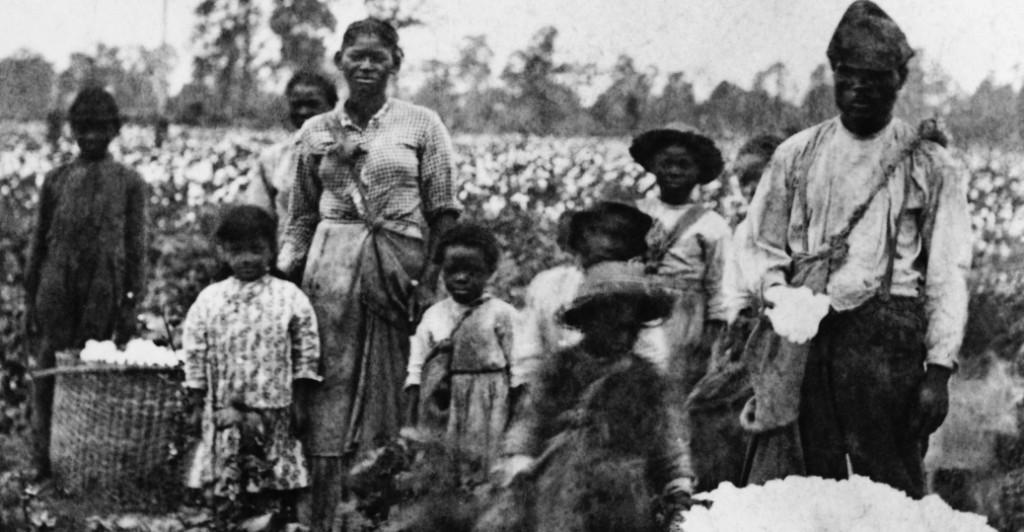
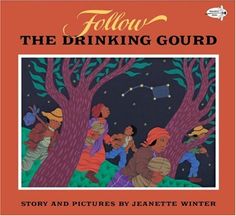
Via the triangle trade route, an estimated 8 to 15 million captive Africans were brought to America between the 16th and 19th centuries. Using primary and secondary materials, as well as fiction, we are exploring slavery-the life of slaves on southern plantations and the Underground Railroad.

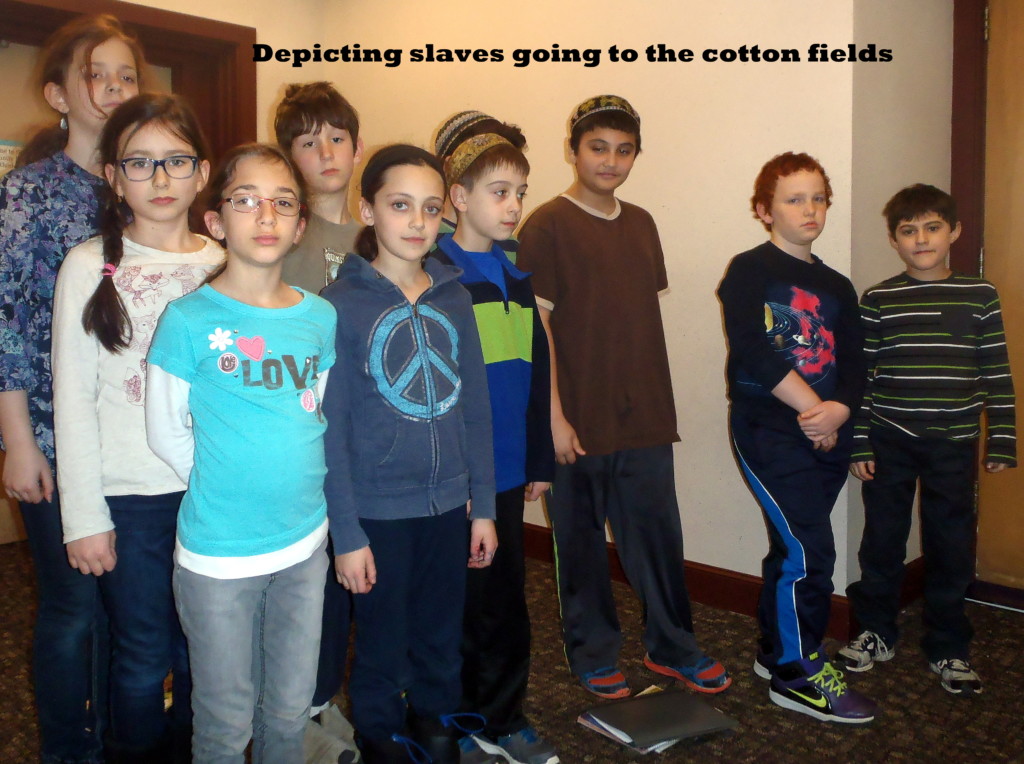
Students acted out a slave’s day noting what the slave quarters were like; what food they ate; and the work of picking cotton. We learned about the cotton plant and the importance and value of cotton. coton slave-family slaves kids
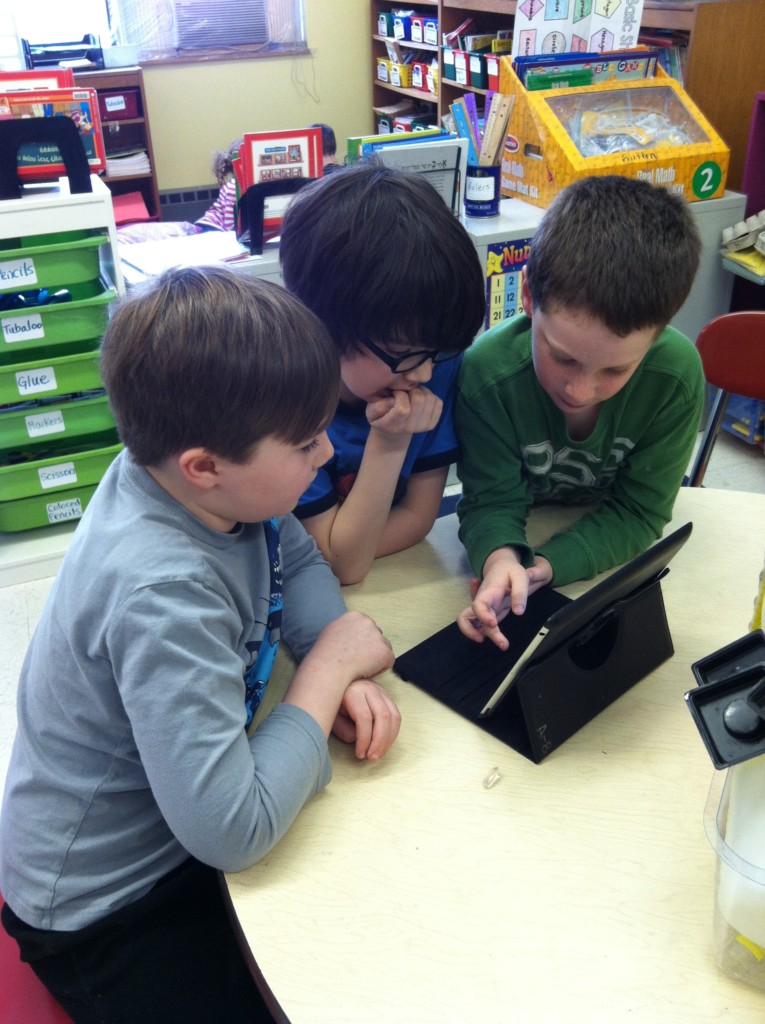
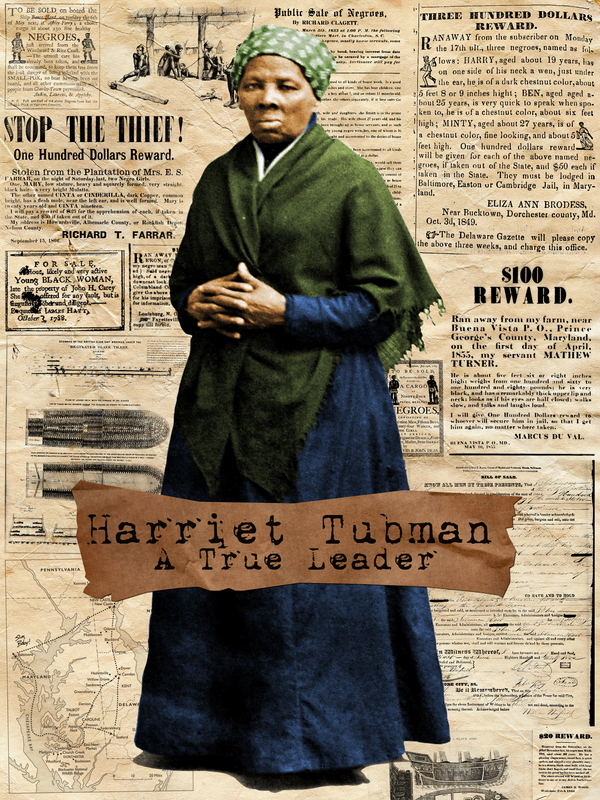
Students studied the life of the very brave Harriet Tubman. We were amazed to discover she returned 17 times to the South to help slaves escape on the Underground Railroad!

slave2 slave1

Building Bridges in PreK!

IMG_7850

Our students use their vibrant imaginations, working memories, and scientific knowledge to build intricate structures using blocks, Magnatiles, Legos and cardboard (our collaboratively created Persian palace is but one example!) We now understand that adults use similar skills to create and care for real-world bridges throughout our state.
img13

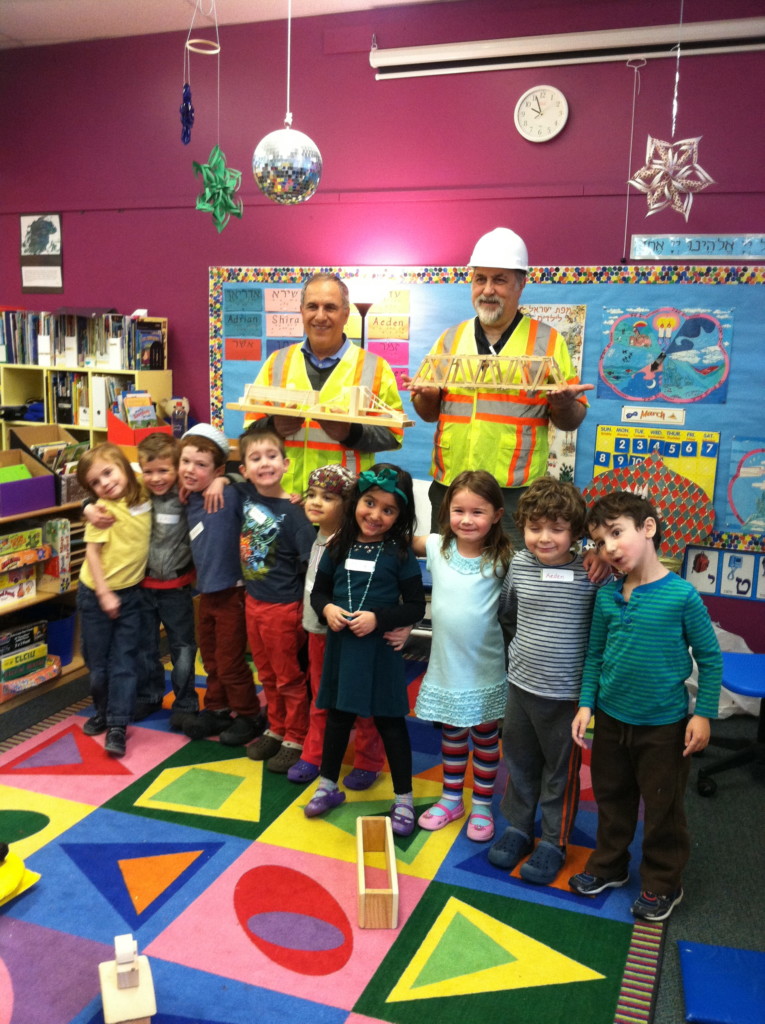
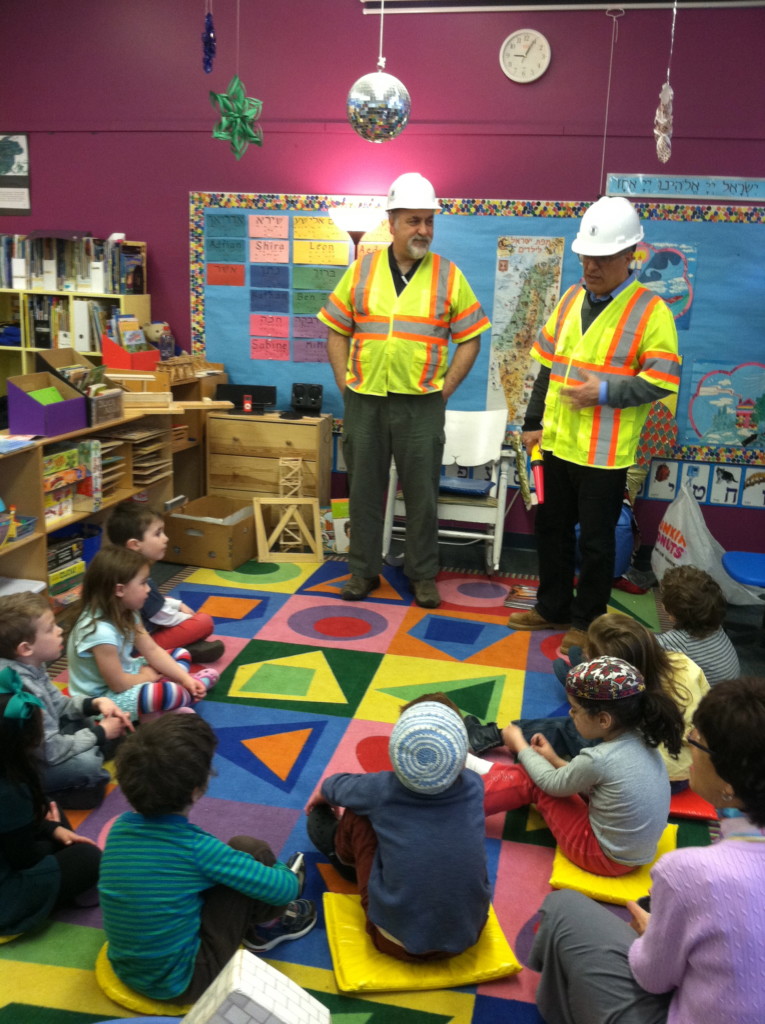
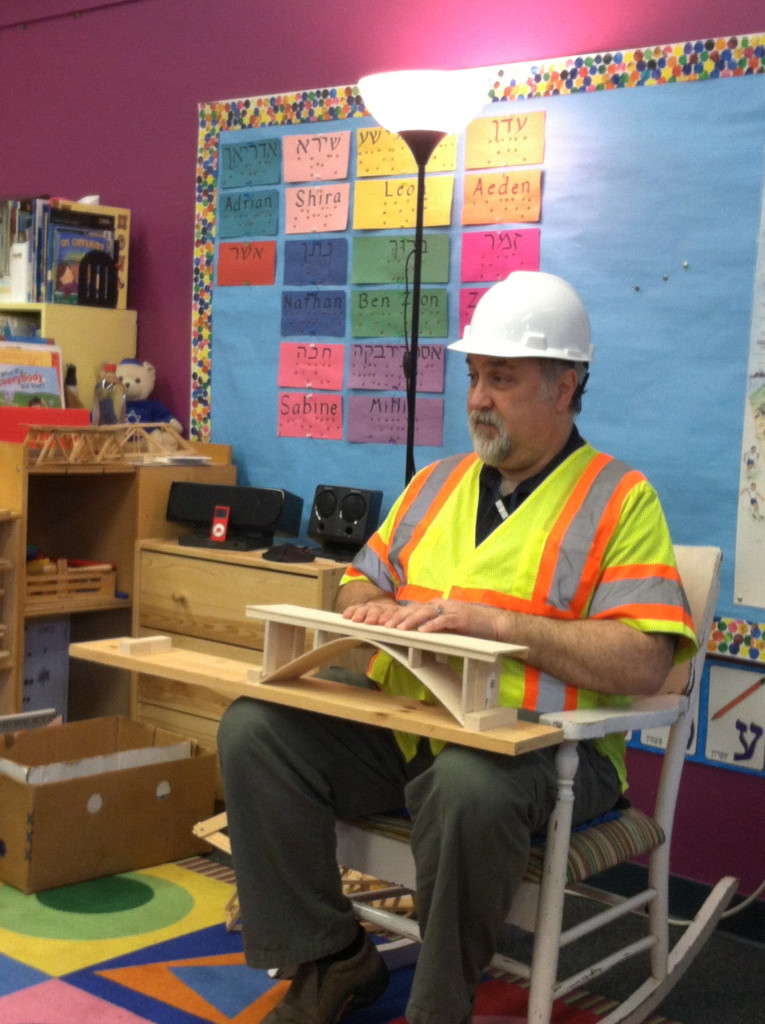
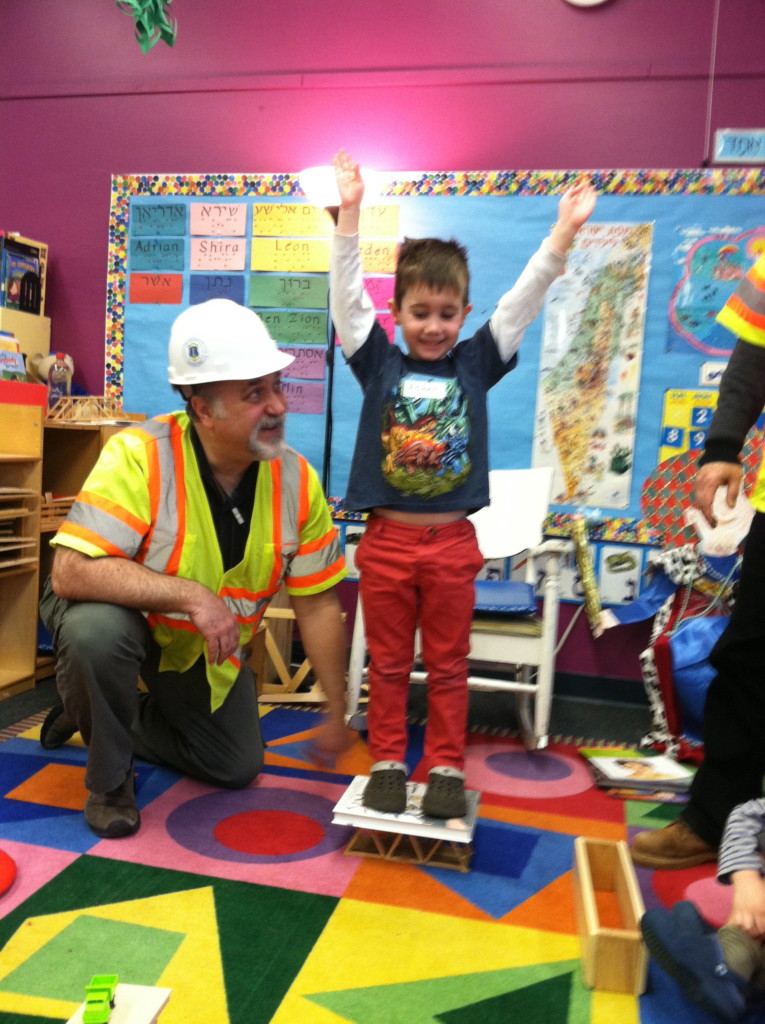
Our kehillah warmly welcomed two special visitors from the bridge design section of the Rhode Island Department of Transportation (RI-DOT) to our classroom. Mr. Noorparvar (Laurie’s husband!) and Mr. Mike Savella work in the Bridge Design section of the RI-DOT; they are principle project engineers who oversee several DOT projects and both are involved in designing new bridges and rehabilitating existing bridges. Our kehillah understands that caring for our state’s infrastructure is essential (including maintaining the 700+ bridges in Rhode Isand). “Bridges are important so that people can’t fall into the ocean or any kind of water!” explained Shira. “Or fall on other roads – they help us cross roads,” said Aeden.
IMG_7811

“Before we begin,” said Mr. Noorparvar, “we need to talk about safety.” He explained that DOT employees use special objects to keep them safe when they are working on construction sites. First, Mr. Noorparvar pointed to the vest he was wearing; “It has bright colors so people can see and it glows in the dark!” exclaimed Nathan. Then Mr. Noorparvar showed us his hard-hat (“that’s so your head doesn’t get hurt!” explained Leo. “If something falls on your head, the helmet protects you!” said Zemer. “They are like a bike helmet!” exclaimed Aeden.) Mr. Noorparvar showed us a special DOT flashlight and his construction boots with steel in them (“they make a loud sound when you hit them!” giggled Asher).

IMG_7812

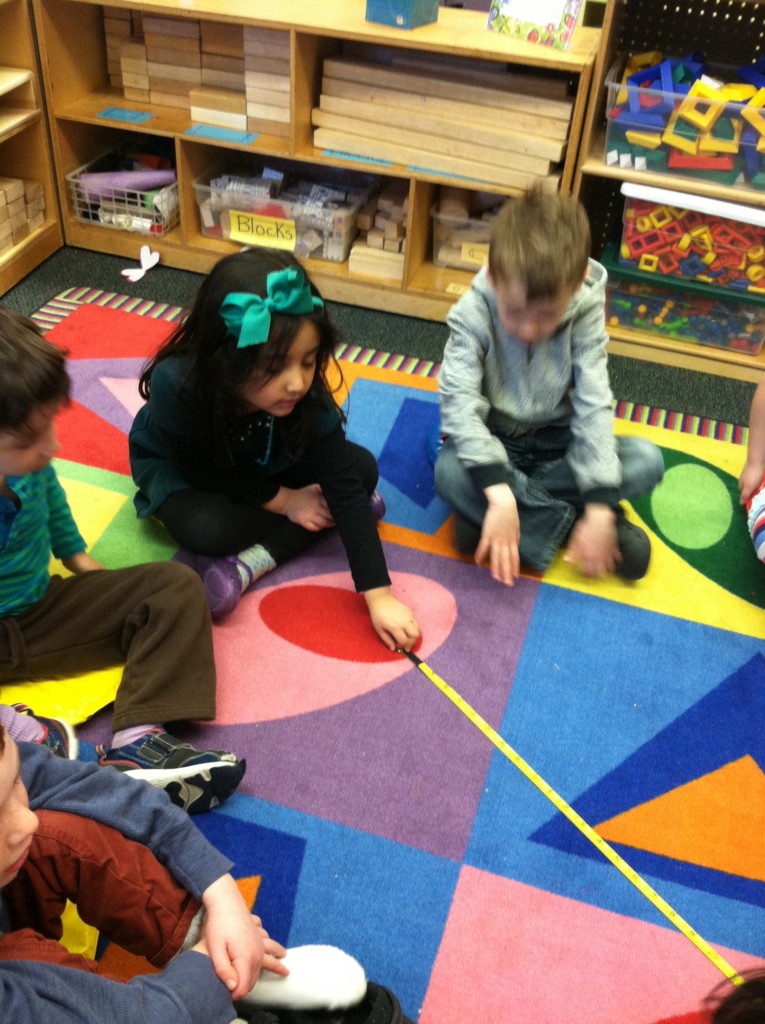
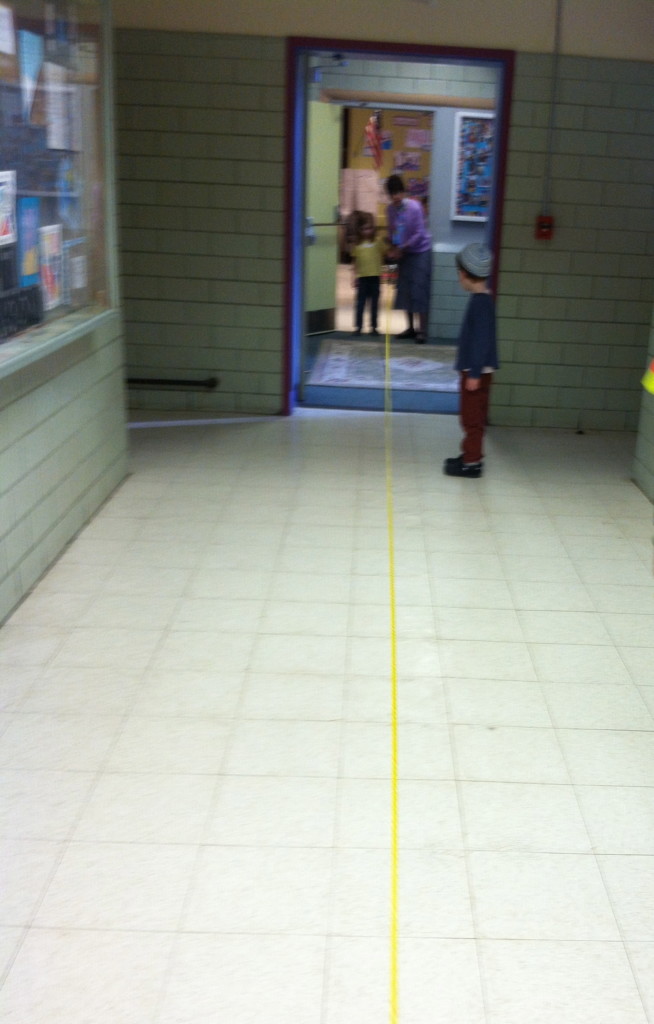
Mr. Mike and Mr. Noorparvar also showed us a tape measure that they said was 125 feet long. “That’s so very long! As long as our whole school,” said Sabine. Later on during their visit, we unfurled the tape measure and discovered that it reached from one end of our hallway to the other!

IMG_7848

Mr. Mike and Mr. Noorparvar brought in models of different kinds of bridges, including arch bridges . . .

IMG_7819

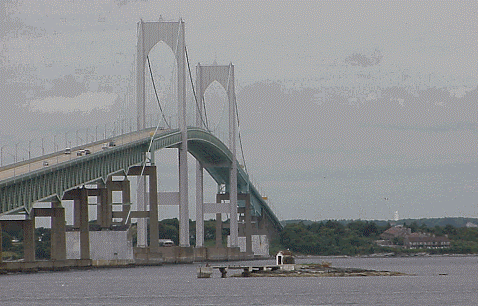
. . . covered bridges, post-tension brides, draw-bridges (“I saw a very rusty bridge like that and it was stuck up in the air,” exclaimed Adrian), truss bridges, and suspension bridges (RI has two of them – the Newport Bridge and the Mt. Hope Bridge! “I went on one before and it’s my favorite kind of bridge,” said Zemer. “I’ve been on the red Golden Gate Bridge a thousand times! That’s a suspension bridge,” explained Aeden.)

IMG_7825

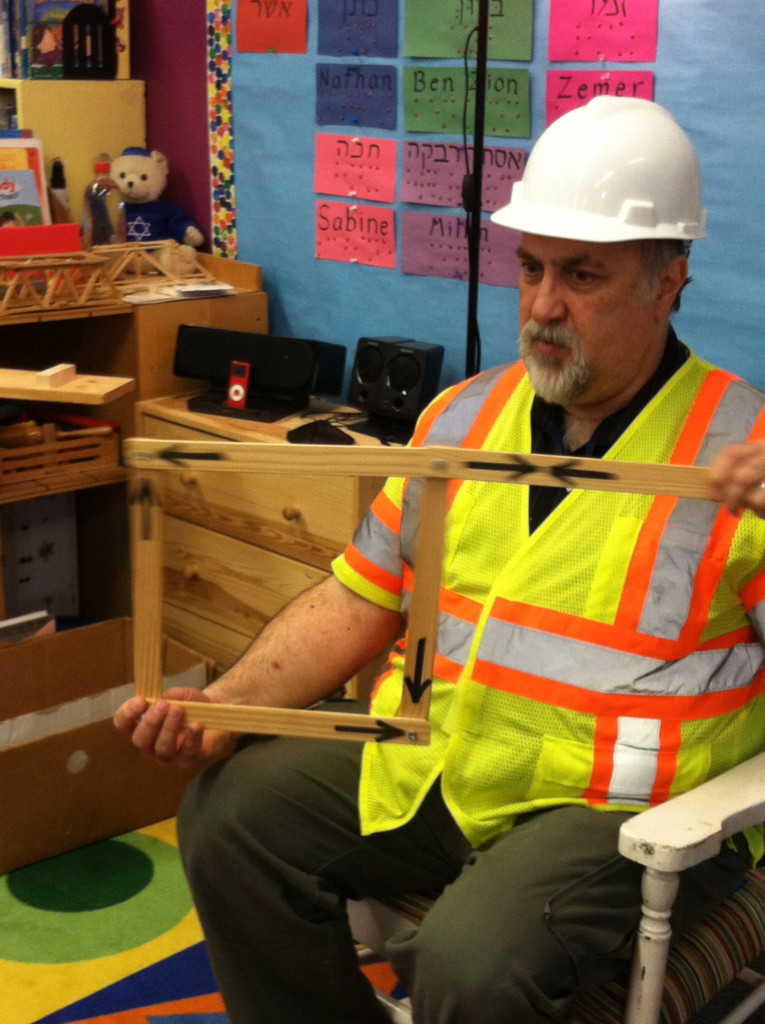
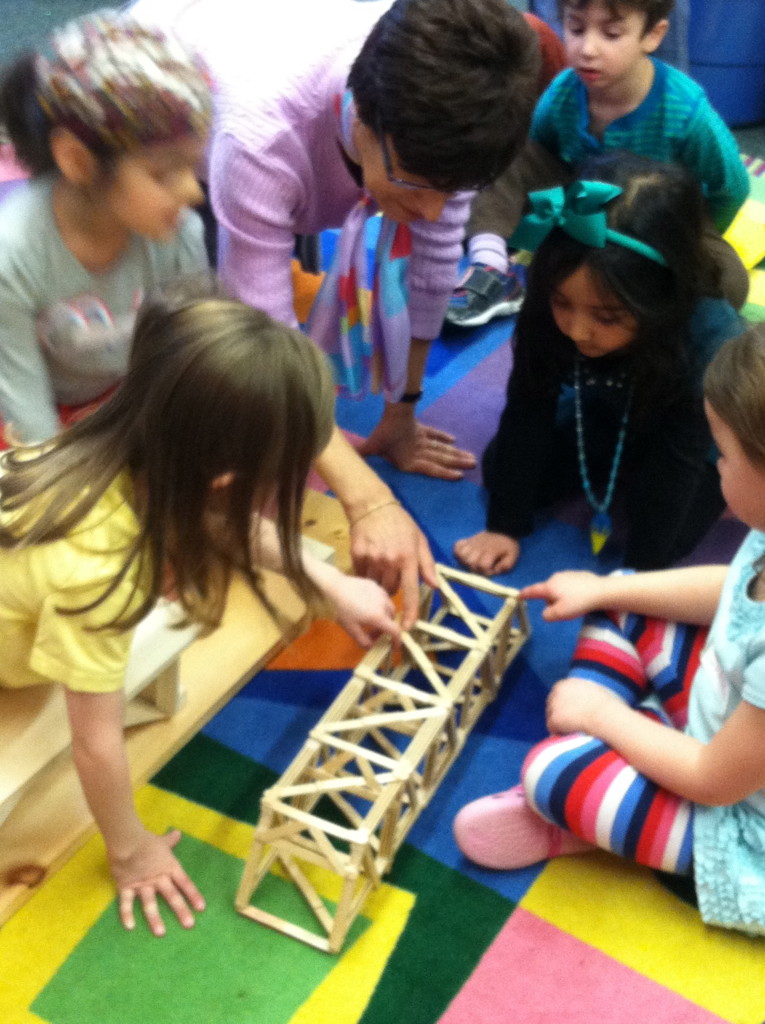
While investigating the bridges, our two special guests taught us about bridge design. We were excited to learn that arches and columns are used to build bridges . . . just like our Shushan Palace! Mr. Mike and Mr. Noorparvar also taught us that a square shape is not very strong. If, though, we brace squares through the middle, we create two connected triangles – and then we have the strongest shape for building bridges!

IMG_7815

“Triangles are so lucky ‘cause they are so strong,” Shira said decidedly.

IMG_7823

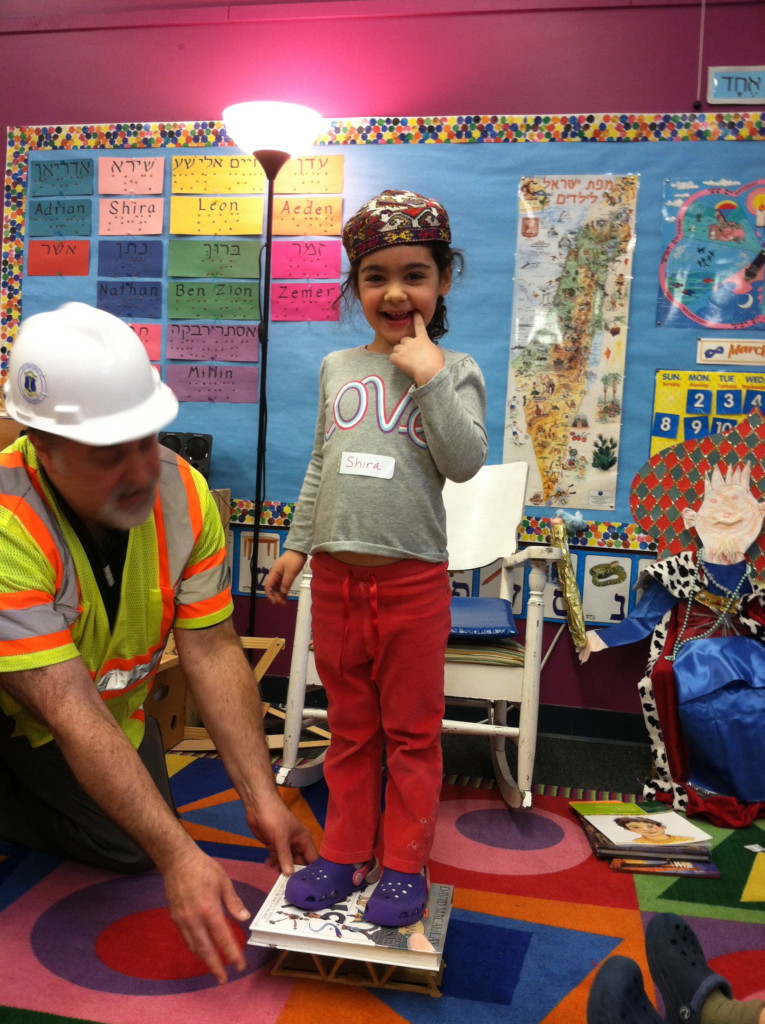
Showing us a bridge they had created from popsicle sticks, we were told that the triangles created a sturdy structure – strong enough that it could hold us up! Most of us thought the bridge looked too small and delicate to support us (“We might break them if we step on them,” said Millie). We were able to see what would happen, though, if we stood on them . . .

IMG_7834 IMG_7827 IMG_7841

“Hey, they do hold us up!” exclaimed Millie.

 *  *  *  *  *  *  *

Our Pre-K designers and engineers are now enthusiastically creating bridges in our block area. We invite you to visit our classroom so we can share with you some of our creations!