fbpx

NEW READING RESOURCE for PARENTS: Brightly (from the library. K. White)

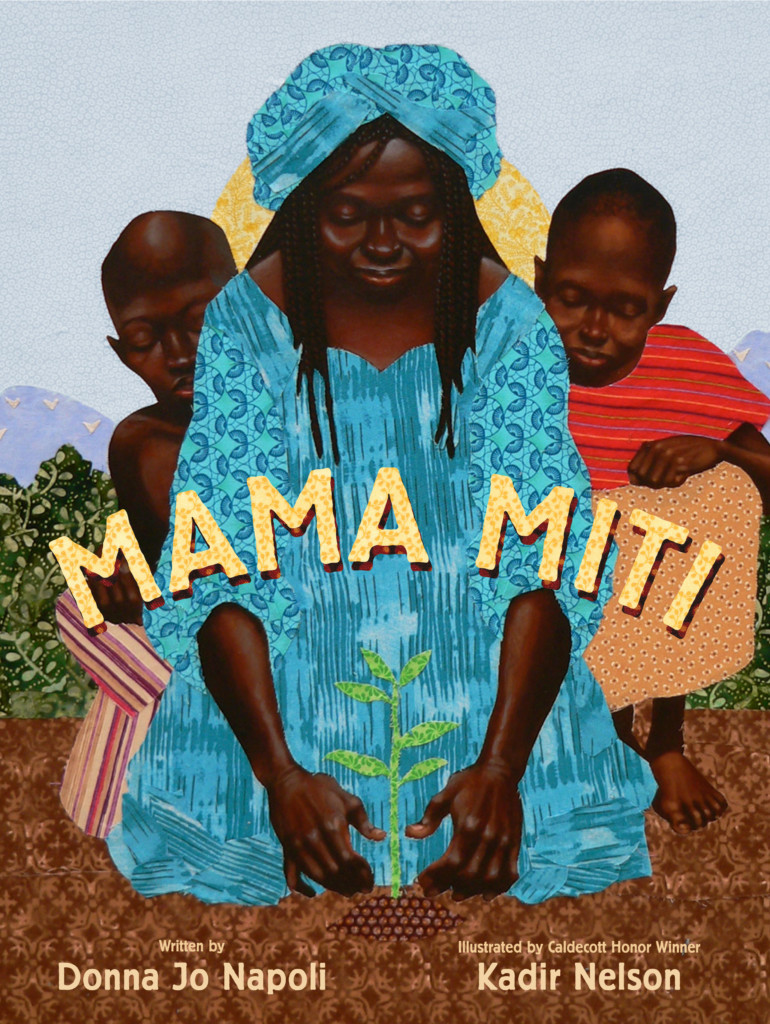
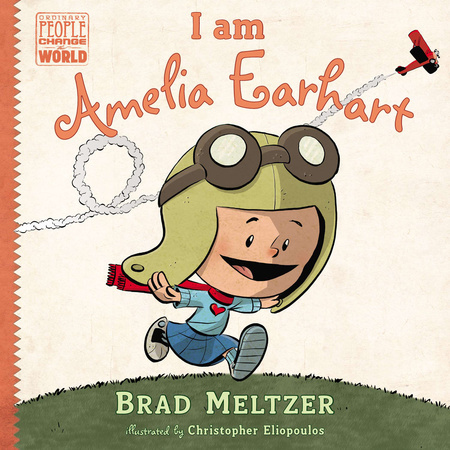
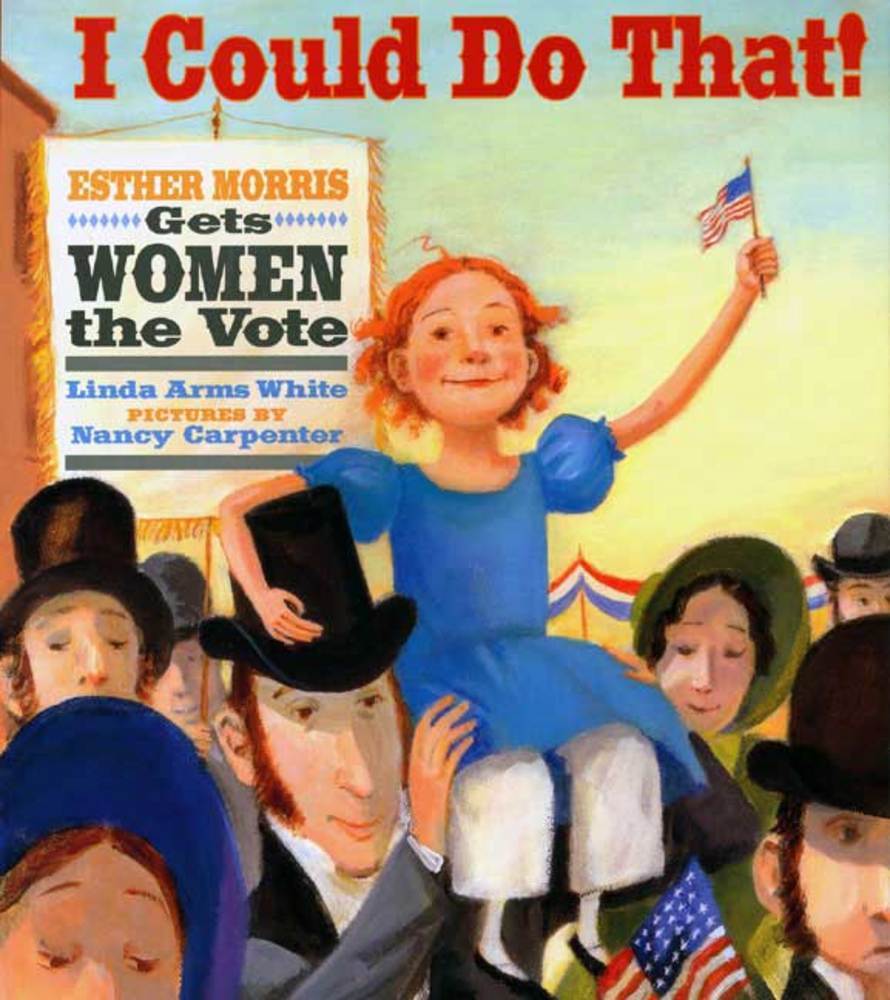
5 Inspiring Picture Books About Women Who Changed History-Women’s History Month Brightly http://www.readbrightly.com

woman5 woman1 woman2 woman3 woman4


Brightly is a new online resource that encourages parents to raise lifelong readers. Brightly aims to provide moms and dads with inspiration and guidance around creating a reading life for their families. “Brightly is like your fun, friendly, and well-informed kid-lit pal. Our focus is on celebrating and embracing different kinds of readers, kids, and interests. Brightly gives parents insights into which books and authors their children might get excited about and what activities might enhance families experience of reading,” said Liz Kotin, editorial head.

What are we up to in Grade Two?

What a great couple of weeks we have had since being back from February vacation.

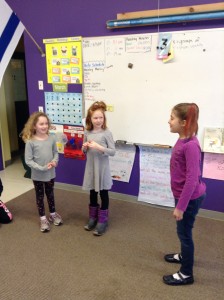
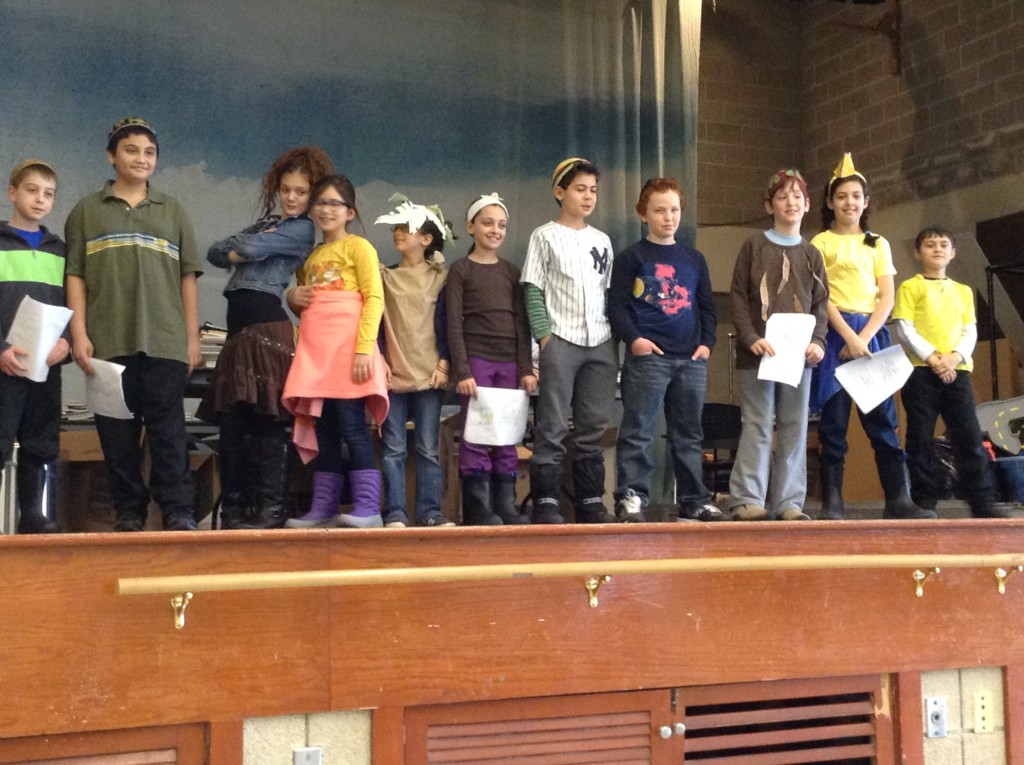
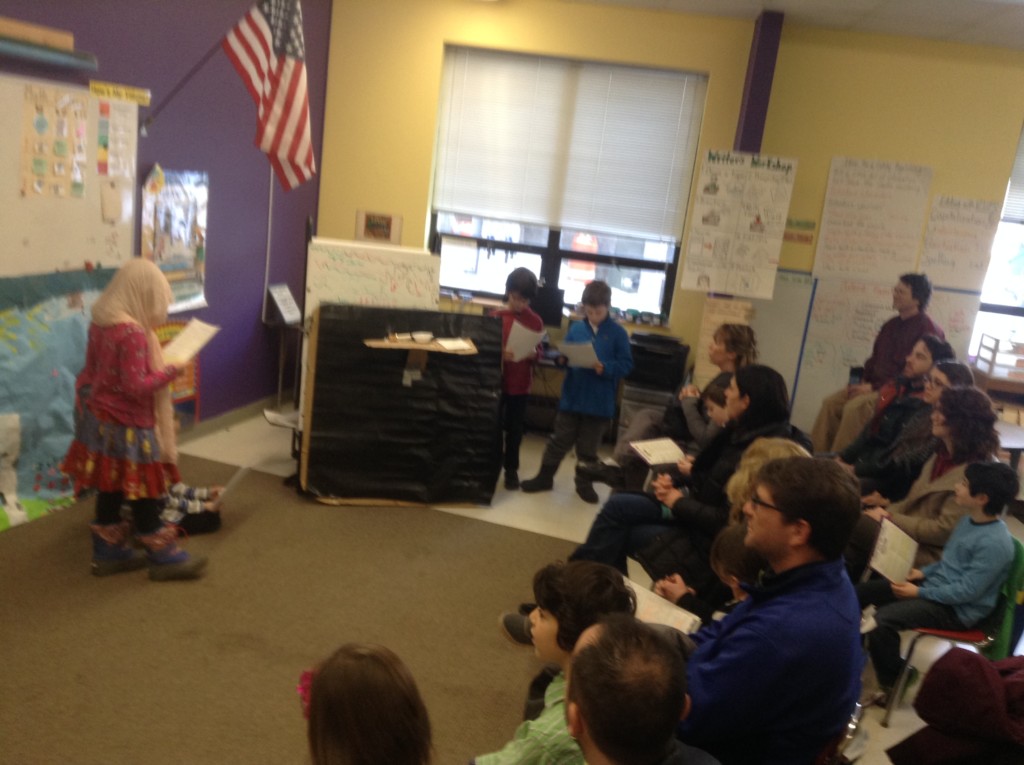
First and foremost, it was Purim!!!  We were crazy all week, and we even did some silly skits during morning meeting.2015-03-03 08.27.30

In math, we are working on measuring lots of different things.  We are learning about both the metric system and the U.S. customary system, so that we can be educated citizens of the world.

We learned how to measure length and height using meters, centimeters, feet, and inches.

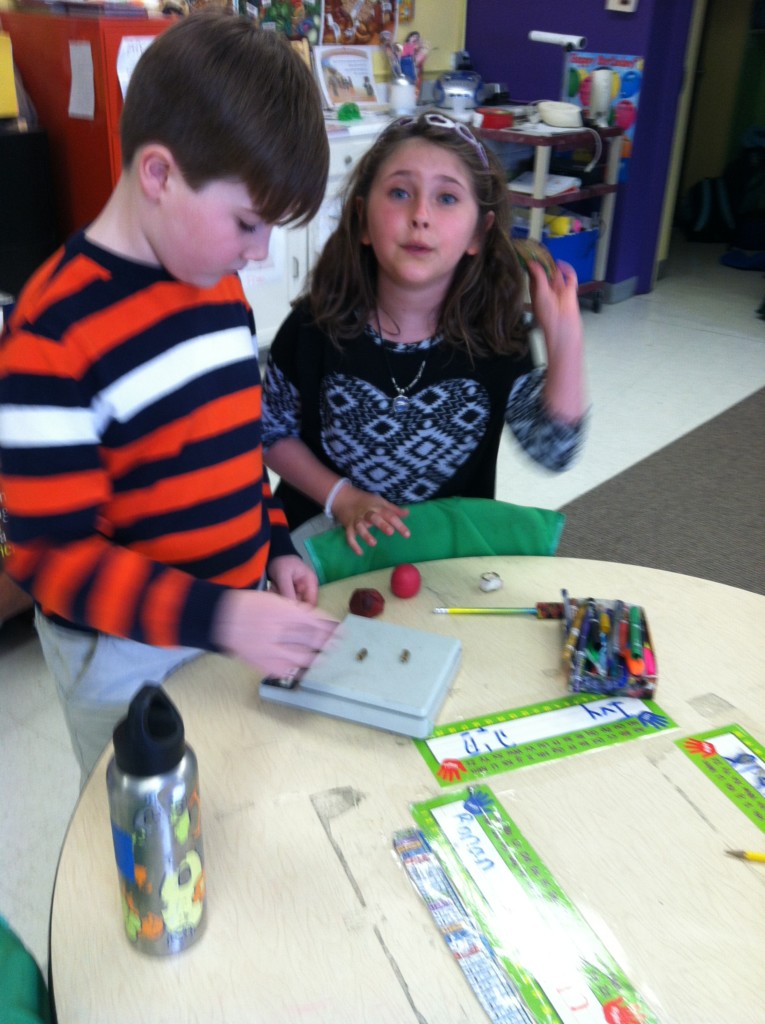
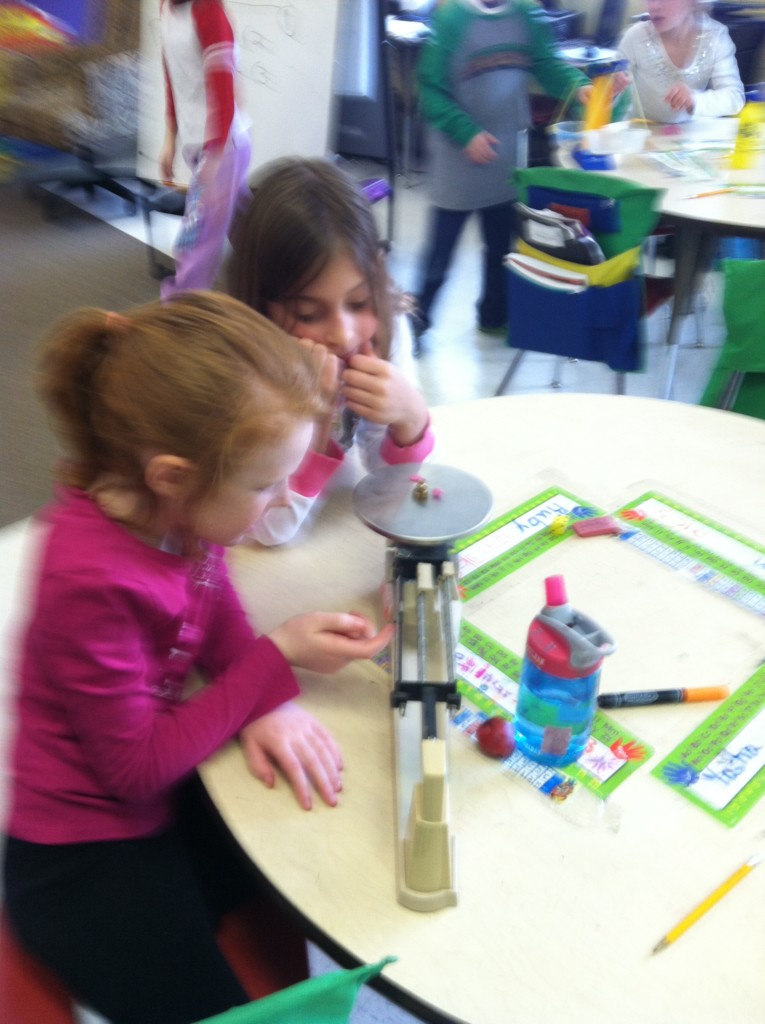
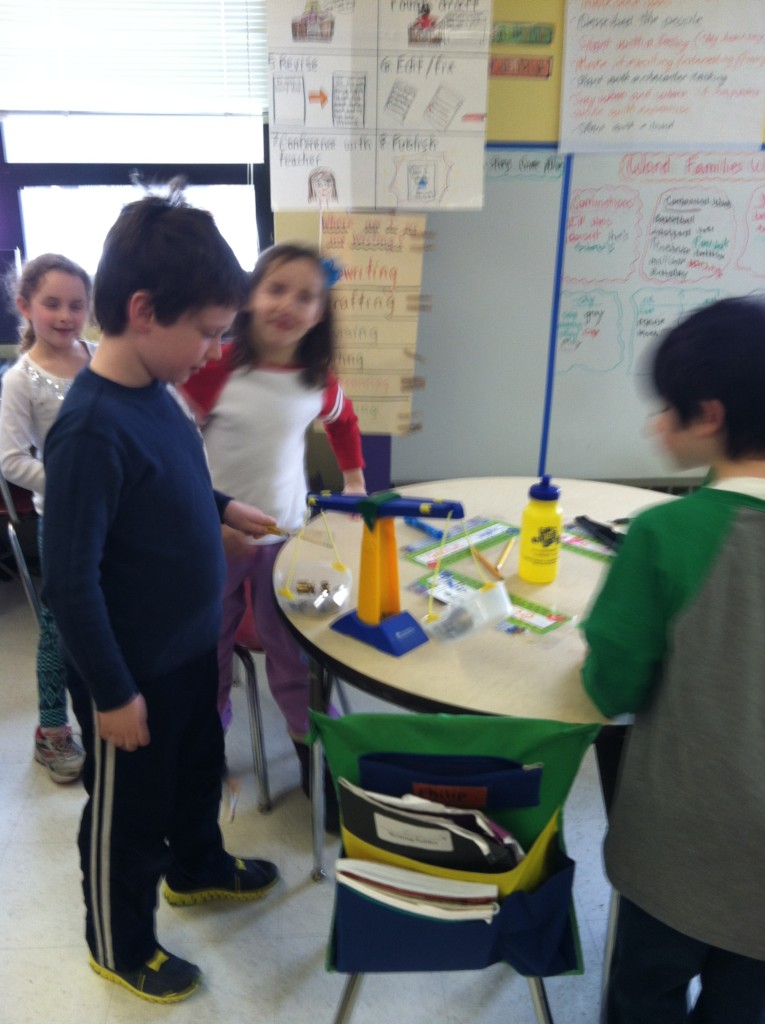
Next, we learned how to measure mass in grams and kilograms using various types of scales.

2015-02-26 13.10.58 2015-02-26 13.11.02 2015-02-26 13.12.07

This week, we’ll be learning how to measure volume using liters and milliliters.  Stay tuned, as you hear about your child’s original drink creation.

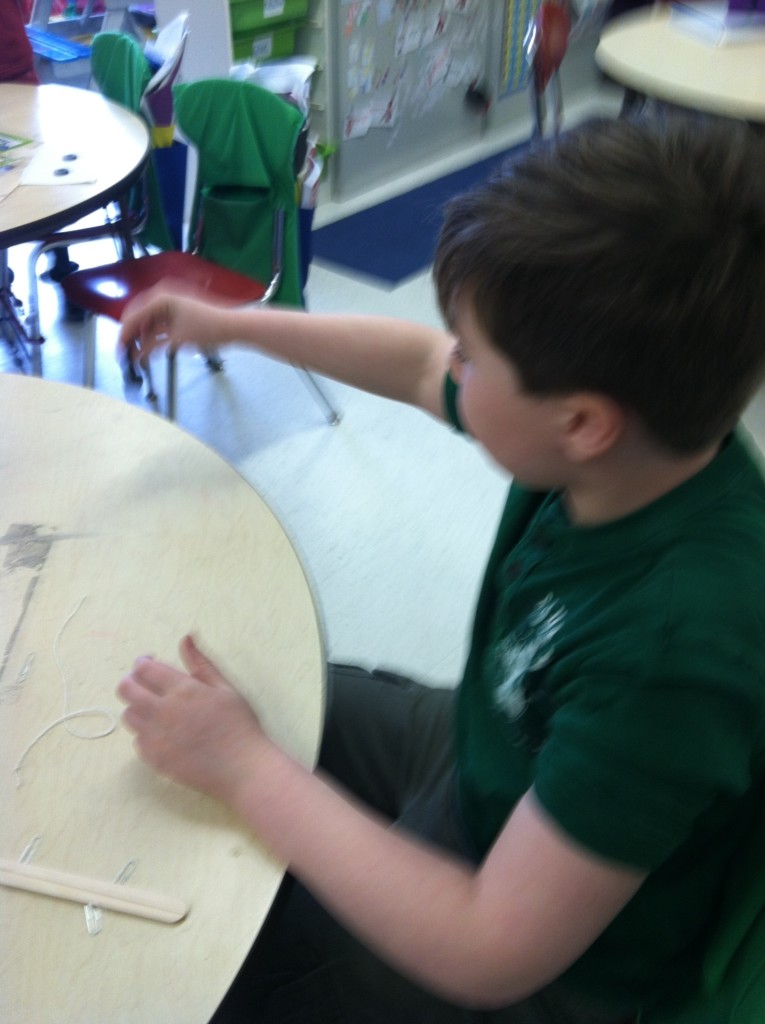
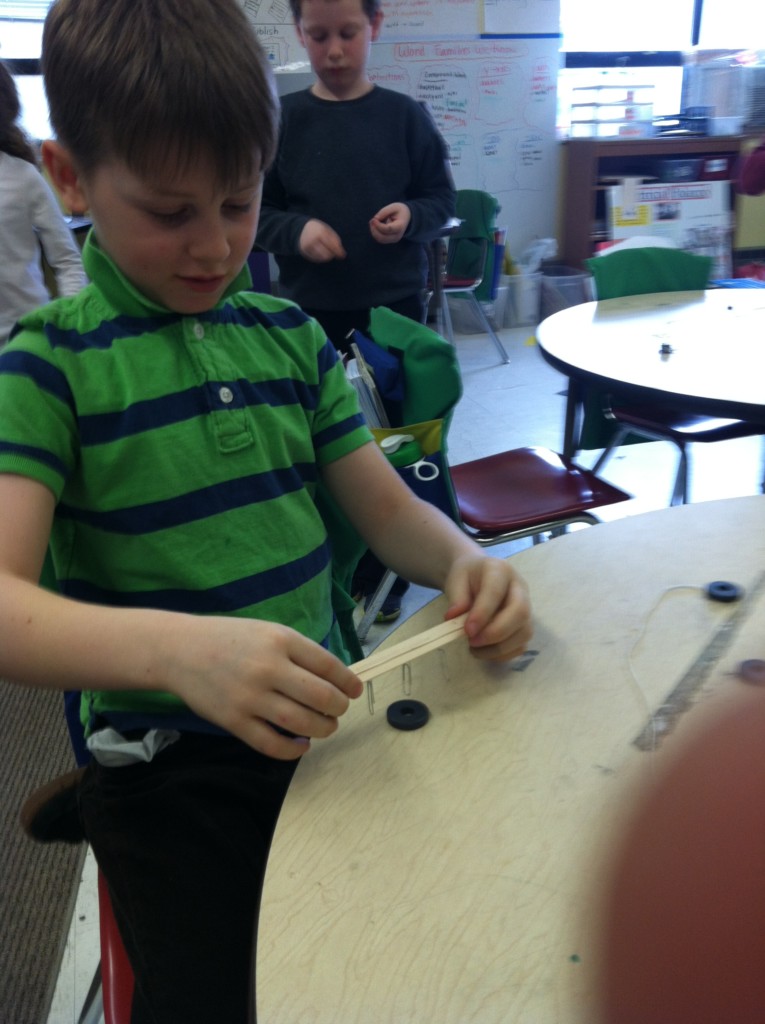
In science we continue to study different kinds of motion.  Recently we explored magnetic motion, and learned that magnets have two different sides to them.  We also observed that the stronger the magnet, the greater weight the magnet can hold, or the larger it’s magnetic field.

2015-03-04 12.59.09 2015-03-04 12.59.13 2015-03-04 12.59.16

We are also learning a bit about the motion of sound.  We learned that sound is merely a vibrating motion hitting our ears. This week we will continue to explore pitch and different sized sound waves.

We continue our study of persuasive writing through the writing of book reviews.  Our finished products will be posted in public, so other students might be inspired to read the books we reviewed.  Additionally, we will enter them on scholastic.com so kids around the world can read our reviews.

We look forward to an entire, uninterrupted (mother nature willing) month of learning!

Then and Now and the 100th Day!

We’ve been enjoying some very busy weeks in Kindergarten!

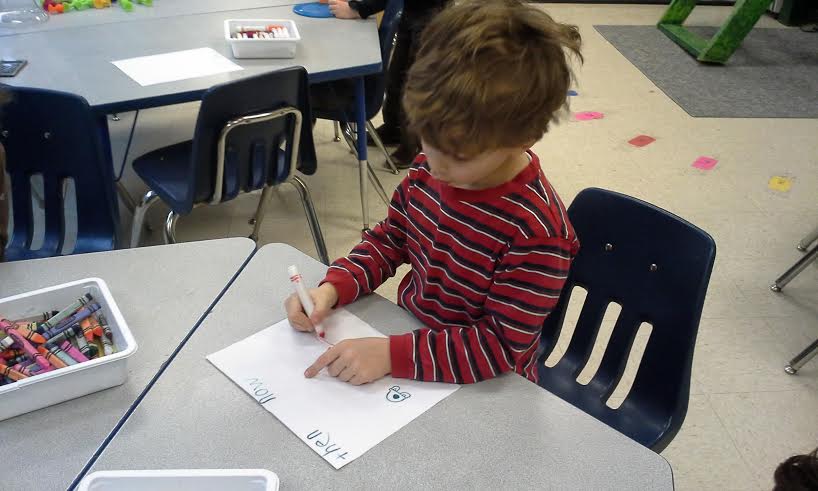
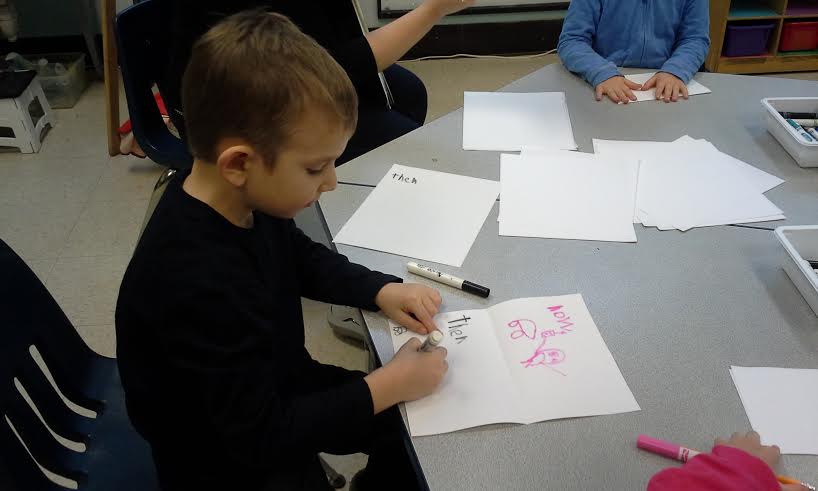
We read Then and Now and learned how things we use today are different from things we used long ago.

Then

  • Children played with toy cars molded out of metal

Now

  • While metal toy cars still exist, now we can also play with remote control cars.

Then

  • Children built with wooden log sets (We can still build with wooden log sets and we even have one in our classroom!)

Now

  • We can build with construction kits that have wheels, gears, and motors to make machines move on their own.

Then

  • Children played games such as hopscotch.

Now

  • Although hopscotch is also still played, now we have playground equipment with different activity areas such as climbing walls and zip lines.

Then

  • Schools were very different. Children of all ages used to sit next to one another on benches and listen to the teacher.

Now

  • Children work at centers, tables, and desks, and learn from one another as well.

Then

  • People used handwritten letters to correspond with people living far away.

Now

  • We can send emails and correspond via webcams. (We also learned how webcams have changed).

Then

  • Children went to school by horse and buggy.

Now

  • We can get to school by walking, taking the school bus, cars, bikes, etc.

Then

  • A long time ago, telephones didn’t have buttons or dials, and operators had to connect calls by plugging in different wires.

Now

  • People can use cell phones/smart phones to make calls from anywhere.

Then

  • People did laundry by scrubbing wet clothes on washboards in large tubs and hanging them to dry.

Now

  • We have washers and dryers

Then

  • Phonographs were a popular way to play music

Now

  • Now we can download music.

Then

  • People listened to adventure stories, funny skits, and mysteries on the radio.

Now

  • People watch movies and shows on televisions.

now and then

now and then 2

now and then 3

Some of our Amazing Words:

  • gears
  • handwritten
  • headphones
  • webcam
  • phonograph
  • newspapers

New sight words:

  • they
  • you
  • of

The children practiced counting objects by twos and fives and started organizing groups of five using tally marks.

tally


counting

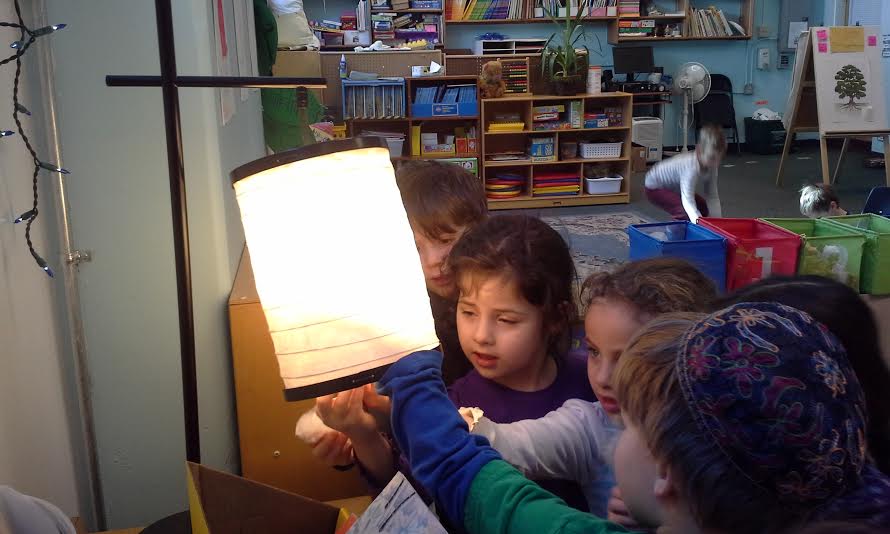
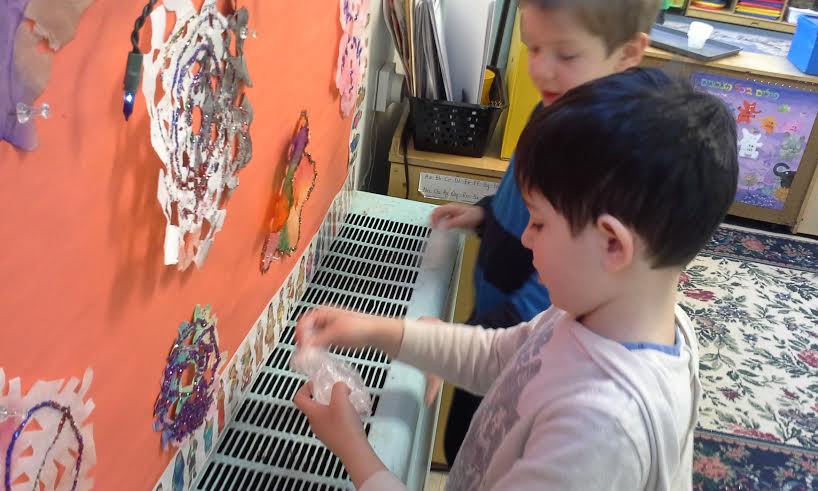
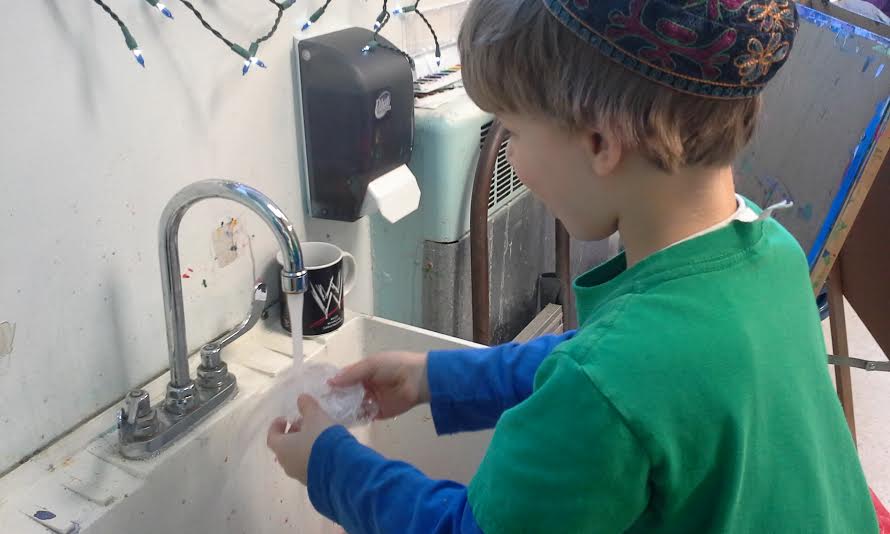
Each child was given a bag with an ice cube and had to figure out the fastest way to melt it.

Between our resting mats:

ice 5

Inside a puppet:

ice 4


Underneath a lamp:

ice 3


In the sunshine:

ice 2


Over the heater:

ice 7


Under the warm water:

ice 6


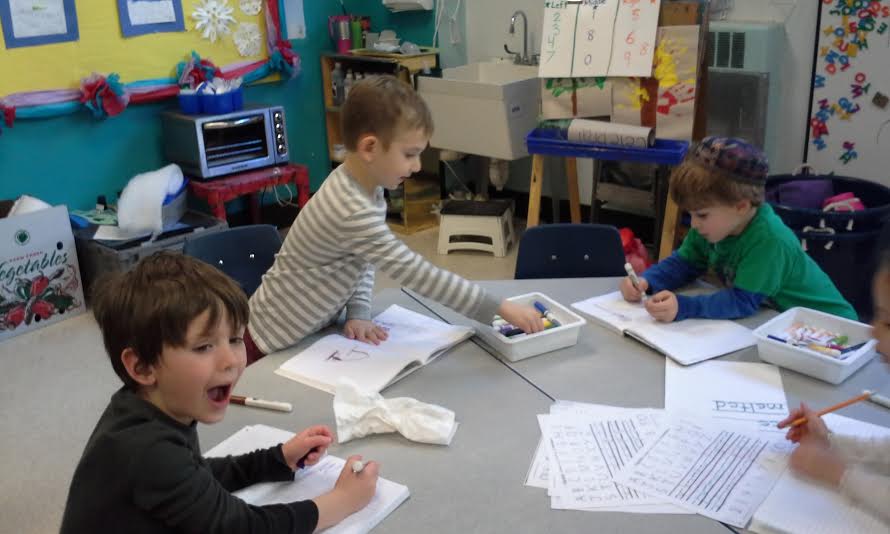
Afterwards, the children wrote and illustrated the ways in which they attempted to melt their ice cube.

science journal 2

We celebrated our 100th day of school! We took our 10 bundles of ten, put them together with an elastic band, and moved them to the hundreds column:

100th 2

100th

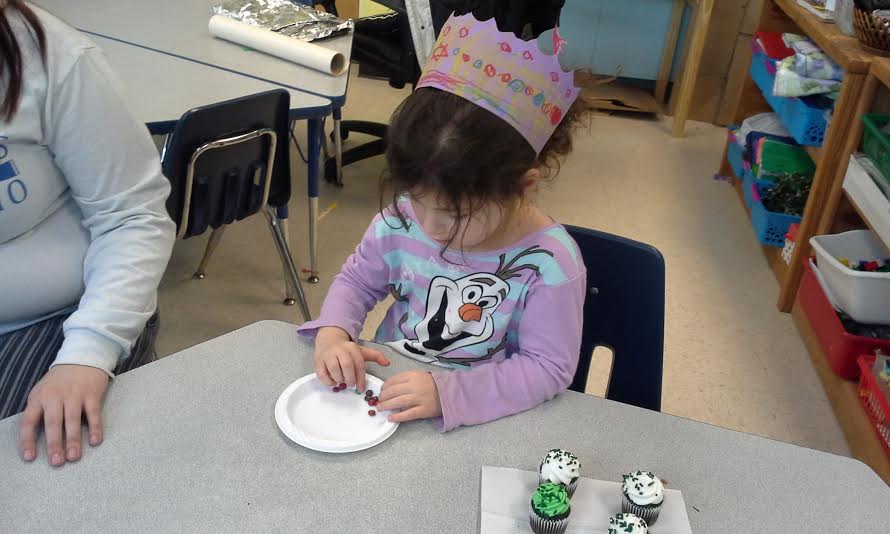
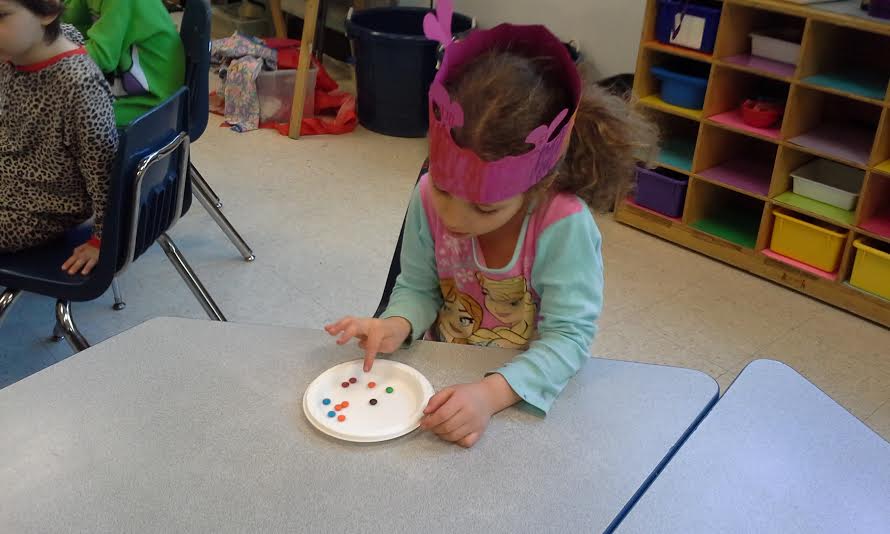
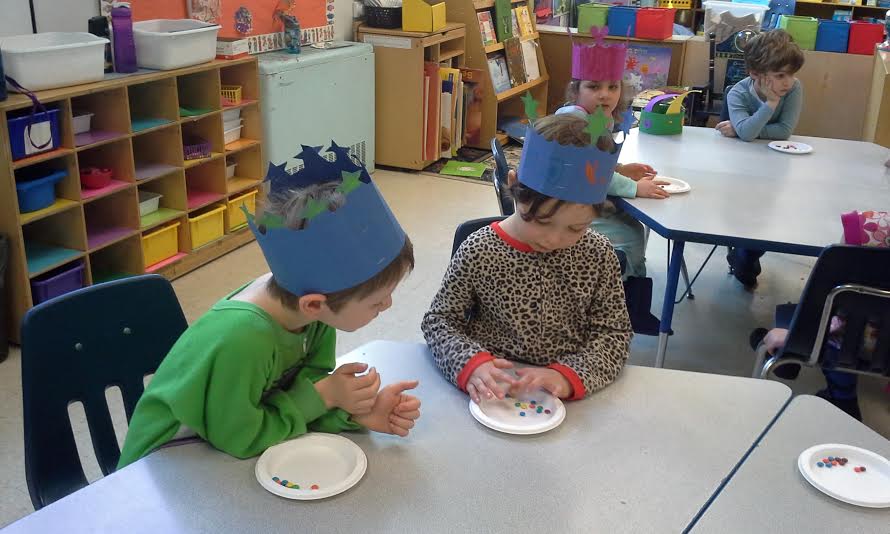
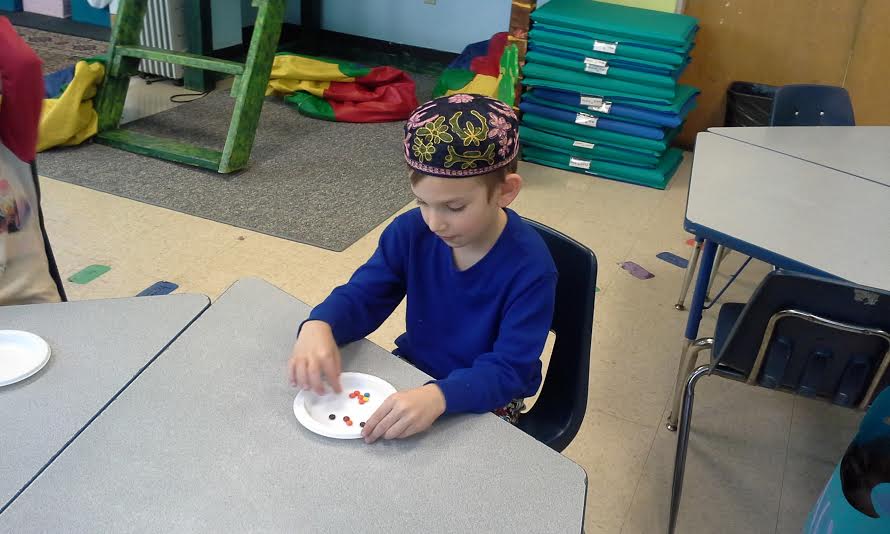
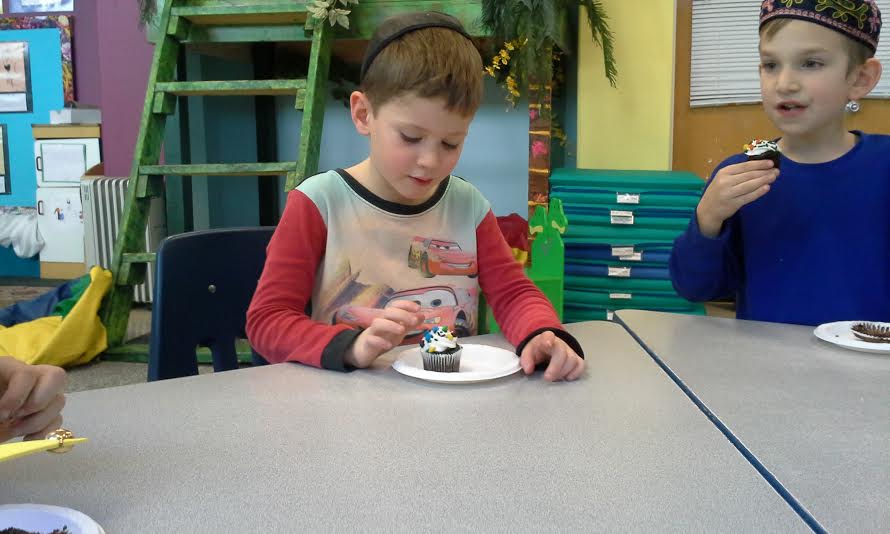
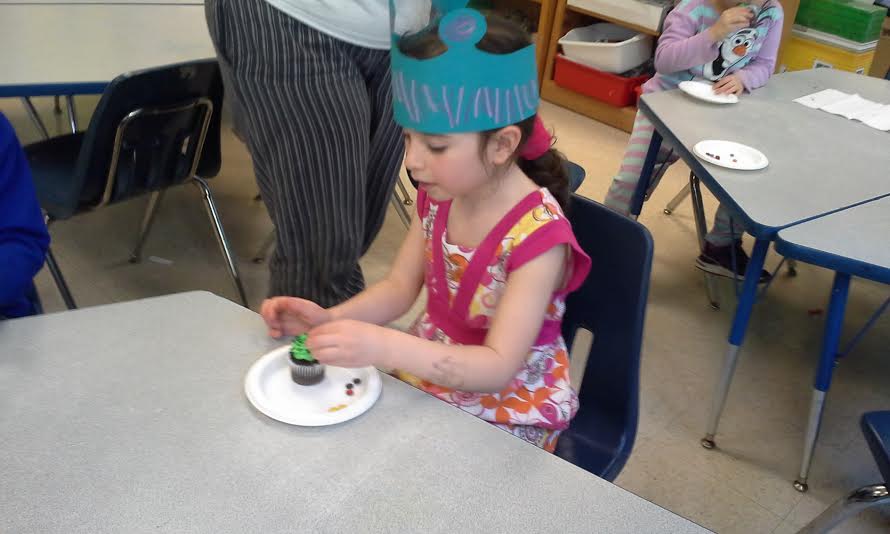
Each child selected three “prizes” to represent the three digits in the number one hundred. We counted out one hundred M&Ms and enjoyed cupcakes!

cupcake 3

counting 100th 1

counting 100th

counting 100th 3

cupcakes

cupcakes 1


2014 National Jewish Children’s Book Award Winners and Finalists Announced

This site is a jem! http://www.jewishbookcouncil.org/books/ Along with great new Jewish books for kids, adult award winners in many categories are listed. Books for all! Awesome new books to add to our Jewish collections! NOTE: Book list of Jewish books for children http://www.jewishbookcouncil.org/Default.aspx?CCID=14253&FID=86704&ExcludeBoolFalse=True&ID=/books-search.html

Illustrated Children’s Books-Louis Posner Memorial Award

Winner:
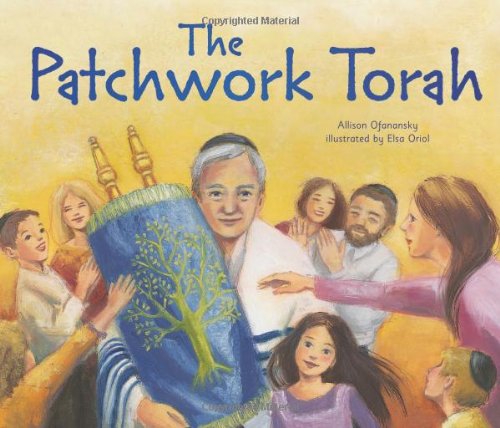
The Patchwork Torah. Allison Ofanansky; Elsa Oriol, illus. Kar-Ben Publishing.

high hol book 2

Finalists:

Never Say a Mean Word Again. Jacqueline Jules; Durga Yael Bernhard, illus. Wisdom Tales.

jewish book1

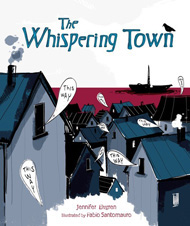
The Whispering Town. Jennifer Elvgren;Fabio Santomauro, illus. Kar-Ben Publishin. NOTE: This book relates to Number the Stars by Lowry read in grade 4. The dramatic story of neighbors in a small Danish fishing village who, during the Holocaust, shelter a Jewish family waiting to be ferried to safety in Sweden.

gjewish book 2


Children’s and Young Adult Literature

Winner:
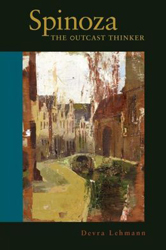
Spinoza: The Outcast Thinker. Devra Lehmann. Namelos.

jewish book 4

Finalists:
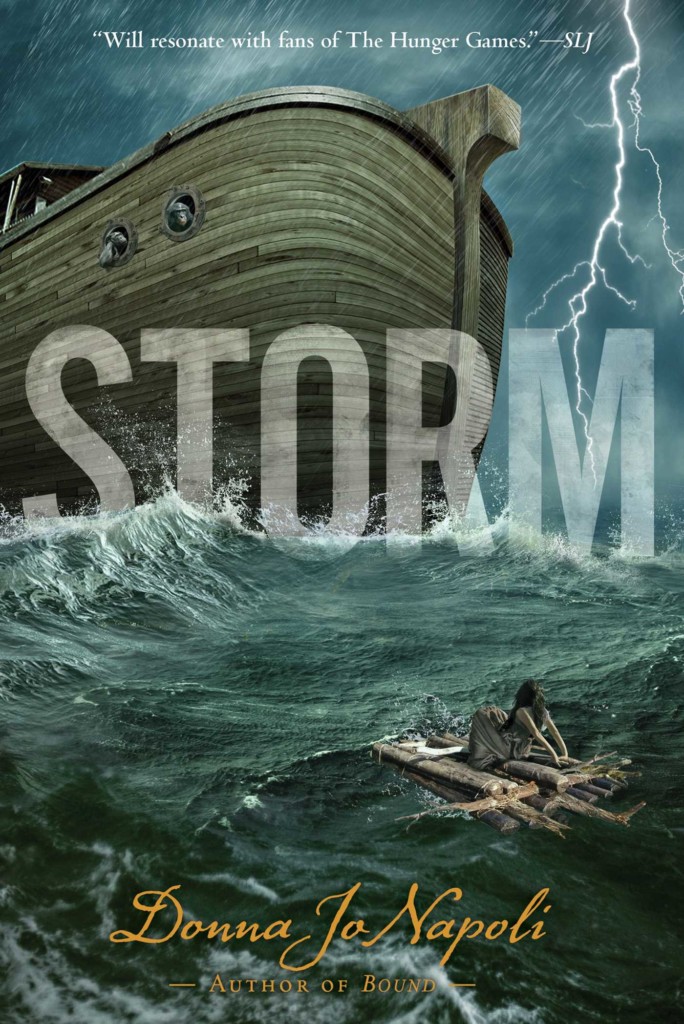
Storm. Donna Jo Napoli. Simon and Schuster. A sixteen-year-old stowaway discovers her destiny on Noah’s ark in this riveting reimagining from award-winning author and “master storyteller” (SLJ) Donna Jo Napoli.

Jewish book 8

Tucson Jo. Carol Matas. Fictive Press. With a mind of her own, Jo is in constant conflict with her father….when trouble erupts during the election campaign and her father’s opponent attacks him for being an Israelite, Jo has to reconsider what it means to be a Jew. Inspired by Tucson’s first Jewish mayor.

Jewish book 5

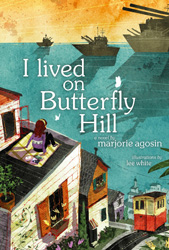
I lived on Butterfly Hill. Marjorie Agosin. Atheneum Books for Young Readers. Celeste Marconi is a dreamer who  lives peacefully among friends and neighbors and family in the idyllic town of Valparaiso, Chile—until one day when warships are spotted in the harbor.

jewsih book 6

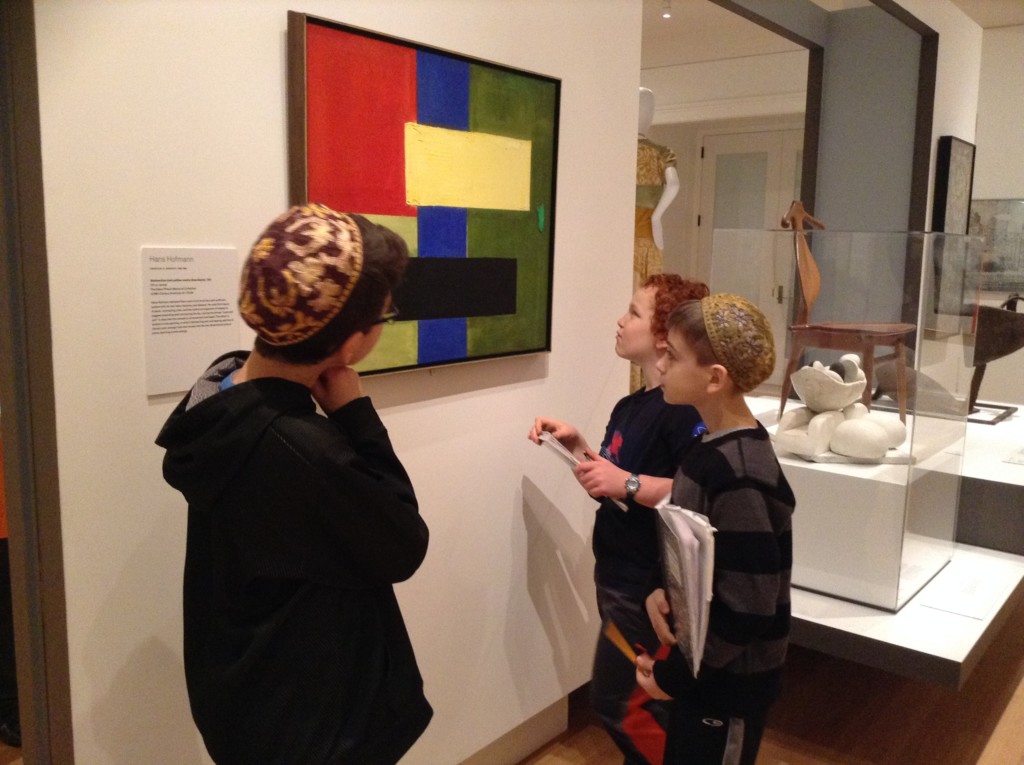
What is Art? by Jonah

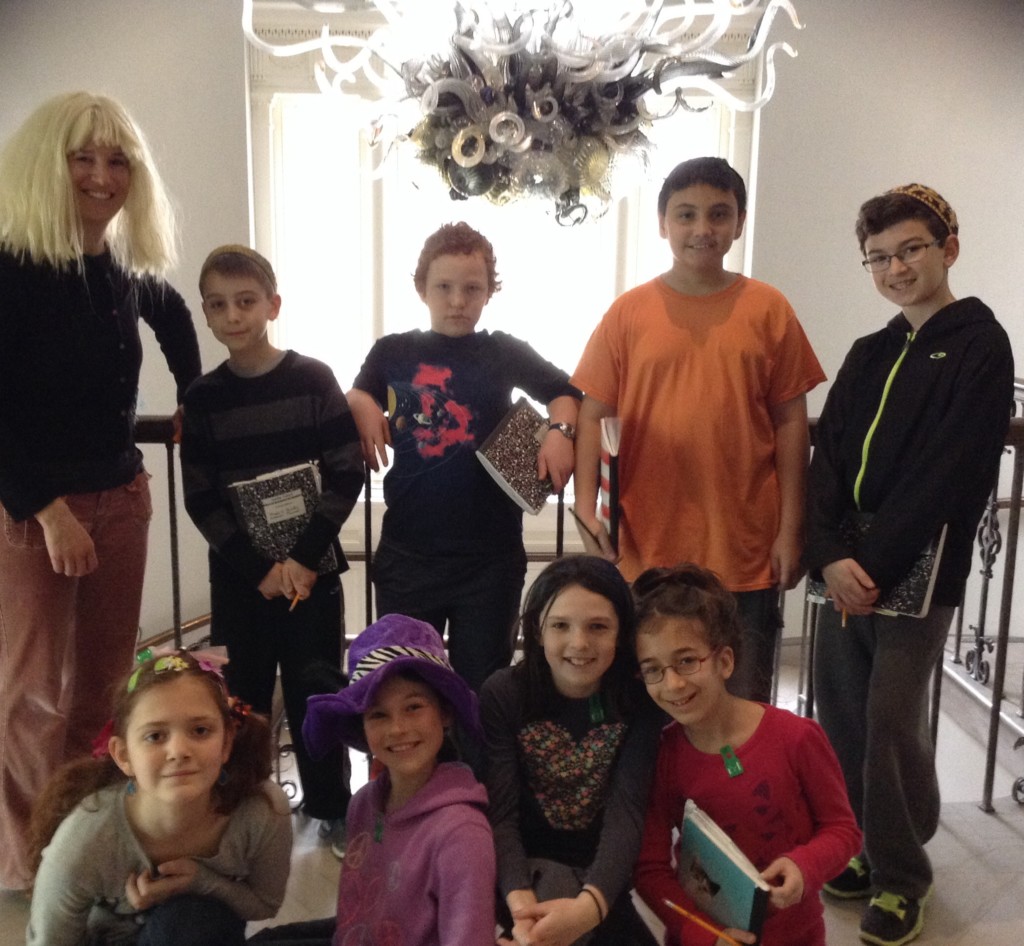
On Tuesday we went to the Rhode Island School of Design (RISD) Museum and thought about the question: What is art? We still haven’t come up with a definite answer, but so far what we’ve come up with is that it has something to do with difference and with design. We also thought that art could be anything, but isn’t everything.  Before our field trip and discussions I thought that everything was art, but now I am not really sure. I kind of think that everything that has anything to do with design is art.

The reason that we are discussing this is because in the book we are reading,Chasing Vermeer, the teacher (Ms.Hussey) teaches by giving crazy assignments. I think that they work in teaching the kids, but only after a long period of time. We have been doing some of the assignments: like for a day in the book they communicate without writing or talking, so we did this for a period. I thought that it was a good learning experience. Another assignment was to write an unforgettable letter, so we are also doing that.


photo (3)photo (4)

Abby’s Post about Reaching out

I learned a very important lesson this week. It is one of those lessons that teaches you something that is not math or reading.

This week I learned that peace is something that makes others, and me, stronger. I learned this as I was making a card for the Islamic School of Rhode Island. Mr. Tilove had just told us about the hateful graffiti that had been written on the Islamic school. When he told us, my friends and I looked at each other with amazed and scared eyes.  As we mouthed to each other, “Oh my God,”  I realized that many people are not seeing that these kids at this school are just learning, and they are not doing any thing wrong. Our school is passionate about learning, and so is theirs.

They are strong. We gave them our wishes of  peace to boost their energy.  We are standing with them. We are their friends. Best wishes to the Islamic school of Rhode Island. Stay strong.

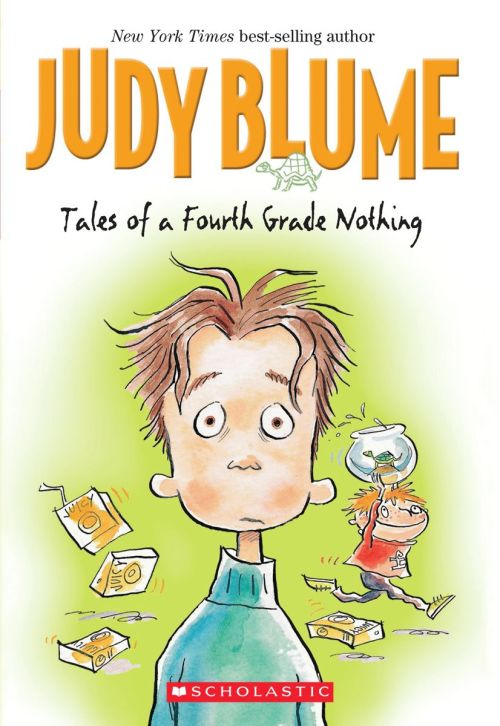
Happy Birthday to Judy Blume an Awesome Jewish Author!

blume 1


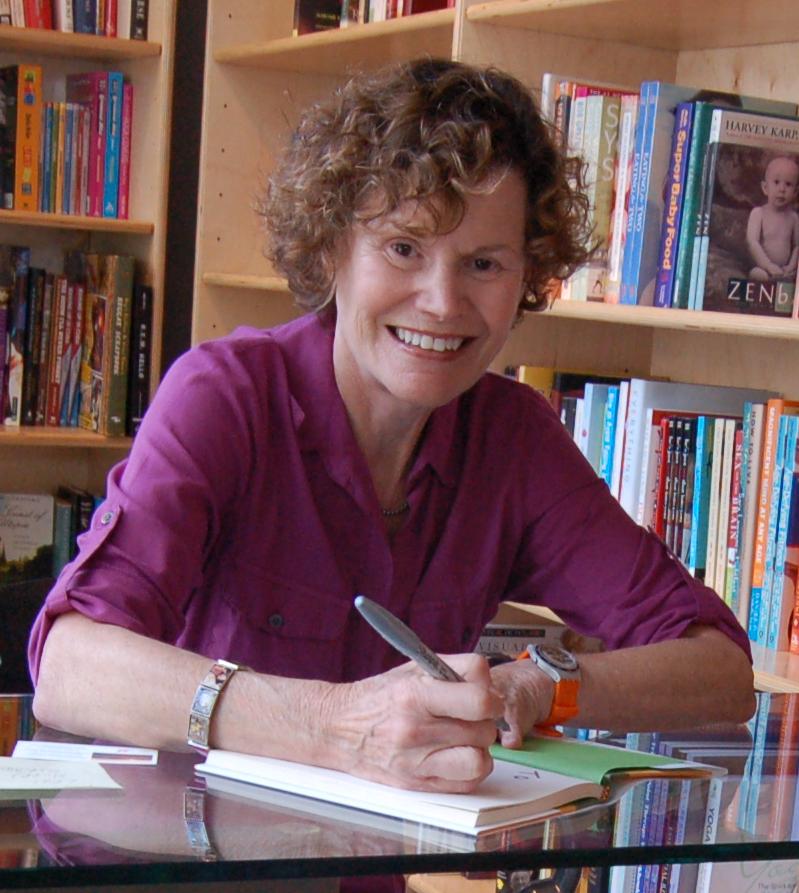
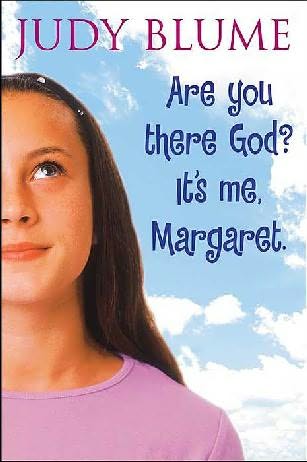
Probably many JCDSRI parents have read  books by Judy Blume, who was born February 4, 1938 in Elizabeth, New Jersey. Her books -old and new- are greatly enjoyed by kids.

“When I was growing up, I dreamed about becoming a cowgirl, a detective, a spy, a great actress, or a ballerina. Not a dentist, like my father, or a homemaker, like my mother and certainly not a writer, although I always loved to read. I didn’t know anything about writers. It never occurred to me they were regular people and that I could grow up to become one, even though I loved to make up stories inside my head. I made up stories while I bounced a ball against the side of our house. I made up stories playing with paper dolls.  But I never wrote down any of my stories. And I never told anyone about them. When I grew up, my need for storytelling didn’t go away. So when my own two children started preschool I began to write and I’ve been writing ever since!”

blume 2
Blume 5blume 3

Judy received a B.S. in education from New York University in 1961, which named her a Distinguished Alumna in 1996, the same year the American Library Association honored her with the Margaret A. Edwards Award for Lifetime Achievement. Other recognitions include the Library of Congress Living Legends Award and the 2004 National Book Foundation’s Medal for Distinguished Contribution to American Letters.

NOTE: Judy is a longtime advocate of intellectual freedom. Finding herself at the center of an organized book banning campaign in the 1980’s she began to reach out to other writers, as well as teachers and librarians, who were under fire. Since then, she has worked tirelessly with the National Coalition Against Censorship to protect the freedom to read.

Her website is excellent and kid friendly  http://www.judyblume.com/


‘Hafalafelim’ tell about their Tu B’Shvat

What did we do on Tu B’Shvat?

The students in the Falafelim group learned how to use verbs in the past tense in Hebrew. Each one of the students wrote about what they did in Tu B’Shvat using some of these verbs – love, know, eat, sing, walk, hear, forget, drink, say, read, travel (by car.)

These are the common things they wrote about: We walked to the JCC, we performed at the JCC and at school, we sang a song, we heard songs, we ate oranges and raisins, we know about Tu BeShvat, we walked in the snow and we had fun.

Hope you enjoy reading and learning about their experiences using this link –

https://docs.google.com/document/d/1V8ZdotqzkZIChn_2VFVWwoMO2gO5aPbR9aabGuaPirQ/edit?usp=sharing

Rotem

לאמא ואבא,

בטו בשבט עשיתי הרבה דברים.  קמתי, אכלתי ארוחת בוקר,והלכתי לבית ספר.  בבית ספר הלכנו ל… ועשינו את ההצגה שישה בשקיק אחד.  אני היתי התמר.  גם עשינו את ההצגה לכל הילדים בבית ספר, אבל בפעם הזה לא היתי כלום.  לא שכחתי את המילים שלי.  הילדים בכיתה ב שרו שיר.  אחרי בית ספר הלכתי לבית של תומר, ואחרי זה הלכתי להיתעמלות.  הטו בשבט שלי היה מאוד כיף.

-תמר

בטו בשבט  אנחנו הלכנו ל. אין-שם שרו סמבה בטו בשבט. ואני והפלאפלים עשינו הצגה. ואני בננה בהצגה. וגם עשיתי ב…ואני שר שיר סמבה בטו בשבט. ואני אכלתי תפוז וסימוכים ואני שתיתי מיץ תפוז.

בנימין   

בטו בשבט אני הלכתי לבית ספר נתן בישוף. אני אוהבת נתן בישוף.

אליאורה


בטו בשבט הלכתי ל… עם כיתה ד וה. ב…  עשינו הצגה לילדים ולאנשים זקנים. השם של ההצגה שישה בשקיק אחד. אנחנו גם עשינו את ההצגה באסיפה בבית ספר. אין-שם שרו סמבה לטו בשבט. לב כתב דף על מה עושים בטו בשבט ואמר את זה לפני ההצגה.אחרי שלב אמר מה עושים בטו בשבט אני יודעת מה עושים בטו בשבט.

בטו בשבט עשיתי הרבה דברים.

-סיון


בּטו בּשבט הלכנו ל… ואנחנו עשינו הצּגה.  ההצגה  על הספר שישה בּשקיק אחד.  אני מספּר בהצגה  וקראתי הרבּה מילים.  אנחנו  שמענו את אנשם שּרו  סמבּה לטו בּשבט.  אנחנו עשינו ההצגה בּבית  ספר וההצגה טוב.  יש לנו הרבּה  כיף בּטו בּשבט.

-פּסח

לאבא ואמא,


אתמול בטו בשבט,  אכלתי תפוז ב…. שמעתי את אין-שם שרו “סמבה לטו בשבט” אני גם הובלתי אסיפה בבית ספר עם יונה. הפלפלים גם עושים הצגה “ששה בשקיק אחד”   

-לב


אתמול בטו-בשבט, יש ילדה. השם של הילדה זיוה. בבוקר זיוה נסעה לבית-ספר.  כשזיוה בבית-ספר, זיוה הלכה ל … ב11:00. היא והחברים שלה בהצגה. עוד החברים של זיוה שרו את השיר סמבה לטו-בשבט. יש הרבה מאוד שלג  . זה כיף מעוד.

זיוה


בטו-בשבט כל הילדים בכיתה ד וְה צריכים ללכת ל… כל הילדים שמחים  מאוד. אתמול  רותם אמרה ” אתם עושים הצגה”. כולם הולכים  ל… ב11:00. אני אהבתי ללכת ל… כי יש הרבה מאוד שלג. כולם  אהבו הצגה שהפלפלים עושים ואני אהבתי לשמוע  את השיר אין-שם שרו .  

אליענה       


בטו בשבט הלכתי ברגל ל…. ב… שרתי שיר פעם אחד ושמעתי אותו שני פעמים. השם שלו היה סמבה. גם ב… עשיתי הצגה. השם שלו היה שישה בשקיק אחד. גם הובלתי אסיפה גדולה. וזה הוא.

יונה מ.


אתמול בטו בשבט משפחת אלון הלכו ליער ומצאו תפוחים. הם שמו את התפוחים בדבש. אחרי שהם אכלו הם הלכו לנחל ומצאו דגים. אבא לקח אבני צור ואת הסכין והדליק אש. בזמן שזה קרה אמא, ישי, נועה ומושי לקחו מקלות וחידדו אותם עם סכינים. הם הלכו למים וזרקו את המקלות על דגים ושמו אותם באש ואכלו אותם. כשהדג התבשל באש הם שרו את השיר סמבה לטו’ בשבט.


Weekly Update – Marbles and Meters and Reading, Oh My!


First off, what a fabulous reader’s theater performance we had!  Students read with expression, acted with feeling, and used props with vigor!  Thank you so much to all the parents who came to support your children.

2015-02-06 08.28.56 2015-02-06 08.18.03

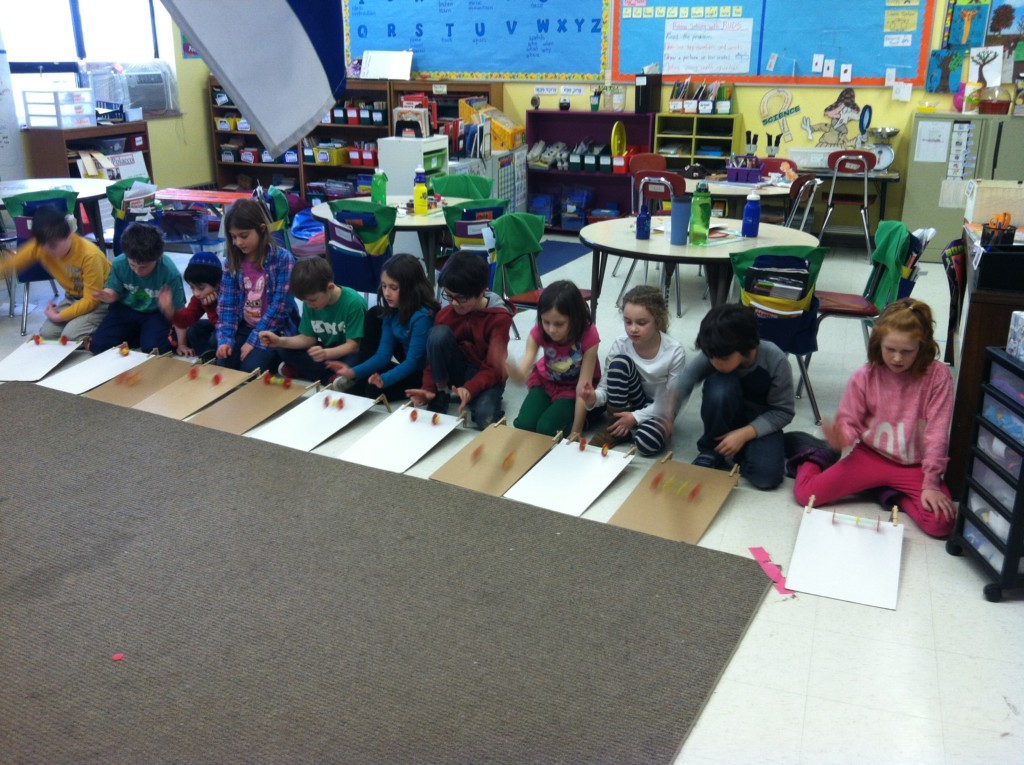
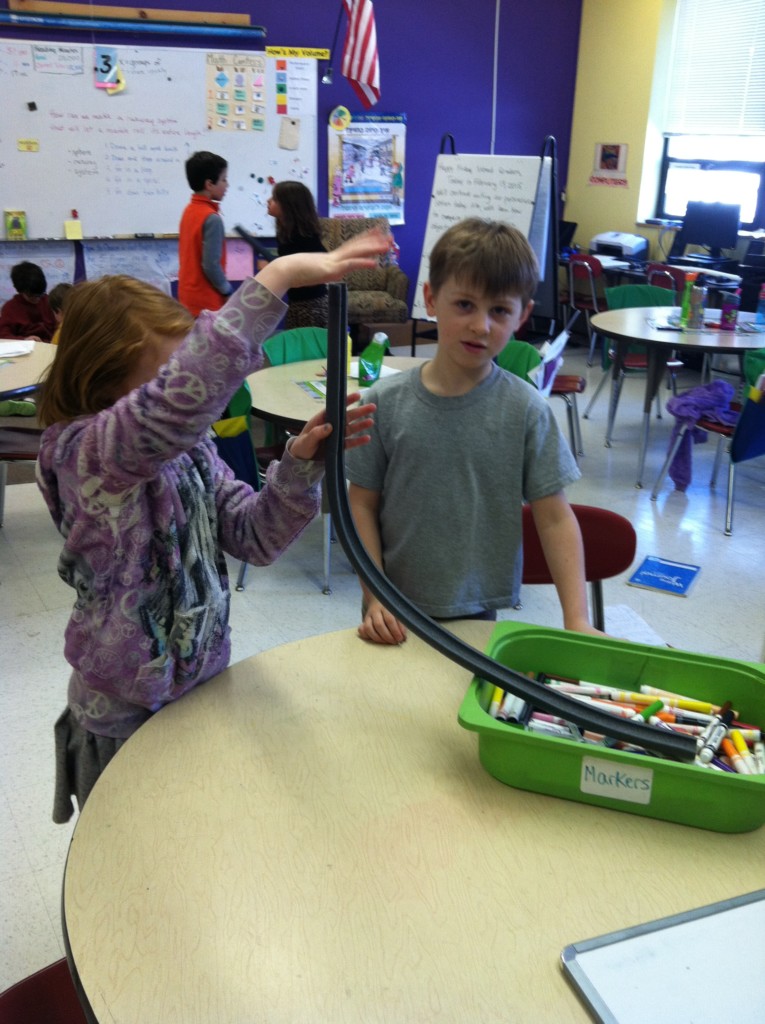
We have had a scientific couple of weeks together.  Even though we had lots of snow days, we still managed to learn all about spinning motion and rolling motion.  Below, students were experimenting with wheel and axle systems.  They thought about different things like how the pitch of the ramp effects the speed of the system, how the system remains stable, and on what kinds of real-world objects they may find a wheel and axe system.  They are even in the process of building their own model car in Design Lab.  Stay tuned for that cool project!

2015-02-05 13.42.36 2015-02-05 13.53.18

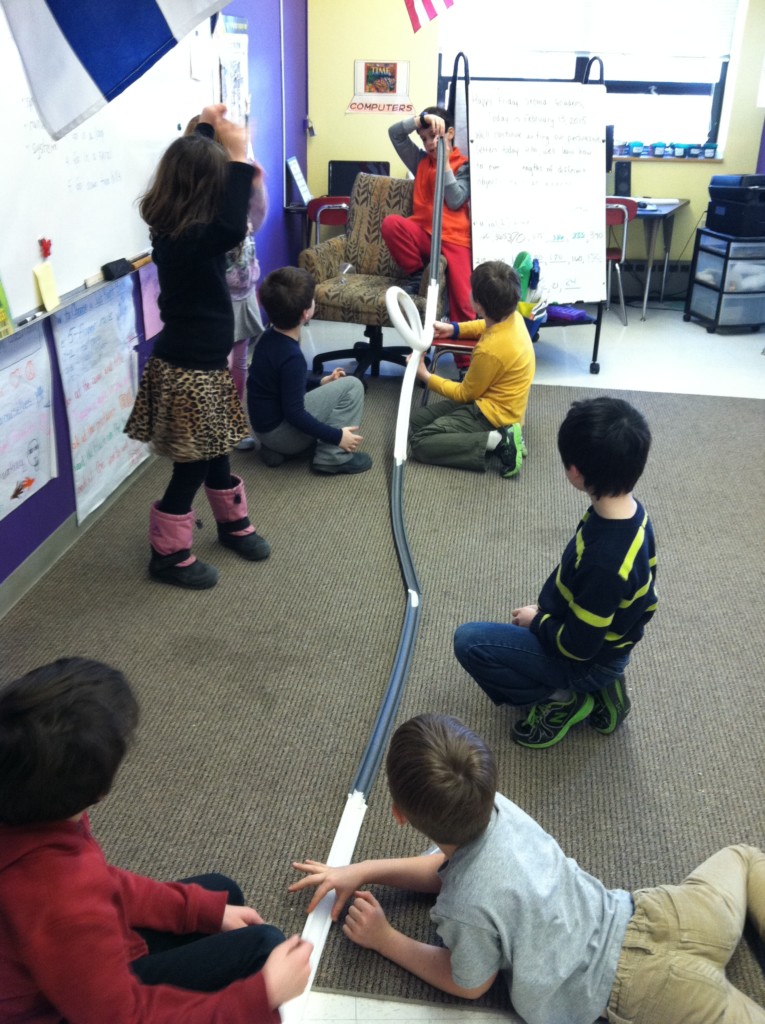
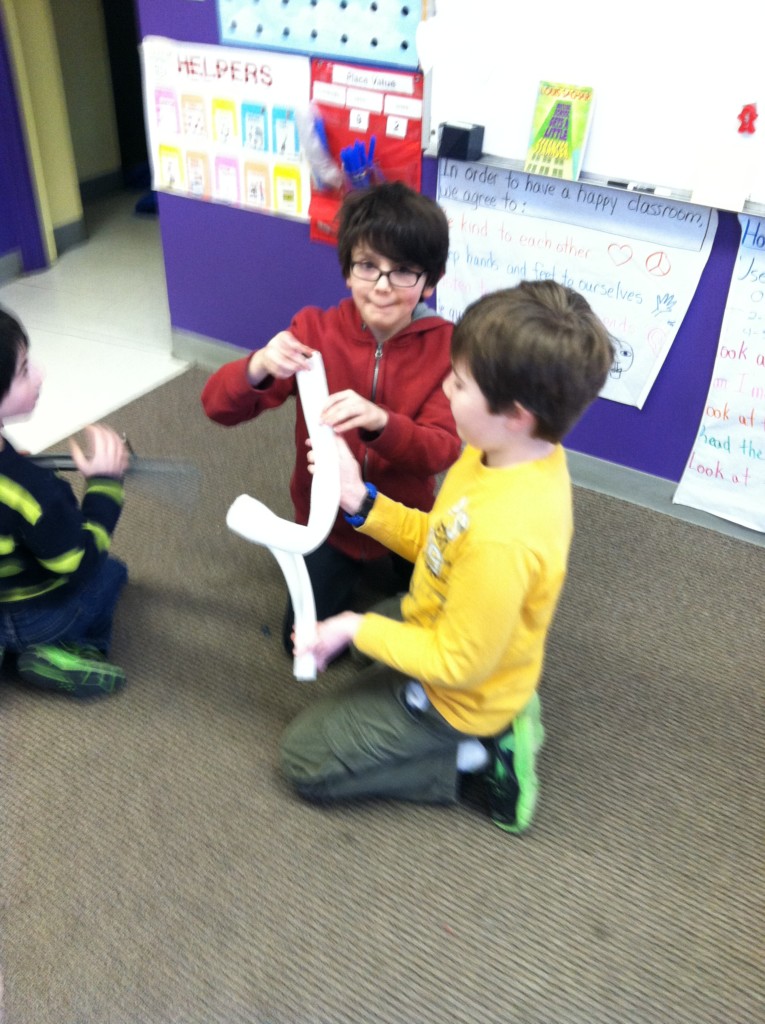
We also explored rolling motion by looking at how marbles roll on a runway.  Students experimented with different types of runways like loops, spirals, and hills.  They discovered that the marble needs to start higher than the rest of the system in order for it to pick up enough speed to run the entire length of the runway.  We had a lot of fun making a mock roller coaster!

2015-02-13 13.25.06 2015-02-13 12.55.26 2015-02-13 13.01.34

During our writing time together, we have been working on persuasive writing.  The first project is for students to write a persuasive letter to a real person or organization.  They are learning how to be quite convincing, so watch out, because soon you may be getting one of these letters!

During math, we have been learning about the metric system and the U.S. customary system.  Students practiced working with meters by measuring the hallway near the library.  They are also working with centimeters, inches, and feet.  A big measuring goal for second grade students is for them to be able to pick the right tool for measuring a specific object.

2015-02-05 13.04.26

During reading time, we have been focusing on visualizing.   Students are working on creating an image or even a movie in their minds, while they read.  This is a tough skill and they are improving every day.  If you want to check in on their visualizations, you could ask them to read out loud to you at home, then ask them what kind of a picture they were making in their minds.  You might even have them draw their visualizations into a mini spin-off book!  That could be fun.

I hope you all have a fabulous vacation.  I set a goal for myself to finish Moby Dick, which I have been working on for a while.  I challenged the students to read at least one full book over the break.  Please try to encourage them to do so.

Check out this cool motion game for kids I discovered:

Jordan’s Post on the Tea Tax

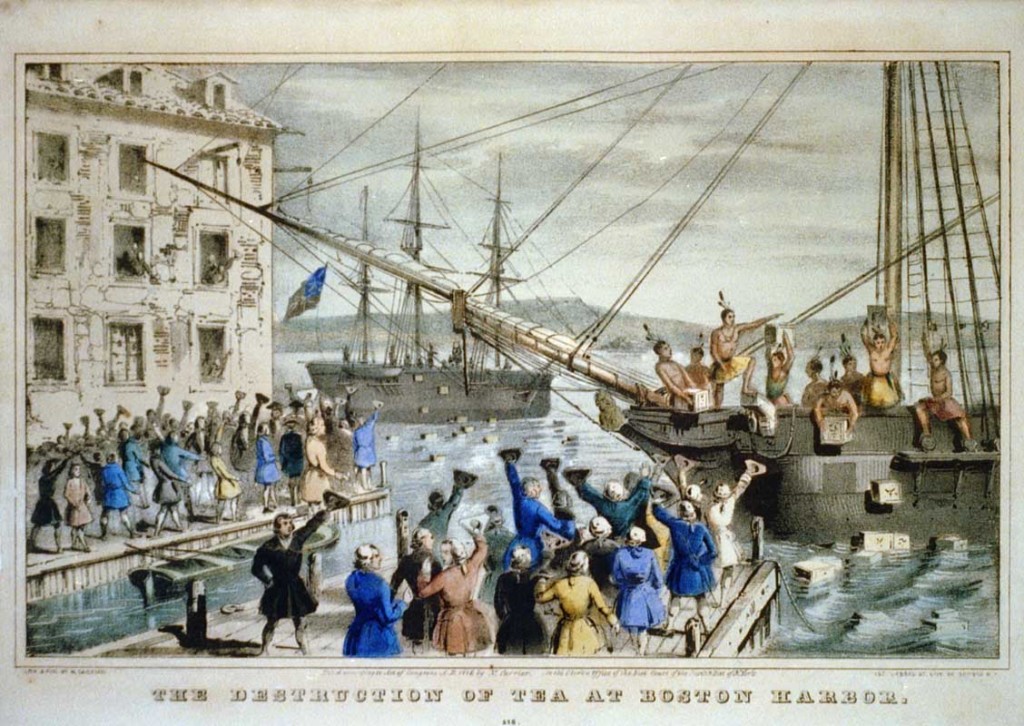
For the past few weeks the fifth grade has been learning about taxes in colonial America.  Right now we are learning about the Boston Tea Party, how the tea tax was put on the colonists and some who called themselves Patriots went again King George and led to the American revolution.  Some were with King George and thought the tea tax was not much to pay.  This led to the Boston Tea Party in 1773.  People from both sides came together and had a debate at the Old South Meeting House on if the tea tax should stay or get repealed.  We are going to go to the Old South Meeting House to re-enact the tea tax debate.  I have been very intrigued by this topic and am very exited for this field trip.

Boston_Tea_Party_Currier_colored