fbpx

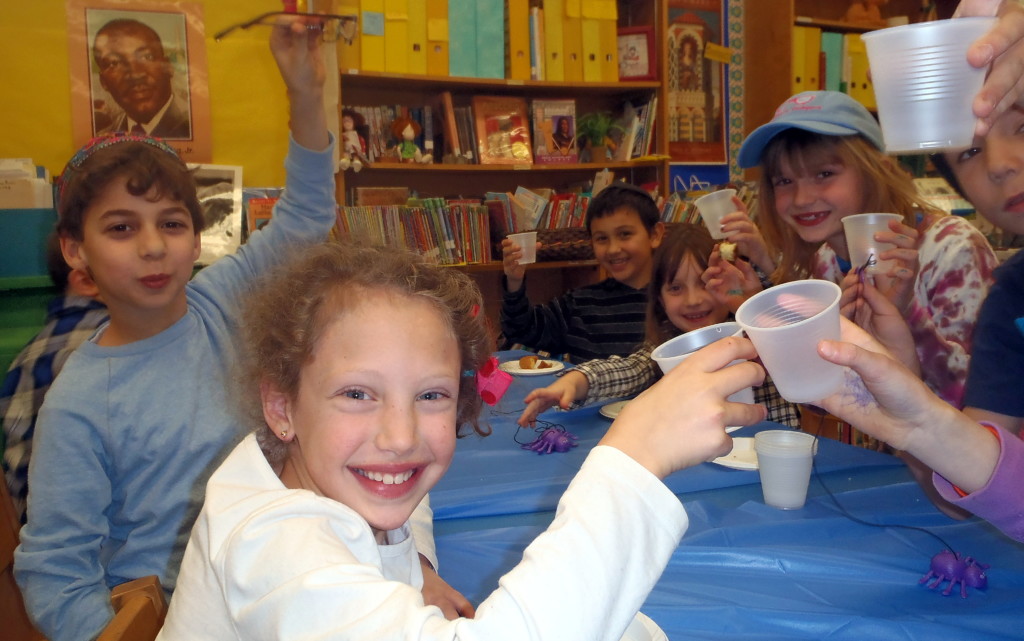
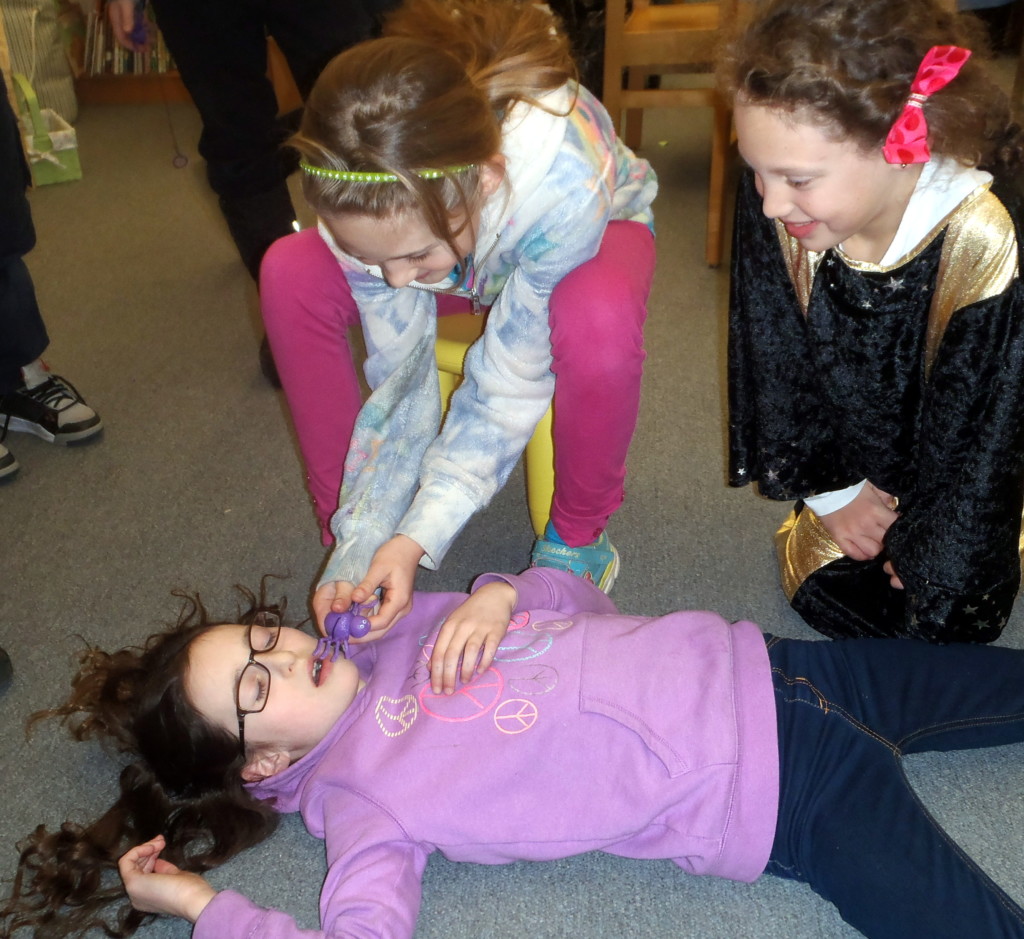
What? A “Poisonous Spider” party in the library!

Miss Earth (teacher) Lives! 3rd grade library classes with K.White, librarian

 P2050023

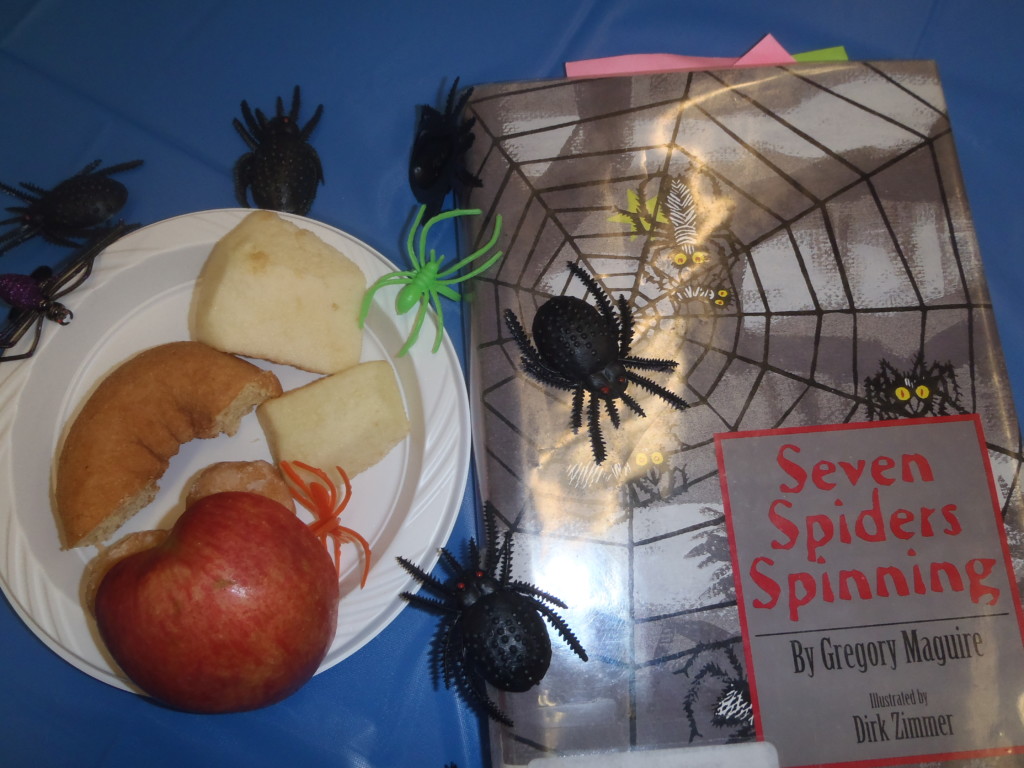
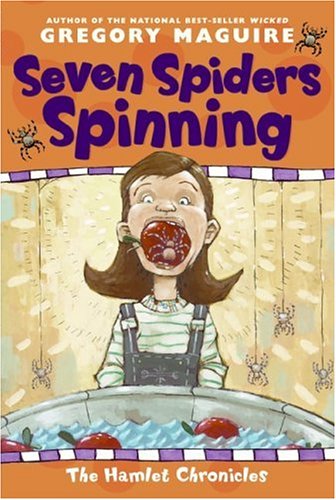
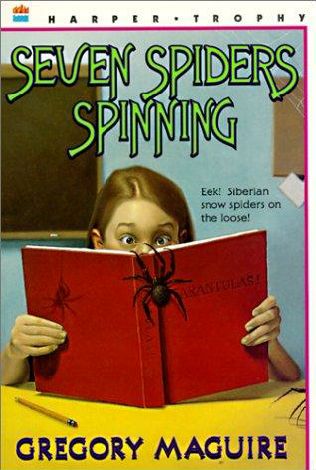
Seven Spiders Spinning (The Hamlet Chronicles) by Gregory Maguire

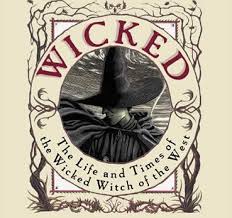
Recognize the author’s name? Yes, it’s THE Gregory Maguire, the author of The Wicked Years, a four-book series including Wicked, Son of a Witch, A Lion Among Men, and Out of Oz—all New York Times bestsellers. Wicked: The Musical is based on these books.

Maguire’s novels are revisionist retellings of children’s stories (such as L. Frank Baum’s The Wonderful Wizard of Oz into Wicked)! He was a professor and co-director at the Simmons College Center for the Study of Children’s Literature from 1979-1985. In 1987, he co-founded Children’s Literature New England. (HarperCollins)wicked

“What happens when seven deadly Siberian Snow Spiders from before the dawn of time invade a contemporary classroom in rural Vermont? Bedlam, and one of the funniest, creepiest, ickiest middle-grade books ever written! ‘Demon spiders, lover spiders, greedy spiders, sensitive spiders—they all go on heroic quests that get entangled in classroom rivalries and local soap operas. . . . Everything is part of the comic brew, from the nightly news and Spidergate to Dracula, The Wizard of Oz, Charlotte’s Web and Little Miss Muffet. A fast, delightfully entertaining romp.”
Notable Children’s Books of 1995 (ALA)

P2050018 P2050020

As we finished the last page, we gathered to discuss this delightful book  over treats that relate to the story. Students reviewed the story and shared their favorite parts. Fortunately, since the book is part of a series (The Hamlet Chronicles), they can continue to read about Miss Earth and her class. Each student had various roles to perform. They loved the dramatic play and really got involved with their parts. Dramatic play helps students understand the characters and story as well as adding fun to library classes. In addition, we loved singing and acting out the “scary” songs included in the story!


 SevenSpidersSpinning seven spin3 seven spin 2

Novels can help teach research skills. For example, when reading Seven Spiders Spinning we:

  • Used map and geography skills to research Scandinavia, Russia, Greenland, Iceland, Canada, Vermont and Massachusetts
  • Used encyclopedias and other resources to learn about Vikings and spiders
  • Reviewed literary genres and learned about epic poems

3D Shapes

We have been learning about how things change over time. This week, we read Farfallina and Marcel which is about the friendship between a caterpillar (Farfallina) and gosling (Marcel). Both characters go through changes as Farfallina becomes a butterfly and Marcel grows from a gosling to a goose. Sadly, as both characters appearances change quite drastically, they no longer recognize one another. Then one day, they begin having a conversation and are delighted to discover that they are long lost friends!

Amazing Words:

  • caterpillar
  • butterfly
  • cocoon
  •  gosling
  • goose
  • reflection

The children have been writing and illustrating sentences using the weekly amazing words. At the end of the year, we will combine their writing pieces into individualized books for each child to take home. Additionally, each amazing word is underlined, so the students will always remember them!

We also began exploring three-dimensional shapes this week. We learned that three-dimensional shapes are solid, (not flat) and have corners, edges and faces. We even learned a new song to help us recall the names of the shapes and compare them to real world examples.

Chorus

Here are the 3D shapes that I know…

A sphere, a cylinder, a cube, and a cone (and a pyramid)

Verse 1

A baseball, the moon

And an orange I have right here

Are all examples of a 3D shape

That people call a sphere

A basketball, the Earth

And marbles I have here

Are all examples of a 3D shape

That people call a sphere

Verse 2:
A soda can, a pencil shaft,

And a can of soup would be

Examples of a cylinder

As you can plainly see

A marker, a glass of milk,

And a peanut butter jar

Are examples of a cylinder

Yes, I’m sure they are.

Verse 3:
An ice cube, a cardboard box,

And a birthday present for you

Are all examples of a 3D shape 
that people call a cube

My little dice, a Rubix cube,

And a block that I use

Are all examples of a 3D shape

That people call a cube

Verse 4:
An ice cream cone, a pencil tip,

And a megaphone

Are all examples of a 3D shape

That people call a cone

A birthday hat, a traffic cone,

Or a funnel in my home

Are all examples of a 3D shape

That people call a cone

Verse 5

A paper weight, Egyptian pyramids

And some tents would be

Examples of a pyramid

As you can plainly see


The children went on a scavenger hunt and found various two and three-dimensional objects.

Na shape

ha shape

Mo shape

Here are some of the three-dimensional shapes we found in our classroom:

Sphere: an orange, a clementine, the bead container on the art shelf, and the shemesh (sun) light hanging from the ceiling

Cylinder: water bottles, thermoses, some containers on the art shelf, the paper towels, the trash can

Cube: lunch boxes, snack containers, tissue boxes

Cone: The tips of the pencils, one of the magnet blocks

Pyramid: Some friends made pyramids out of Magna-tiles.

In a compare and contrast activity, the children analyzed the differences and similarities between two-dimensional shapes and three three-dimensional shapes :

El shape ay shape


Celebrating Tu B’Shvat

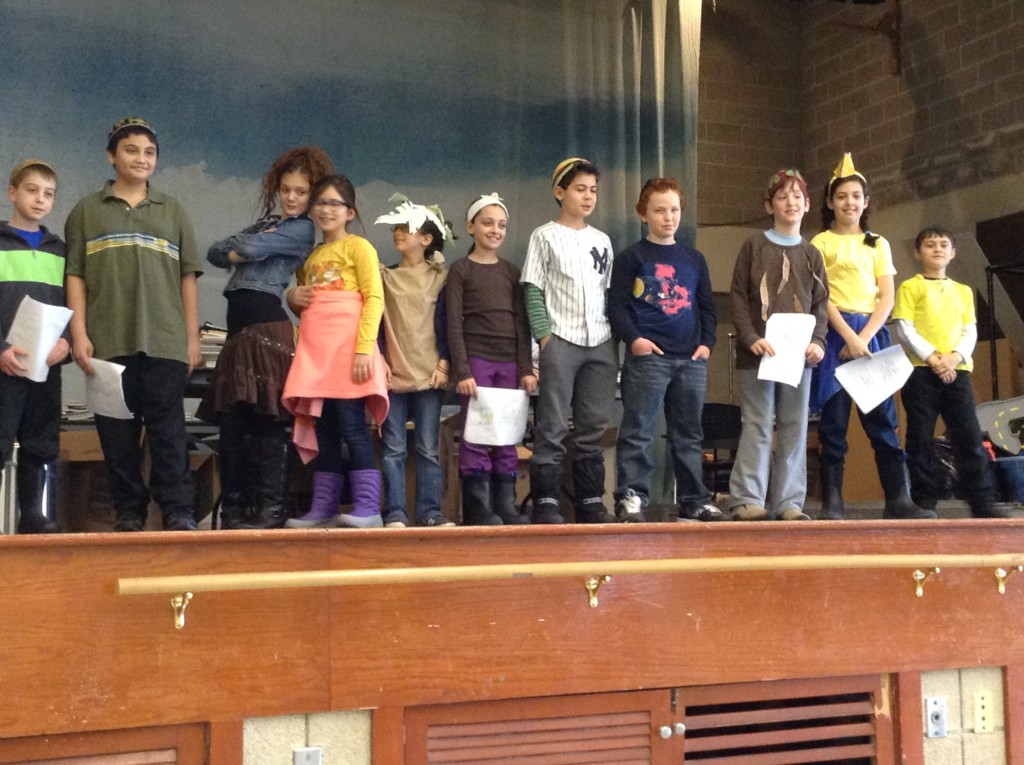
Our special Tu B’shvat celebration was with and for our kehilah (community.) First, we walked to the JCC to celebrate with the seniors at the Meal Site and with the young children at the Early Education Center. After lunch the students led the school assembly about the holiday. The students’ group Einshem sang a song סמבה לט”ו בשבט Samba for TuB’Shvat. The trees, the fruits and birds are all happy and dancing for the holiday. The students’ group Hafalafelim presented a story by Levin Kipnis שישה בשקיק אחד Six in One Bag. It is about an almond, a date,  a banana, a carob, a fig and an orange. All the fruits get into the bag one by one  and when a boy finds the bag he enjoys a tasty snack.

With two snow days, in less than a week, the 4th and 5th grade students had only two Lashon periods to practice for their tasks. They worked hard and today they shone! It was wonderful to hear so much Hebrew from our students and to see them perform for the community with enthusiasm, joy and pride.

חג שמח Chag Sameach,

Rotem

IMG_1325


IMG_1330


Do the ends justify the means?

In different words, this question has been raised lately, multiple times.

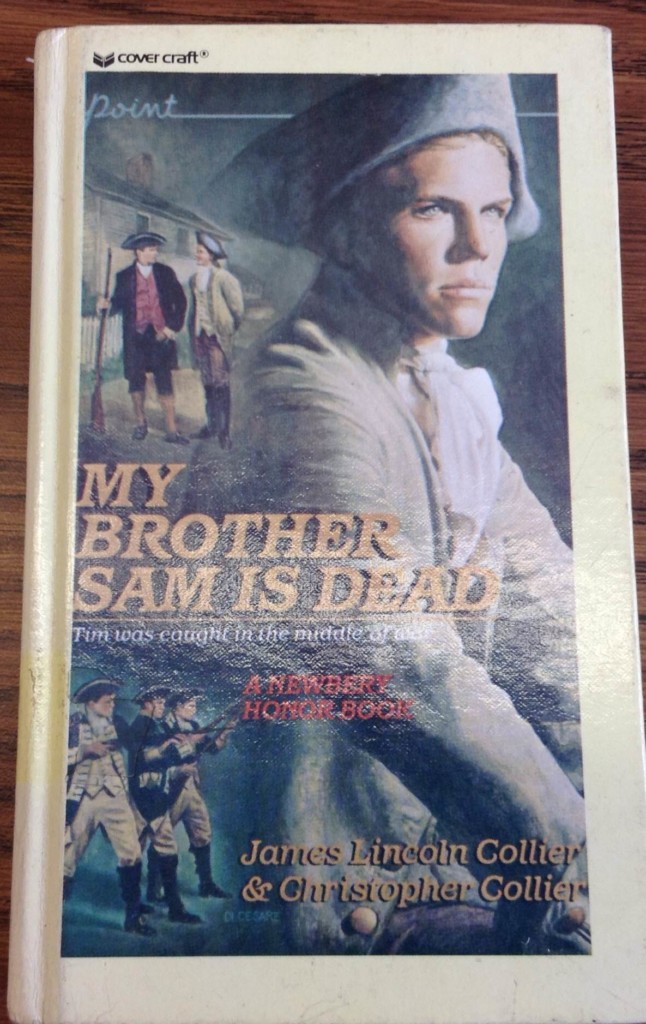
This week we read that Mae Tuck killed a man to save a child, her family, and possibly the fate of humankind in our class novel, Tuck Everlasting by Natalie Babbitt.   But did she have to kill him?  Was that the right thing to do?  Was that her only option?  What might she have done instead?

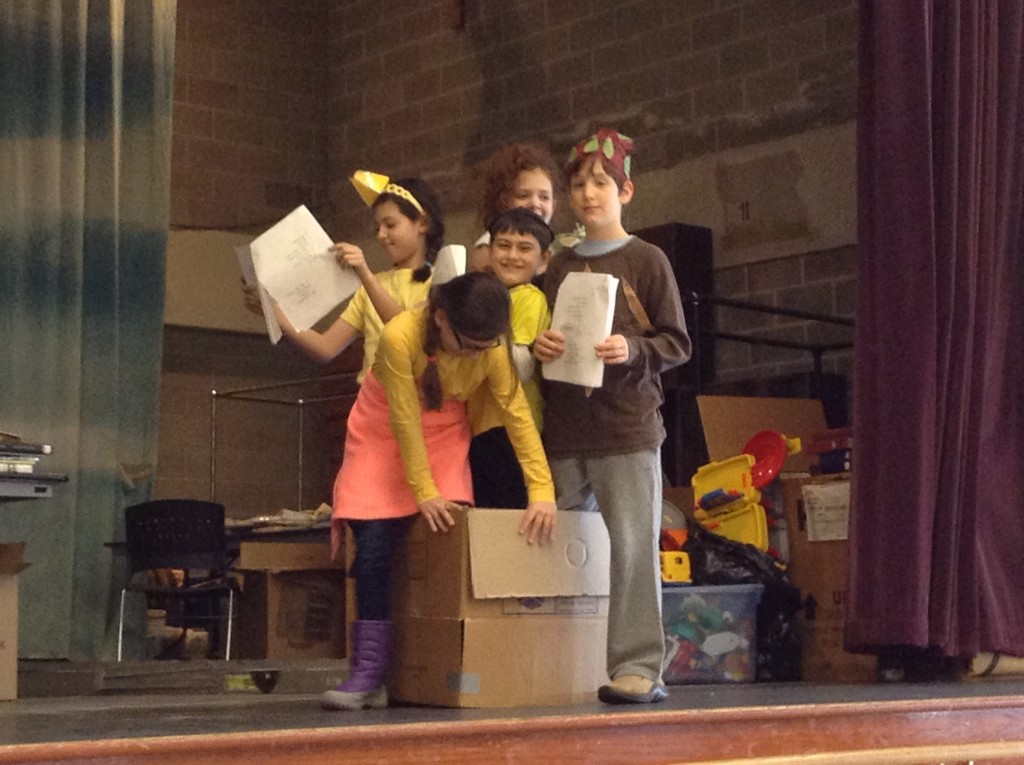
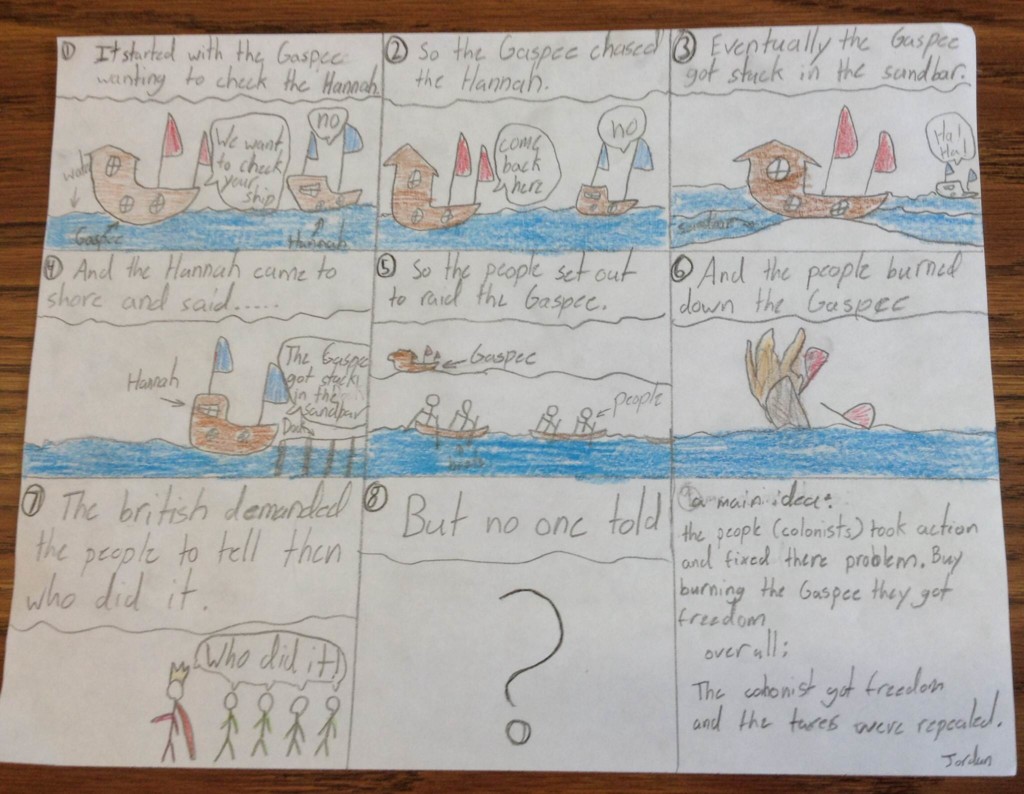
Students were riveted by the story of the Burning of the Gaspee.  As we prepare for the tea tax debate, we are looking closely at the many catalysts for the American Revolution.  While some colonists wrote letters to express their feelings of discontent, many others reacted with violence.

In fifth grade, we will continue to wrestle with this question.  Is it ok to do something wrong if it is for the right reason?  Do the ends justify the means?  For the sake of a more generative discussion, I’d like to encourage parents and fifth graders to post any thoughts they have on this big question directly onto our blog.  Thank you!!!

Fifth graders synthesized their knowledge by retelling the event, sharing the big ideas, and making predictions.  Completed work included: slideshows, a news article, two cartoons, and a poster board display. Below are links to the student slideshows about the Burning of the Gaspee.  You might need to copy and paste the link into your address bar.

https://docs.google.com/a/jcdsri.com/presentation/d/1lAGJ9CuRaFTsuyMOGcu9CwbOLIaHR-c-MW_jNKSKtSA/edit?usp=sharing

https://docs.google.com/a/jcdsri.com/presentation/d/1jUfUUKeW5Y4098b4v6mVk88v_xxzgL4vN8aCobPq3j0/edit?usp=sharing

https://docs.google.com/presentation/d/1OGpvFtRXCW3Pm5Fx6kCOrfgy-Fl07PlquAewLNuThtg/edit?usp=sharing

https://docs.google.com/presentation/d/1fCSV74Er5SLZu3CPQ0UwxnurU9rrtR0f4k1d491PC0s/edit?usp=sharing

Jordan's Cartoon
Jordan’s Cartoon
Our new class read-aloud

As

Elliana Ponders the Gaspee

This week in Social Studies we learned about the burning of the Gaspee, which took place in 1772 when the British were ruling Rhode Island. The British had passed a tax on the cargo in ships, so they had ships to collect the tax. In Rhode Island we were very upset by this, so we would smuggle the cargo and try to avoid the tax collector ship. Then when the British found out about the smuggling they hired a large boat called the Gaspee to collect taxes. The Gaspee was a mean and aggressive ship and the crew on the Gaspee made sure no one would smuggle. One day a cargo ship called the Hannah was sailing to Providence when the Gaspee asked them to stop and let them search their ship. When the Hannah said, “NO,” and started sailing away, the Gaspee started sailing after them, and for a long time this went on until the Gaspee got stuck in a sand bar because it was heavy. The Hannah then rushed to Providence to tell people what had happened. Then a drummer went out in the streets to gather up people to plan the attack on the Gaspee. After that they all got in 8 big row boats and went to the sand bar where the Gaspee was stuck, and at 12:00 they attacked it and lit the Gaspee on fire. When the British got word of this they questioned everyone about the attack and no one told. Overall I think it would have been really cool to experience the burning of the Gaspee, but I was born 200 years late.

Historical Fiction

This week we learned that historical fiction is a literary genre in which the plot takes place in a setting located in the past. We read a story called, George Washington Visits, which takes place about one week before George Washington became the first President of the Unites States. In this story, he was called, “General Washington,” and the townspeople were putting together a celebration in honor of his upcoming visit. A young boy and his father, a blacksmith, worked together to make a very special sign in the shape of an arch to welcome General Washington.

After discussing our new amazing words and reading the story, each child selected an amazing word to write about and illustrated their work.

Amazing Words:

  • celebration
  • sprinted
  • arch
  • blacksmith
  • soldier
  • barn

New sight words:

  • look
  • see

Blending words together in guided reading:

guided reading 1

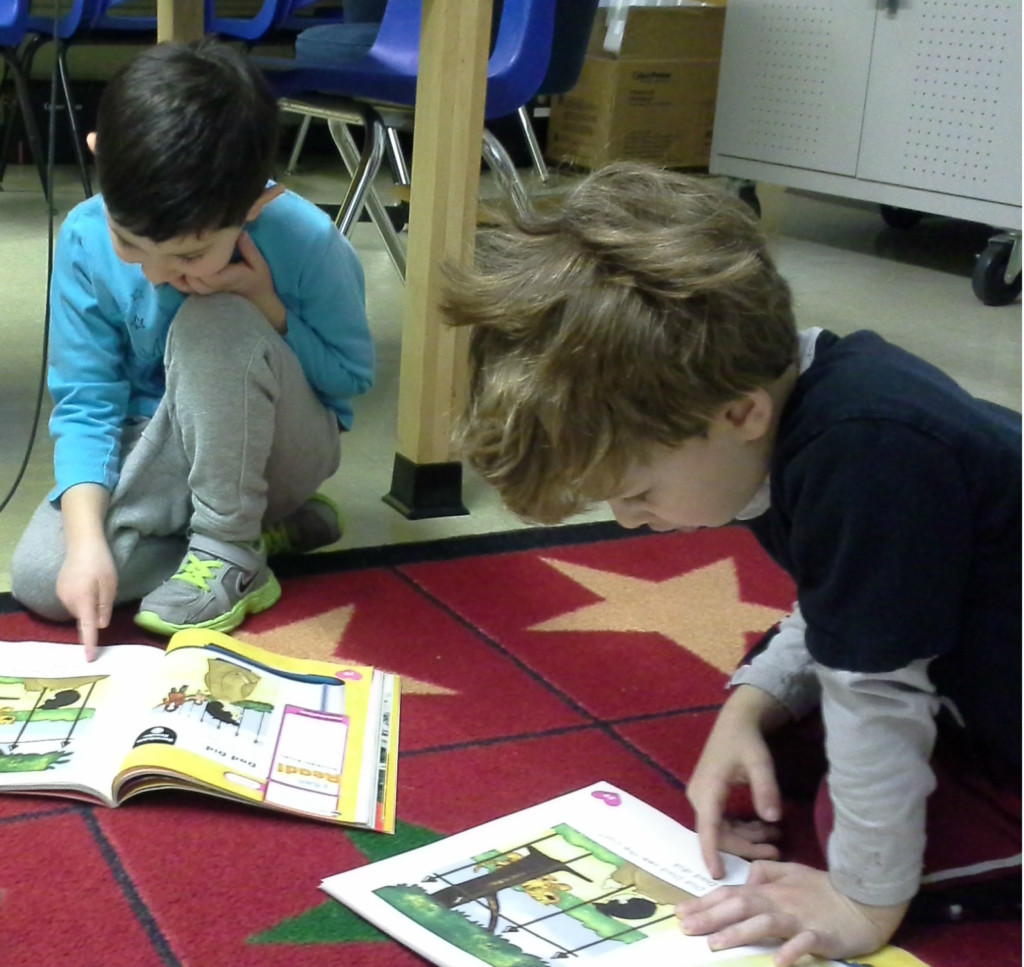
Taking turns reading aloud:

20150129_090950

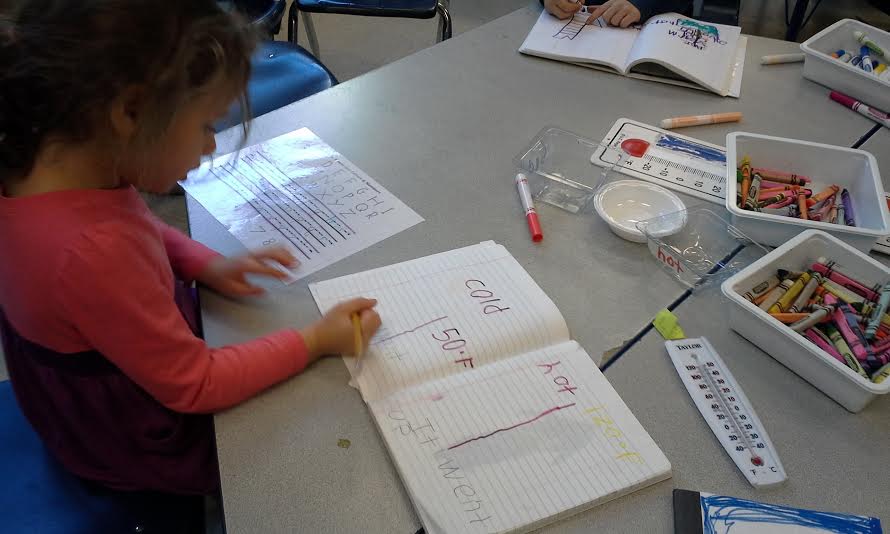
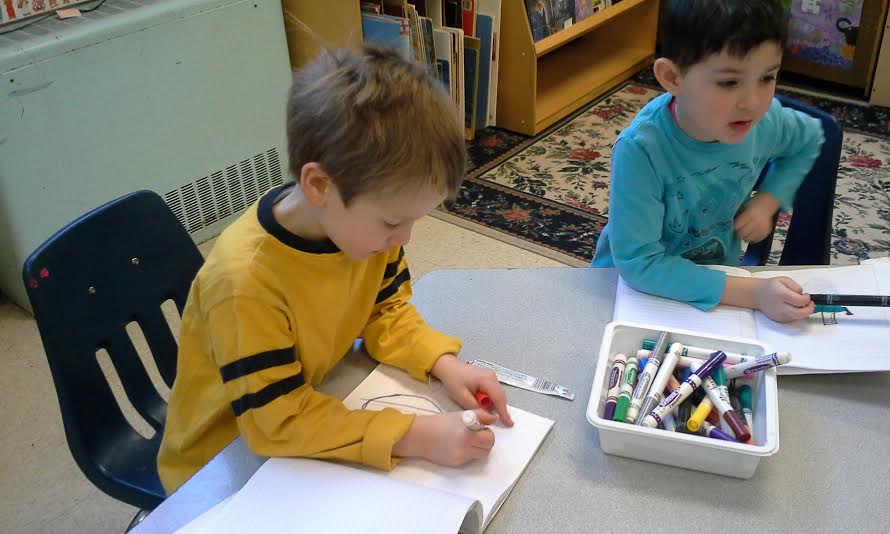
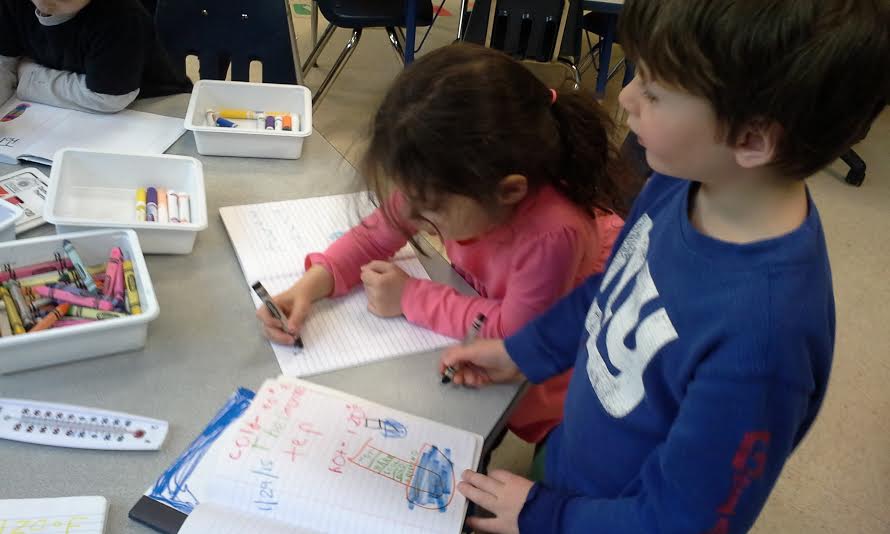
Today we learned that thermometers are tools that we use to measure temperature. We explored a color-coded thermometer which helped us understand which temperatures (Fahrenheit) are considered freezing (purple), cold (blue), cool (green), warm (yellow), and hot (red). We made predictions and placed an actual thermometer in containers of cold and hot water. The children watched as the red line moved down in the cold water and up in the hot water. Afterwards, they recorded their observations in their science journals.

hot cold

hot cold 2

hot cold 3

hot cold 5

Spirit Day is Friday, January 30th! Everyone is encouraged to wear the colors of their favorite team, or their own personal favorite colors!

Reminder: Please send snow pants, boots and other winter clothing for outdoor recess fun.

Library-January Adventures-Karolyn White, Librarian

Grades PreK-K

Winter Time! Mitten Time!

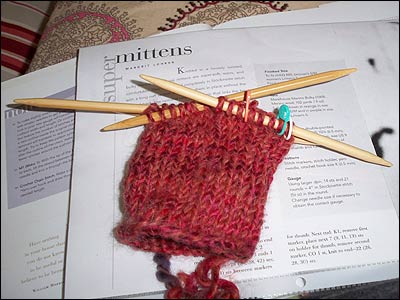
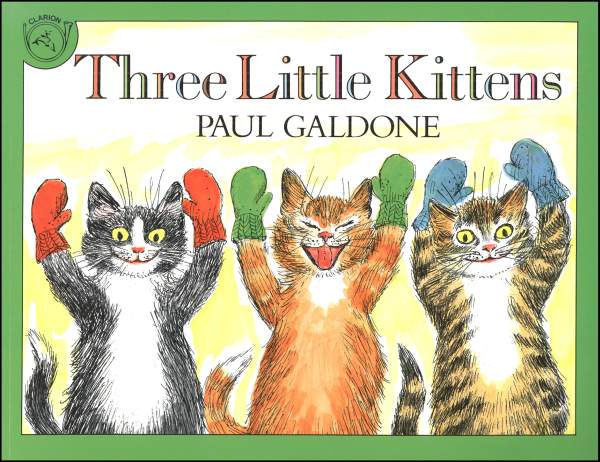
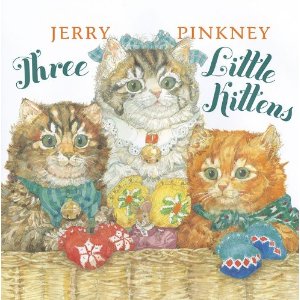
What is a mitten? How are mittens made?  Mitten tales include “Three Little Kittens” by Galdone and Pinkney. Did you know that “Three Little Kittens” is attributed to Eliza Lee Cabot Follen (1787-1860), a Bostonian Sunday school teacher and abolitionist? Check out an online copy of “The Wonderful History of the Three Little Kittens Who Lost their Mittens” published in 1856 from Boston Public Library! http://bit.ly/1Bp8Edw In addition, I am demonstrating knitting!

mitten-gussetthree kittens galthree-little-kitten pink

Grade 1

What? Messy Rooms Fit for Pigs!

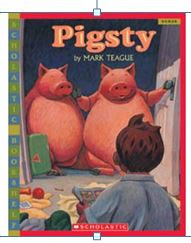
Oink! Oink! We are enjoying stories about pigs moving in and making or adding to messy rooms! Talk about funny! Our stories have involved predictions, math problems and room organization ideas. First graders will design  kid’s rooms with places for “everything.”

messy1 pigs aplenty pigsty

Grade 2

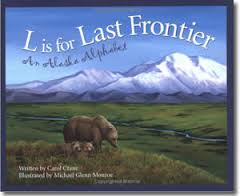
Off to the Last Frontier-Alaska

We will learn about research skills as we travel to the awesome state of Alaska! Students are divided into 3 groups, each named by a dog sled breed. Using map skills, we learned about the geography of Alaska along with its history and main resources. Currently, we are enjoying learning about dog sled racing-purposes, equipment and dogs. As mushers, we are learning dog sled commands and no, mush is not the command to go,  it is HIKE!

alaska 3 alaksa 2 alaska 1

Grade 3

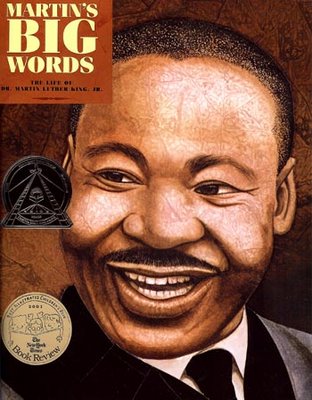
Who Was Martin Luther King?

Martin Luther King-Childhood: Who were his family members? Where did they live? How did he do in school and sports? What did he like to do?

Using several books and materials, third graders tried to get an understanding of what  Martin was like as a kid. In addition, they learned about the “Jim Crow” laws and how they affected the lives of African Americans.

Martins-big-words_zps524f007b king1 king many

Grades 4 and 5

Martin Luther King-Faith Ringgold, author and artist

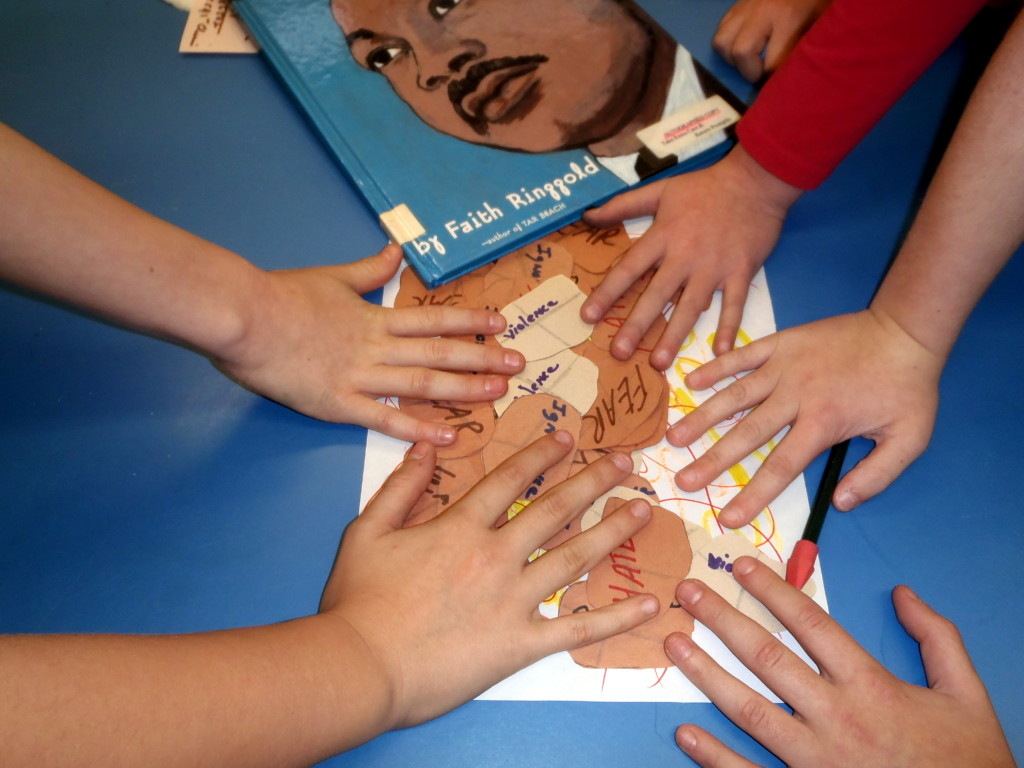
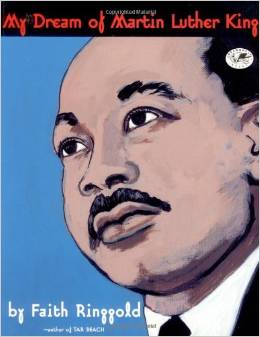
The library has some 30 books about Martin Luther King, which have been on display as well as educational posters. Students are encouraged to view and discuss these materials. I read a moving, serious book, My Dream of Martin Luther King written by the esteemed African America writer and artist, Faith Ringgold. (At a library convention, I was fortunate to meet and talk with Faith, who signed some books for our school.) Faith Ringgold tells and paints the story of a dream about Martin Luther King that notes his childhood, adult life and his assassination: “This time we had come to mourn Martin Luther King’s death by trading in bags containing our prejudice, hate, ignorance, violence, and fear for the slain hero’s dream. We emptied the bags onto a great pile, and as the last bag was dumped, the pile exploded into a fire so bright that it lit up the whole world. There, emblazoned across the sky, were the words: EVERY GOOD THING STARTS WITH A DREAM.” Students reenacted this powerful scene by carrying mock paper bags into a pile and discussing the above quote. For more info about Faith Ringgold and her books: http://www.faithringgold.com/

kingF FaithRinggoldfaith hands


Class Update with Video News!

First stop: Video News (sorry for the wait!)

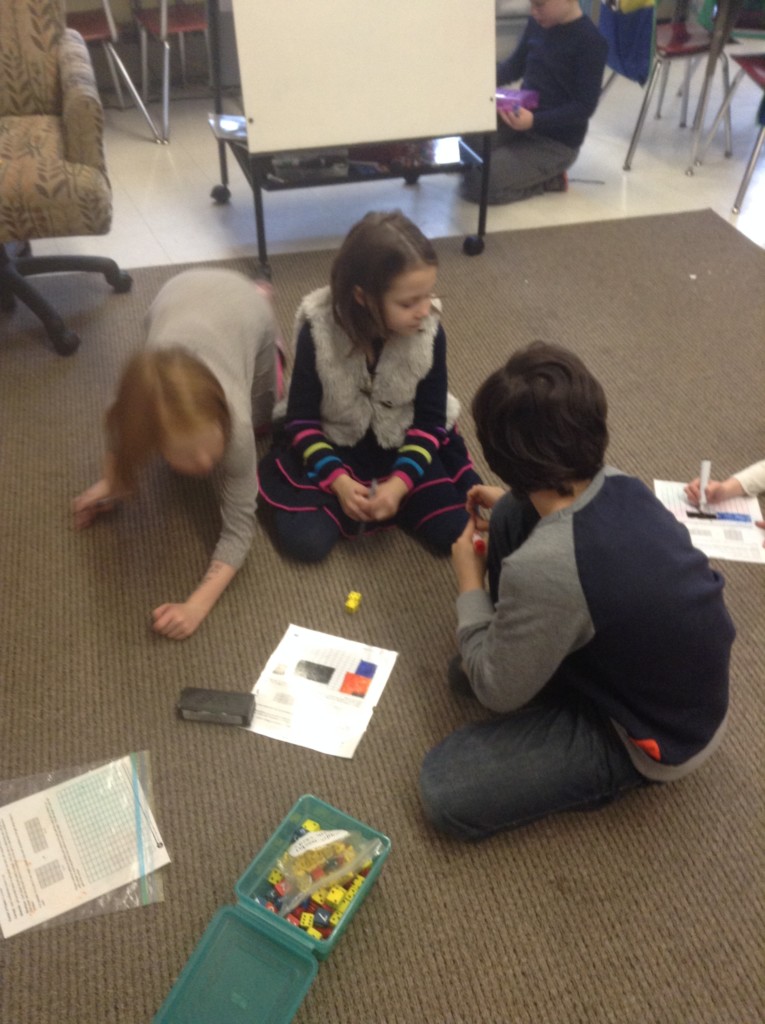
We have been busily working in math to gain a deeper and more solid understanding of multiplication.  Students are learning different strategies and visuals for figuring out multiplication facts.  They have learned dot models, counting on their fingers, flip facts, and arrays.  Below, is a game called “Niddy Griddy” where students draw multiplication arrays on the grid.  By the end of second grade they will know AT LEAST their 0,1,2,3,5, and 10 facts!

2015-01-22 13.17.39 2015-01-22 13.17.35

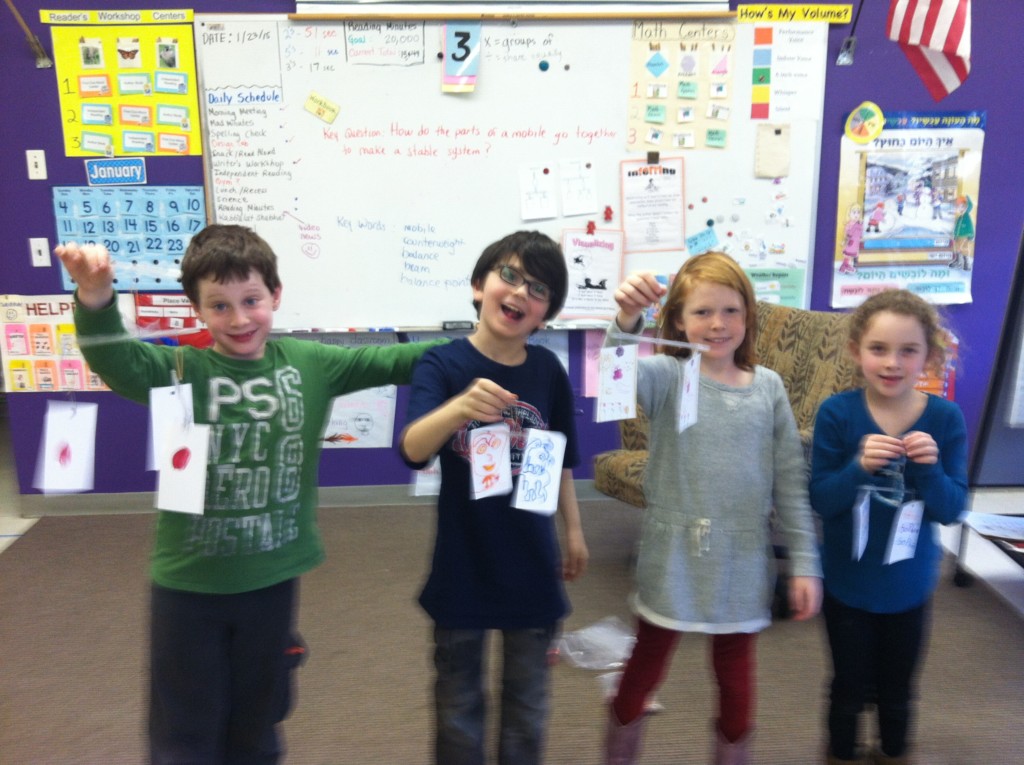
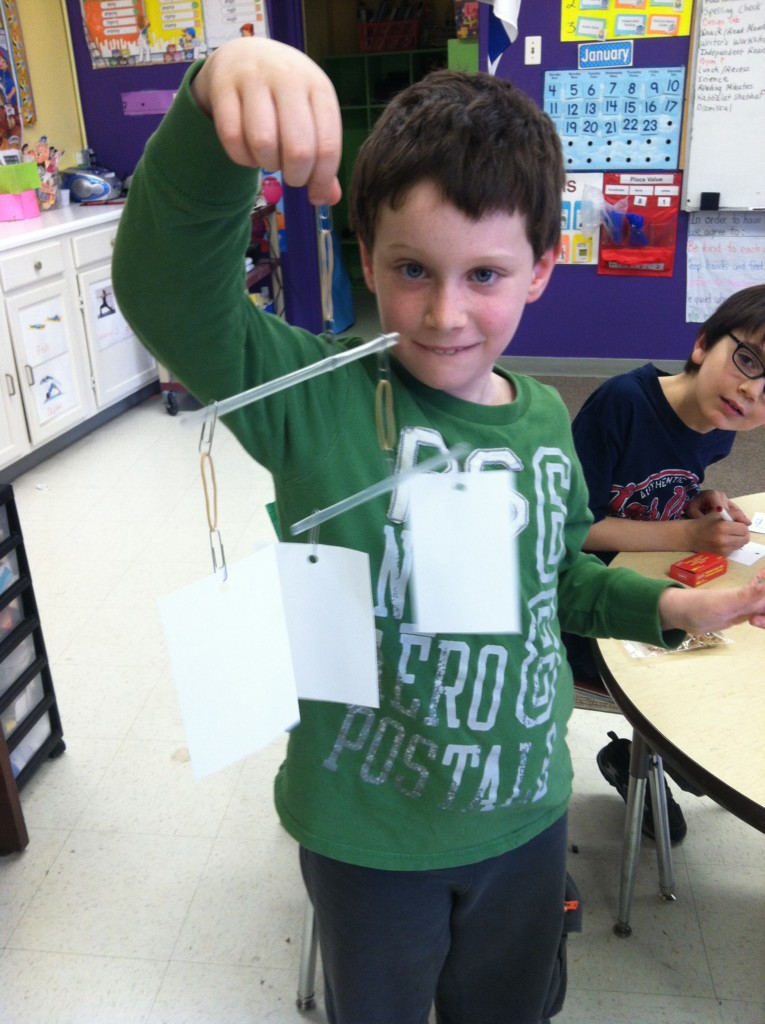
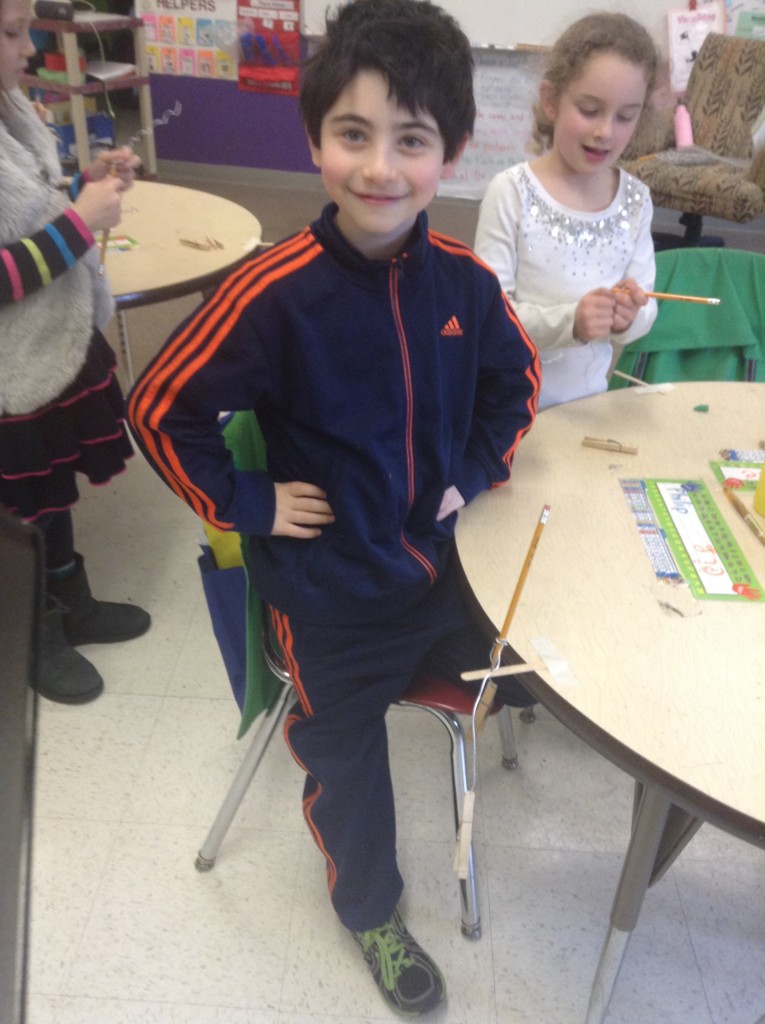
We have excitedly dived back into science this week with more learning about balance.  Below, students created mobiles that helped them to understand weights and counterweights in relation to the balance point.  Also, one student is demonstrating how he got a pencil to balance on its’ point by choosing the right place to put the weights.2015-01-23 13.37.22 2015-01-23 13.03.03 2015-01-22 13.41.51

As Ruby noted in video news, we have completed our “How-to” books and are in the process of sharing them with the class.  Students are now experts on teaching a skill in a sequential detailed manner.

2015-01-21 08.08.33

Reminder: Save the date for our reader’s theater performance on February 6th at 8:15!

A Question of “Excellence”

Lets talk about ‘excellence.’  After all, everyone wants to send their children to an excellent school, donors want to support excellent schools, and almost every school claims to be excellent.  But is it really possible for every school to be excellent?  Is it even possible for a Jewish Day School, while dividing its time between Jewish and general studies to ever be excellent?

Let’s talk about movies.  Let’s imagine your favorite genre is romantic comedies, and your partner’s is horror flicks.  If someone were to ask you and your partner to describe the qualities of an excellent film, chances are you would share some qualities, for example, both films would be engaging and not boring. In the same vein, all excellent schools have some things in common.  Ron Berger, in his short, mind-blowing, must-read book An Ethic of Excellence  identifies three main levers:  A culture of excellence, work of excellence and teachers of excellence.  These three elements should be present in every excellent school.

But to return to our film metaphor, when the horror film buff and rom-com lover compare notes, chances are they would have had far more to disagree about! Even though you would each be describing what made the film excellent to you, you might describe polar opposites, because in some ways, ‘excellence’ is a subjective term with no independent meaning.  Instead, excellence is excelling at being exactly what one intends to be.  

According to this definition, the most important aspect in becoming excellent is knowing who and what you want to be before you start!  Just as a film cannot be both an excellent horror flick and rom-com, so a school cannot be all things to all people.  What makes LaGuardia and Bronx Science two of the best high schools in New York City is not that they do everything well, but that they have clearly defined foci and pursue them relentlessly.

What makes JCDSRI excellent?

There are two primary foci of JCDSRI that we pursue with all our hearts.  They are Progressive Education and a Pluralistic Jewish Community.  Our relentless and ongoing pursuit of excellence in these areas set us apart from any other school in Rhode Island.

What is Progressive Education?

Progressive Education can be understood in a number of ways, but first, it is helpful to understand that progressive education came to exist in the late 19th century in opposition to “traditional” education.  Traditional education is something we are all familiar with, either from our personal experience or from the way movies portray classrooms.  In a traditional classroom, students sit at their own desks in columns and rows, quietly and carefully writing notes presented by the teacher. Traditional education believes that students are “Tabula Rasa” or a “blank slate” waiting to be filled with content by the expert teacher, so the teacher stands at the front of the class lecturing and often writing on a blackboard, whiteboard, or today, a Smart Board.  If students speak to one another or pass notes to communicate, the teacher silences them, or confiscates the note, often reading it out-loud to the class.  Students take tests, often multiple choice tests that are easy to grade, and test a students ability to memorize and recall teacher notes.  In essence– traditional classroom values obedience, accurate repetition of information, and individual completion over exuberance, creativity, and collaborative group work.

The progressive classroom operates by a different set of values, and it is evident in the way classes look and sound, the way homework is given, and the way students are assessed.  In progressive schools, children are not considered mischievous silly creatures who want to just horse around but curious, thoughtful, and compassionate people who want to be successful.  Given that radically different starting point, everything about the school looks and sounds different!

Progressive education values collaborative and cooperative group over competition and individual work so in a progressive classroom, one might find desks placed together into clusters, or simply tables where children work together rather than columns and rows of desks.  Classrooms might seem loud as students discuss, argue, plan and create together rather than passively copying notes. Progressive education values skills and active engagement over content, so in a progressive class, one might see students working on different content while they learn the same skills.  Progressive educators believe that every student is an expert in what he or she already knows and that the only way for a student to learn is to actively construct his or her own knowledge.   Thus, leveraging students’ interests is essential, while teachers who dictate content risk alienating or boring students.

In a traditional school, identical tests are given to all students so their numerical grades reflect the same standards given to all children.  In a progressive school, students are encouraged to do unique work that brings in many different skills, from independent research, to writing, to art and technology.  In a progressive class, cheating is impossible since students are expected to create something unique.

Put simply, progressive education can be summarized by the following adage: “Teachers should be the guide on the side, not the sage on the stage.”  Progressive education is also referred to as “student centered,” “Constructionist” (or Constructivist),“Democratic,” and often uses “project based learning.”

What does excellence look like at a Progressive School?

  • At an excellent traditional school, one would expect to see student mastery over a certain set content.  At an excellent progressive school, we expect to see students mastering skills that will lead them to become self confident, independent learners and critical thinkers.
  • At an excellent traditional school, one would expect to see students excel at tests and papers, especially standardized tests.  At an excellent progressive school we would expect to see students learning and being assessed through projects, especially group projects that require skills like communication, negotiation, compromise, delegation, and long term planning.
  • At an excellent traditional school, one would expect to see students to follow directions quickly and carefully, without being distracted or distracting others.  At an excellent progressive school we would expect to see students respectfully question authority, either to provide their own valuable ideas and insights, or to gain a further understanding of the ‘why’ behind their assignments.


What is Pluralism in a Jewish context?

I have heard pluralism described as a compromise- perhaps for communities too small to support separate Orthodox, Conservative, and Reform day schools.  I have heard pluralism described at “Radical Tolerance,”  which is closer to essence, but still misses the mark, since tolerance itself has the root of “tolerate” or put up within something one disagrees with.

Pluralism is the deep, heartfelt belief that being exposed to a variety of different ideas, passions, narratives and beliefs makes our lives richer. Pluralism makes us and our children more thoughtful, empathetic, and compassionate people.  More so, pluralism helps us hone our our thoughts and beliefs.  It challenges us to become deeper thinkers and learn to articulate our beliefs with clarity and passion.

Pluralism is the framework of American culture and Pluralist school help us live the American ideal– not just of a melting pot where everyone becomes the same, but where we learn to become confident, independent individuals in a diverse society.

You will see our students praying during tefillah, learning to speak modern and biblical Hebrew, and learning Humash (Bible), similar to any Jewish Day school.  But what differentiates our school is the Jewish values we emphasize.  For example, many Orthodox schools emphasize the concept that the bible is  “Torah L’moshe M’sinai” (that the Torah was literally given to Moses at Mt. Sinai).  At JCDSRI, we explain the concept but also acknowledge that many brilliant and committed Jewish people disagree!

The values we emphasize in our program are “Kol Yisrael Aravim zeh b’zeh,”  “V’ahavta L’reyecha C’mocha,” and “Ezeh hu chacham?  Ha lomed mikol echad.”  (“All the children of Israel are responsible for one another,”  “Love thy neighbor as thyslef,” and “Who is wise?  The one who learns from everyone.”

Thus, while we are engaging in authentic and serious Judaism, we are always reinforcing the values of respect, community, human dignity, and critical thinking.  Our students learn to live a joyous, vibrant Judaism that makes me more confident and compassionate when engaging ‘the other.”  Our students practice Judaism to make their lives richer and world a better place.

What does excellence look like at a Pluralistic Jewish School?


  • Teachers will use language like “many Jews believe,” or “the traditional understanding is…” instead of “We believe,” or “Judaism says.
  • Students will be asked, “given these options, which do you think is correct and why?”  rather than, “Do you understand?”
  • Students are explicitly taught how to embrace a wide variety of belief and practice.
  • Judaism is embraced as a positive, exciting, joyful enterprise without guilt, external pressure, or assumptions about what Jews “have” to do.

Where do we go from here?

JCDSRI is a school in motion.  We exemplify many of the attributes I described above, but some of the descriptors are aspirational.  We have work to do.  But I am proud that we know where we want to be.

If you are lost on a trip, the problem is that you know where you are going but not where you are.  The opposite is true in the life of a person or organization.  For a school, being lost is knowing where you are, but not where you are going.

We are clear about the kind of school we want to become and we are proud of the work we have done and continue doing to become a school of distinguished excellence.

 

Math games

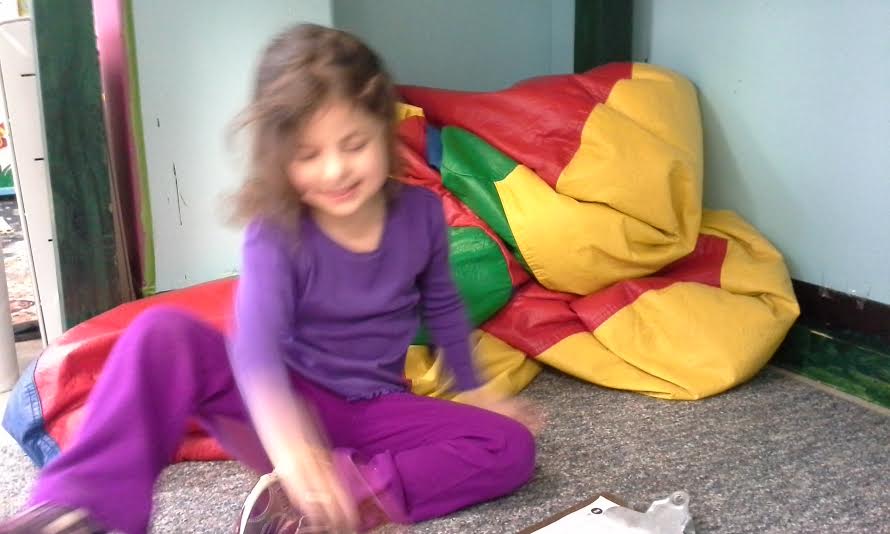
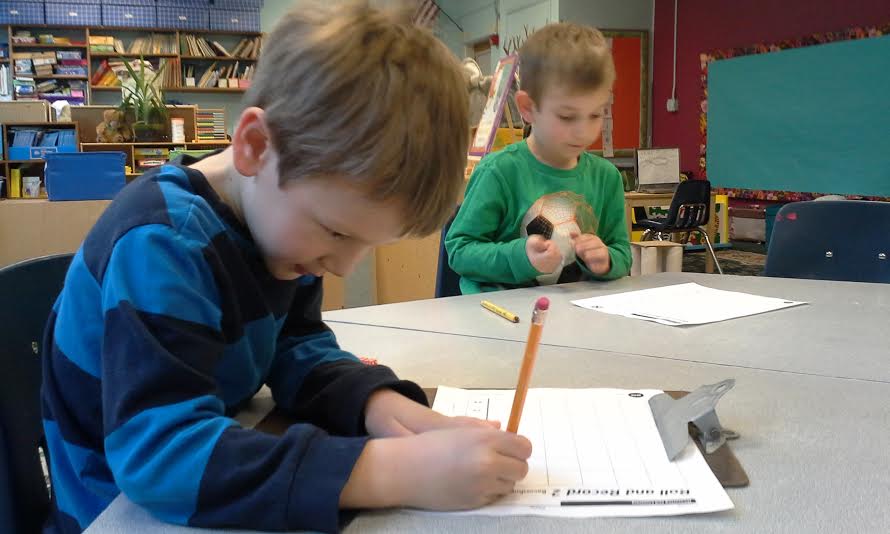
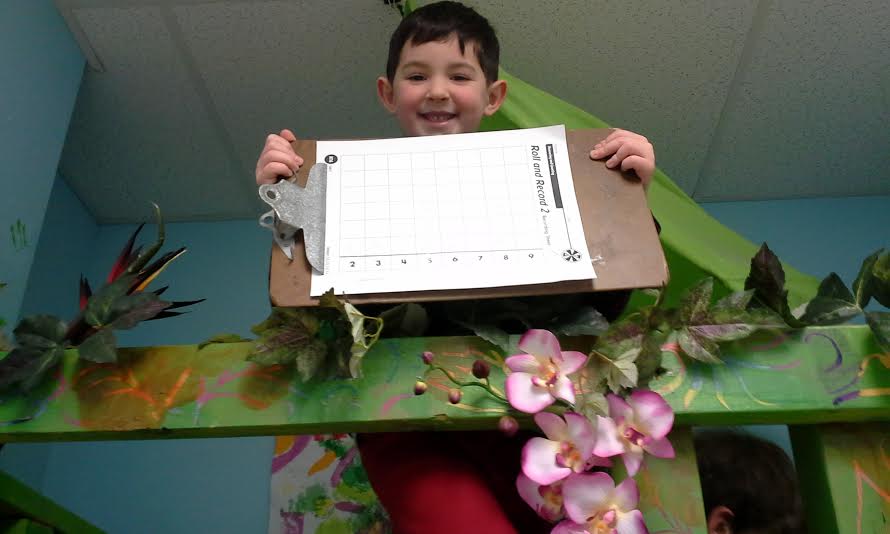
Earlier this year, we were introduced to the original Roll and Record math game. The children rolled dice cubes and recorded the numbers that they rolled on game boards. This activity allowed them to practice their number recognition and writing skills.  This week, we learned how to play Roll and Record 2. Using two dice cubes, the children added up the numbers and recorded the sums that they found on their game boards. The Kindergartners were very excited to explore this game in a new and more challenging way!

Roll and Record 2

RR2 c

RR2 b

RR2

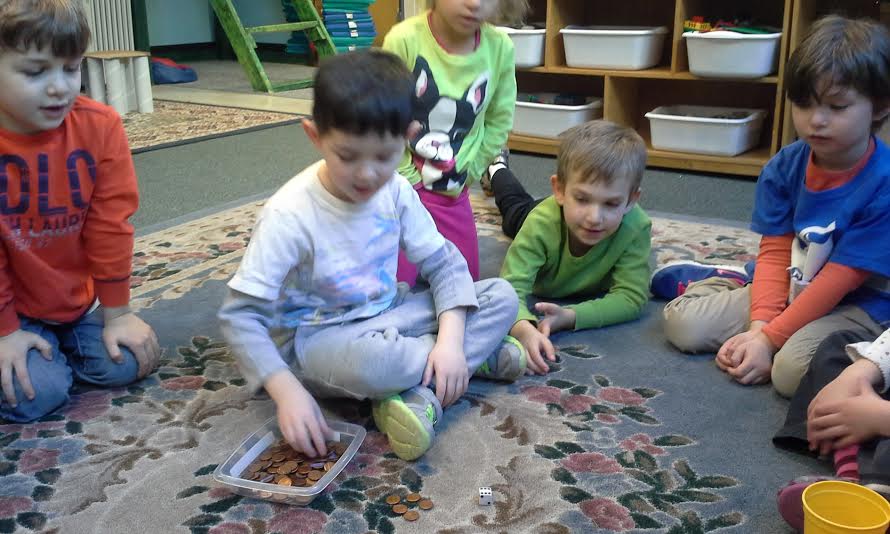
As we begin our unit on coins and their values, we were introduced to the penny. We learned that the man on the front of the penny is Abraham Lincoln, and that he was the 16th president of the United States. We discovered that the penny is worth one cent and practiced exploring its value through a new game called Make Ten. In pairs, each partner took turns rolling a dice cube and collecting the given number of pennies. The children continued rolling the cubes and collecting their pennies until they made ten cents.

make 10

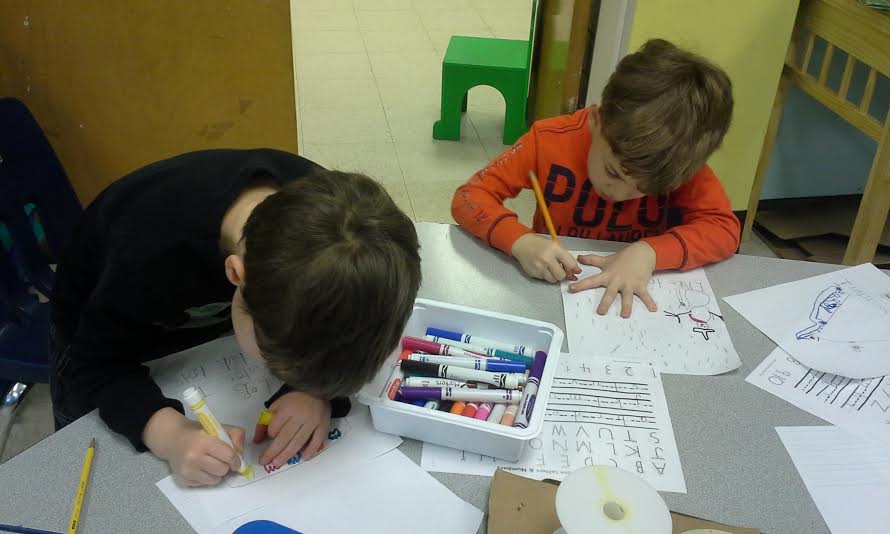
To help us practice proper number formation, we sorted through numbers 0-9 to determine which side of the paper to start writing our numbers on. Additionally, we are continuing to use our number formation rhymes:

Straight line down and then we’re done

That’s the way we make a one.

Around the track and back

choo choo!

That’s the way we make a two.

Around the tree

Around the tree

That’s the way we make a three.

Down and over

Down once more

That’s the way we make a four.

Back, down, around the hive

That’s the way we make a five.

Magic C then in you go

Now you’ve made a six you know!

Look across the park

Run down to Kevin

That’s the way we make a seven.

Make an S and then don’t wait

Go up again and make an eight.

Make a circle then a line

That’s the way you make a nine.

Straight line down then in with a grin

That’s the way you make a ten.

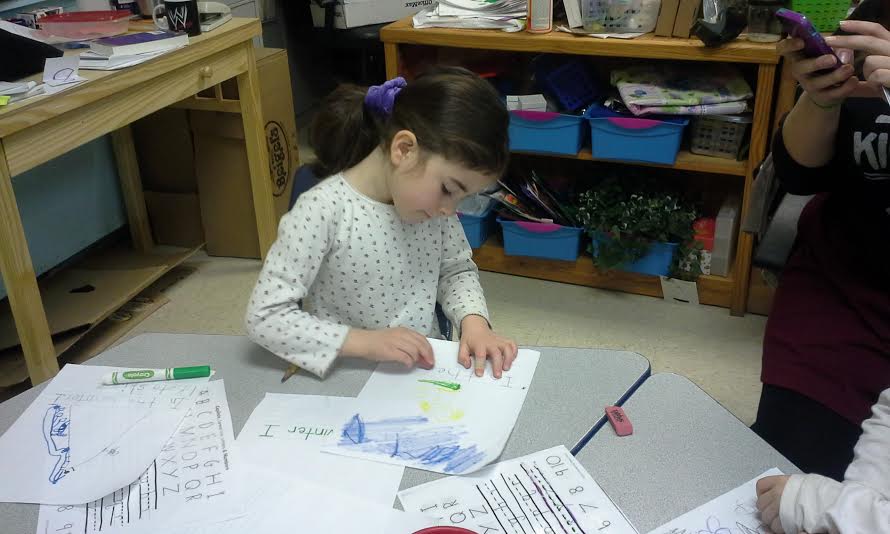
We also began our winter writing today! The children are looking forward to building snow people,  sledding, skiing, drinking hot chocolate, and more!

winter

winter 2