fbpx

Egypt, here we come!

image

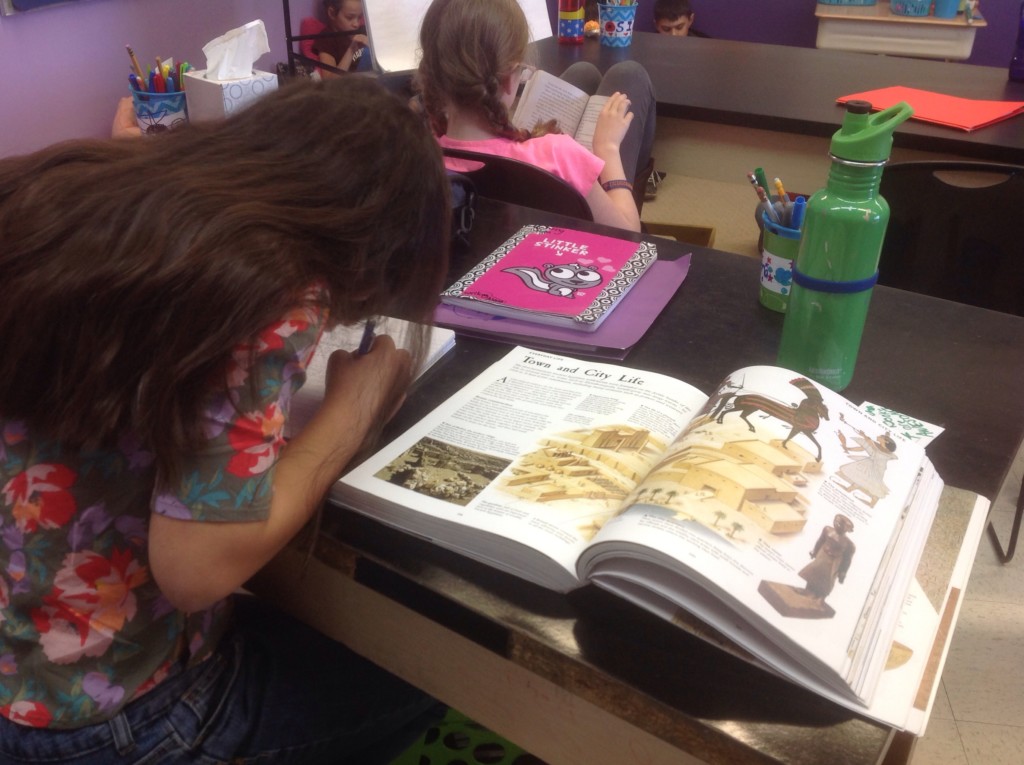
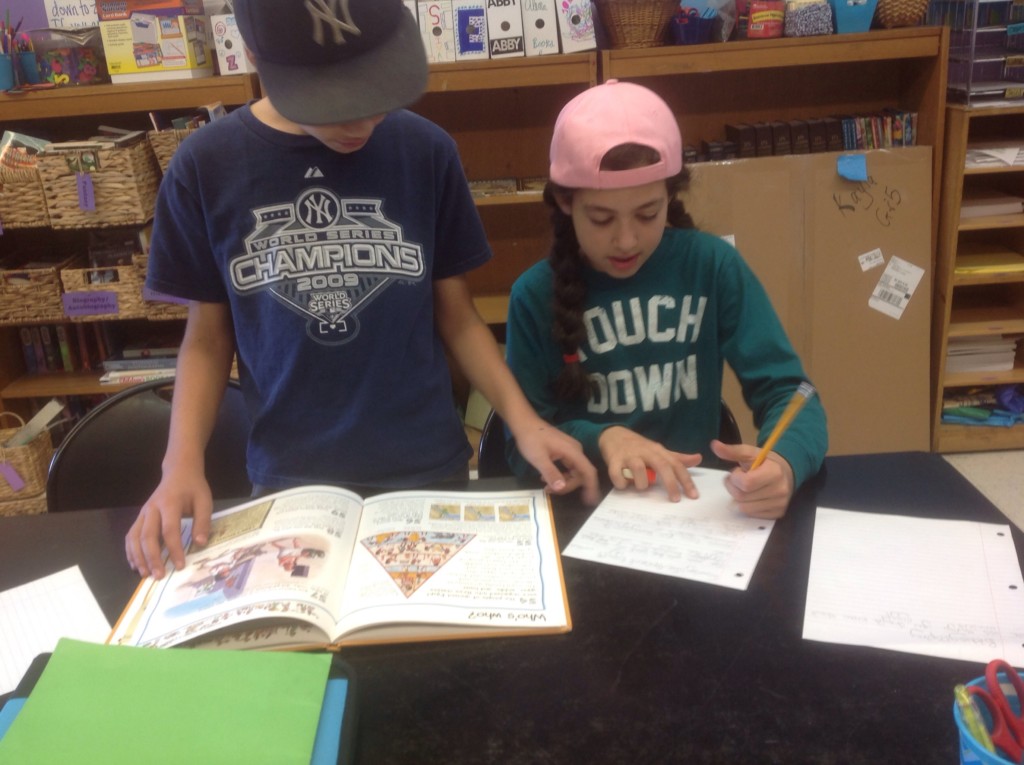
As they begin their studies into the first chapters of Exodus for the Humash (Torah) curriculum, the students will be researching different aspects of ancient Egyptian culture. In this way, they will be able to compare and contrast Israelite society with the Egyptian way of life and gain a deeper understanding as to why the Israelites did not assimilate into the larger, outside culture.  Each pair of students will researcimageh one facet and, through both a written and creative presentation, they will share the information that they have gathered with the rest of the class.  As you can see from the photos, even though the students just learned their partners today, they have already begun to research the information.  Look forward to hearing and seeing more about this in the coming weeks!


What’s the connection between hospitality and foot-washing?

image

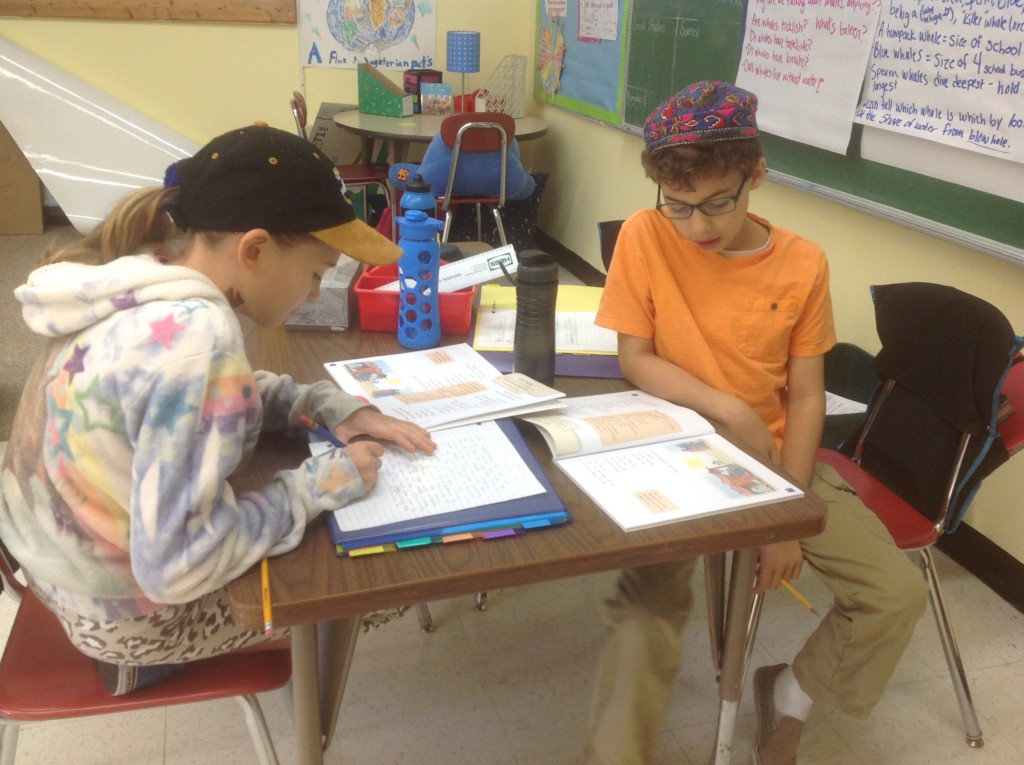
This week, the fourth graders began their exploration of Parshat Vayera (Genesis 18) as part of their Humash (Torah) curriculum.  We spent time learning how to work in hevruta (partnership pairs), within which one reads the verse, the other translates it and both write down the translation.  In the picture above, two students are working cooperatively as a hevruta.  At the end of each small section, the students then write down questions that they have about what they just read.  As part of this unit, we spent time talking about and exploring the different ways that one shows hospitality.  While it might seem strange that Abraham showed hospitality and welcomed guests by washing their feet, we connected it to how hot and tired the guests’ feet would be after walking in the desert.  Viewed from this perspective, his washing their feet was the ultimate act of welcome and of providing for his guests!


Too Jewish? Join the Conversation!

TJewish_BillBd_Mockup-page-001

“Do you like the Jewish preschool for your kids?” I asked.

“I love it!” he told me.

“Are you going to send them to Jewish Day School?” I asked again.

“No,” he told me, “too Jewish.”

His two simple words hit me like a ton of bricks. “Too Jewish.” Too Jewish to do what, exactly?

I have encountered the same sentiment over and over again. What does it mean for someone or something to be TOO Jewish? Each day, our students are learning to draw inspiration from our past to build a better future. We are working hard to shape thoughtful, successful, kind people committed to making the world a better place. We are deepening our identity while reaching out to others to appreciate what makes their cultures and religions beautiful. What is “too” about any of that?

This campaign is meant to challenge all the assumptions and preconceived notions that we carry around about Jewish day school. But more than that, this campaign is meant to engage each of us individually about what it means to be Jewish today. It is a challenge to check our assumptions and see one another as complex, intelligent, real people who share something special in common.

This is an open invitation to come meet and talk to your neighbors, regardless of their age, politics, or religious affiliation. We are holding a community meeting at the Brown RISD Hillel on Thursday, November 19th, at 7:00pm. This is not a lecture or a panel discussion, but an open dialogue with space to talk about whatever is on your mind or in your heart. It is an opportunity to talk, listen, and learn from one another. We hope you will join us.

If you are unable to attend, please join the conversation in the comments below. The Jewish tradition encourages us to engage in dialogue and discussion, and we benefit from the inclusion of many voices and perspectives.

5 Senses at Foster Farm

DSCN0200

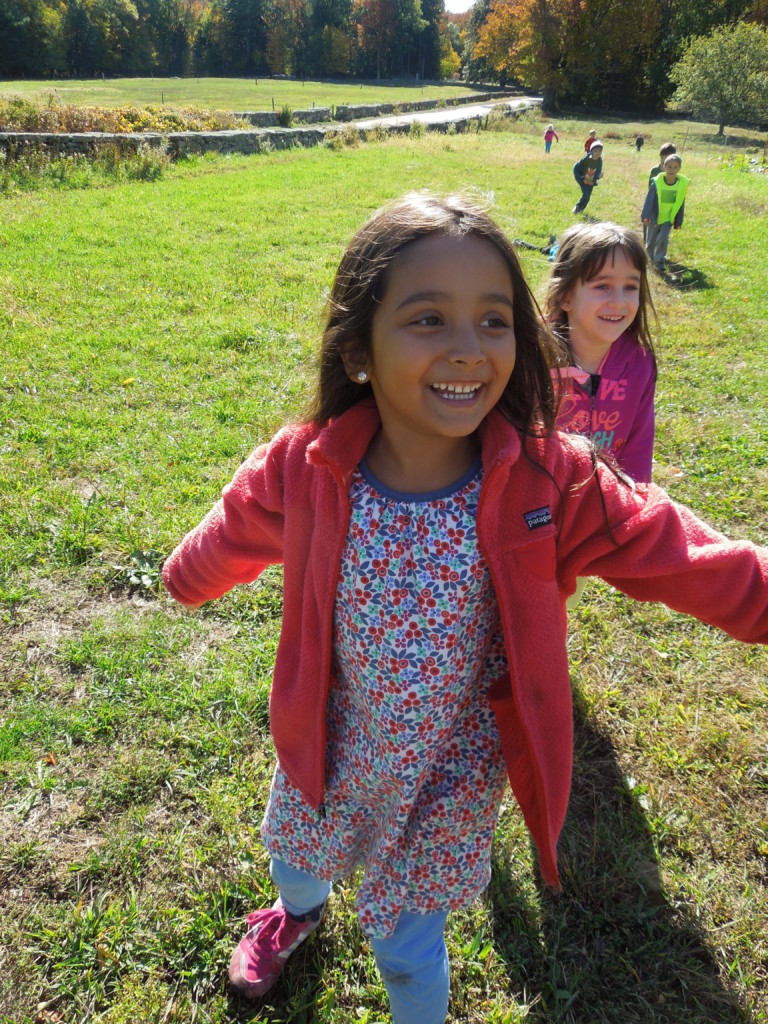
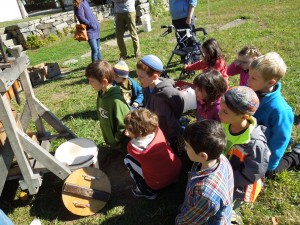
The Kindergarten class visited Paine Farm for an exploration of the five senses. We began the day by sitting on a wall, and cuddling and petting bunnies. Next, everyone got to ride a pony named “Mr. Ed.” Then, we were off to make apple cider. Each child dropped 4-5 apples into a press, watching the fruit separate into juice and mush. Later, everyone tasted the fresh cider. Last, we visited some Japanese chestnut trees that were garnished with large-green-spiny–burr-protected chestnuts. Compared to the velvety fur of the rabbits, the interlocking masses of thatched spines that covered each nut-bearing burr were untouchable. The children used tongs to collect the burr-covered chestnuts, while the smooth and sturdy chestnuts already open and on the ground were collected by hand. What better place than a fall farm in Foster to exercise one’s senses and to feel free?

DSCN0179   DSCN0033


My Class is the Four Species of Sukkot

I mean this as an expression of how meaningful and beautiful they are to me.

Before every lesson I think to myself: what will I find today? As every teacher, I hope that they will: be well behaved all the time, give 100% participation all day from everyone, understand the curriculum the first time, and of course always be focused on the lesson’s theme only, with zero distractions during 45 minutes. Wake Up! NOT gonna happen!! The reason is because each one of my students is unique, like the four plants of Sukkot, and together they make our classroom interesting and lively. That’s the beauty in diversity. So every day I aim for the best, but I also try not to forget to enjoy the journey with them.      – Sivan Amon

Sending our Love over the Sea

In the spirit of Rosh Hashanah, the time to wish our beloveds a good and a better year than the last one, I have asked my kids (in my class) to make wishing cards . Only this year we will add something new: this time not only are we going to write wishing cards for our families and friends, but also to kids in Israel. The moment I mentioned Israel and the fact that those cards will be read by Israeli kids, my class couldn’t stop asking me questions – they were super excited about it, but also very interested in the whole process. It has really warmed my heart to see such a great love and strong sense of bonding toward Israel – kids have endless love to give and we can all learn from them.     – Sivan Amon

“Turn it and turn it for all is within it”

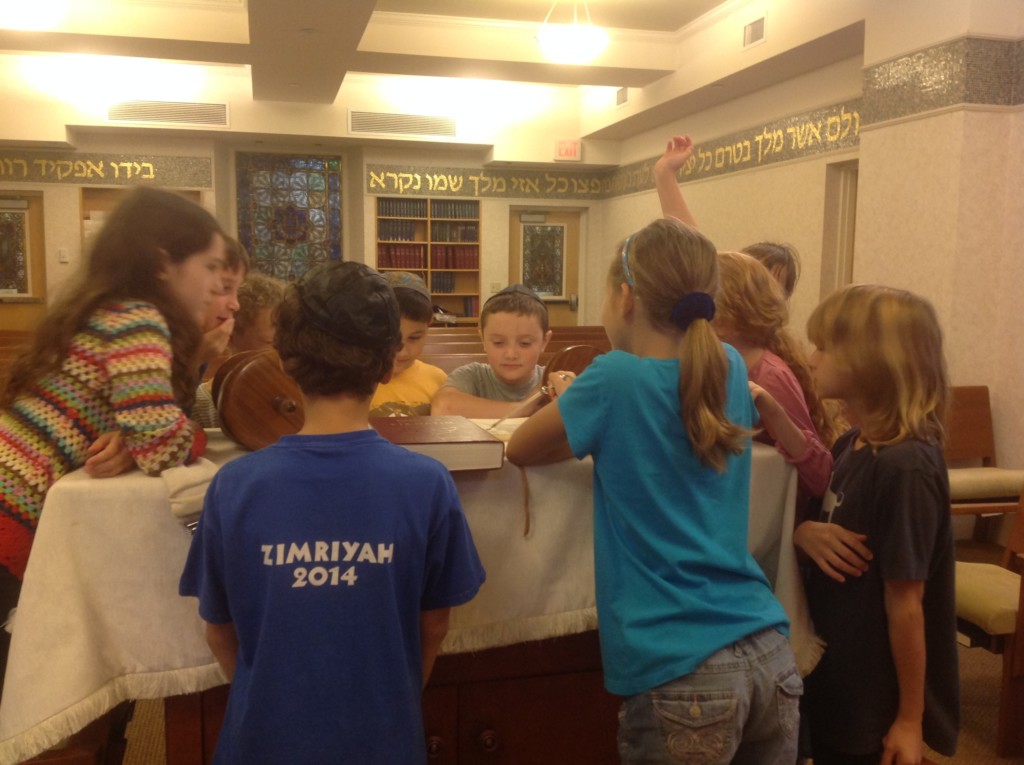
imageThe fourth graders loved learning that there is a rabbi whose name is Rabbi ben Bag Bag!  He is known for a famous quote that relates to studying Torah, which begins with the phrase: “Turn it and turn for everything is in it.  Study it, delve into it…”  The students talked about this statement and we learned that Torah can mean a number of different things:  the actual scroll of Torah, the 5 books of Moses, or all of Jewish learning and text can also be considered as ‘Torah.’  We then visited the chapel and looked at the actual Torah scroll, and it was gratifying to watch the students as they picked out words and read them.

We also studied a midrash this week that connects the four species of the lulav to different parts of a person’s body.  Each student or pair of students then developed their own ideas.

Grace:  “Arava (the willow) is a smile because it is always important to look on the bright side and have a good attitude.”

Griffin and Tessa: “Hadas (the myrtle) are blood cells because they keep you alive and connect to all parts of the body.”

Kelila and Sophia: “Arava (the willow) is like arms because we need arms to hug people.”

Ezra and Aviv: “Etrog is like the life cycle because it is round and can sometimes look like a baby’s head.”

Aviva: “Etrog is like a brain so that you can think of good deeds to do.”

Eitan and Ram: “Hadas (the myrtle) is like feet so you can move around the beautiful world.”

What parts of the body do the four species represent to you?

Shabbat shalom & Moadi l’simcha (joyous holiday),

Rabbi Gouze

Design Lab: Constraints Drive Creativity

In Design Lab, we know what it’s like to be creative. We also know that constraints drive creativity. This means that when we have a limited amount of resources and time, we have to be extra creative in utilizing what we have. Additionally, the mantra “fail fast, forward” drives us to learn from what may not have been so successful, and to move onto bigger and better things.

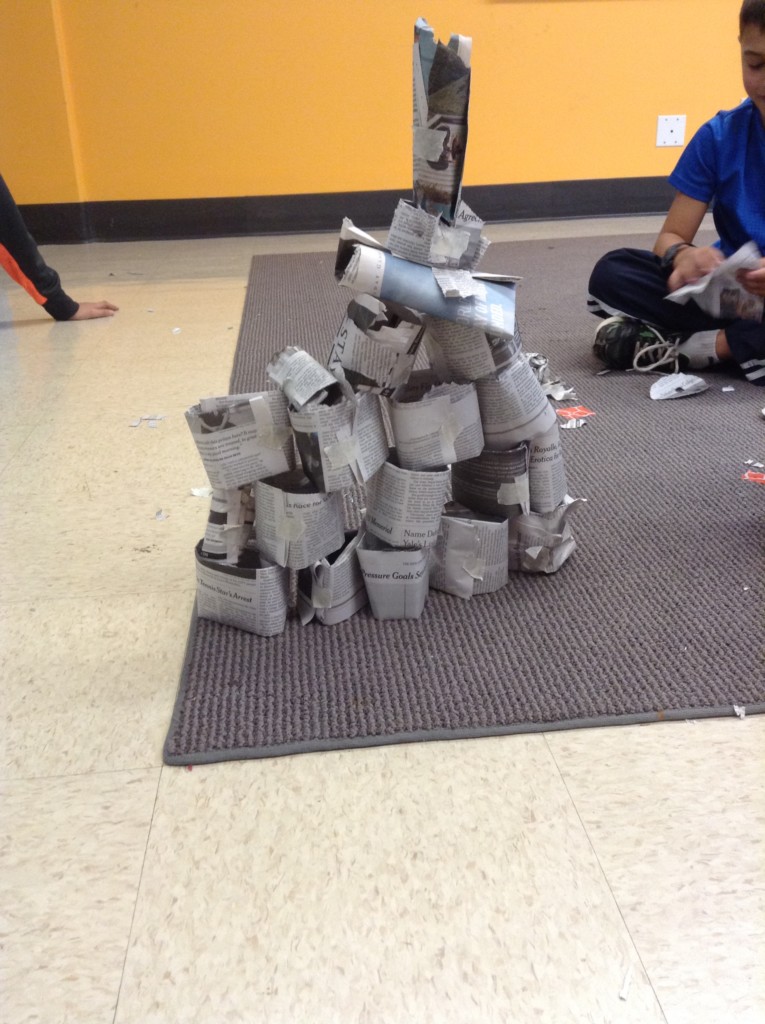
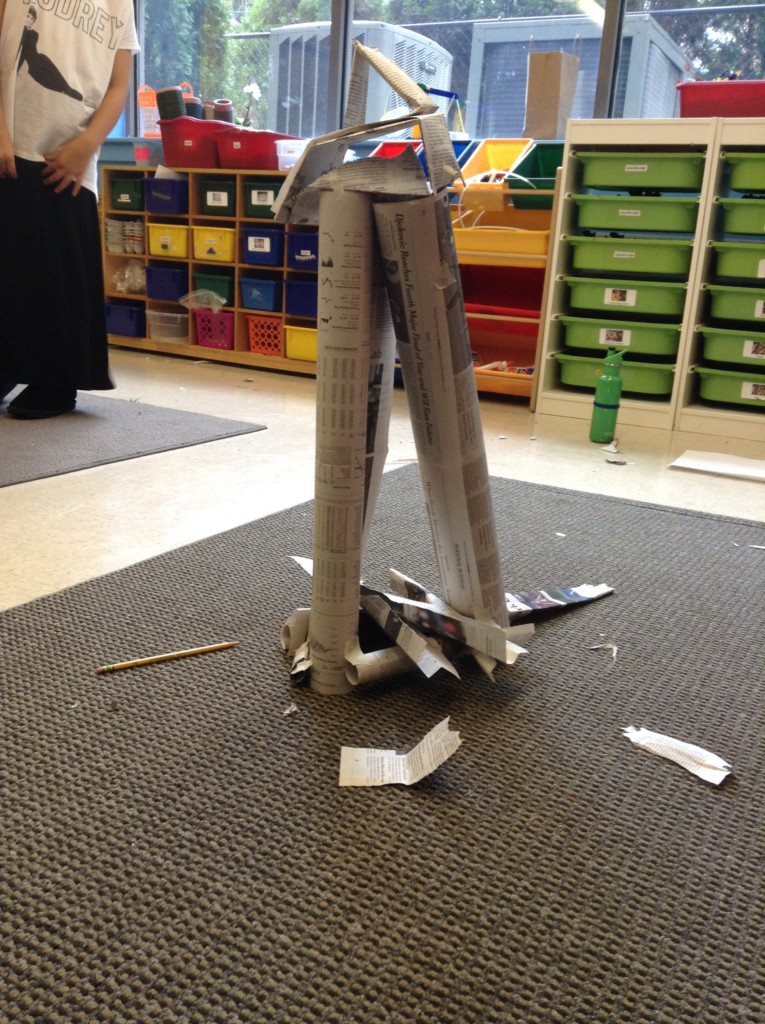
Today in Design Lab grades 3-5 worked together in small groups to make towers out of newspaper. While they were able to use a very small amount of tape, newspaper was the primary material that students could use. By working together, students were able to brainstorm and implement their ideas cooperatively. You might be surprised to learn that they were able to make some amazing, creative, and innovative free standing structures out of the otherwise very flimsy material. “All the tape in the world” may have created more successful structures… but look what we made!

IMG_0027

IMG_0029

Pondering a Pond

image

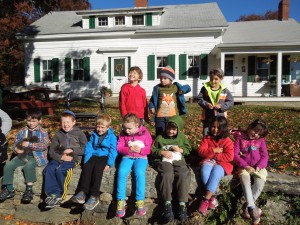
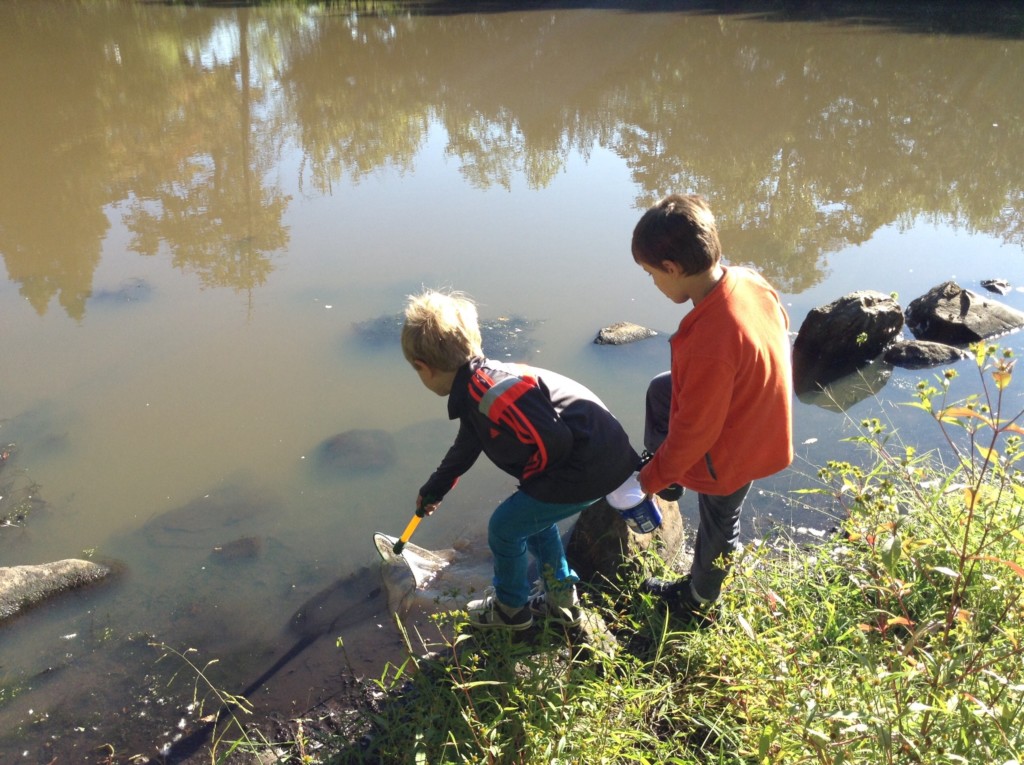
As summer lingered beautifully, our Kindergarten class took advantage of the great weather by exploring a local pond. For the trip, we put on our scientist hats and observed and wondered about the life around us. We used our 5 senses to notice many interesting things. This week we especially focused on using our eyes and ears. We heard and saw many birds, for example. We saw frogs jumping in the water. We heard acorns plopping on the ground from the trees. From our observations we began asking questions. Some of our wonderings included:

“Why are the frogs out everyday and when it’s winter what will the frogs do?”

“Why are the white flowers next to the bench so small?”

In our class, we embrace curiosity and we are excited to have more adventures outdoors, as we explore the pond throughout the year.

New Rituals for Forgiveness

image

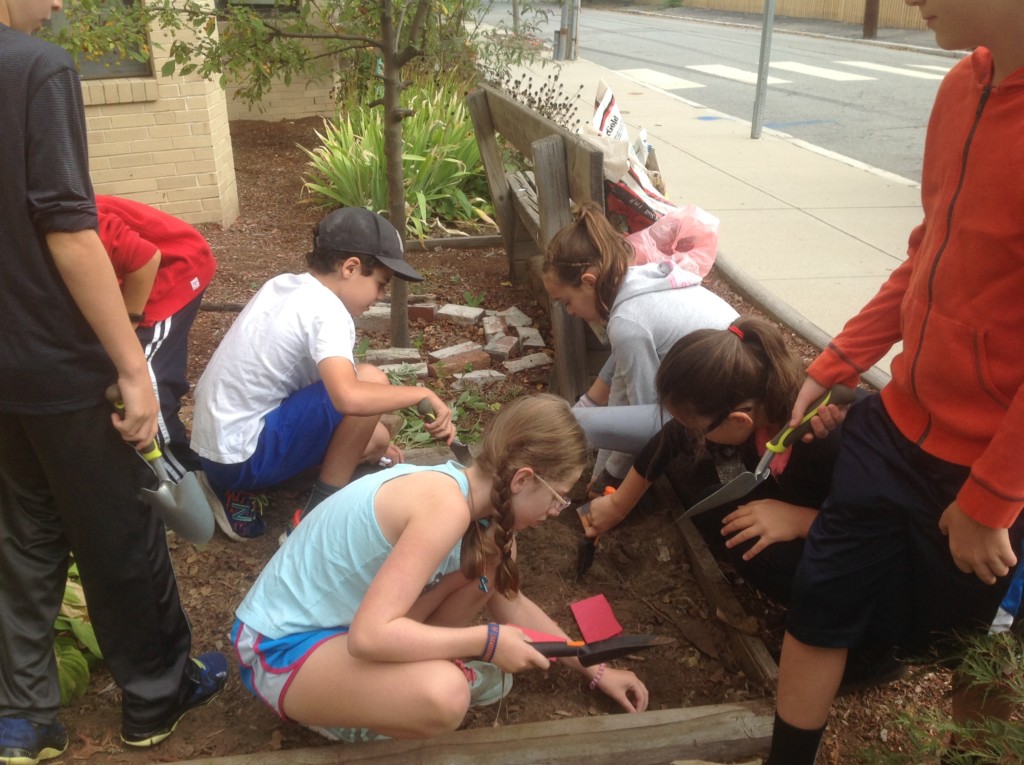
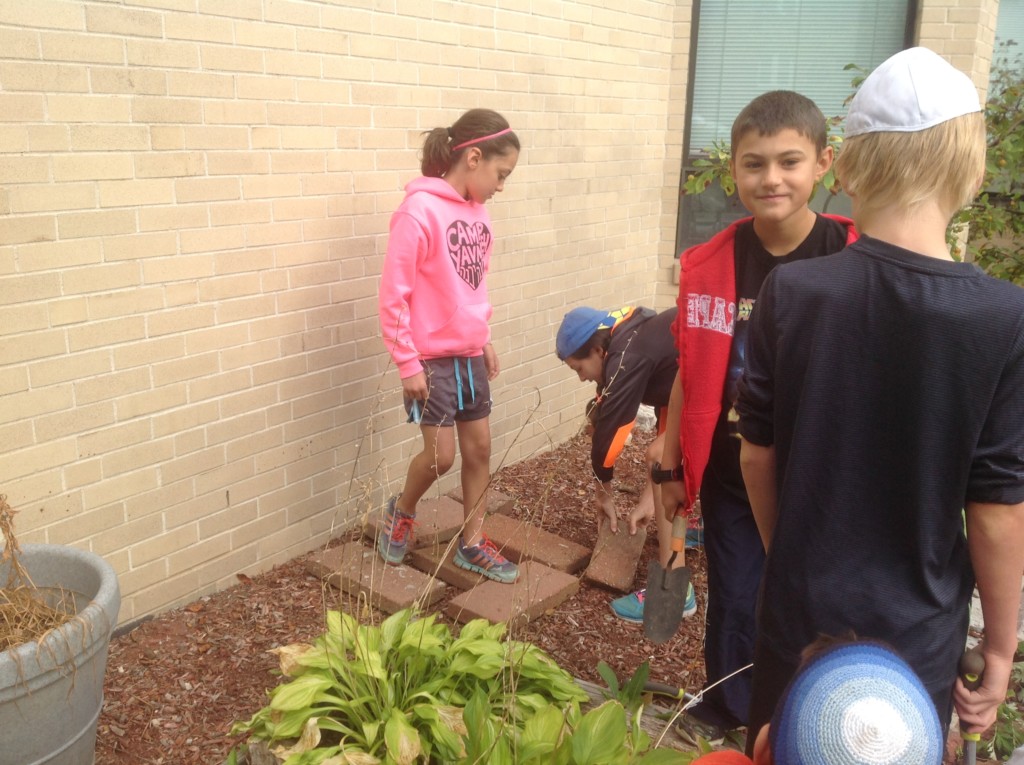
The fifth grade class has spent a lot of time looking at the types of wrongdoings listed in the ‘Al Het’ prayer, which is prayed during Yom Kippur. We noticed that a quite a number focus on communication (ask your child what percentage of wrongdoings are connected to our speech!). We also explored the idea that one can sin against God, against another and against oneself.  As part of this, the students asked forgiveness by writing letters to each of these. They planned on giving the letters to the others, but the question arose as to what to do with the letters to God. After some discussion, we decided that it would be a meaningful ritual to bury the notes and then plant bulbs on top of them. In that way, something positive can grow out of a negative action, and we are giving back to God by planting beautiful flowers.  In these pictures, the students are planting either their tulip or daffodil bulb.

image