fbpx

The Emperor Penguins of Antarctica

037 034

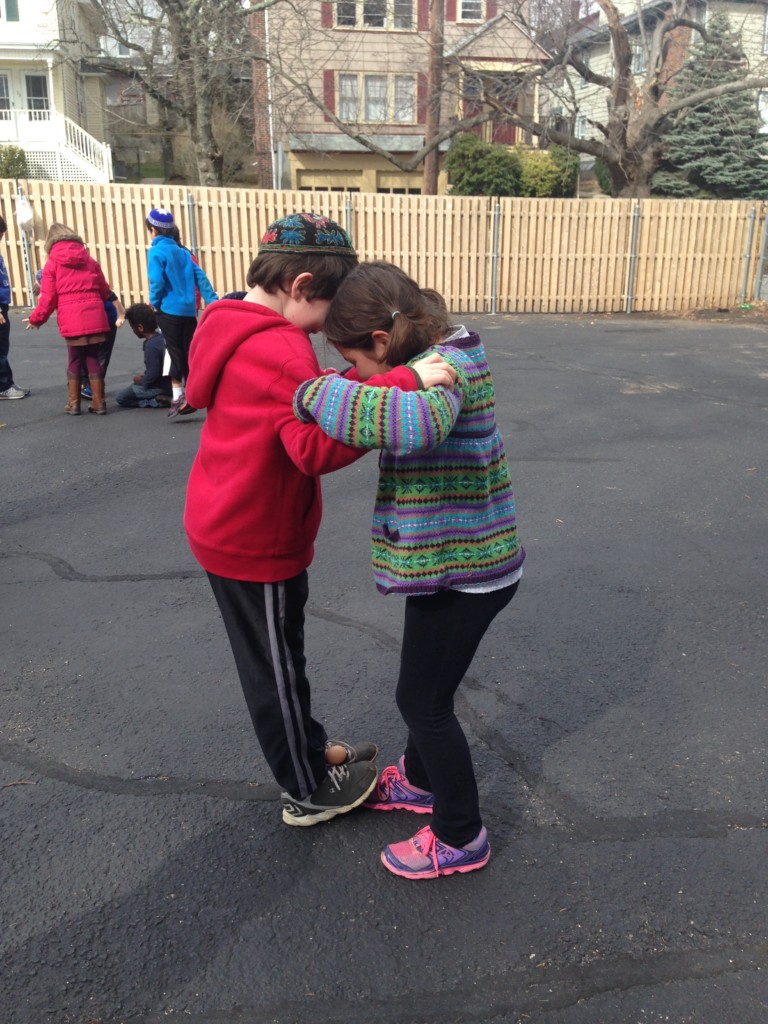
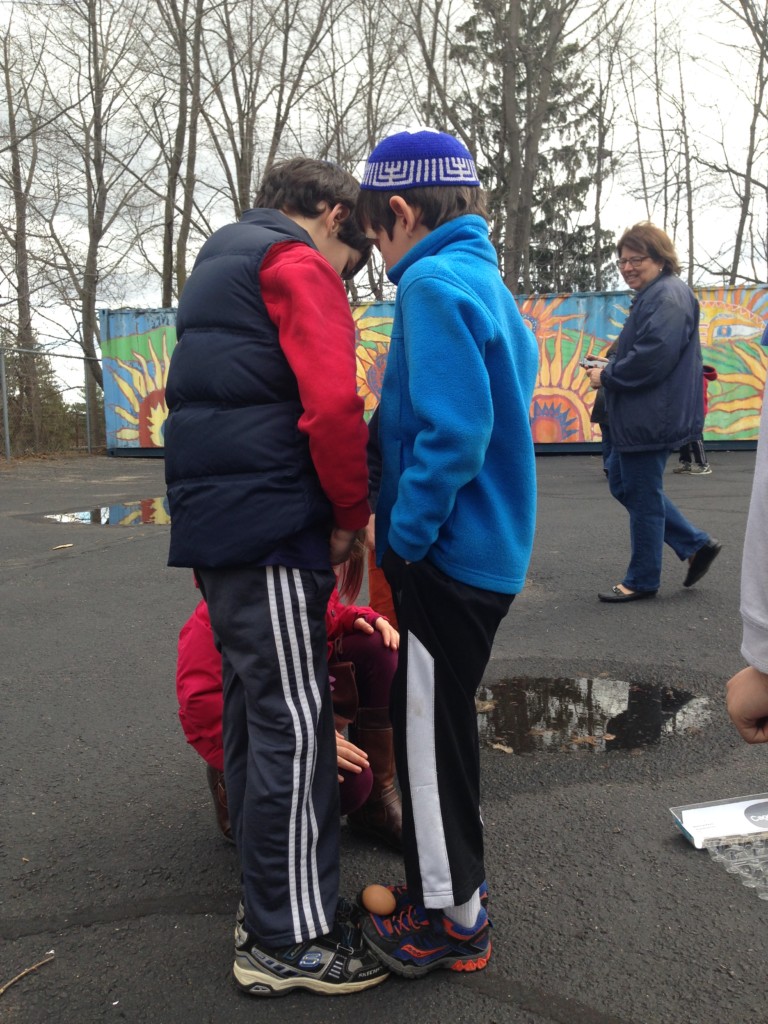
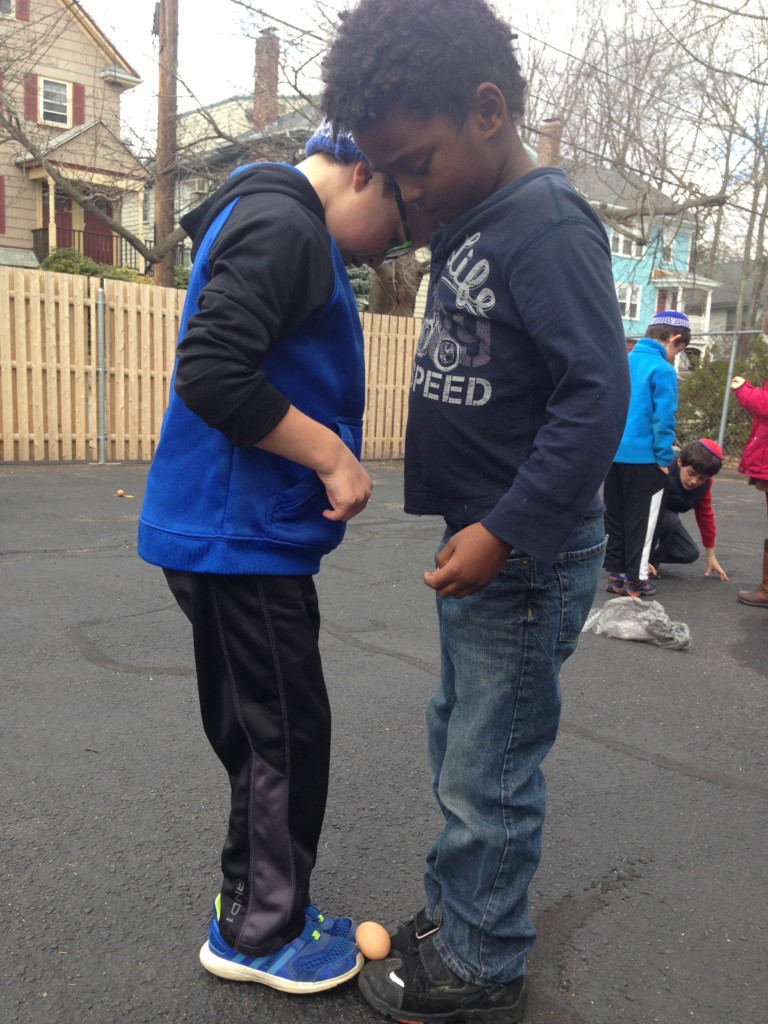
Our little Emperor penguins of JCDSRI had the opportunity to experience how challenging it is for the female penguins to transfer 038their eggs to the male penguins in the COLD and BITTER Antarctica winds.

As part of our thematic unit, students learned that these flightless birds breed in the winter. After a courtship of several weeks, a female emperor penguin lays one single egg then leaves. Each penguin father balances the egg on his feet and covers it with his brood pouch. There the males stand, for about 65 days, through icy temperatures, cruel winds, and blinding storms.


STEAM Week in 3rd Grade

For third grade, STEAM week was an exciting time! We had many exciting workshops, from superhero animals to math magic. But STEAM reached into our every day math, reading, and writing in the class. Inspired by our favorite read aloud, Poppy by Avi, our class had an interest in owls. One of the main characters, Mr. Ocax, was a great horned owl and the things he was able to do were fascinating. So we embarked on a research project to learn more about these fascinating animals.

We started by learning about the different adaptations owls have, such as being able to turn their heads almost completely arphoto 1ound. Small groups researched a specific owl to find out more about the amazing adaptations they have. We discovered they are perfect hunters, and made posters to demonstrate our knowledge. We will be collaborating with the second grade to teach them about our findings.

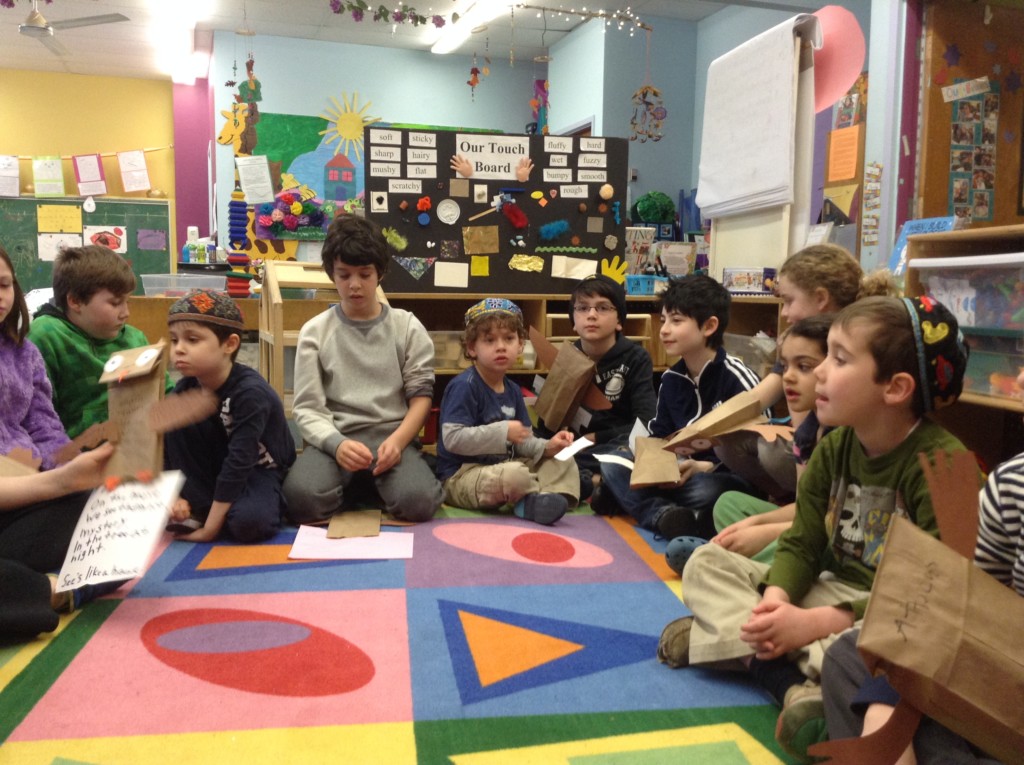
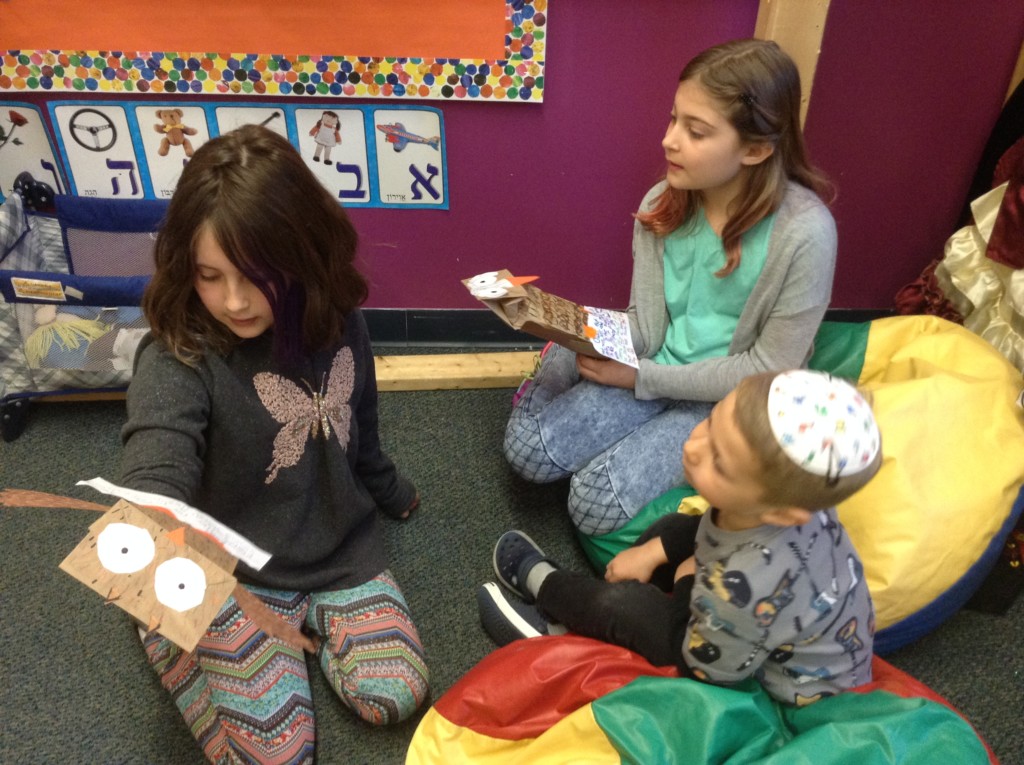
Next we wrote poetry about owls. We used facts we found and studied other poems to get an idea for our own poems. We made these extra special by placing them on paper bag owls we made. We then uphoto 4 (1)sed our paper bag owl puppets to teach Pre-K all about owls. This turned into drawing owls, making owl perches out of blocks, and showing the Pre-K how owls hunt using the stuffed animals in the room!

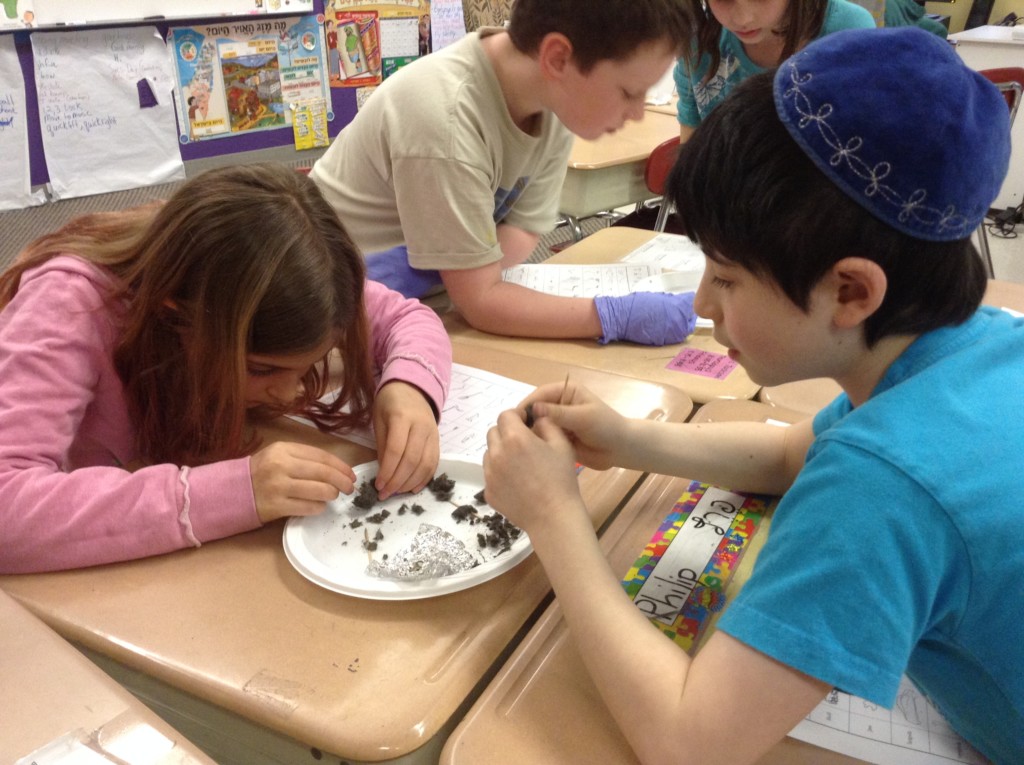
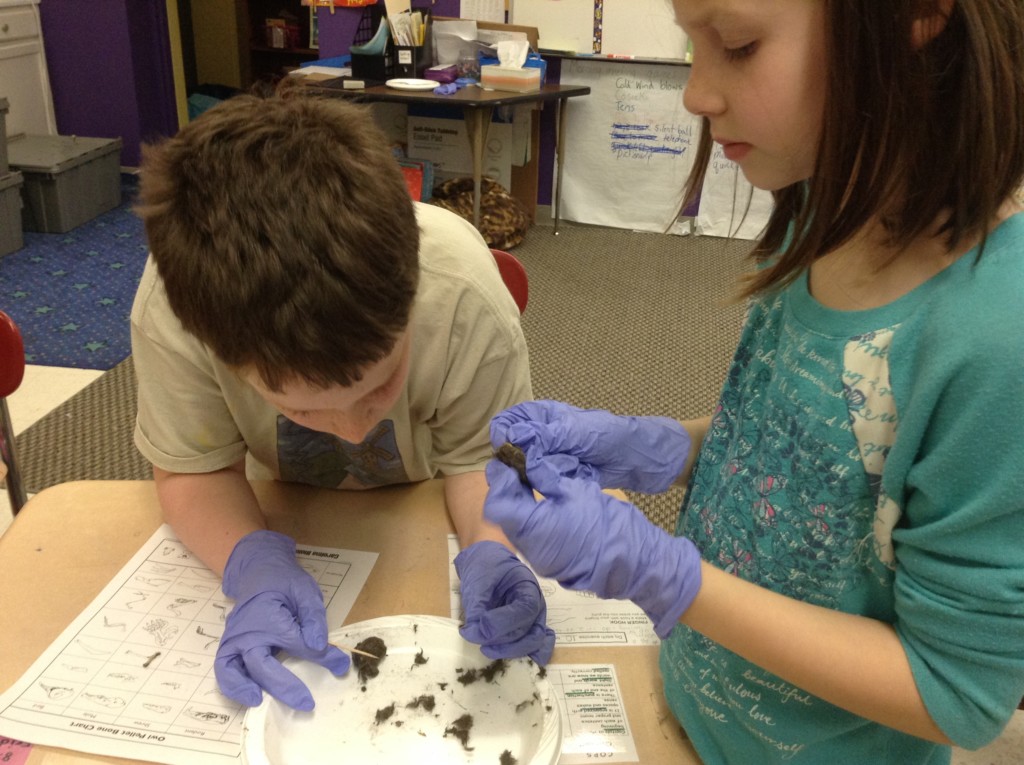
Lastly, and in my opinion the most fun, we dissected owl pellets. Even though it seemed gross to many, everyone dug in, and found skulls, leg bones, and teeth! We reconstructed skeletons of their unfortunate victims to display.

photo 4

photo 2

We learned new Hebrew letters!

The main goal of our Hebrew classes for the last two weeks was to introduce the letters zayin and tet.

When we introduced the letter tet, we noticed that the sound of the letter tet is the same sound as the letter tav.  We agreed that it’s a little bit confusing but as the children said, “even in English we have the letter ‘c’ that sometimes sounds like the letter ‘k’.”

Students are able to recognize the letter zayin in the words Zebra and Zachal (caterpillar), and the letter tet in the words Talit, Tavas (peacock), Telephone and Tractor.

We had a wonderful time learning about these two letters. For the letter zayin we read the story  “HaZachal Haraev”  (The Hungry Caterpillar). We were so excited to read this familiar story in Hebrew because we recognized so many words!

We then introduced the words  Zeh (“this is,” masculine) and  Zot (“this is,” feminine), and for the letter tet we learned the words Tov  (“good,” masculine) and Tova (“good,” feminine”). This is a very complicated and sophisticated concept, and we will continue practicing these words. We also learned the verb Zocher (remember) and practiced making sentences!

For the letter zayin we had a great time turning the letter into the head of a Zebra and the letter tet into a Talit and Tavas (peacock). These projects will  be part of our special book that will be coming home at the end of the year.

Finally we practiced writing these new letters with sand and chalk!

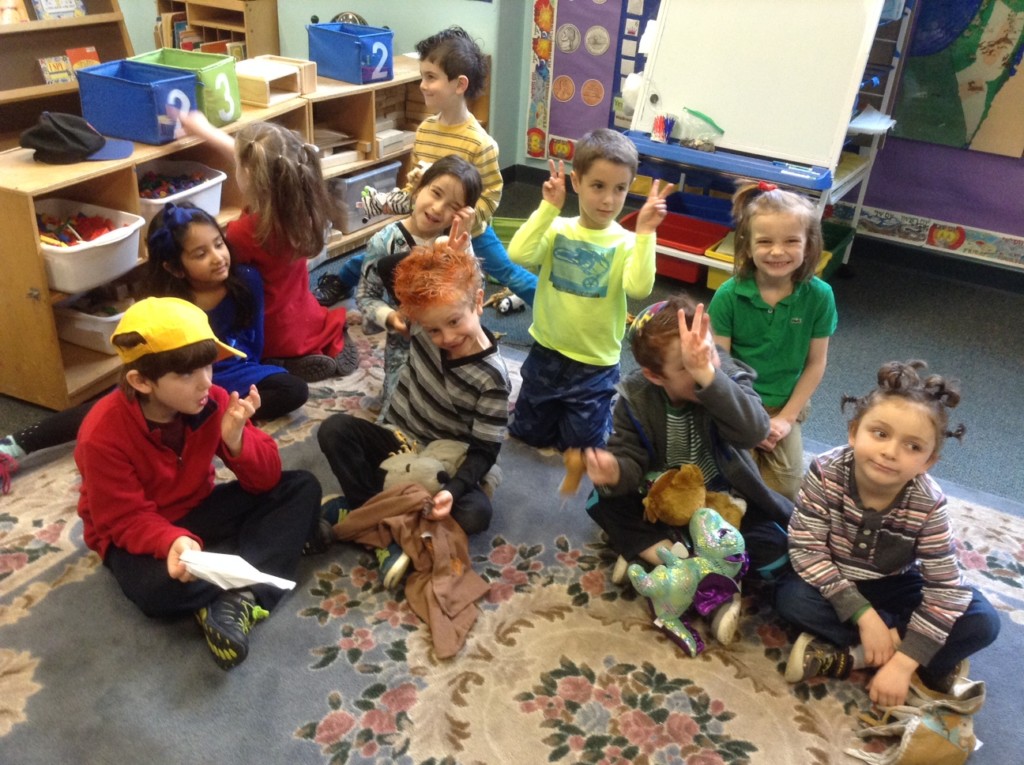
We have also had fun getting ready to celebrate Purim! We’ve heard and told the story, and talked about the four mitzvot of Purim. We will also be making hamantaschen to celebrate the holiday. We’ve been sure to practice being silly for Adar by wearing fun hats and hairstyles.
IMG_1736

As always, it is such a pleasure to learn with and from your children.


Are Artists Designers?

Even when we have “free build” in design lab, we design for a reason. We have to think: who did I design for? What problem am I trying to fix? What does my creation do? Why did I choose it? Where will it be used?

During a lively discussion about different types of designers, some fourth graders were thinking about whether artists are designers. What does it mean to be a designer? Students came to the conclusion that designers usually aim to solve a problem. So, what problem do artists solve? Eitan responded, “Artists solve the problem of not enough beauty.”

Students at JCDSRI are thoughtful and curious about how they can impact the world.

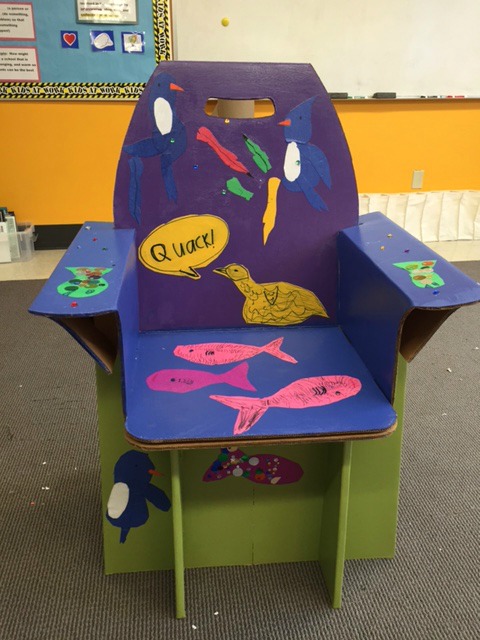
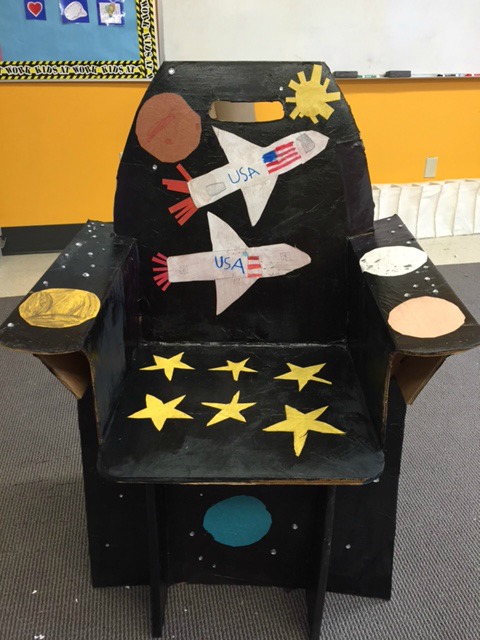
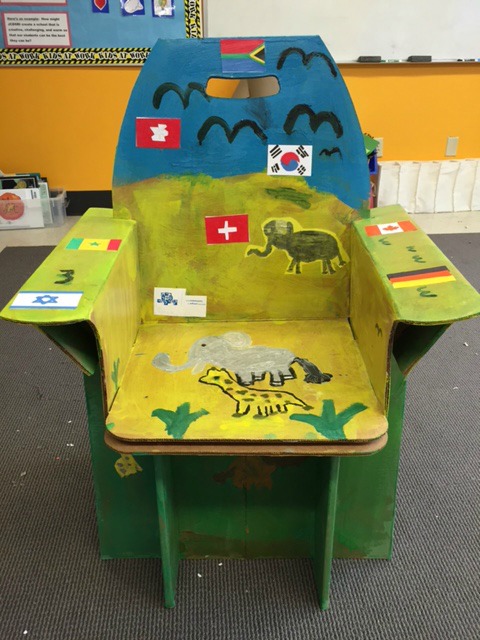
An example of the ability of the young designers and artists at JCDSRI is shown in a recent design challenge. In making cardboard chairs come to life, students were given the design challenge: “How might we design these (very plain) cardboard chairs so that they display our unique quaIMG_6820lities as humans and demonstrate our learning outcomes from this year?” Below are some photos or the chairs that bring more beauty to the world, straight from the hands of young designers.

IMG_6818  IMG_6819

Third Grade Students Produce Music Video

Our Third Graders produced this wonderful music video highlighting the 5 times table. We applaud their enthusiasm and creativity! Their teacher, Kareesh Bour, also left them a special surprise message at the end of the video (with a little help from her son!), so you may want to watch through to the very end.

[su_vimeo url=”https://vimeo.com/158481664″]

STEAM WEEK……in second grade

STEAM Week

In the second grade we:128

  • celebrated STEAM week and experimented ALL WEEK with science, technology, engineering, art, and math 🙂
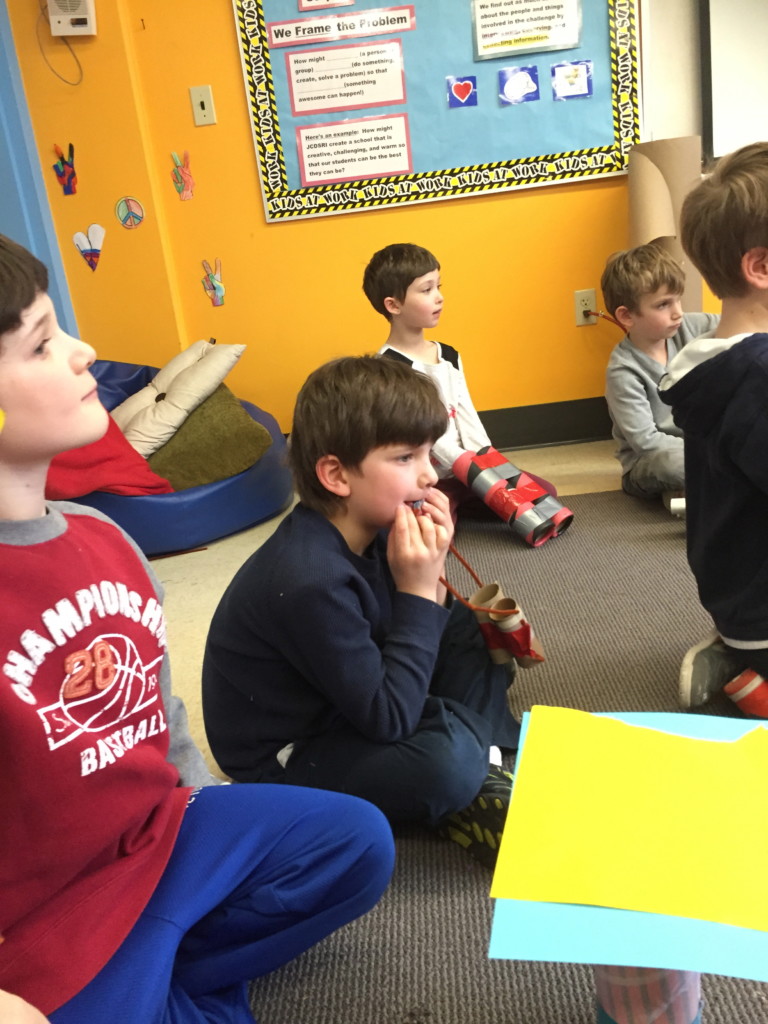
  • constructed and observed toys that spin.
  • explored and described some of the variables that influence the spinning of objects.
  • observed and compared rolling systems with different-size wheels.
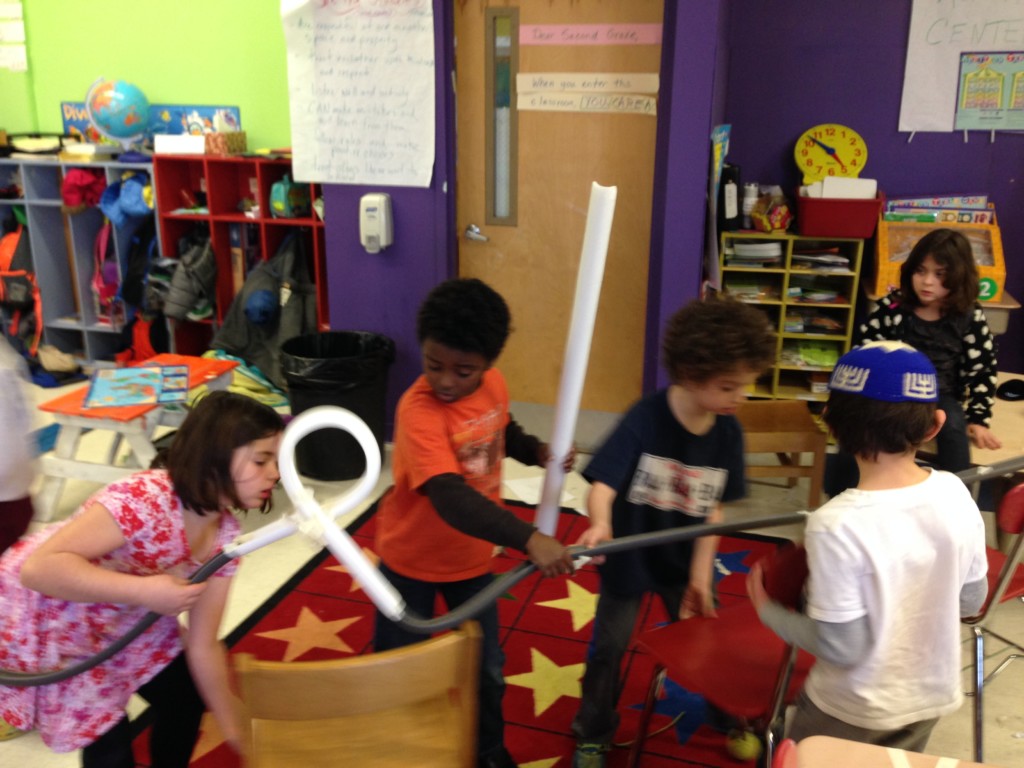
  • explored and described the motion of rolling spheres and made homemade roller coasters inside the classroom125.
  • learned about how animals enhance their senses to adapt to their environment and designed and constructed our own “animal power” invention!
  • made musical instruments with everyday items such as; cups, elastics, spoons, H2O, paperclips etc.
  • learned about Antarctica and  the different kinds of Penguins that live ther122e.  We also began researching our penguin of choice.121
  • designed and painted an “international” chair made of cardboard.

We have had a great STEAM week and will continue to implement STEAM activities every day in the second grade!


A STEAMy week in First Grade

What a sensational week we had in First grade last week!

Gravity and Sir Isaac Newton’s 3 laws of motion were the theme of our jam-packed week.

The highlight of the week was a special visit from my dear friend Janna Kaplan. She presented a IMG_7437marvelous lesson based on her determination to be an astronaut even though she was female and a Russian Jewish Refusenick. Her life story is fascinating and the work she does as the head of the Zero Gravity Laboratory at Brandeis is inspirational. She was very impressed with our students and asked me to post this:

The kids were beyond amazing. I’m not just saying it because they were cute (they are!). The level of their knowledge and understanding of spaceflight was definitely above grade level! The discussions we had during my presentation, the quality of their questions, and just the avalanche of questions they “pelleted” me with, were all unmistakable signs of that. So were their genuine interest in spaceflight and their ability to sustain attention during a fairly long event (I think it lasted more than one hour!). At the end of the lecture, I want you to know how deeply impressed I was. As a parent myself of (now adult) Jewish day school kids, I know how important it is for parents to know that their kids are actively interested in topics of science and exploration. It is from those curious children that we get our best scientists.

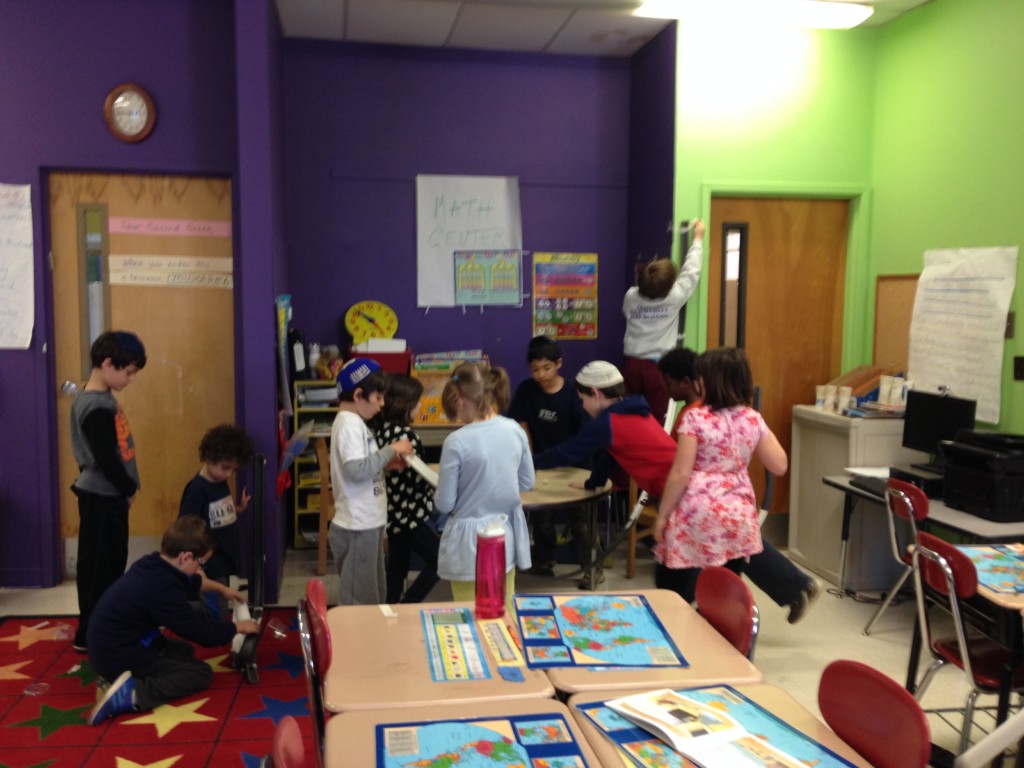
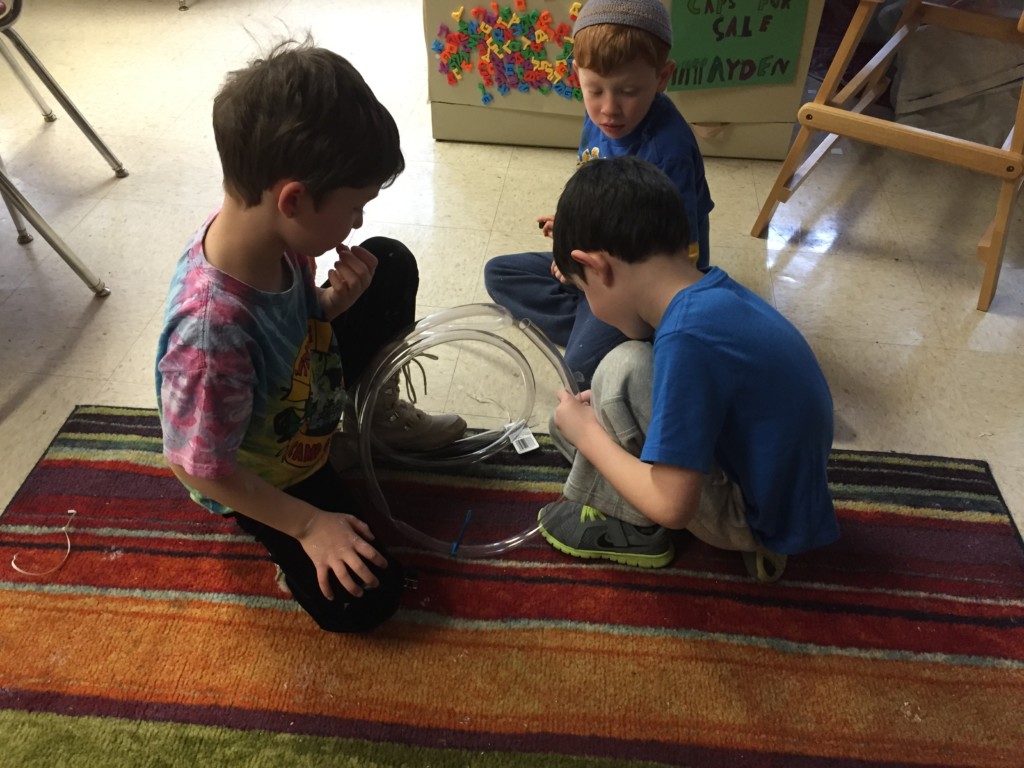
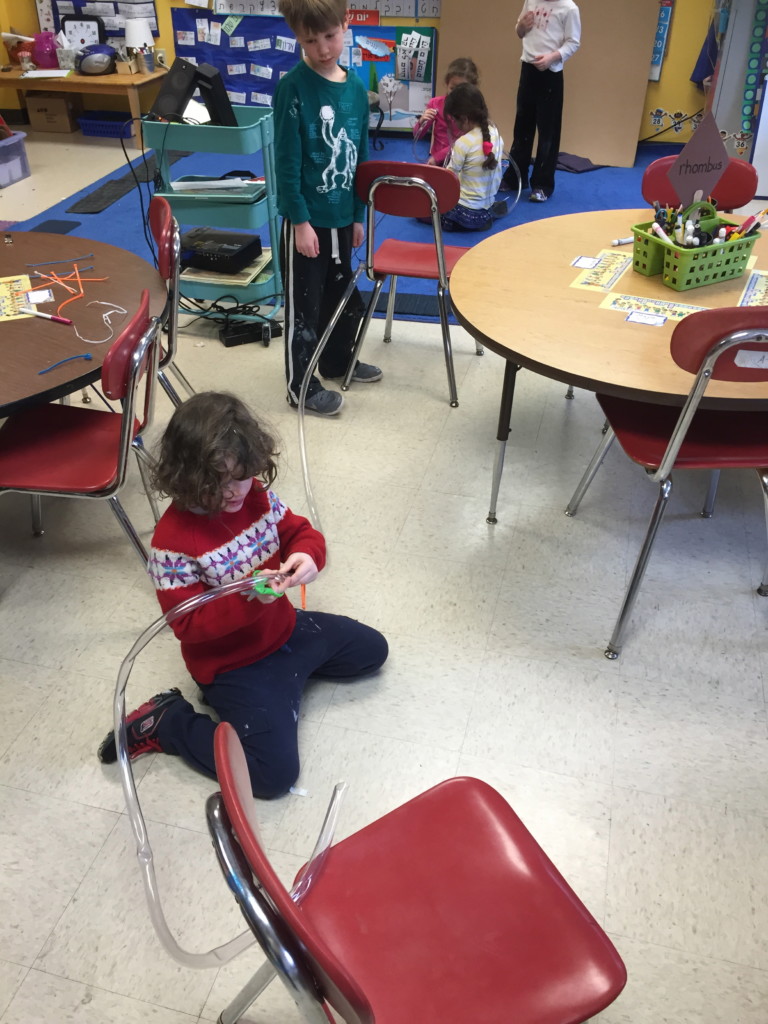
CheIMG_7408ck out some of the amazing photos from last week, when we also celebrated 100 days of school and tested out the 3 laws of motion by attempting to make marble runs from plastic tubing and marbles…..


IMG_7409 IMG_7411


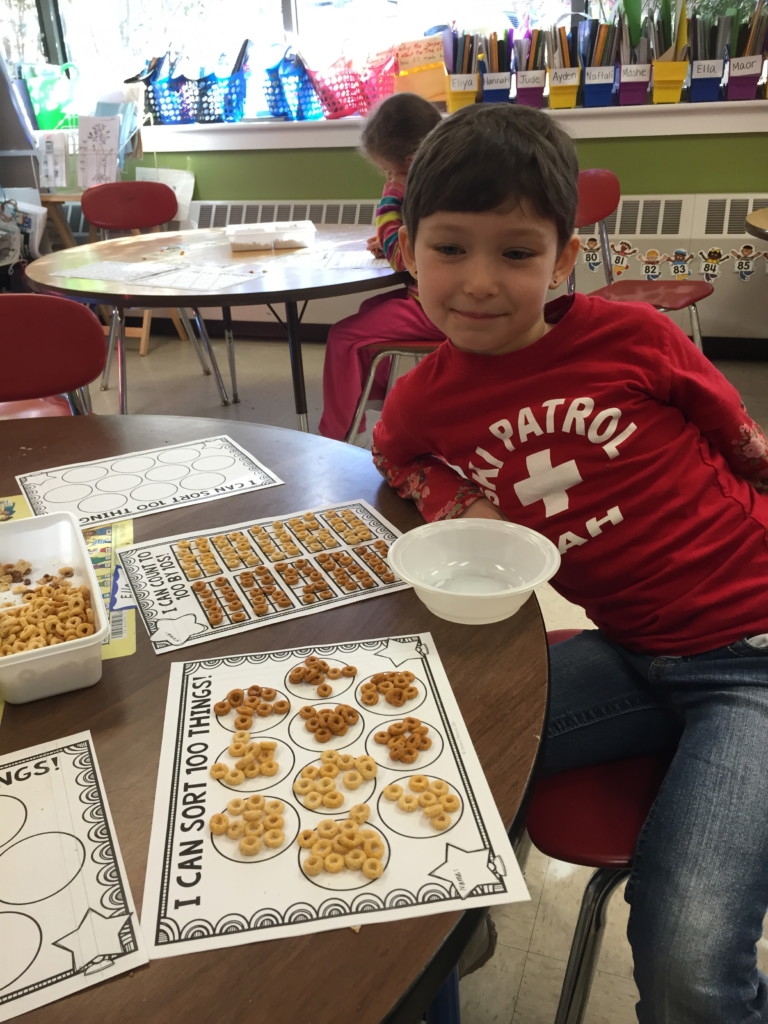
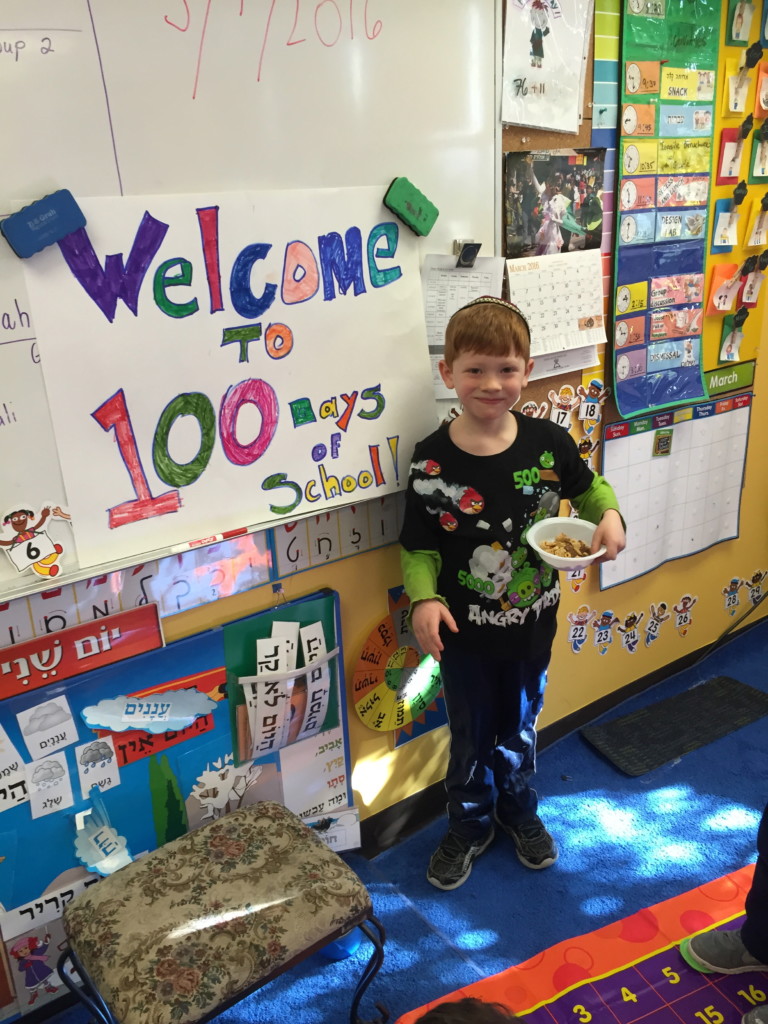
We celebrated 100 days of School last week with an assortment of hands-on activities!


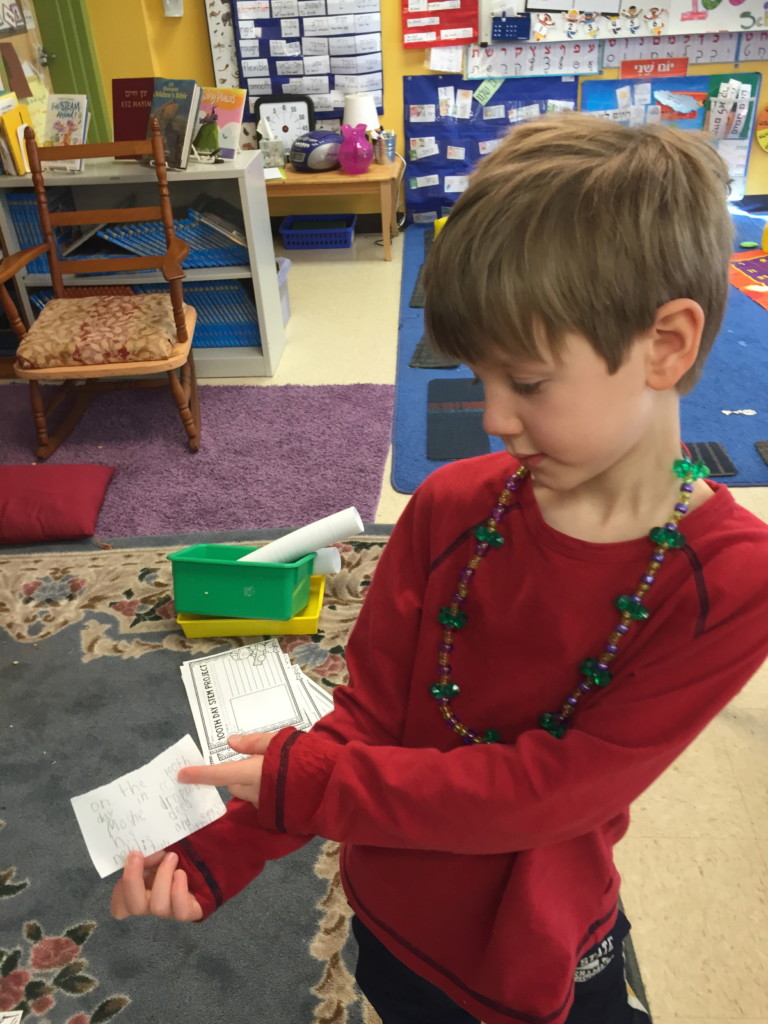
We made 100 bead necklaces…

IMG_7423

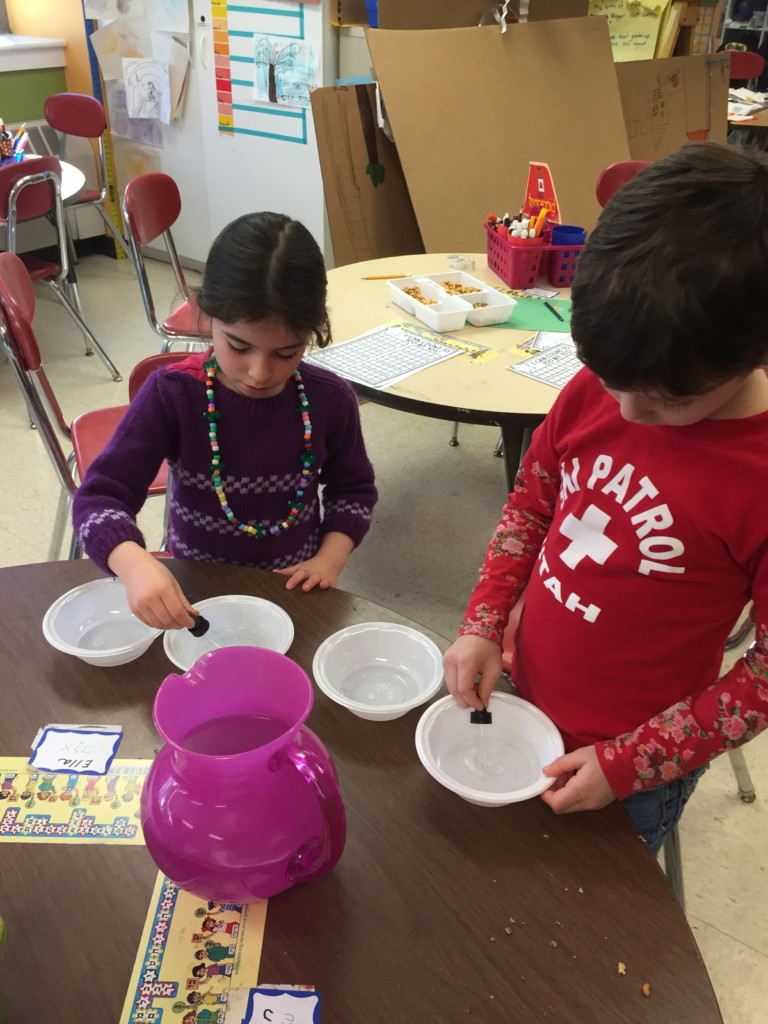
and found out what does 100 drops of water looks like…


IMG_7427

and the number 100 popped up in a note about kindness!


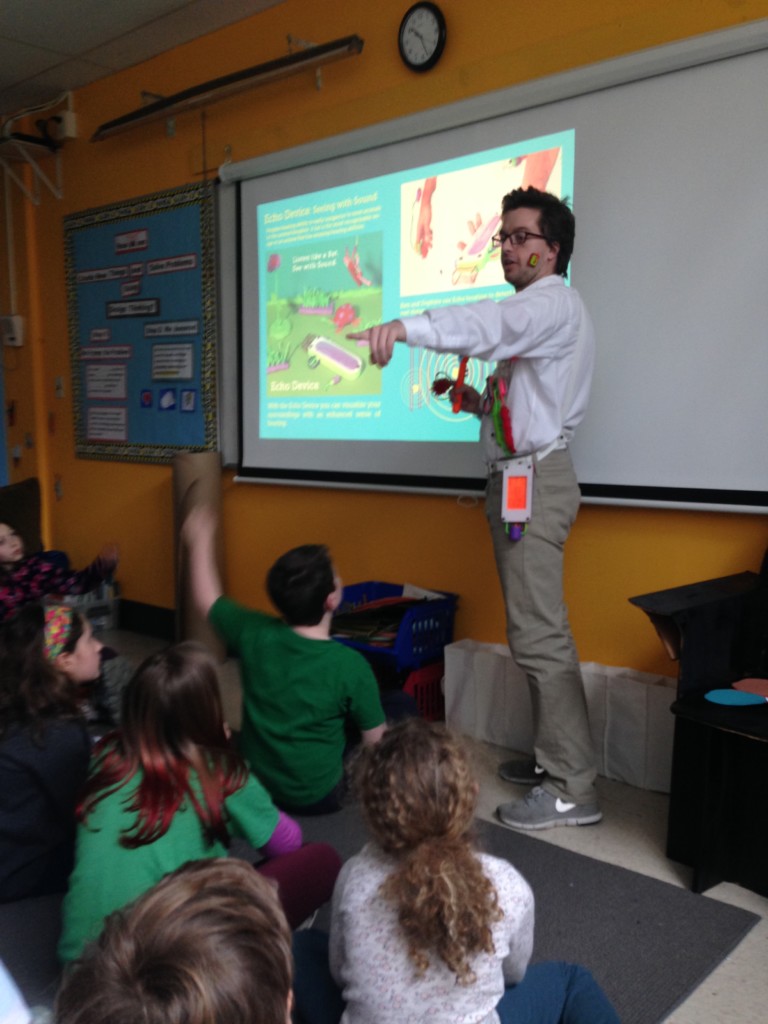
Our STEAM RISD/Brown Liaison, Anthony gave a fantastic workshop about animals adaptations that amplified oIMG_7440ne of the senses.

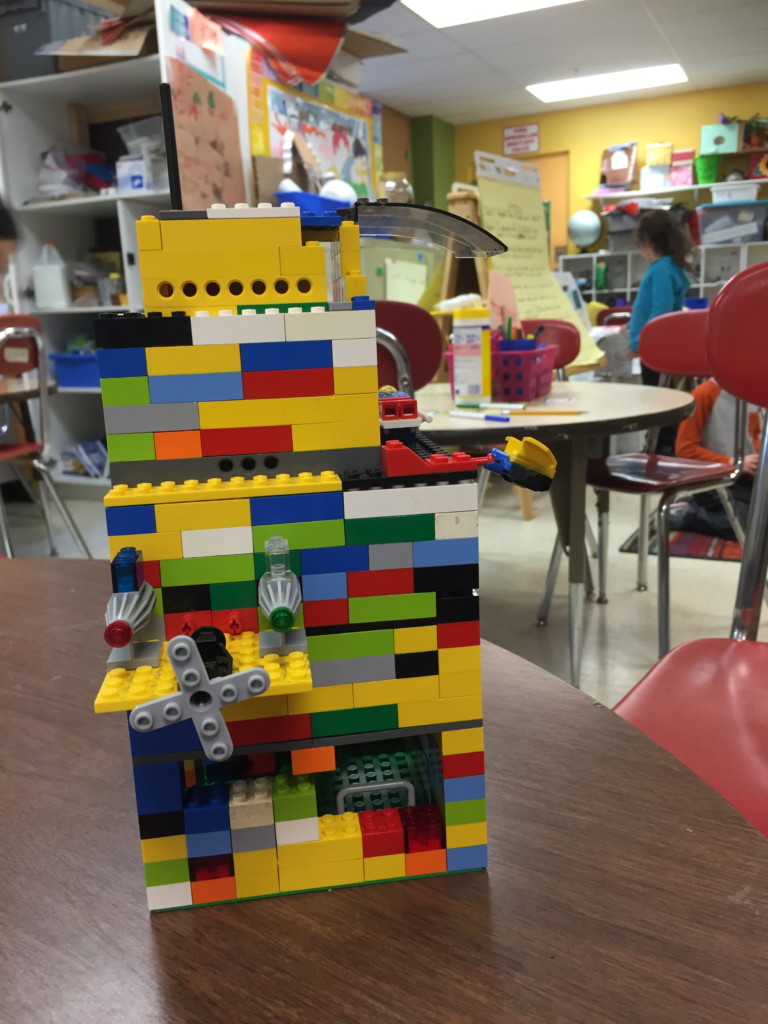
IMG_7441Above is a STEAM-inspired Lego creation.


Full STEAM Ahead

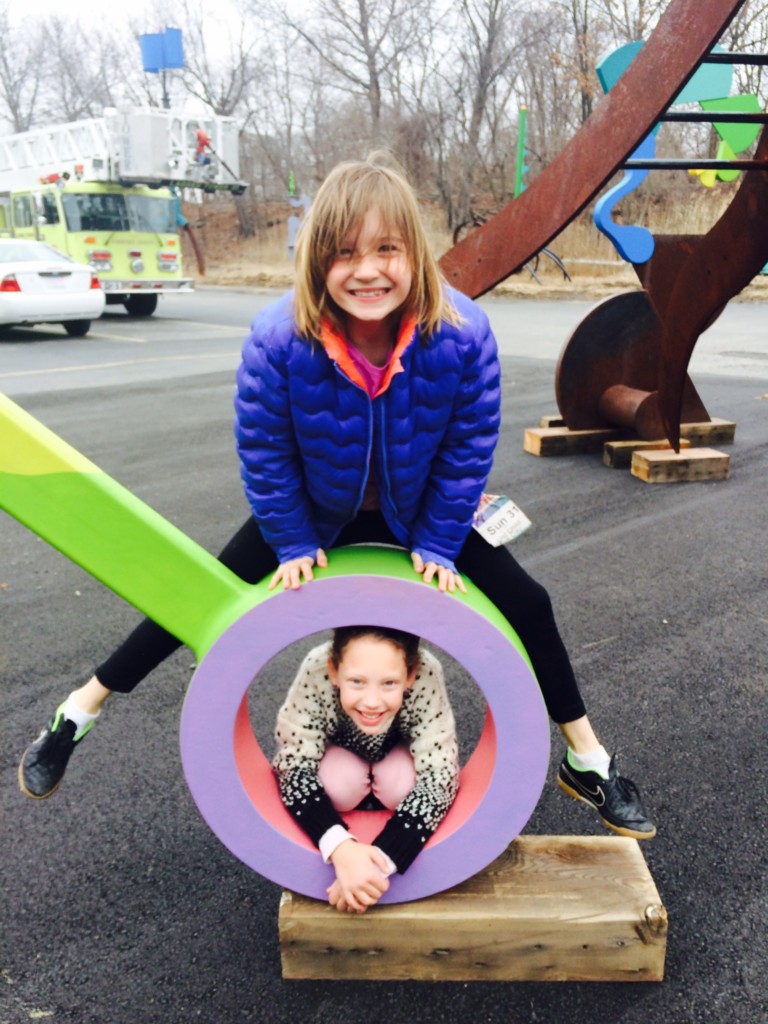
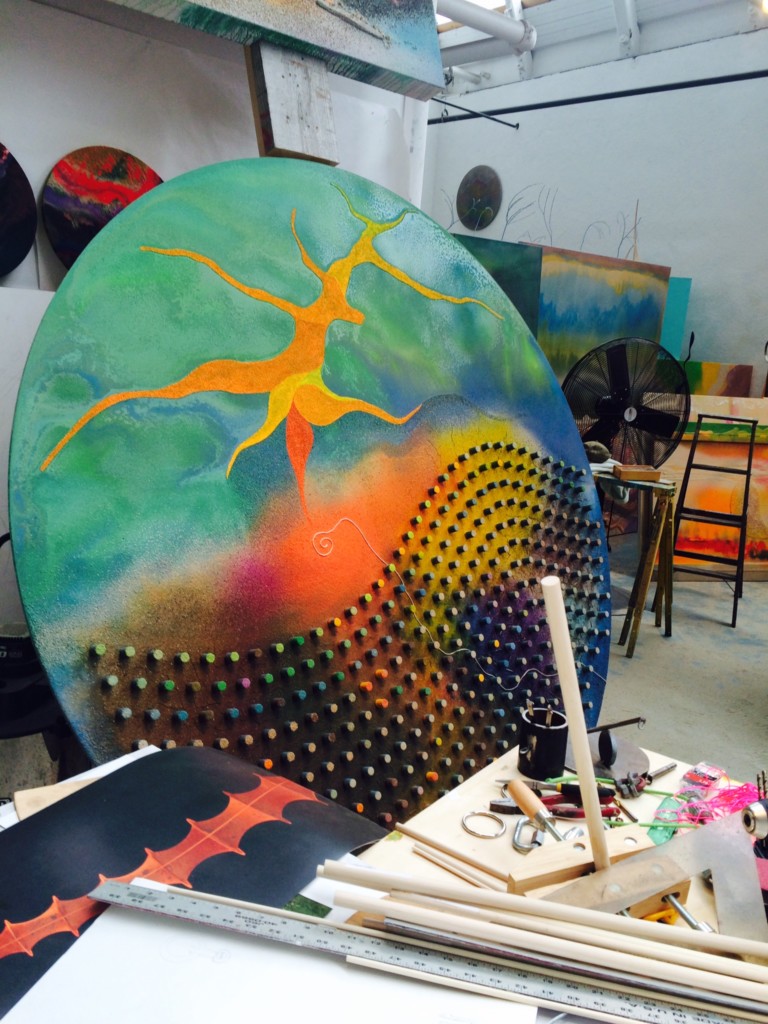
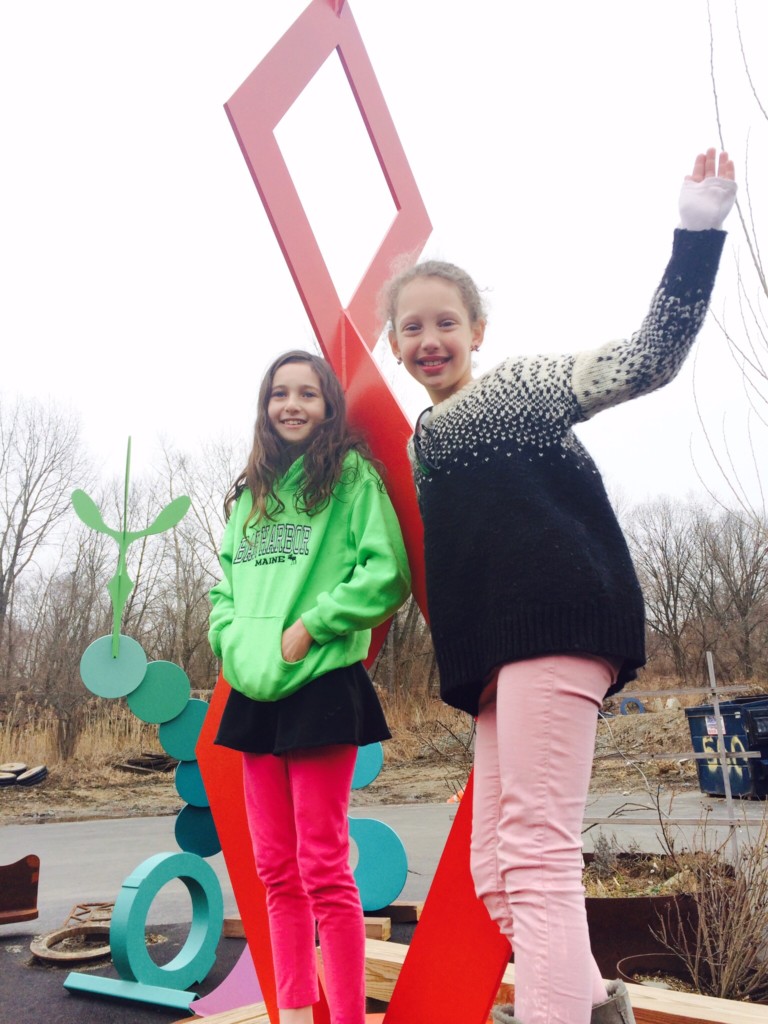
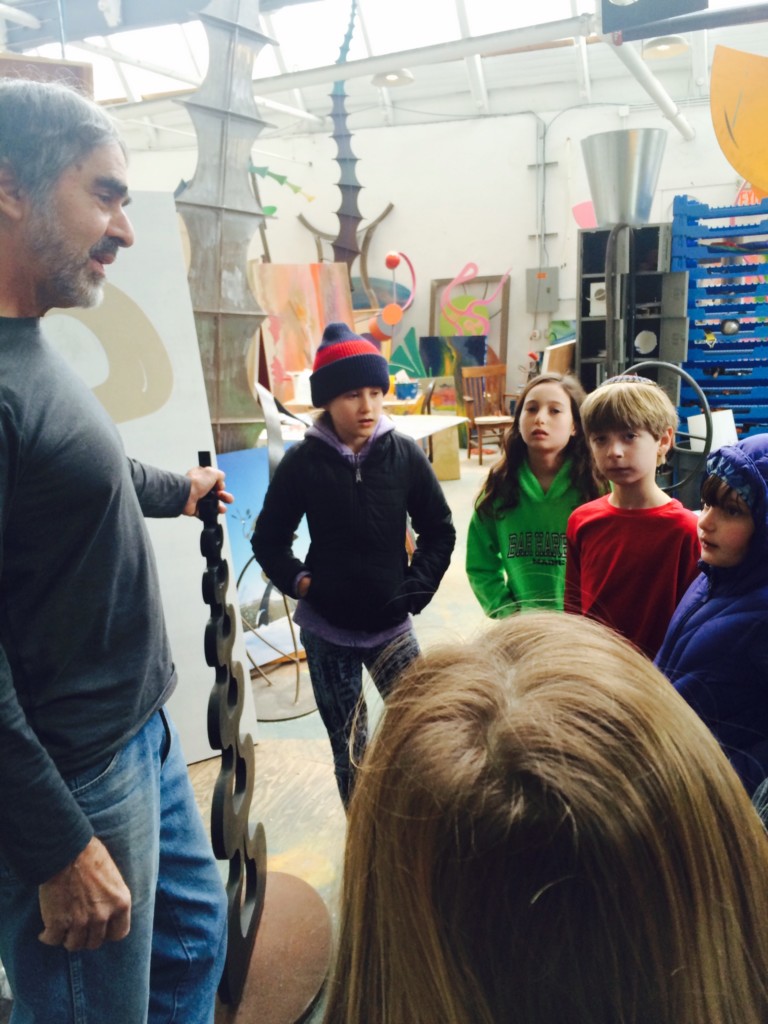
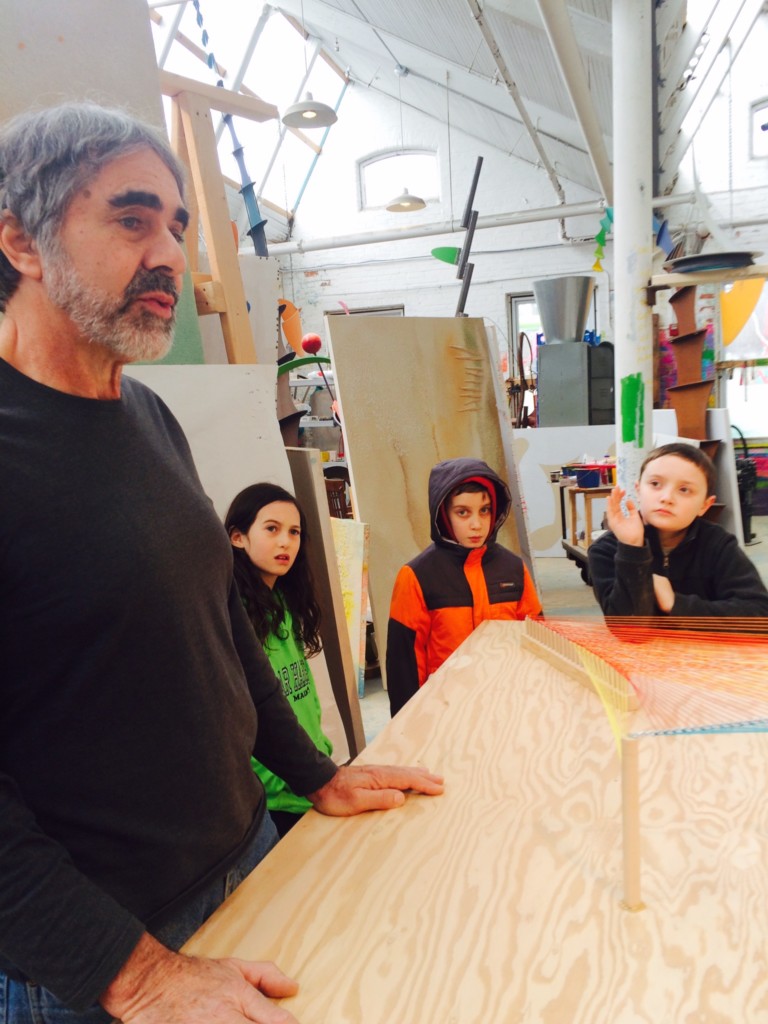
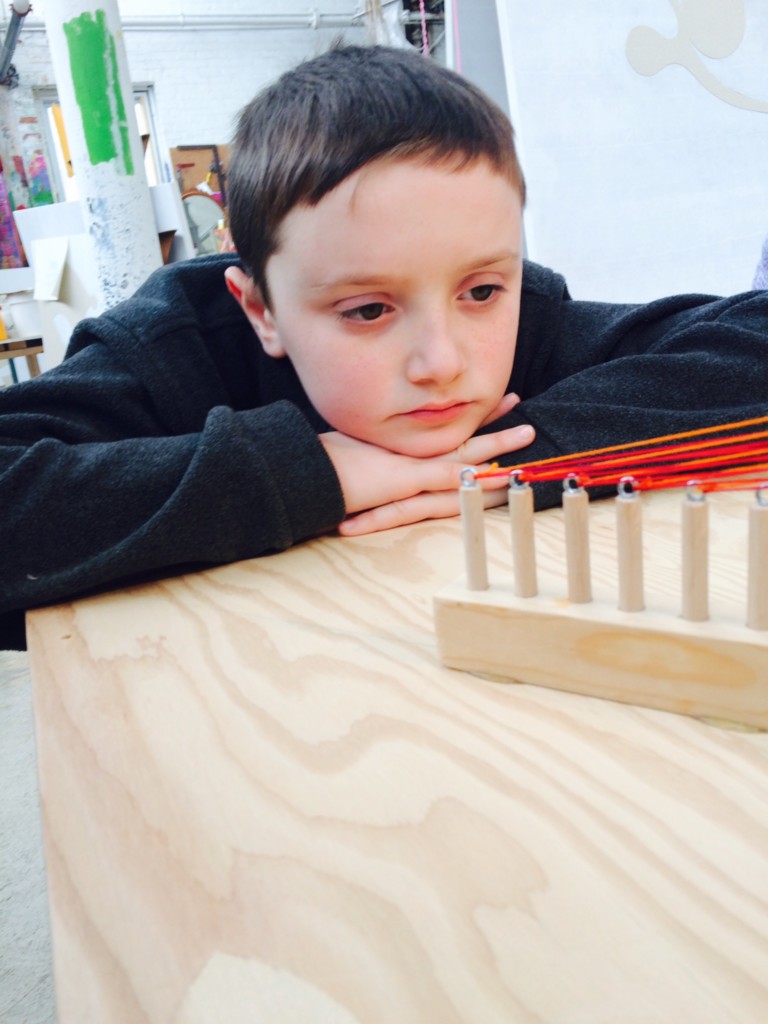
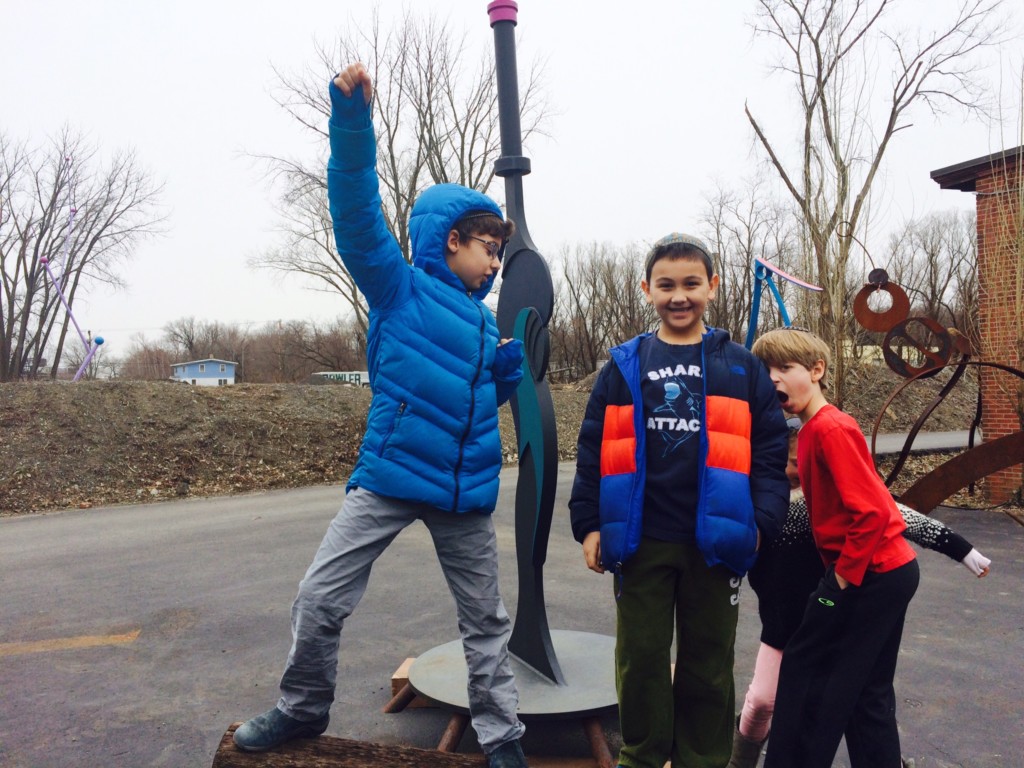
On Friday, March 4th, the fourth grade class visited the studio of Rhode Island based artist Donald Gerola. His sculptures can be seen in various locations around Providence and around the world! We were given the unique opportunity to see where he creates and learn more about his style. We explored his amazing steel sculptures (some of which are over 30 feet tall!!), his prototypes, and paintings made with mixtures of sand, pigment, and natural materials. It was affirming to see that “real artists” use some of the same strategies we use when creating. Just like us, Mr. Gerola makes models and plans for his work, shares his ideas with other people, and works in collaboration with others to bring his ideas to life.

image6
image16

It was such a privilege to spend the morning with Donald, and we are so grateful that he opened his studio to us!

image2              image3  image5                image7 image8  image10

Rhode Island History Come Alive!

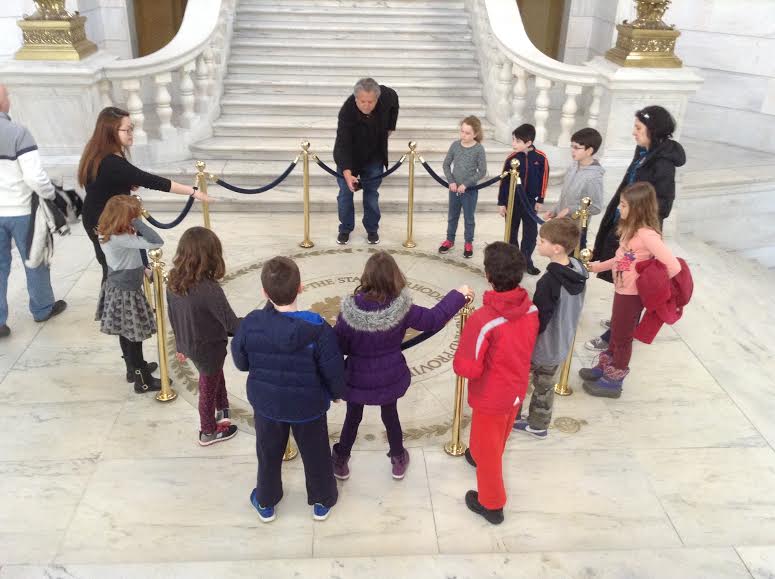
The third graders have been busy learning about the founding of our state, Rhode Island. After reading and writing about it, we took the bus to see the places we read about. Our first stop was the State House in Providence where we saw th6ca4e1bc-b645-44aa-b3d7-61683f8743a2e actual charter they used to establish the colony of Rhode Island and Providence Plantations. Along with the charter, we saw some artifacts from Roger Williams’ time, including a book he wrote himself.

Next stop was the Roger Williams Memorial Park down the street to see the well Roger Williams used to found Providence. After m0733e33b-ce5d-4021-baf2-e32002e7a660arveling at how small it seemed, we went to the visitor center where we were able to see another book Roger Williams wrote. This book was about Native American languages. We also saw paintings depicting Native Americans and Providence in 1636. Everyone agreed it was an interesting and exciting field trip. We are eagerly awaiting a representative from the National Park Service to come visit our class and teach us more about Roger Williams.