fbpx

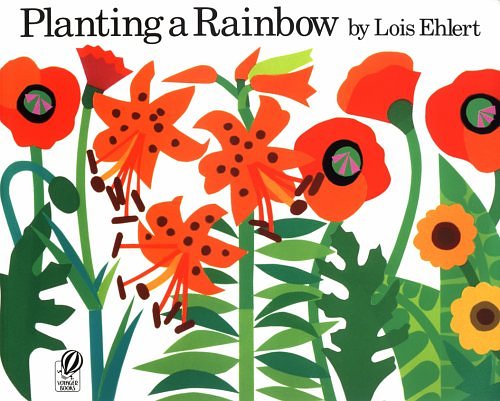
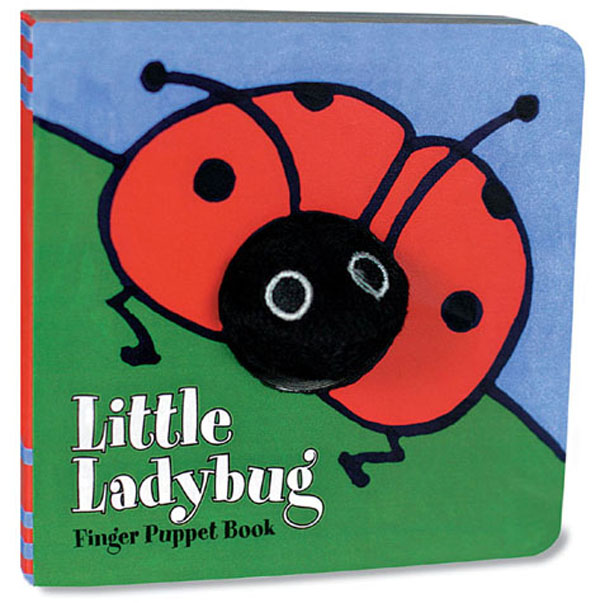
Dig into Great Garden Books for Kids!

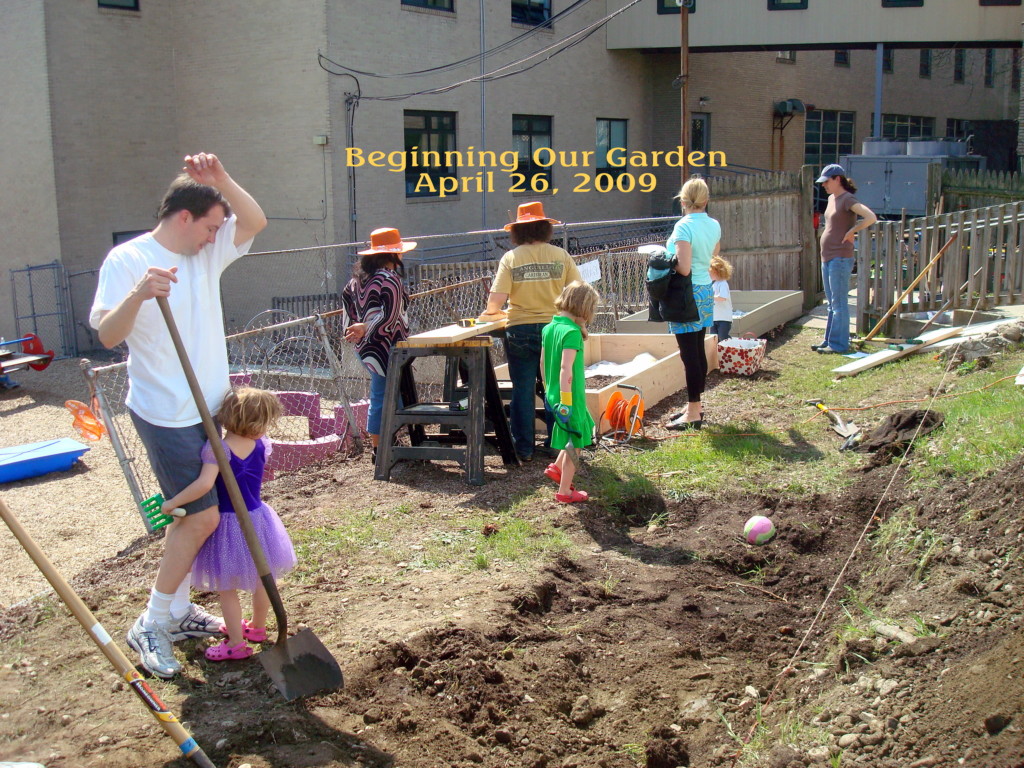
flower1 Gardens have always been part of my life. In October of 2008, Jamie Faith Woods, Andrea Katzman and I attended a school garden program in Bristol, RI. That meeting was a catalyst for creating our beloved school garden. Kol HaKavod to Jamie Faith for all her work on our garden and school garden curriculum.

blogGar1

For several years, I conducted “Giggles in the Garden,” an outdoor JCDSRI preschool story time that resulted in a great garden book collection. In addition, I have created JCDSRI Pinterest boards on gardening with children, garden sensory activities, garden book for children and Earth Day books and activities. VISIT: https://www.pinterest.com/jcdsri/

gardbook 5 garden book 1 garbooks1 Garbooks3 garbooks7 gardbook4gardbooks 8

Math Rope Trick Workshop

By Jonah the Fifth Grader:

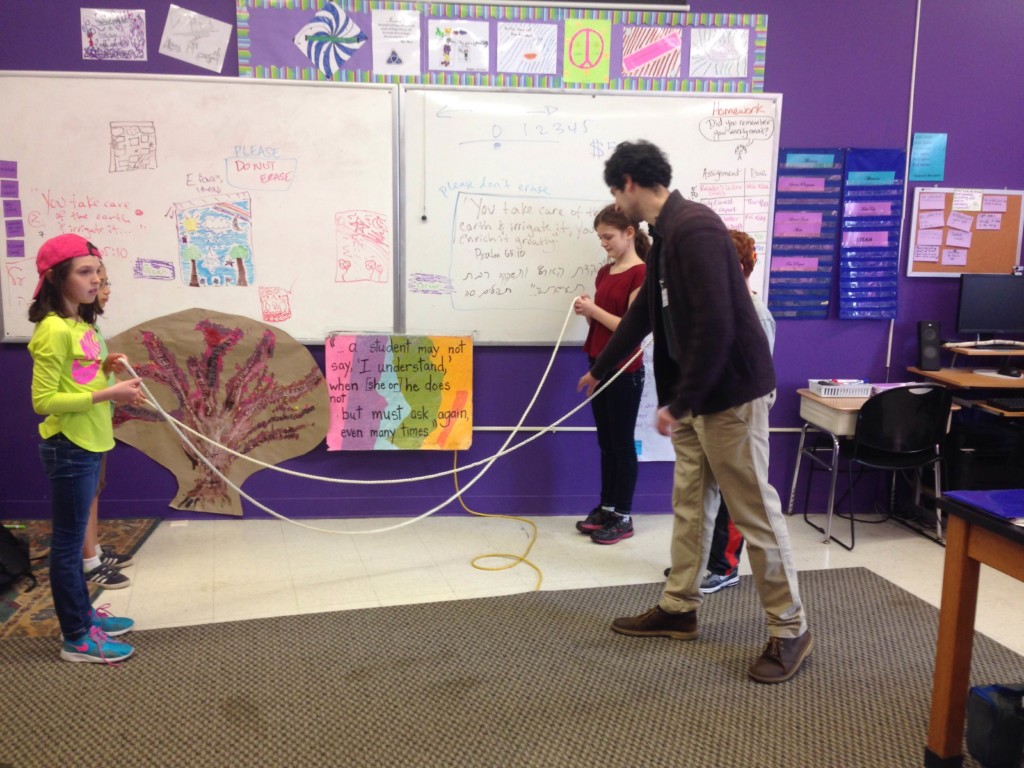
We the fifth graders, recently had a math workshop done by Ken, a Brown PhD Candidate. We learned about different ways to get from one to negative one. Ken showed this visually by having four of us at a time hold two ropes parallel to each other. Then we twisted the rope into a knot, and we untangled it without undoing what we did or just using our hands at the middle of the rope. The main objective was to untangle the ropes using an algorithm.

We learned all about negative reciprocals and how they work. We used fractions, negatives, and positives. I think that we all had a lot of fun doing this workshop and learned from it. We learned that when the knots are untangled the starting  number is zero. When it is tangled we had to try to get back to zero. Twisting the ropes once increases the number by one, and rotating the ropes changes the number to its negative reciprocal. We learned that the algorithm we used was the only one in the world that has currently been discovered. Overall this workshop was extremely well done.

Trying to figure it out
"I wish we could do math like this all day!"
“I wish we could do math like this all day!”

STEAM Workshop: Circuitry

By Tamar the Fifth Grader:

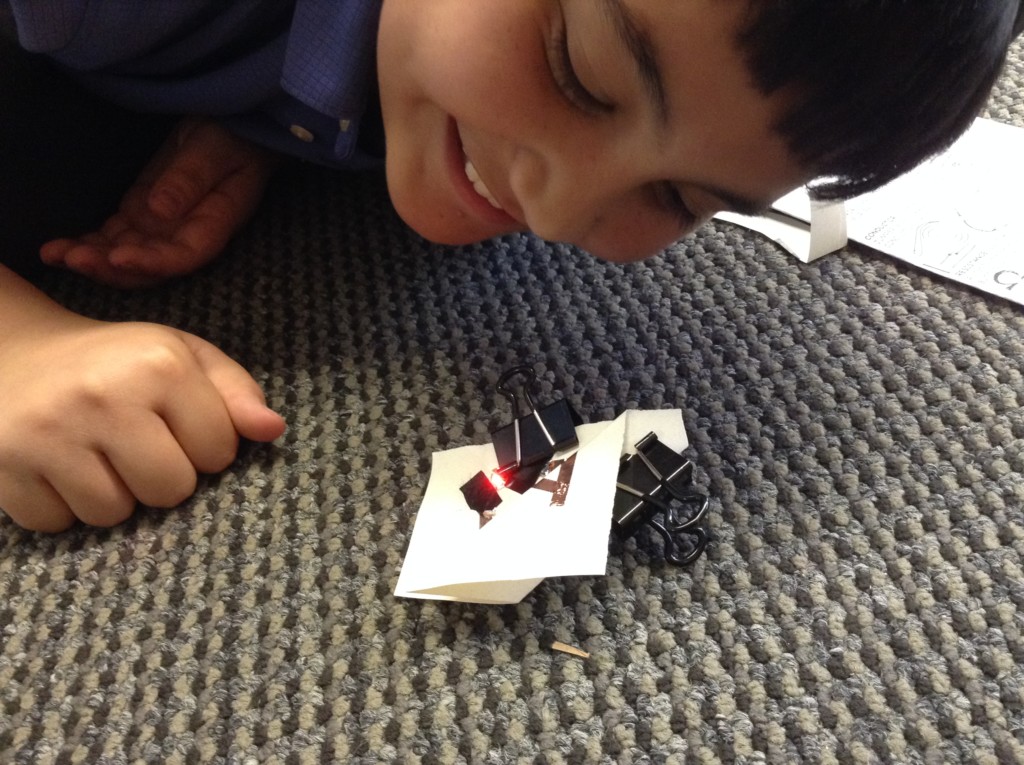
In our circuitry workshop on Monday morning, we did two things.  First, we made a little colored light go on.  We did this by first creasing a small piece of paper, and placed a piece of copper tape ( a thin strip of copper that is sticky on one side) on both sides of the crease and put a battery on one side, and the light on the other end, so that when the paper was folded along the crease, the battery touched both of the pieces of copper tape, and turned the light on.  It sounds simple, but it is very hard to make the copper tape meet in the right way to the battery and the light.  The second part was a sort of free tinker time.  We were told to make some sort of lamp or something like that, and those were the only major guidelines.  Some of the things made were a heat lamp, a flashlight, and a few other variations on those basic subjects.  I made a little light-up tube that lit up when you pressed it in a certain place.  I learned that even the simplest of circuits can be very hard to make.

4th & 5th Graders in the Design Lab
It works!
It works!


Tomer’s Post about Making Matza

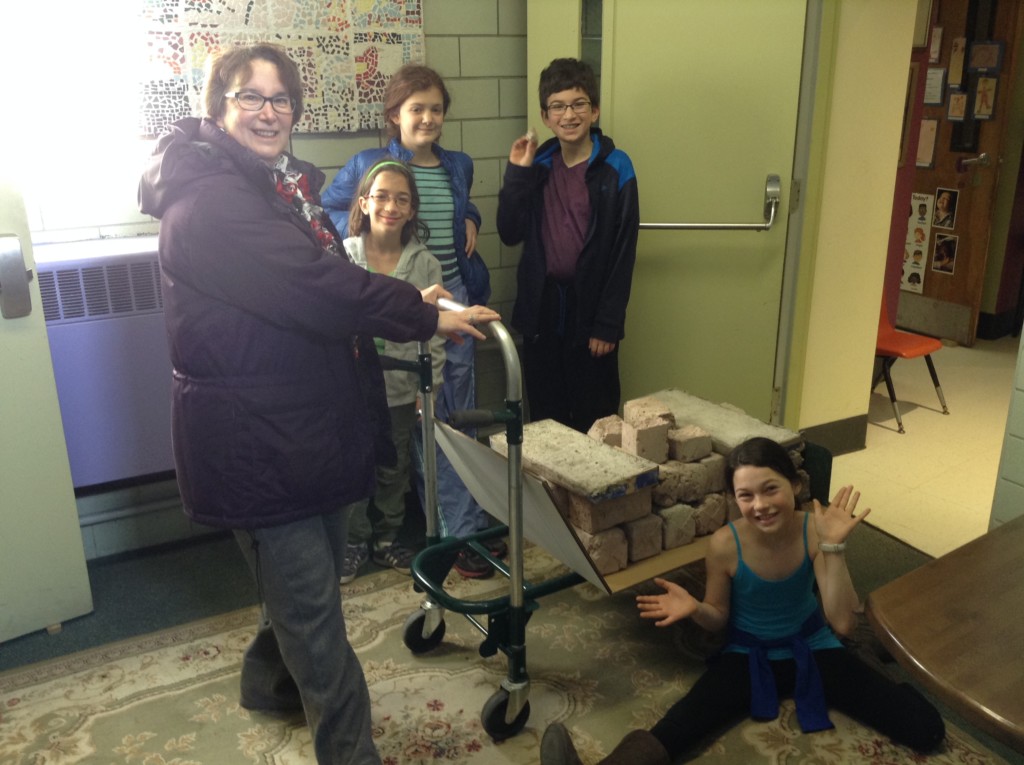
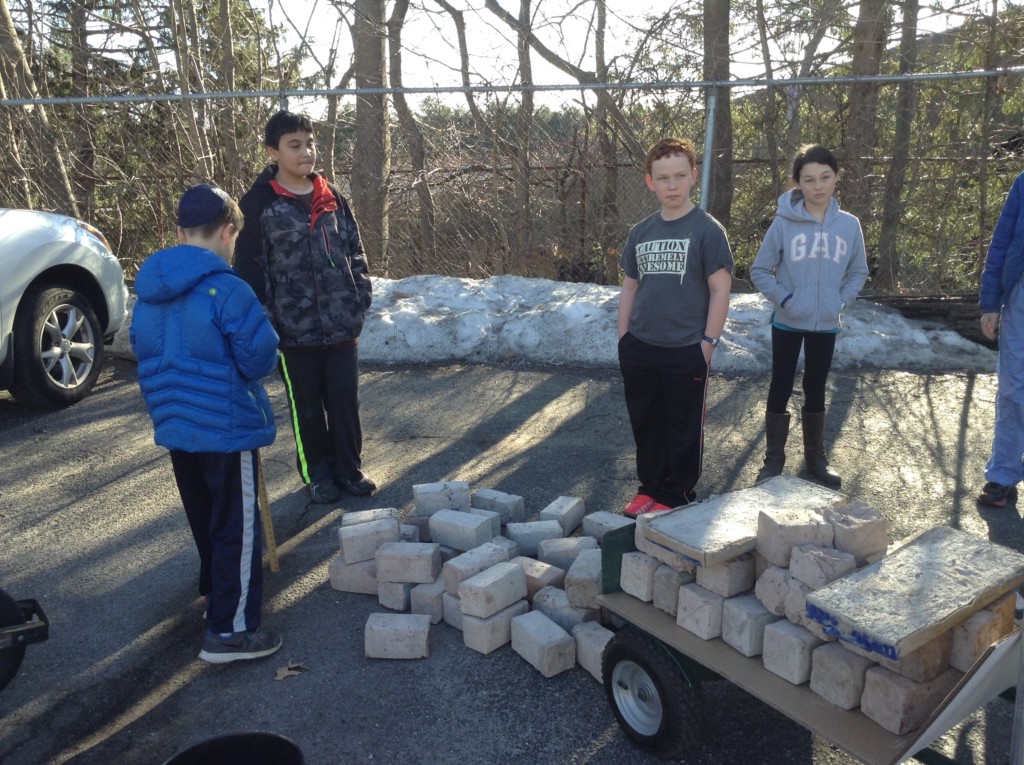
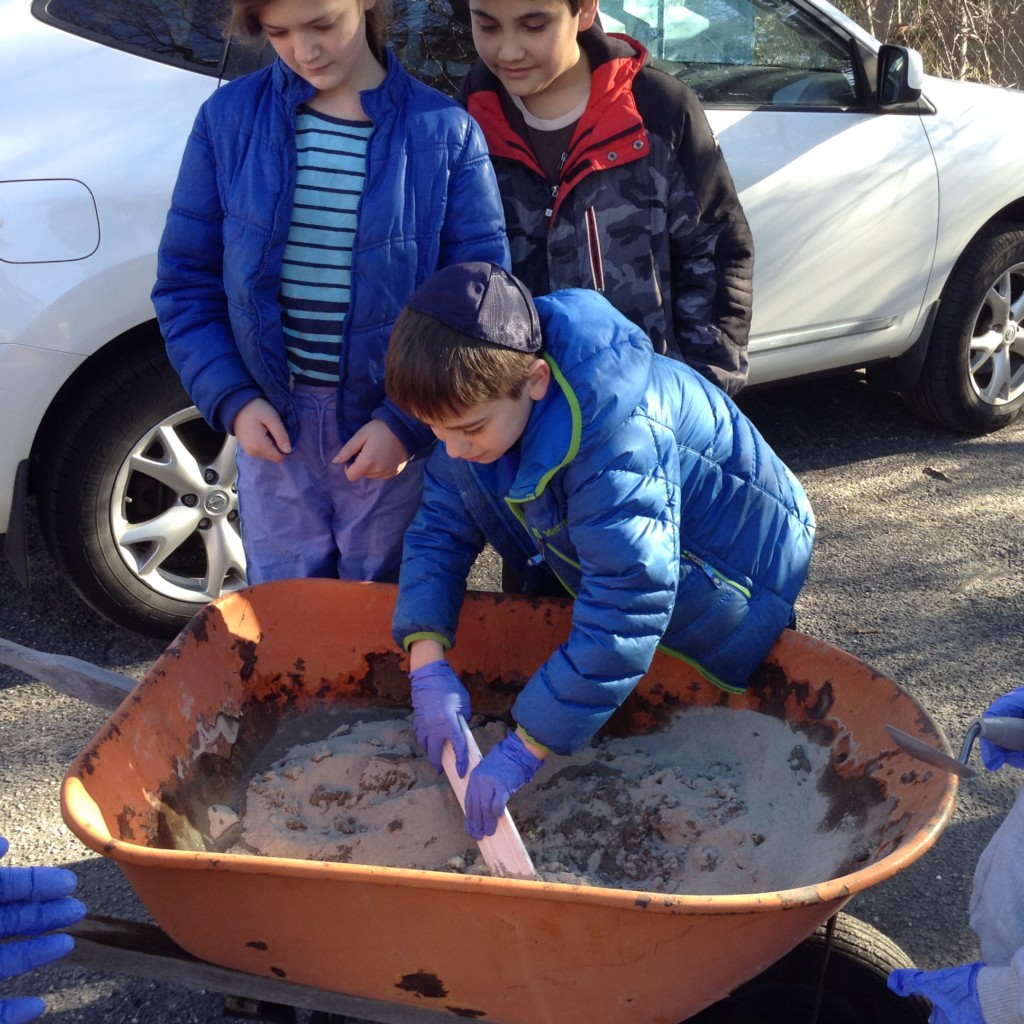
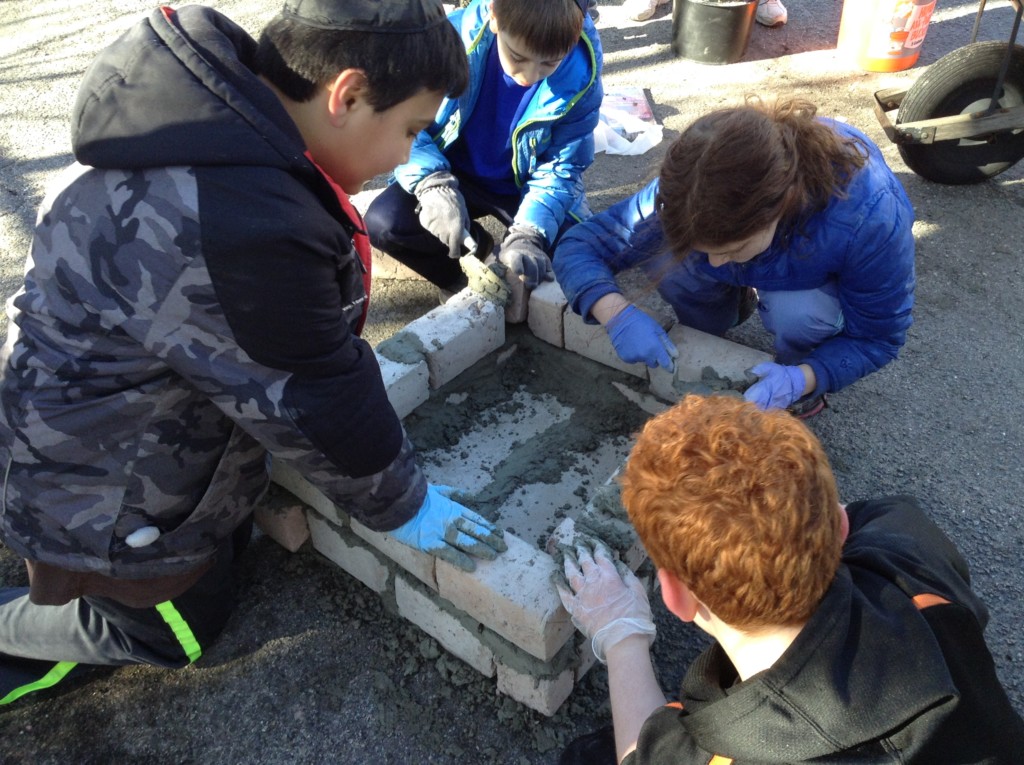
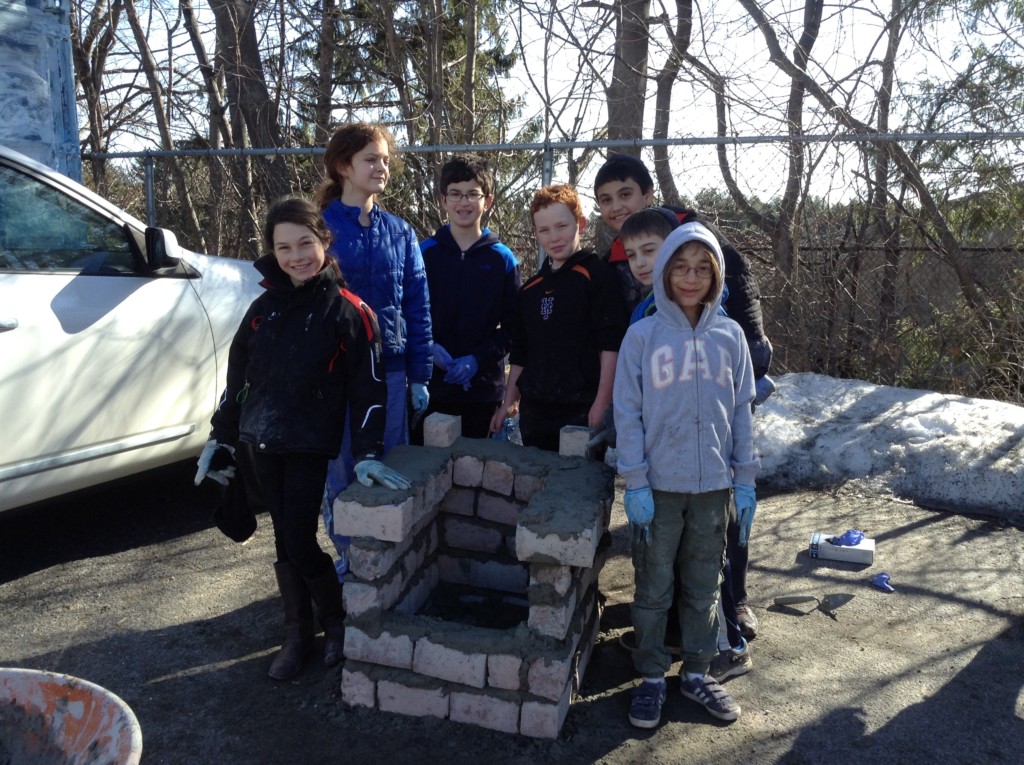
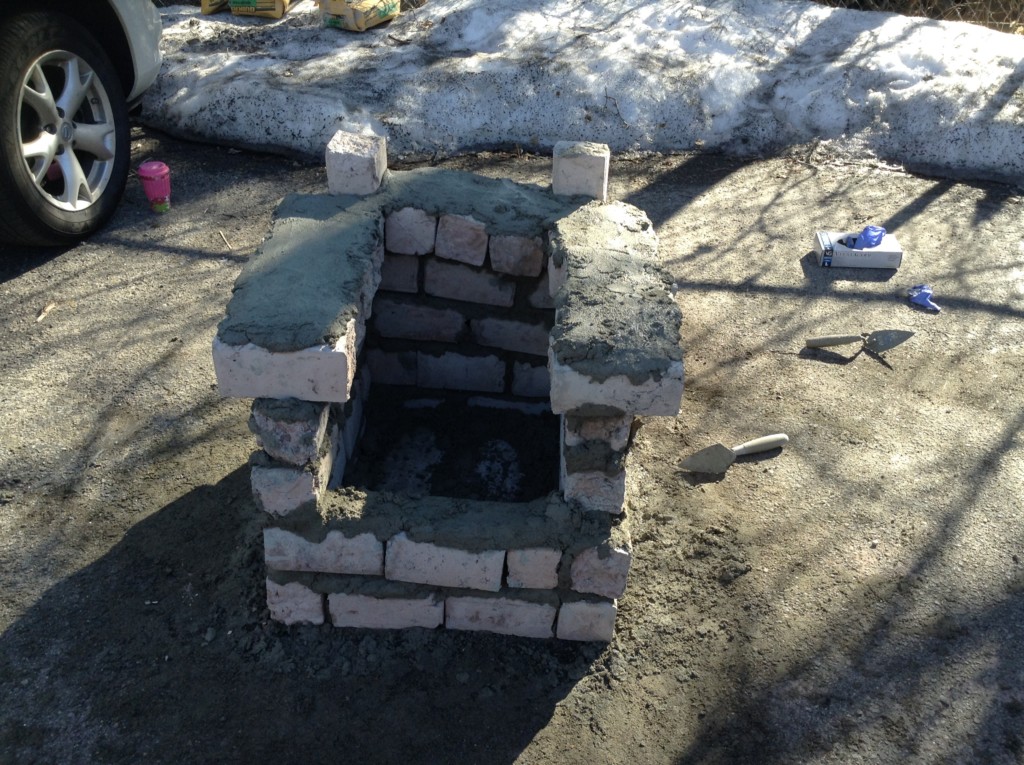
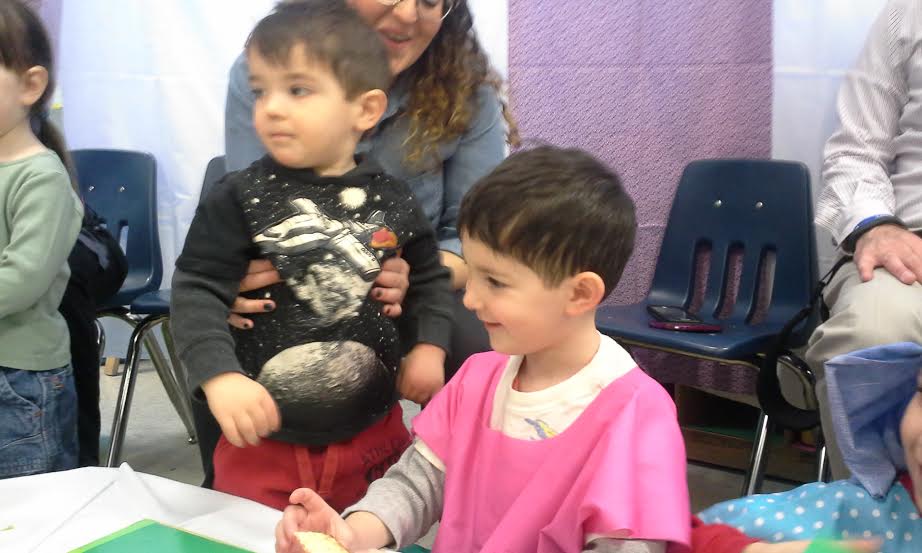
This week [end of March, early April] each class at JCDS got to experience the basics in making kosher matza for Passover.  The challenge was, to mix water and flour together to make dough, kneed it, roll it out into a very thin sheet, and then bake it, taking 18 minutes or less to do so.  This was done in the parking lot outside on tables.  Each class came out one at a time, kids spreading out around the tables and doing all the things needed to make tasty and kosher matza.  We baked the matza in an oven made of bricks the fifth graders made.  Even though we didn’t use flour that was kosher for Passover, everyone felt very accomplished after making their own matza. This was truly an intriguing and informative activity.


Loading the bricks up to bring down
Preparing to lay them out
Mixing the mortar
Mixing the mortar
Design in action
Design in action
Voila!
Voila!
Ready to be used
Ready to be used
Making matza on our brick oven!
What an accomplishment!


Teaching about the Holocaust with Picture Books

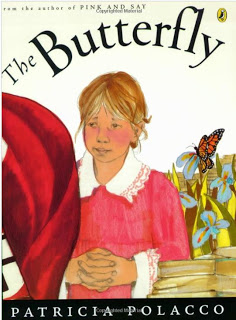
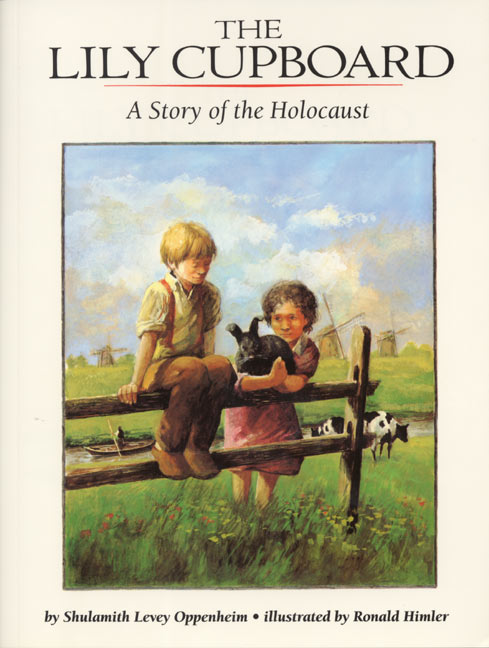
“In order to understand who we are, our children need an authentic exploration of our past, including the Holocaust.” Emuna Braverman  bit.ly/1PQtBpw  Our library has a very good collection of Holocaust picture books as well as novels. One of our favorite books is The Butterfly written and illustrated by Patricia Polacco, an outstanding children’s author. This beautifully illustrated book relates an actual Polacco family Holocaust story.

holobk1

Some other outstanding books in our collection are:

holobk2


holobk3

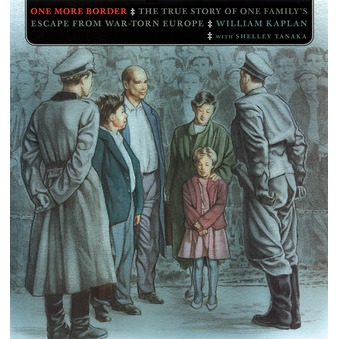
One More Border: The True Story of One Family’s Escape from War-Torn Europe is another true family story complete with photos of passports, family members , newspaper items and maps. The Kaplan family successfully escaped Europe and lives in Canada.

Review this excellent list of children’s Holocaust book by the United states Holocaust Memorial Museum for more selections.  bit.ly/1FN5zU5


Kindergarten Pesach Seder

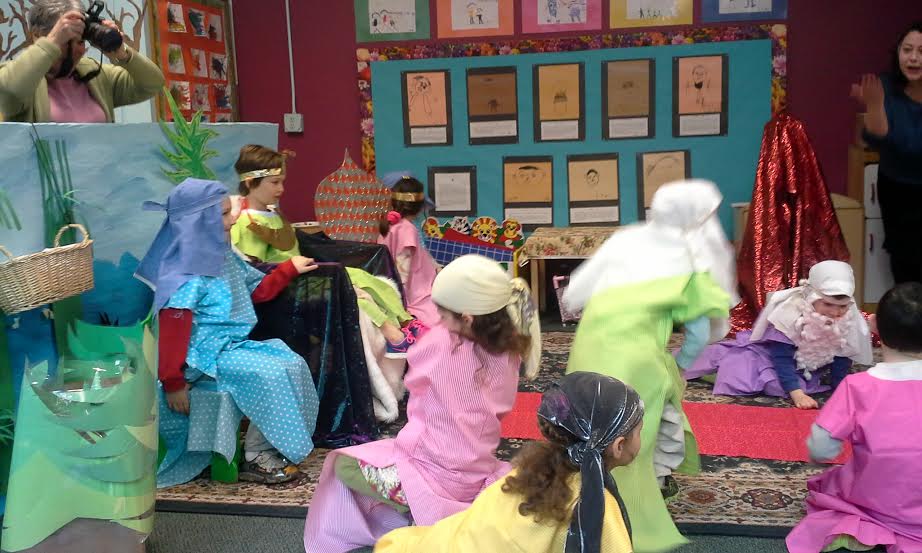
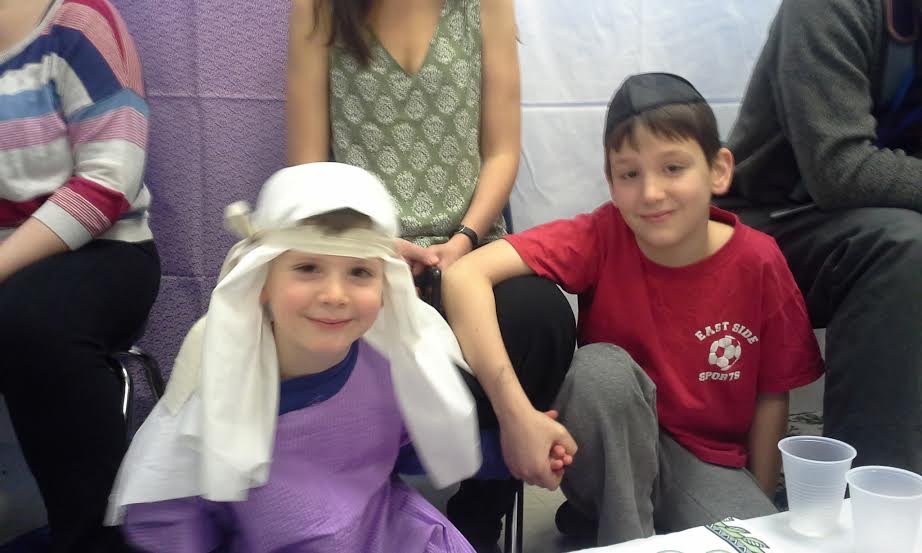
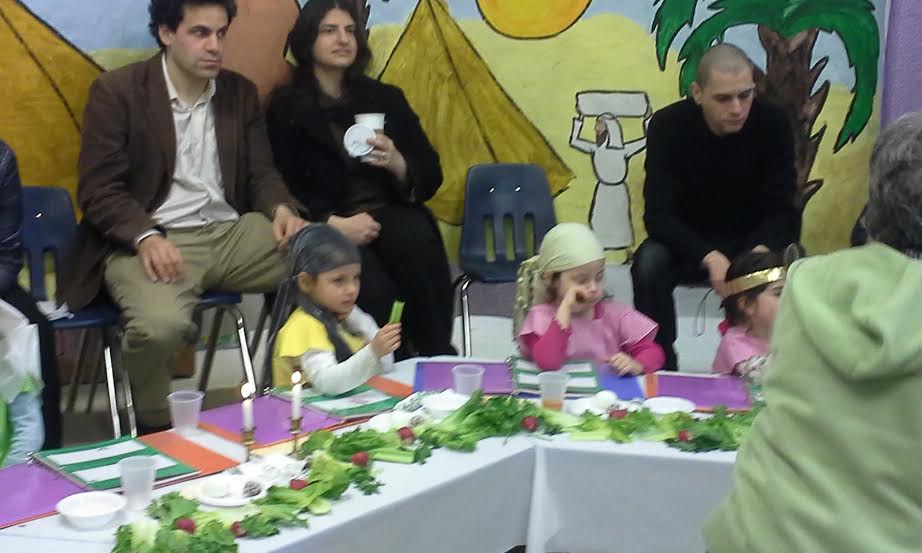
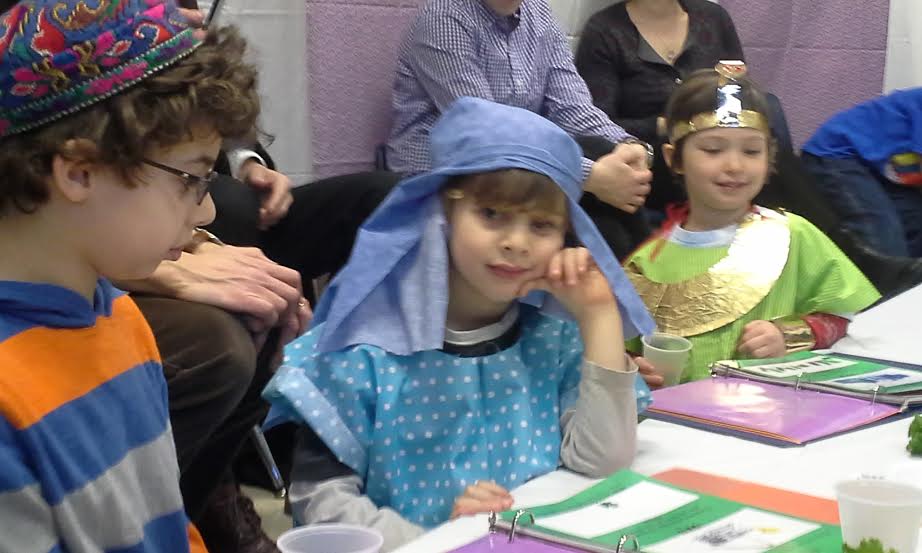
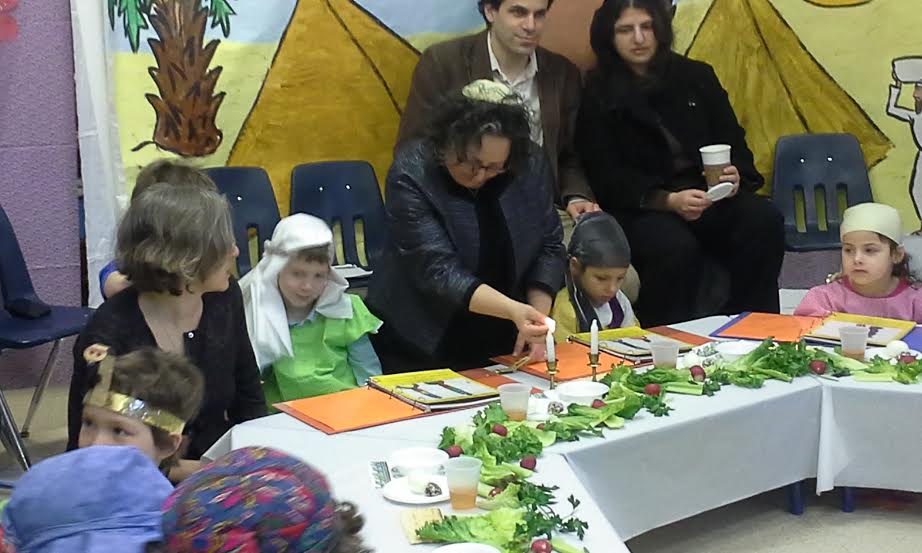
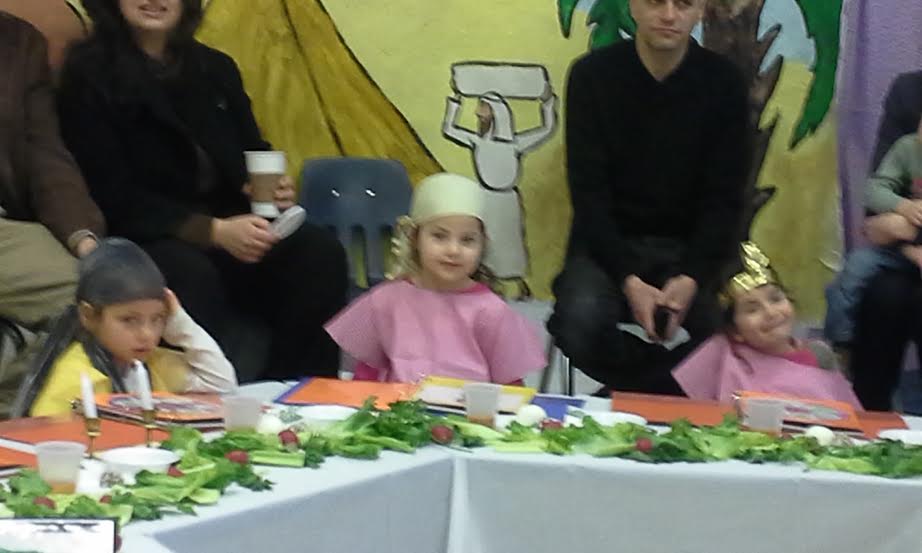
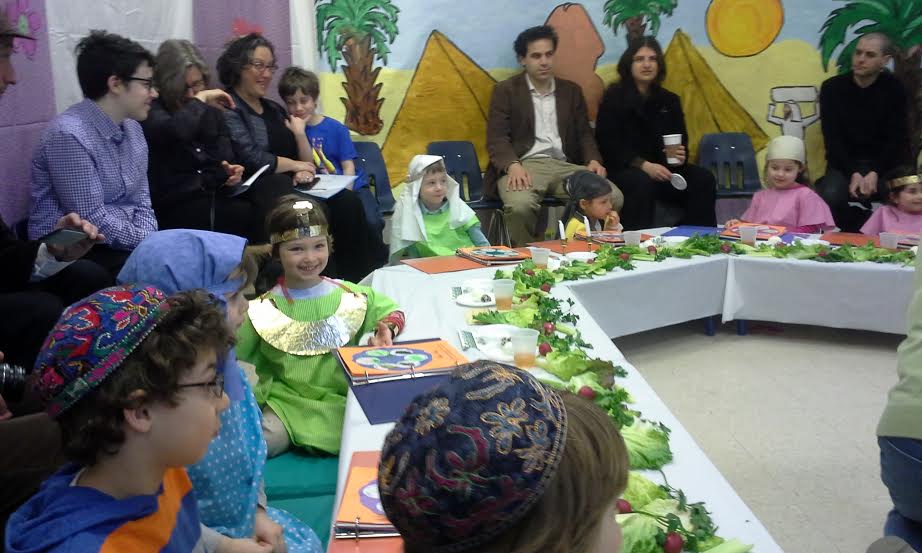
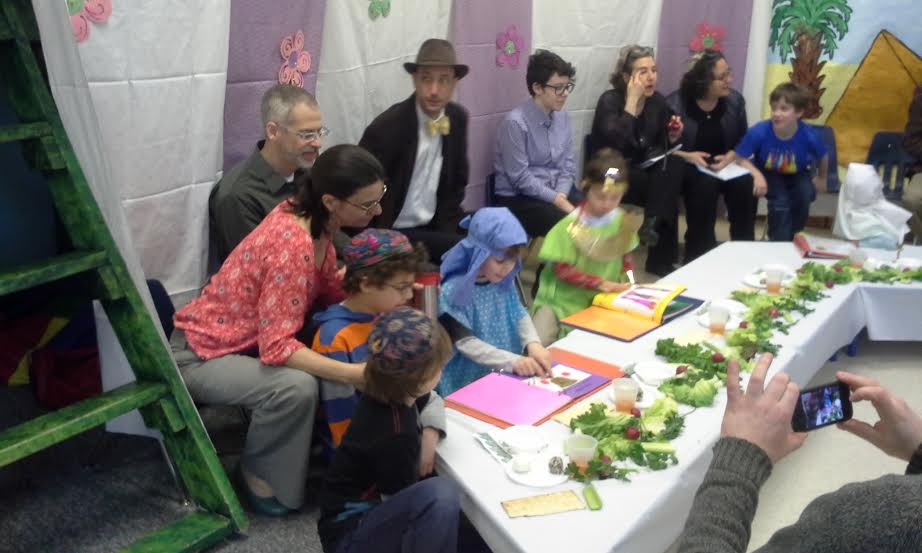
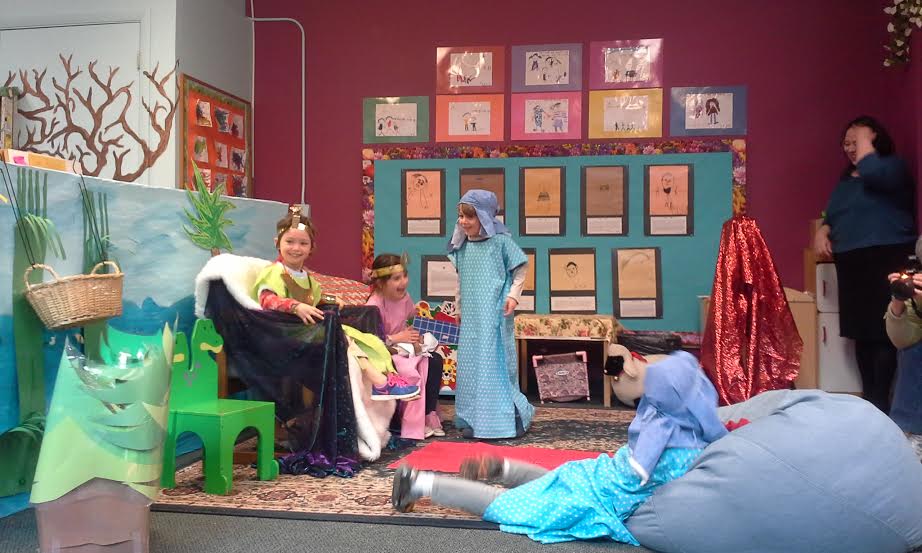
We had such a beautiful Seder in our classroom! The children and their families helped to lead our Seder, and the Kindergartners performed in a play that they wrote about Pesach. We even enjoyed delicious matzah ball soup!  Thank you to all of our special guests for joining us!

Chag Sameach!

pesach 1

pesach 3

pesach 4

pesach 5

pesach 6

pesach 7

pesach 8

pesach 9

pesach 10

pesach 11

pesach


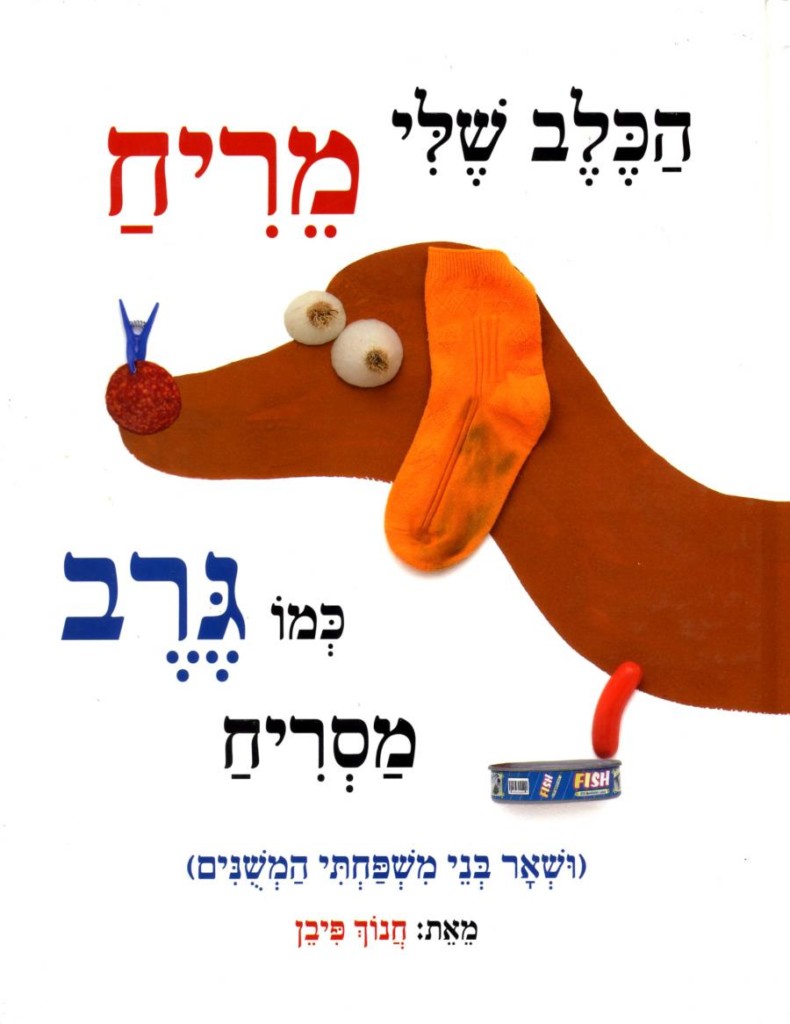
My Dog is as Smelly as Dirty Socks

Students were inspired by Chanoch Piven’s work in the creation of our Hebrew-Art project.  http://www.pivenworld.com/my-dog-is-as-smelly-as-dirty-socks/book-by-hanoch-piven

Each student chose a person from real life or fantasy and described that person’s character: “my mom is funny, my friend is fast, my dog is smart, my sister is sweet, my dad is cool, my teacher is thoughtful, Batman is dark……..”  In the week following Pesach break students will be representing these characteristics with items to create a portrait in art.  From the students’ writing, here are some ideas to get you started….

SMART things: ruler, computer, calculator, owl, Albert Einstein, dictionary

FUNNY things: smiley face, clown, joke book, Tina Fey, book, feather

FAST things: cheetah, train, lightning, bat

PRETTY things: princes, sunset, flower, spring, summer, sun, mom

SWEET things: candy, sugar, lollipop

CRAZY things: monkey, sugar rush

LOVING things: dog, dad, puppy, friend, heart, bear

WARM things: stove, fire

HELPFUL things: tools, internet

COMFORTING things: bed, pillow

LOUD things: megaphone, whistle, fireworks

SHARP things: knife

BUSY things: squirrel, soccer ball, maid, sprinter

STRONG things: gorilla

COOL things: skateboard, sunglasses

After the Pesach break each student will create her/ his person in art class. The people in the art work will be made out of items. Therefore, we ask the help of all the 4th and 5th grades’ students and families to gather the items/ things listed above and bring them to school.
Please don’t limit yourself to materials!

Toda, Mrs. Bend and Rotem

First Stop: Video News

Second Grade Video News

Jewish Community Day School RI on Vimeo.

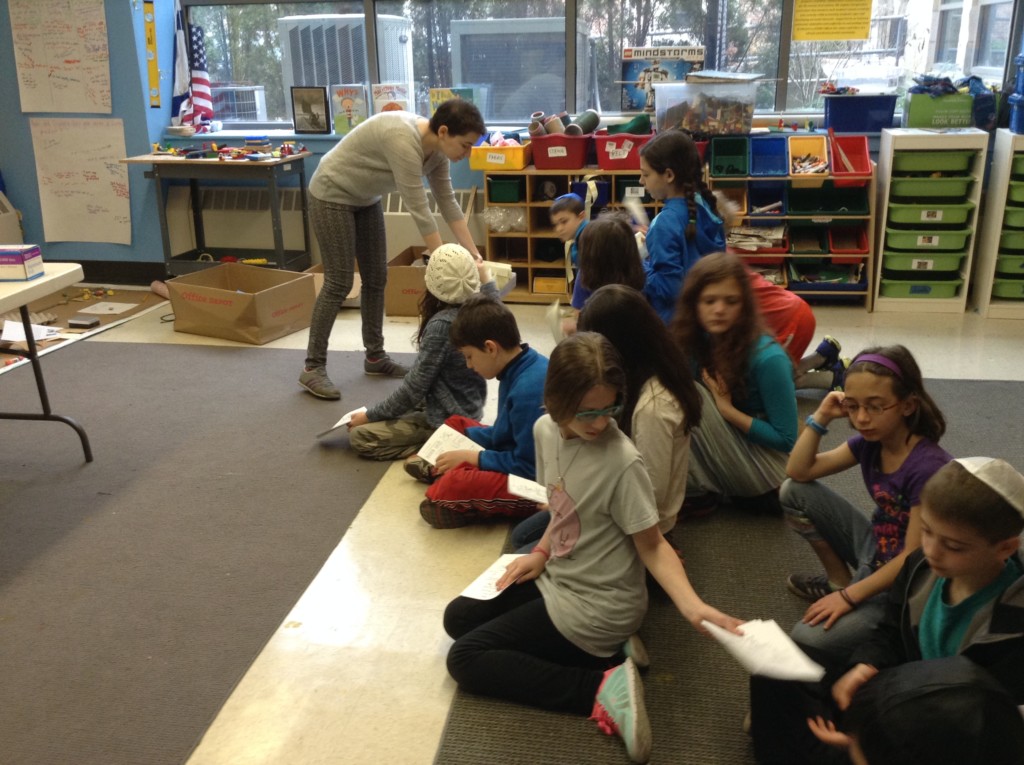
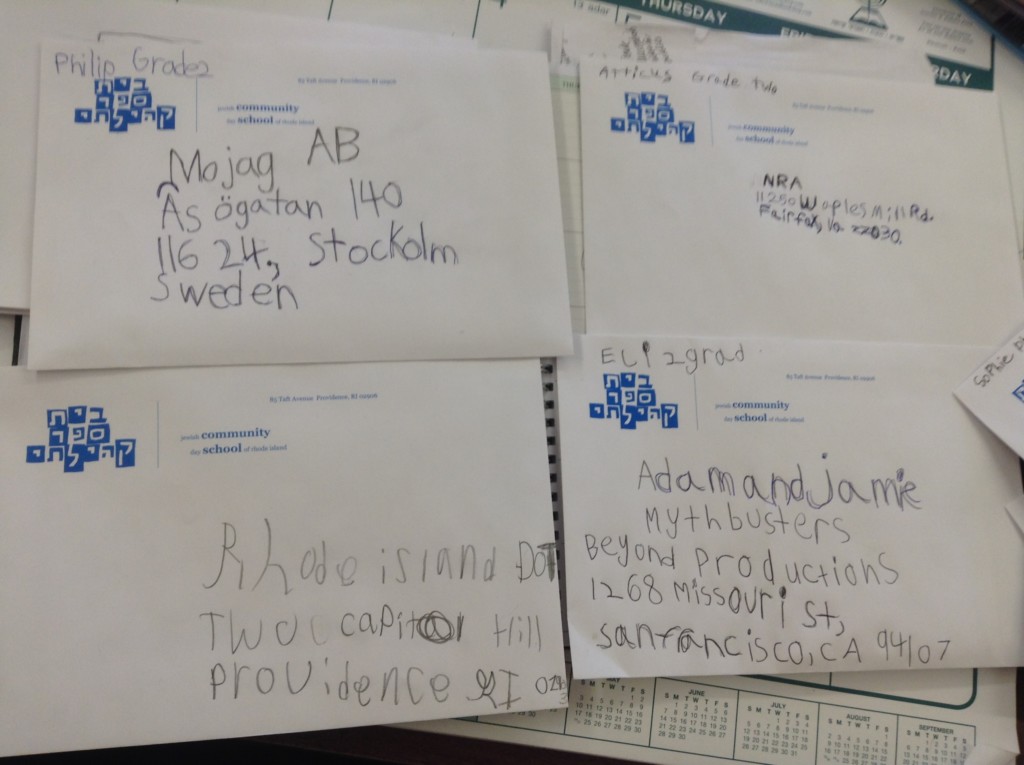
We have had a very productive couple of weeks in second grade.  We’ve been producing some amazing writing, and we’ve really been working on our reading skills.  We just finished up our unit on persuasive writing.  As you can see below, students sent out their persuasive letters, and even practiced addressing envelopes.

2015-03-25 13.39.07

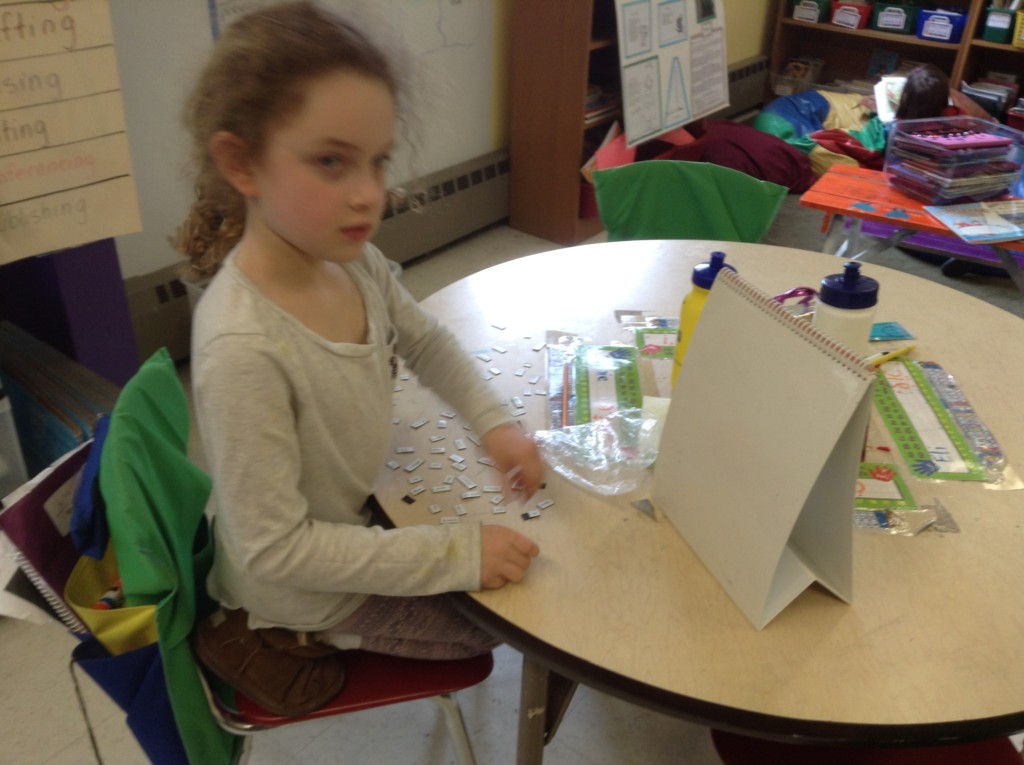
We begin to study poetry throughout the whole month of April, which happens to be National Poetry Month.  Below, one student plays with magnets and words to write a short poem.
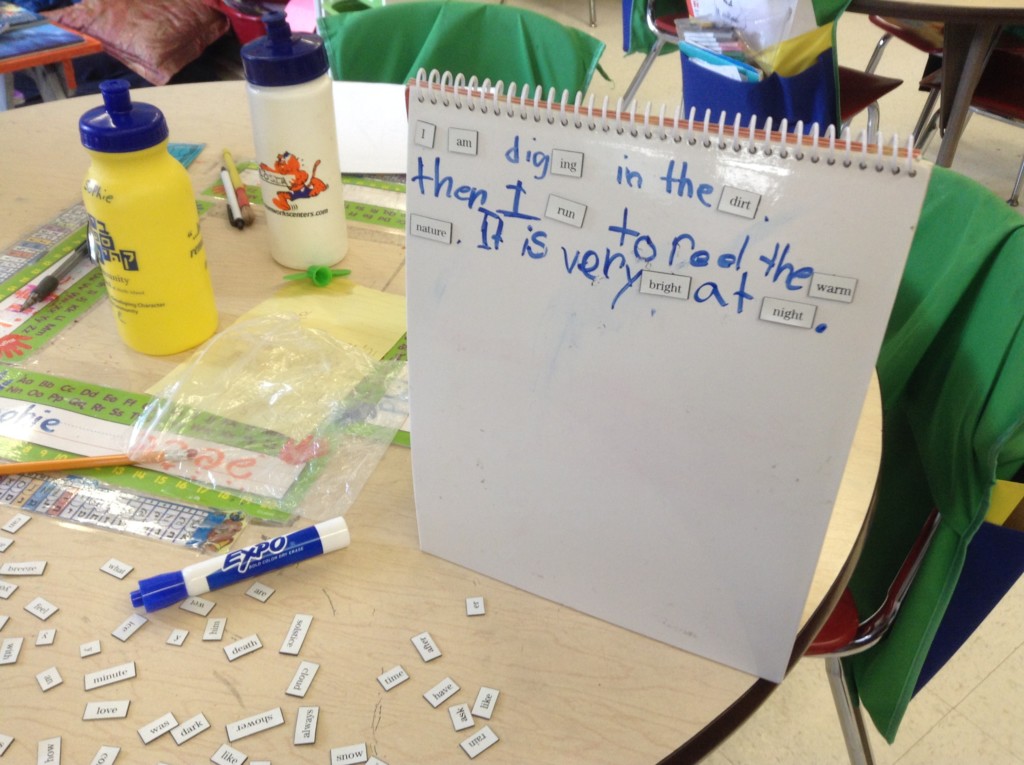
2015-03-26 10.53.33  2015-03-26 11.05.04

Students continue to practice their word skills using computer games, word work games, and weekly spelling rule practice. 2015-03-26 10.53.37
We even manage to find time to relax with a good book.

We also learned more about maps this week through reading the books “There’s a Map on my Lap” and “Mapping Penny’s World”.  Students then practiced creating their own maps, and made sure to include a title, a key, and labels.  Stay tuned to see how clear and detailed their maps are.

In math, we began working on mental math strategies.  Part of working on mental math is learning how to articulate what you are actually doing in your brain.  This is a hard skill, and one that has the potential to greatly improve a person’s mental math capacity.  Feel free to practice doing mental addition at home with your kids.  For example, they should be able to try 346 + 3, or even 55 +8.  Some might even be up for more of a challenge.

Have a great weekend!

Tamar’s Post about our Rube Goldberg Machine

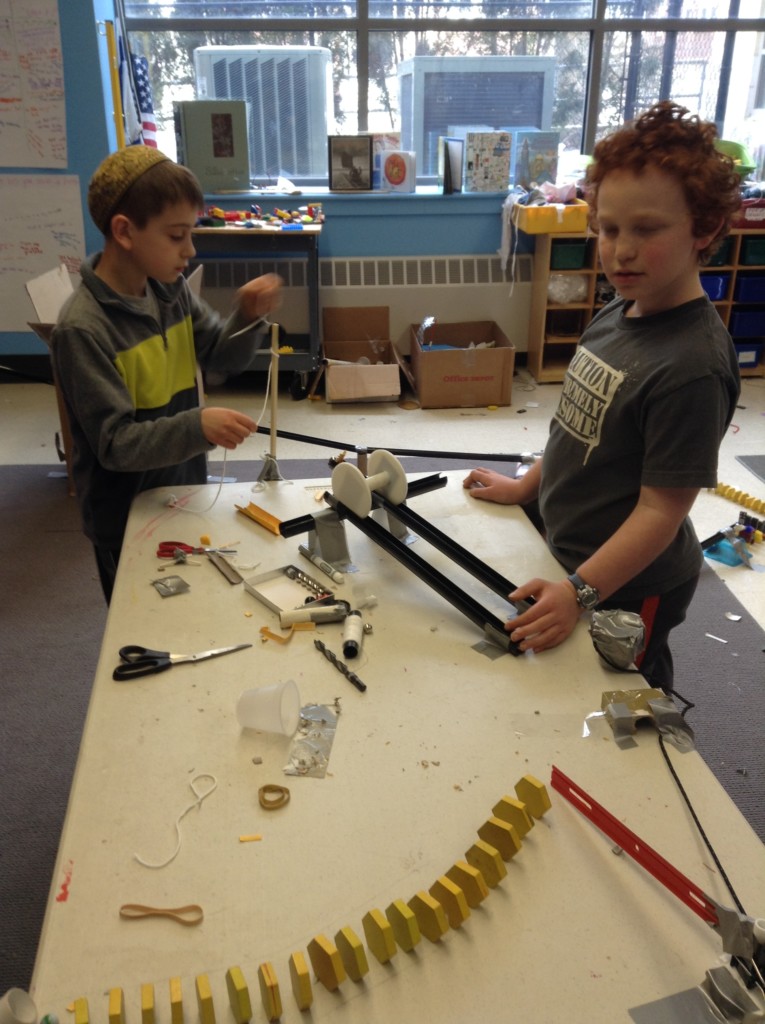
This week in Design Lab, we finished building our Rube Goldberg machine!  A Rube Goldberg machine is a machine that is started by a human doing something, which sets off a chain reaction, which ends in a simple task being completed, like pouring a cup of water or dropping a block.  Our’s was started by someone sling-shooting a marble, which sets off dominoes, which lifts a pulley, which sets a marble rolling on a track, which sets off more dominoes, which set off another marble, which sets off a pulley, which starts a cart rolling, which knocks down a weighted cup, which knocks down colorful towers, and also pulls a ruler, which sets off dominoes, which starts a marble rolling, which sets off a mousetrap, which causes marbles to fall into a bag, which falls, and reveals a sign that says “JCDSRI Rocks!” and is splatter painted and signed by the whole school.  As that happens, someone off to the side pulls a string, which activates a confetti launcher that we made.  Sadly, but not unexpectedly, when we tried it out it didn’t work. So we just set it off manually when it didn’t work.  Both Lashon groups worked together, even though we were working on it separately.  It took about two months to complete because we only have Design Lab for 50 minutes a week. So altogether it was worked on for an hour and 40 minutes a week.  I think that it was a great way to work together and make all of our ideas work, and I think that everyone worked hard together and had fun.

IMG_0746 (2)

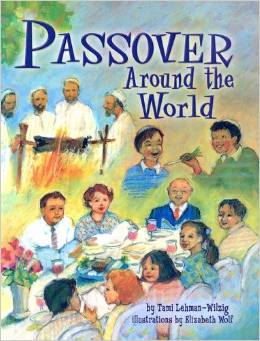
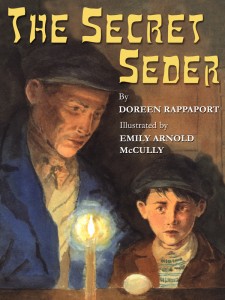
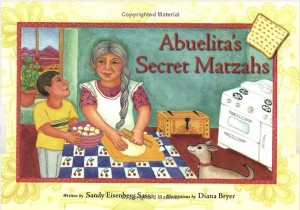
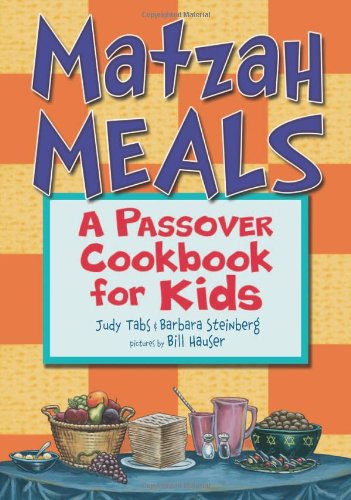
A Pyramid of Passover Books for Kids

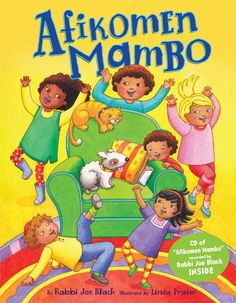
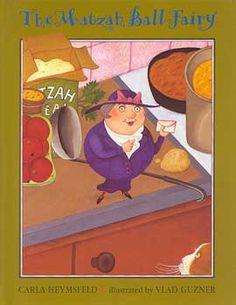
A “get up and dance” favorite! (comes with a CD)  passbook4

Visit our Pinterest site for great book selections as well as yummy Passover recipes! https://www.pinterest.com/jcdsri/passover-books-for-kids/ pinterest

We love books by Tami Lehman-Wilzig , who has been a Visiting Author at JCDSRI. Her website  has  children activities and more. http://www.tlwkidsbooks.com/ You will enjoy the recipes in her book passbook7

JCDSRI library suggestions:

passbook8 passbook6

passbook5 Passbook1

passbook2passover 10